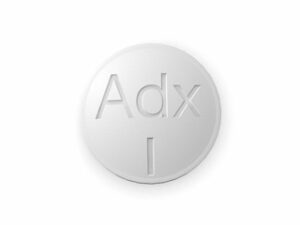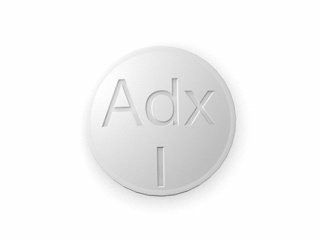


Arimidex (Anastrozole) – Patient-Friendly Guide (UK)
Arimidex contains anastrozole, a medicine used in the treatment of certain breast cancers that depend on oestrogen for growth. It belongs to a group of medicines called aromatase inhibitors. This guide explains how Arimidex works, what it’s used for, how it is taken, and important safety information—written in clear, patient-friendly language for use in the United Kingdom.
Always follow the instructions provided with your medicine and speak to your healthcare professional if you have questions about your specific situation.
Basic product information
| Product | Active ingredient | Medicinal form | Typical strength | Common use |
|---|---|---|---|---|
| Arimidex | Anastrozole | Oral tablet | 1 mg | Hormone (endocrine) treatment of breast cancer |
Who it may be suitable for: In the UK, anastrozole is mainly used in postmenopausal women with hormone-receptor positive breast cancer, or in other specific clinical situations determined by specialist teams.
How Arimidex works (mechanism of action)
Many breast cancers are “oestrogen receptor–positive” (ER+). Oestrogen can help these cancer cells grow and survive. In postmenopausal women, a major source of oestrogen in the body is the aromatase enzyme, which converts hormones called androgens into oestrogens.
Anastrozole works by blocking the aromatase enzyme, which leads to:
- Lower oestrogen levels in the body
- Reduced stimulation of hormone-sensitive breast cancer cells
- A slower progression of disease in appropriate patients
Because it acts by reducing oestrogen, Arimidex is considered a hormone (endocrine) therapy, not chemotherapy.
Pharmacokinetics (how the body handles Arimidex)
Understanding the basics of how the medicine moves through the body can help you take it safely and effectively.
- Absorption: Anastrozole is absorbed through the digestive tract after swallowing a tablet.
- Time to reach peak levels: Blood levels typically peak within about 2 hours after taking a dose.
- Steady effect: With daily dosing, levels build and stabilise, supporting consistent oestrogen suppression.
- Metabolism: Anastrozole is mainly metabolised by the liver.
- Elimination: The drug and its metabolites are removed primarily through the kidneys and urine, though exact pathways include liver metabolism as well.
Clinical implication: Because it is taken once daily and works steadily, it’s important to maintain consistent dosing while your treatment plan is ongoing.
Typical use and indications (what it treats)
In the UK, Arimidex (anastrozole) is used for hormone-dependent breast cancer. Depending on the clinical context, it may be used for:
- Early breast cancer (adjuvant treatment) to reduce the risk of recurrence in certain patients.
- Advanced or metastatic breast cancer in postmenopausal women with oestrogen receptor–positive disease.
- After progression on previous endocrine therapy in some situations, as decided by your oncology team.
Important note: Eligibility depends on factors such as menopausal status, tumour characteristics (e.g., ER/PR status), prior treatments, and your overall health.
How and when to take Arimidex (timing)
Typical dosing: The standard dose is often 1 mg once daily. Your exact dose may vary based on your healthcare professional’s plan.
Timing: You can take Arimidex at any time of day. Choose a time that helps you remember, and try to take it consistently.
- If you take it morning, take it every day in the morning.
- If you take it evening, take it every day in the evening.
- Taking it at the same time each day can help you maintain consistent drug levels.
What if you miss a dose?
- If you remember soon after, take it as advised by your healthcare professional or the medicine information you received.
- If it’s close to the time of your next dose, skip the missed dose and continue your normal schedule.
- Do not take two doses at once to make up for the missed tablet.
How to take: Swallow the tablet whole with water. You can take it with or without food (see food interactions below).
Food interactions
Arimidex generally has no significant food restrictions.
- With food: Food does not usually prevent absorption in a clinically important way.
- Without food: Many people take it on an empty stomach or with meals—either is typically acceptable.
Tip: For comfort and routine, many patients take it with a meal. If you experience stomach discomfort, taking it with food may help.
Alcohol and medicine interactions
Alcohol: Moderate alcohol intake is not usually described as having a direct interaction with anastrozole. However, alcohol can affect general health, adherence, and side effects.
Possible concerns:
- Liver health: Since anastrozole is metabolised by the liver, people with liver conditions should be cautious with alcohol.
- Fatigue, dizziness, or mood changes: Alcohol can worsen these effects in some individuals, which may be more noticeable if you feel unwell from cancer treatment or other medicines.
Medicine interactions: It’s important to check any current medicines with a pharmacist or clinician. Significant interactions depend on your treatment history and other drugs you’re taking.
Key interaction points often include:
- Medicines affecting liver enzymes may alter anastrozole levels.
- Hormone therapies that influence oestrogen levels may counteract the purpose of anastrozole. For example, oestrogen-containing treatments are generally not used alongside aromatase inhibitors unless specifically directed by a clinician.
- Other cancer therapies may be combined in carefully selected treatment plans, but the regimen should be overseen by specialists.
Always tell your healthcare professional about all prescription medicines, over-the-counter products, vitamins, and herbal remedies you use (including products like St John’s wort, which can affect drug metabolism).
Dosing and practical administration
Standard dose: Often 1 mg once daily.
Special situations: Your clinician may adjust decisions based on:
- Age and frailty
- Liver function
- Other medical conditions
- Whether you take other hormone or cancer treatments
Duration of therapy: Breast cancer endocrine treatments are frequently taken for months to years depending on stage and risk. Continue for as long as your specialist advises.
Stopping early: Stopping Arimidex without medical advice may reduce the protective effect of the treatment plan.
Safety profile and side effects
Like all medicines, Arimidex can cause side effects. Not everyone experiences them, and many are manageable with supportive care.
Common side effects
- Hot flushes
- Headache
- Nausea or mild stomach upset
- Fatigue
- Joint and muscle pain (sometimes referred to as “arthralgia”)
- Stiffness or discomfort in the joints
- Dryness (including vaginal dryness)
Bone health (important)
Aromatase inhibitors can reduce oestrogen levels, which may lead to bone thinning (osteoporosis) and increased fracture risk over time.
- Your clinician may arrange bone density scans (e.g., DEXA) before and during treatment.
- Calcium and vitamin D supplements may be recommended if appropriate.
- Weight-bearing exercise (where safe) and fall prevention strategies can be helpful.
Less common but serious side effects
Seek urgent medical advice if you develop symptoms that could indicate a serious reaction.
- Allergic reactions (e.g., swelling of the face/lips, difficulty breathing, severe rash)
- Severe or persistent pain or worsening joint symptoms
- Signs of liver problems (e.g., yellowing of the skin/eyes, dark urine)
- Chest pain, shortness of breath, or signs of blood clots (call emergency services where appropriate)
When to contact a healthcare professional promptly
- If side effects become troublesome or interfere with daily activities
- If you develop symptoms of bone issues (e.g., new back pain, reduced height, suspected fractures)
- If you feel depressed, very low in mood, or unusually anxious—mental wellbeing matters and can often be supported
Practical use tips (to help you stay on track)
- Create a routine: Link your dose to a consistent daily activity (e.g., after breakfast or at bedtime).
- Manage joint stiffness: Gentle stretching, physiotherapy-style movements, and regular activity can help. Report severe pain early.
- Hot flush support: Dress in layers, keep your room cool, and avoid triggers such as overheating and spicy foods if they worsen symptoms.
- Bone protection: If you’re advised to take supplements, take them as directed. Engage in safe, regular exercise where possible.
- Report vaginal dryness or discomfort: There are options to relieve symptoms—some may be non-hormonal. Speak with your clinician before using any products.
- Keep a side-effect diary: Note timing and severity. This can help your team adjust supportive care.
- Medication list: Keep an up-to-date list of all medicines and bring it to appointments.
Alternative options (other medicines and approaches)
Depending on your diagnosis, menopausal status, and prior treatment, alternative endocrine or hormone-targeting therapies may be considered. Examples (not an exhaustive list) include:
- Other aromatase inhibitors: e.g., letrozole, exemestane (selection depends on clinical factors and tolerability).
- Selective oestrogen receptor modulators (SERMs): e.g., tamoxifen in some patient groups.
- Fulvestrant: an oestrogen receptor down-regulator used in certain advanced cases.
- Ovarian suppression (in premenopausal or certain situations) combined with an aromatase inhibitor, decided by specialists.
Important: Switching between treatments should be done only with specialist guidance, as suitability depends heavily on tumour biology and clinical stage.
Market and legal context in the United Kingdom
In the UK, medicines like Arimidex are regulated under medicines legislation and are supplied through appropriate channels. The availability, prescribing practice, and pharmacy supply processes follow UK healthcare standards.
Pharmacy supply: UK pharmacies typically provide medicines based on established clinical and legal frameworks. Stock availability can vary by supplier and location.
Safety monitoring: In the UK, medicines are subject to ongoing safety surveillance, including the Yellow Card Scheme for reporting suspected side effects.
Quality: Arimidex is manufactured under appropriate pharmaceutical quality controls, and batches are monitored to meet regulatory standards.
Recent guidance and clinical updates (how to stay current)
Clinical guidance for breast cancer treatment evolves as new evidence emerges. In the UK, treatment recommendations are influenced by specialist oncology guidelines and updates from relevant bodies (such as the National Institute for Health and Care Excellence, where applicable, and professional cancer networks).
What this means for you:
- Bone health monitoring and supportive care (e.g., management of joint symptoms) remain central topics for patients on aromatase inhibitors.
- Many centres emphasise shared decision-making around duration of therapy and management of side effects.
- If your symptoms change or you have concerns, ask your healthcare team whether any supportive measures or monitoring should be updated.
Tip: If you’re unsure whether guidance applies to you, ask your oncology team what their current plan is and why.
Delivery and availability (UK online pharmacy)
When ordering from a UK online pharmacy, availability depends on current stock levels and supplier lead times. Typical delivery arrangements may include:
- Standard delivery (often a few working days)
- Express delivery options where available
- Tracked delivery to help confirm receipt
Packaging: Medicines are usually supplied in tamper-evident packaging. Store tablets as instructed on the outer pack or patient leaflet.
Contact us: If you need advice about delivery timelines or stock status, the pharmacy support team can help.
Storing Arimidex
Follow the storage instructions on the medicine packaging. In general:
- Keep out of sight and reach of children.
- Store at the recommended temperature (typically room temperature unless the leaflet states otherwise).
- Keep tablets in their original container to protect from moisture where applicable.
FAQ: Arimidex (Anastrozole)
1) Is Arimidex the same as chemotherapy?
No. Arimidex is an endocrine therapy that works by lowering oestrogen levels, rather than using cancer cell–targeting chemotherapy drugs.
2) How long does Arimidex take to work?
Oestrogen suppression begins soon after starting treatment. The benefit in preventing recurrence or controlling cancer is evaluated over time as part of your overall treatment plan.
3) Can I take Arimidex with food?
Yes. Arimidex can usually be taken with or without food.
4) What should I do if I miss a dose?
Don’t take two doses at once. If you’re unsure, contact your healthcare professional or follow the advice provided with your medicine information.
5) Does Arimidex cause weight gain?
Some people may experience weight changes during treatment for multiple reasons (illness, reduced activity, menopause-related changes, stress). Arimidex is not a direct “weight gain” medicine, but individual experiences vary.
6) Are hot flushes normal on Arimidex?
Yes, hot flushes can occur because oestrogen levels change. Many patients find symptoms improve over time, and supportive strategies can help.
7) Can I drink alcohol while taking Arimidex?
Moderate alcohol intake is not usually described as a direct interaction. However, alcohol may affect liver health and can worsen fatigue or other side effects. If you have liver problems or ongoing symptoms, discuss with your clinician.
8) Will Arimidex affect my bones?
It can. Lower oestrogen levels may thin bones over time. Bone monitoring and prevention strategies are commonly used.
9) What medicines should I avoid?
Avoid starting new medicines—including herbal products—without advice. In particular, be cautious with medicines or supplements that contain hormones. Always share your full medication list with your healthcare professional.
10) What if my joint pain becomes severe?
Tell your healthcare team. Joint pain is a known side effect. Adjustments or supportive treatments may help, and ignoring severe symptoms isn’t recommended.
11) Is Arimidex suitable for everyone with breast cancer?
No. Suitability depends on factors such as menopausal status and tumour receptor status. Your oncology team will confirm the best therapy for your individual case.
Summary
Arimidex (anastrozole) is an aromatase inhibitor that lowers oestrogen levels in the body. It is used to treat certain types of hormone-receptor positive breast cancer and to reduce the risk of recurrence in appropriate patients. While many people tolerate Arimidex well, side effects such as hot flushes and joint pain can occur, and long-term treatment can affect bone health. Regular monitoring and proactive symptom management can make treatment more comfortable and effective.
If you have questions about how to take Arimidex, manage side effects, or check for interactions with your current medicines, speak with a pharmacist or healthcare professional.