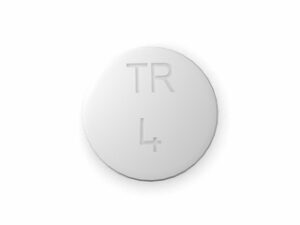


Bromocriptine (Bromocriptine) – Patient Information for the UK
Bromocriptine is a medicine used to treat several conditions related to hormone imbalance, particularly those involving prolactin and certain brain/hypothalamus–pituitary functions. It belongs to a group of medicines called dopamine agonists. In the UK, it is available in tablet form under different brand names depending on the manufacturer.
This guide is designed to be patient-friendly and helpful for understanding how bromocriptine works, how it is usually taken, and what to consider for safe use. Always follow the instructions given by your healthcare professional and read the medicine leaflet supplied with your product.
Quick overview
- Active ingredient: Bromocriptine
- Medicines group: Dopamine agonist
- Forms: Tablets (strengths vary by product)
- Common uses: Raised prolactin, some pituitary-related problems, Parkinson’s disease (in some regimens), and other specialist indications
- Typical dosing approach: Usually started at a low dose and increased gradually
- Key considerations: Drowsiness, blood pressure changes, and interactions with alcohol/other medicines
Basic product information
Bromocriptine works by stimulating dopamine receptors in the brain. Dopamine is a natural chemical messenger that influences many body functions, including hormone release from the pituitary gland.
In clinical practice, bromocriptine may be used for:
- Hyperprolactinaemia (high levels of prolactin)
- Prolactin-secreting pituitary tumours (prolactinomas)
- Conditions linked to abnormal prolactin such as menstrual disturbances, fertility difficulties, or galactorrhoea (breast milk discharge not associated with breastfeeding)
- Selected cases of Parkinson’s disease (depending on the regimen and product availability)
- Prevention or suppression of lactation in certain situations (use varies by local guidance and product)
Availability, specific strengths, and licensed indications may vary by product and manufacturer in the UK. Your pharmacist can confirm details for the exact brand you receive.
How bromocriptine works (mechanism of action)
Bromocriptine is a dopamine agonist. It mimics the effects of dopamine by binding to dopamine receptors. In the pituitary gland, dopamine normally helps regulate prolactin release. When dopamine signalling is increased, prolactin levels decrease.
Depending on the condition being treated, bromocriptine can:
- Lower prolactin in people with hyperprolactinaemia
- Reduce tumour-related effects caused by prolactin-secreting pituitary tissue
- Improve symptoms linked to prolactin excess (for example, irregular periods or lactation symptoms)
- Support motor symptom control in selected Parkinson’s disease regimens
Pharmacokinetics (how your body handles it)
Pharmacokinetics describes what the body does to a medicine—how it is absorbed, distributed, metabolised, and eliminated.
- Absorption: Bromocriptine is absorbed after oral dosing. The extent and speed can vary between individuals.
- Distribution: It distributes into body tissues and can cross into the brain due to its dopamine-agonist activity.
- Metabolism: Bromocriptine is extensively metabolised, mainly in the liver.
- Elimination: It is cleared from the body via metabolic pathways; metabolites are eliminated predominantly through the body’s normal clearance processes.
Because metabolism is mainly hepatic, liver function may be relevant to safe use. Your clinician may adjust dosing or monitor more closely if you have liver impairment.
Typical use and timing
The timing of bromocriptine depends on your condition and your individual plan. However, many people start with small doses and gradually increase to reduce side effects.
Common timing tips
- Follow your daily schedule consistently; do not “double up” if you miss a dose.
- For nausea or dizziness, taking it with food or at the evening can help in some cases.
- When starting: clinicians often advise taking doses with food and slowly increasing to improve tolerance.
How long until you notice effects?
- Prolactin-related symptoms: Some improvement may be seen within days to weeks, with further changes over longer periods.
- Pituitary tumour monitoring: Treatment response may be followed by periodic blood tests and/or scans.
- Parkinson’s symptoms: Effects may be noticed over days to weeks depending on dose adjustments.
Food interactions
Food can influence how bromocriptine is tolerated. While food may not always dramatically reduce the dose absorbed, it may help reduce gastrointestinal side effects (such as nausea).
- Take with food if you experience nausea, stomach upset, or dizziness—unless your healthcare professional advises otherwise.
- Consistency matters: try to take doses the same way each day (for example, always with meals).
If you are unsure about whether to take your specific bromocriptine product with food, ask your pharmacist.
Alcohol and medicine interactions
Alcohol
Alcohol can increase the likelihood of certain side effects, especially dizziness and drowsiness. It can also worsen low blood pressure symptoms in some people.
- Avoid or limit alcohol while starting treatment, and do not drive if you feel sleepy.
- If you notice light-headedness or unsteadiness after drinking, stop alcohol and speak to your pharmacist or clinician.
Other medicines
Bromocriptine may interact with other medicines, particularly those affecting dopamine pathways, blood pressure, or liver enzymes. Common interaction concerns include:
- Medicines that lower blood pressure or cause dehydration: may increase dizziness or fainting.
- Other medicines that affect the brain (for example, some sedatives): may add to drowsiness.
- Some antibiotics/antifungals and HIV medicines that influence liver enzyme activity: may increase or reduce bromocriptine levels.
- Antipsychotic medicines that block dopamine receptors: can reduce bromocriptine’s effect.
Tell your pharmacist or healthcare professional about all medicines you take, including over-the-counter products and herbal remedies.
Indications (when bromocriptine may be used)
Bromocriptine has several licensed and/or specialist uses. In the UK, the exact indication depends on the product and clinical situation. Typical indications include:
- Hyperprolactinaemia: raised prolactin levels, which may cause fertility and menstrual problems, or milk discharge unrelated to breastfeeding.
- Prolactin-secreting pituitary tumours (prolactinomas): reducing prolactin and shrinking tumour-related effects.
- Galactorrhoea: breast milk discharge not associated with normal breastfeeding.
- Suppression of lactation: in certain clinical scenarios (the appropriateness of use varies by guidance and product).
- Parkinson’s disease: as part of certain treatment plans (depending on availability and individual needs).
If you are using bromocriptine for a specific diagnosis, ask your clinician or pharmacist to explain the target symptom or test (for example, a prolactin blood level).
Dosing (general guidance)
Dosing must be individualised. The information below is general and not a substitute for your healthcare professional’s instructions. Always use the dose on your label.
Start low, go slow
Many patients begin with a low dose and then increase gradually to reduce side effects like nausea and dizziness. The titration schedule may differ by indication and product strength.
How to take bromocriptine tablets
- Swallow tablets whole with water.
- Do not change the dose without medical advice.
- Maintain timing: try to take doses at similar times each day.
- If you miss a dose: follow the instructions in your product leaflet or ask your pharmacist. In general, do not take a double dose.
Example dosing schedule (illustrative only)
Because products and indications differ, the exact schedule must be personalised. An “increase gradually” approach may look like this:
- Days 1–3: take a low starting dose once or twice daily (as instructed)
- Days 4–7: increase to a slightly higher dose if tolerated
- Following weeks: adjust according to symptoms and blood test results (e.g., prolactin)
Your clinician may also adjust dosing based on side effects, response, and lab results.
Safety profile and side effects
Like all medicines, bromocriptine can cause side effects. Many are most common during the first days or weeks as the body adjusts. Not everyone experiences them. Seek medical advice if you have severe or persistent symptoms.
Common side effects
- Nausea or indigestion
- Dizziness or light-headedness
- Headache
- Sleepiness or fatigue
- Low blood pressure (particularly when standing up)
- Constipation or stomach discomfort
Less common but important risks
- Fainting or significant dizziness—especially after dose increases.
- Behavioural changes such as unusual urges (rare, but important to monitor).
- Hallucinations or confusion (more relevant for some people, especially older adults or those with other conditions).
- Impulse control disorders: new gambling urges, increased libido, or compulsive spending can occur. Report these promptly.
- Valvular heart disease risk has been discussed with dopamine agonists; your clinician may advise monitoring depending on your situation.
- Pleural/pericardial changes have been reported rarely with dopamine agonists; report unusual breathlessness or chest discomfort.
Seek urgent help if you experience
- Severe allergic-type reactions (swelling of face/lips, rash with breathing difficulty)
- Chest pain, severe shortness of breath, or collapse
- Severe fainting, persistent vomiting, or signs of dehydration
- Confusion, severe agitation, or troubling hallucinations
Practical use tips (for day-to-day success)
- Be cautious when standing: dizziness can occur. Stand up slowly, particularly when first starting or after dose increases.
- Plan for sleepiness: if you feel drowsy, avoid driving or operating machinery until you know how you react.
- Take with food if needed: nausea is often easier to manage with meals.
- Track your symptoms: keep notes on side effects and how your main symptom is changing (e.g., prolactin results or menstruation symptoms).
- Use a consistent routine: take doses at similar times each day.
- Do not stop suddenly: sudden changes can lead to symptoms returning or worsening. Talk to your clinician before stopping.
If you miss a dose
Follow the patient instructions in the leaflet for your specific brand. In general, if you remember soon after the scheduled time, you can take it; otherwise, wait for the next dose. Do not take extra tablets to “catch up” unless advised.
Alternative options
Bromocriptine is not the only treatment for high prolactin or prolactin-secreting tumours. Depending on the diagnosis, you may be offered other dopamine agonists or alternative therapies.
Common alternatives (depending on condition)
- Cabergoline (often used for hyperprolactinaemia/prolactinomas; dosing frequency may differ)
- Quinagolide (available in some markets for certain prolactin-related conditions)
- Medication review: if high prolactin is caused by another medicine (for example, some antipsychotics), adjusting that medicine may help under medical supervision
- Surgery or radiotherapy may be considered in selected tumour cases (specialist decision)
Your healthcare professional will choose the most suitable option based on your prolactin levels, tumour size, symptom severity, and side-effect tolerance.
UK market and legal context (overview)
Bromocriptine is an established medicine used in the UK under relevant regulatory frameworks. Availability of specific brands and strengths can vary. Your online pharmacy listing may show one or more formulations depending on current stock and supplier.
In the UK, medicines are supplied under strict quality and safety standards. Your pharmacist may:
- Check suitability and potential interactions based on the medicines you tell them you use
- Advise on correct dosing timing and side-effect monitoring
- Provide the patient leaflet and support on how to take the medicine safely
If your treatment plan requires ongoing medical review, your clinician may schedule blood tests (e.g., prolactin) and other monitoring. Follow-up is an important part of safe long-term management.
Recent guidance and monitoring considerations
Guidance for prolactin-related conditions and Parkinson’s disease can evolve with new evidence and regulatory updates. While the core role of dopamine agonists remains, clinicians commonly focus on:
- Monitoring prolactin levels and symptom improvement for effective control.
- Assessing tolerability (nausea, dizziness, sleepiness) and adjusting dose accordingly.
- Reviewing cardiac risk for people on long-term dopamine agonists where relevant, particularly if symptoms suggest heart valve issues.
- Checking for impulse control-related changes and neuropsychiatric symptoms.
Your pharmacist can support you in understanding what monitoring is expected for your specific condition and how often you should attend appointments.
Delivery and availability (UK)
Availability of bromocriptine tablets may vary depending on brand, strength, and supplier stock levels. In the UK, reputable online pharmacies aim to maintain safe supply while complying with relevant regulations.
What to expect
- Stock checks: your order may be delayed if the specific strength/brand is temporarily unavailable.
- Packaging: tablets are supplied in their original packaging with a patient information leaflet.
- Delivery times: delivery estimates depend on the courier service and your location in the UK.
If you need a specific strength or brand, it can help to order early and confirm that the item you select matches the dose on your label. If you have any doubt, contact customer support or speak to your pharmacist.
FAQ
1) What is bromocriptine used for?
Bromocriptine is used for conditions where lowering dopamine or increasing dopamine signalling is beneficial, most notably high prolactin levels, prolactin-related symptoms, and selected pituitary-related conditions. It may also be used in some Parkinson’s disease regimens and other specialist indications depending on product licensing and clinical circumstances.
2) How does bromocriptine lower prolactin?
Bromocriptine stimulates dopamine receptors in the brain and pituitary gland. Dopamine normally suppresses prolactin release, so increasing dopamine signalling typically lowers prolactin levels.
3) When should I take bromocriptine—morning or evening?
It depends on your prescribed schedule. Many people start at a low dose and adjust timing for comfort. If you feel nauseous or dizzy, taking bromocriptine with food or in the evening may help. Follow your label instructions and ask your pharmacist if you are unsure.
4) Can I take bromocriptine with food?
Food may help reduce gastrointestinal side effects. If your clinician has not told you otherwise, taking it with meals is often tolerated better—especially during the early phase of treatment.
5) Is it safe to drink alcohol?
Alcohol may increase drowsiness and dizziness and can worsen low blood pressure symptoms. It is best to avoid or limit alcohol, especially during the first days or when you feel sleepy or light-headed.
6) What are the most important side effects to watch for?
Common issues include nausea, dizziness, headache, fatigue, and possible low blood pressure. Important rarer risks include behavioural changes/impulse control issues, hallucinations, and severe cardiovascular or respiratory symptoms. Seek urgent medical help if you feel seriously unwell.
7) What should I do if I feel very dizzy after taking it?
Stop what you’re doing and sit or lie down to prevent falls. Stand slowly when you feel better. Contact your pharmacist or clinician promptly, particularly if dizziness is severe or fainting occurs. Your dose may need adjustment.
8) Can bromocriptine interact with other medicines?
Yes. Bromocriptine can interact with medicines that affect dopamine pathways, blood pressure, sedation, and liver metabolism. Tell your pharmacist about all medicines and supplements you take.
9) What if I miss a dose?
Refer to the patient leaflet for your specific product. Generally, do not take a double dose to make up for a missed tablet. If you are unsure, ask your pharmacist.
10) What are the alternatives if bromocriptine doesn’t suit me?
Depending on your diagnosis, alternatives may include other dopamine agonists (such as cabergoline or quinagolide where appropriate), or other approaches like medication review or specialist procedures for selected tumour cases.
Important note
This information is intended to support understanding and safe use. It does not replace advice from a healthcare professional. If you have concerns about side effects, interactions, or suitability, contact your pharmacist or clinician for guidance specific to your circumstances.