
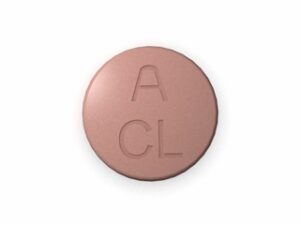

Avapro (Irbesartan) – Patient-Friendly Guide
Avapro is the brand name for irbesartan, a medicine used to treat conditions related to high blood pressure and to protect the kidneys in certain patients. This guide explains what Avapro is, how it works, how it’s usually taken, key safety information, and practical tips for everyday use in the United Kingdom.
Important: This information is for general understanding. Individual treatment depends on your medical history, kidney function, and other medicines you may take.
1) Basic product information
| Item | Details |
|---|---|
| Generic name | Irbesartan |
| Brand name | Avapro |
| Medicine group | Angiotensin II receptor blocker (ARB) |
| Main uses | High blood pressure; kidney protection in some people with diabetes and protein in the urine |
| How it’s taken | By mouth, usually once daily |
| Common strength forms | Tablets (strengths vary by product presentation) |
| Typical onset | Blood pressure lowering begins within days; full effect may take several weeks |
2) What Avapro is used for (indications)
Avapro (irbesartan) is used to:
- Treat high blood pressure (hypertension): helping to reduce blood pressure and lower cardiovascular risk.
- Protect the kidneys in certain people with type 2 diabetes: particularly when there is evidence of kidney damage such as protein (albumin) in the urine.
Your clinician may choose Avapro based on your overall risk profile, kidney status, and whether you’re taking other treatments such as diabetes medicines or blood pressure combinations.
3) How Avapro works (mechanism of action)
Avapro belongs to a group of medicines called ARBs (Angiotensin II receptor blockers). In the body, angiotensin II is a substance that helps control blood vessel tone and salt/water balance. It can cause blood vessels to narrow and can contribute to higher blood pressure and stress on the heart and kidneys.
Irbesartan blocks the AT1 receptors that angiotensin II would normally act on. This helps:
- Relax blood vessels → lowers blood pressure.
- Reduce strain on the kidneys → helpful in diabetic kidney protection in appropriate patients.
- Support healthier blood flow through kidney filtration structures over time.
4) Pharmacokinetics (how the body handles irbesartan)
Pharmacokinetics explains absorption, distribution, metabolism, and elimination. In simple terms: how quickly the drug starts working, how long it stays in the body, and how it’s removed.
Absorption
After taking by mouth, irbesartan is absorbed and becomes available in the bloodstream. Peak concentrations typically occur within a few hours.
Distribution
Irbesartan binds to proteins in the blood to a moderate extent, helping it circulate effectively.
Metabolism
The liver plays a role in processing irbesartan. A key route involves metabolism by liver enzymes. This is one reason it’s important to tell your healthcare team about liver problems or unusual side effects.
Elimination
Irbesartan and its metabolites are removed from the body mainly through bile/feces, with a smaller portion through urine. The medicine has a duration of action that supports once-daily dosing for blood pressure control.
Kidney impairment: In general, dosing adjustments may depend on kidney function, potassium levels, and overall clinical judgement. Your blood tests help guide safe use.
5) When and how to take Avapro (timing and dosing)
Avapro is typically taken once daily, at a time of day that suits you. Many people choose the same time each day to make it easier to remember.
Typical starting and maintenance dosing
The exact dose for you depends on why you’re taking Avapro, your kidney function, blood pressure response, and whether other medicines are being used.
- High blood pressure: dosing is individual; clinicians often start at a standard starting dose and adjust based on blood pressure readings.
- Kidney protection in type 2 diabetes with protein in urine: a commonly used daily dose is based on clinical guidance and patient response.
Do not change your dose without medical advice. If your blood pressure is too low, if you experience dizziness, or if blood tests show high potassium, dose adjustments may be necessary.
Timing
- Once daily: take at the same time each day when possible.
- Missed dose: if you remember later the same day, take it when you remember. If it’s almost time for the next dose, skip the missed dose and continue your normal schedule.
- Never double up: doubling can increase risk of low blood pressure or changes in kidney function.
How to take
- Swallow tablets with water.
- You can take Avapro with or without food (see food interactions below).
- Keep a steady routine and monitor your blood pressure as advised.
6) Food interactions (what to know)
Avapro (irbesartan) can generally be taken with or without food. Food does not typically cause clinically important changes that require special timing.
However, to support safe treatment:
- Maintain a consistent daily routine.
- Follow advice about salt intake if you’ve been recommended a low-salt diet.
- Be cautious with supplements that can affect potassium levels (especially salt substitutes containing potassium).
7) Alcohol and medicine interactions
Alcohol
Alcohol may increase the chance of side effects such as dizziness or lightheadedness, particularly when starting treatment or when doses are increased. If you drink alcohol, consider:
- Using moderation.
- Taking Avapro consistently at the same time.
- Avoiding alcohol if you notice symptoms of low blood pressure.
Medicine interactions – important examples
Some medicines can affect how Avapro works or can increase risks such as kidney strain or raised potassium. Always tell your pharmacist or healthcare team about all medicines, including over-the-counter products and herbal remedies.
- Potassium supplements and potassium-containing salt substitutes: may raise potassium levels (hyperkalaemia).
- Other blood pressure medicines (especially combinations): may further lower blood pressure. This may be intended, but it can also cause symptoms if too strong.
- Diuretics (water tablets): some types increase the risk of dehydration or kidney changes, particularly during illness (vomiting/diarrhoea).
- Non-steroidal anti-inflammatory drugs (NSAIDs) such as ibuprofen and naproxen (regular or high-dose use): may reduce kidney protection and affect kidney function, especially in people who are older or dehydrated.
- Medicines that affect the renin-angiotensin system (for example, direct renin inhibitors or other ARBs/ACE inhibitors): using multiple agents together can increase risk of low blood pressure, kidney impairment, and high potassium.
Practical tip: If you develop an illness that causes dehydration (e.g., gastroenteritis), contact your clinician for advice. Some people are advised to temporarily pause certain blood pressure medicines during acute dehydration—follow local guidance from your healthcare team.
8) Safety profile and side effects
Most people tolerate Avapro well. Like all medicines, it can cause side effects. Some are mild and settle, while others require prompt medical attention.
Common side effects
- Dizziness or feeling lightheaded
- Fatigue
- Headache
- Occasional stomach discomfort
Less common but important side effects
- High potassium levels (hyperkalaemia): may not cause symptoms, but can be detected on blood tests
- Kidney function changes: monitored by blood tests (creatinine/eGFR)
- Low blood pressure (especially after first dose or dose increase)
Seek urgent medical help if you experience
- Swelling of the face, lips, tongue, or throat, or difficulty breathing (possible allergy/angioedema)
- Fainting, severe dizziness, or symptoms of very low blood pressure
- Severe or persistent vomiting/diarrhoea, inability to keep fluids down
- Signs of significant kidney problems, such as marked reduction in urine output (in context)
Monitoring
Your clinician may check:
- Blood pressure (home readings and/or clinic measurements)
- Kidney function (creatinine, eGFR)
- Potassium levels
Who should use caution?
- People with kidney disease or reduced kidney function
- People with high potassium or at risk of it
- People with dehydration (for example, after heavy vomiting/diarrhoea)
- Older adults, who may be more sensitive to blood pressure changes
Pregnancy: Medicines in the ARB class are generally not recommended during pregnancy. If you could become pregnant, discuss options with your healthcare team.
9) Practical use tips for everyday success
- Set a daily routine: linking your tablet to a regular activity helps prevent missed doses.
- Monitor your blood pressure: if you’ve been advised, record readings and bring them to appointments.
- Stay hydrated: especially during hot weather or when you’re unwell.
- Be cautious with salt substitutes: many contain potassium—ask your pharmacist if unsure.
- Avoid frequent high-dose NSAIDs: check with a pharmacist for safer pain relief options.
- Keep a medication list: include over-the-counter products and supplements so clinicians can check interactions quickly.
10) Alternative options (if Avapro isn’t suitable)
Treatment for high blood pressure and diabetic kidney protection can involve different medicine classes. Your clinician will consider your condition and blood test results when choosing alternatives.
Possible alternatives include
- ACE inhibitors (another type of blood pressure/kidney-protecting medicine)
- Other ARBs with similar goals (your clinician can switch if appropriate)
- Calcium channel blockers
- Thiazide-like diuretics
- Beta-blockers (in selected patients, depending on overall cardiovascular needs)
If you’re switching due to side effects or blood test changes, dosing and timing will be individual. Never swap medicines without professional guidance.
11) UK market & legal context (what this means for patients)
In the United Kingdom, medicines such as irbesartan are supplied through regulated healthcare channels. Product availability, brand presentation, and prescribing practices are influenced by:
- UK medicine regulations (marketing authorisation for use and safety monitoring)
- National guidance for blood pressure and diabetes-related kidney protection
- Local prescribing policies and individual clinical assessment
If you’re purchasing medication online, it’s important to use a reputable UK-registered pharmacy or service that follows legal requirements for supply and patient safety.
12) Recent guidance and safety updates (high-level)
Guidance for ARB use commonly emphasises:
- Blood pressure targets tailored to age and risk profile
- Monitoring kidney function and potassium after starting or increasing doses
- Avoiding or carefully reviewing combination therapy that increases risk of hyperkalaemia or kidney impairment
- Care during acute illness where dehydration can increase the risk of kidney complications
Clinicians also commonly reinforce “sick day” education—what to do if you vomit, have severe diarrhoea, or cannot maintain fluid intake. Always follow advice provided by your healthcare team.
13) Delivery, availability, and what to expect (UK online pharmacy)
Availability can vary by manufacturer batch, tablet strength, and demand. When ordering through a reputable online pharmacy in the UK, you can generally expect:
- Clear product listing: strength and pack size shown before you confirm.
- Ordering options: standard and sometimes expedited delivery depending on location.
- Packaging: medicines supplied in appropriate, tamper-evident packaging.
- Tracking: some providers include delivery updates.
If you need your medicine urgently, check the delivery estimates at checkout or contact support to confirm stock status.
14) FAQ – Frequently asked questions
How quickly does Avapro lower blood pressure?
Many people notice blood pressure lowering within days. Full benefit may take several weeks as your body adjusts and as dose adjustments are made (if needed).
Can I take Avapro with food?
Yes. Avapro can usually be taken with or without food. Choose a routine that helps you remember to take it consistently.
What should I do if I miss a dose?
Take it when you remember on the same day. If it’s near the time of the next dose, skip the missed one. Do not take a double dose to make up for it.
Will Avapro affect my kidneys?
Irbesartan can change kidney-related blood test values in some people, which is why monitoring is important. These changes may be manageable and expected—your clinician will decide if dose adjustments are needed.
Can I take painkillers like ibuprofen while on Avapro?
Occasional use may be acceptable for some patients, but regular or high-dose NSAID use can increase kidney strain and reduce the effect of blood pressure medicines in certain circumstances. Ask a pharmacist for guidance on the safest option for you.
What are the signs of high potassium (hyperkalaemia)?
High potassium often has no symptoms, which is why blood tests are important. If you feel unusual weakness, tingling, or heart rhythm symptoms, seek urgent medical advice.
Is Avapro safe with alcohol?
Moderate alcohol is usually possible, but alcohol can worsen dizziness or low blood pressure symptoms. Use caution, particularly when starting or adjusting your dose.
Can I take Avapro if I’m dehydrated or unwell?
Dehydration can increase the risk of kidney problems and low blood pressure. If you’re vomiting or have severe diarrhoea, contact your healthcare team promptly for advice. Follow local “sick day” guidance.
Are there alternatives if I cannot tolerate irbesartan?
Yes. Other medicines for blood pressure and kidney protection may be suitable depending on your medical situation. Discuss options with your clinician or pharmacist.
What if my blood pressure readings are still high?
Do not change the dose yourself. Bring your readings to your next appointment. Adjustments may include lifestyle measures, dose changes, or adding another medicine.
How should Avapro be stored?
Store tablets as directed on the packaging: typically at room temperature, away from excessive heat and moisture. Keep out of sight and reach of children.
Summary: Avapro (irbesartan) is an ARB medicine used for high blood pressure and, for some people with type 2 diabetes, kidney protection. It works by blocking angiotensin II effects on blood vessels and kidneys. To use it safely, take it consistently, monitor blood pressure, and attend blood tests for kidney function and potassium—especially after starting or changing dose.