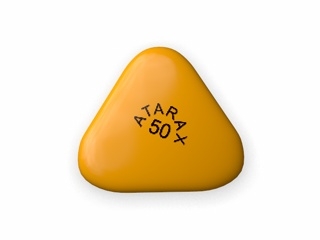
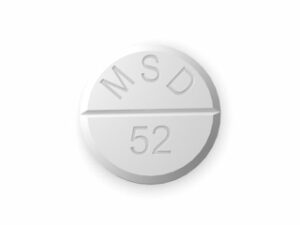
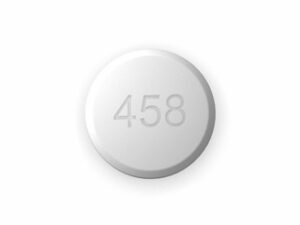
Atarax (Hydroxyzine) – Patient Information (UK)
Atarax contains hydroxyzine, an antihistamine medicine used for certain allergy-related symptoms and for short-term relief of anxiety and tension. This guide explains how Atarax works, how it is taken, and what to expect in everyday use. It is written for patients in the United Kingdom and focuses on practical, patient-friendly information.
Quick overview
- Active ingredient: Hydroxyzine
- Medicine type: Antihistamine (H1 receptor antagonist) with calming/anti-anxiety effects
- Common strengths: Available in different formulations (follow your specific product pack)
- Typical uses: Allergic symptoms (e.g., itching) and anxiety/tension (short-term)
- Key practical point: May cause drowsiness—avoid alcohol and be cautious with driving
What Atarax is and how it works
Basic product information
- Brand name: Atarax
- Generic name: Hydroxyzine
- ATC (classification): Antihistamine for systemic use
- Common effects: Reduces allergy symptoms, helps with itch, and can reduce feelings of anxiety
Mechanism of action (how it helps)
Hydroxyzine works mainly by blocking histamine H1 receptors, which are involved in allergy symptoms such as itching, redness, and swelling. By reducing histamine activity, Atarax can help relieve symptoms of allergic reactions.
Hydroxyzine also affects the brain’s signalling pathways that can contribute to calming and sedation. This is why Atarax may be used when anxiety or tension is present, particularly for short-term support.
Pharmacokinetics (what the body does with it)
“Pharmacokinetics” describes absorption, distribution, metabolism, and excretion. The key practical points for patients are:
- Onset of action: Many people feel effects within about 1 hour after taking a dose (timing varies by person and formulation).
- Duration: Effects may last for several hours; some people experience residual drowsiness into the next day.
- Metabolism: Hydroxyzine is processed mainly in the liver.
- Elimination: Metabolites are removed from the body primarily via the kidneys.
If you have liver or kidney problems, your prescriber may adjust the dose and may choose a cautious approach to reduce side effects.
What Atarax is used for in the UK
Typical indications
Atarax (hydroxyzine) is used for:
- Allergic conditions causing itching (pruritus) and other histamine-related symptoms.
- Short-term relief of anxiety and tension, where a sedating antihistamine effect is helpful.
- Support in certain situations where calming and sleepiness may be desirable (your clinician will advise if appropriate).
Important: Atarax is not a cure for all causes of itching or anxiety. If symptoms persist or worsen, medical advice is needed to identify the underlying cause.
How and when to take Atarax
Timing
Because Atarax can cause drowsiness, the timing of your dose often depends on your situation:
- For itch: It may be taken to help relieve itching during the day or evening—follow your specific instructions.
- For anxiety/tension: Many people take it at times when calm and relaxation are most needed, often in the evening.
- For sleep-related symptoms: A dose given later in the day may help you feel more comfortable, but morning grogginess can occur.
Practical dosing guidance (general)
Always follow the dosing instructions provided with your medicine or by your healthcare professional. Doses can vary by age, indication, and individual health factors.
Below is general guidance for adults. Your pack or clinician may specify different amounts:
| Situation | Typical adult approach (general) | Notes |
|---|---|---|
| Allergy/itch | Small to moderate doses taken as directed | May be used short-term during flare-ups. |
| Anxiety/tension (short-term) | Often taken in the evening or when needed | May cause sedation—avoid driving until you know how you respond. |
| Older adults | Lower doses may be used | Older people may be more sensitive to drowsiness and other side effects. |
| People with liver/kidney problems | Dose adjustments may be considered | Discuss with your clinician for safer use. |
Children: Hydroxyzine use in children must be handled carefully and dosing should be based on age/weight and a clinician’s advice. Always use the correct strength and measuring device if a liquid formulation is supplied.
Food interactions: can you take it with meals?
Atarax can generally be taken with or without food. However:
- Fatigue/drowsiness: Taking it with a meal may reduce stomach discomfort for some people, but it does not remove the risk of drowsiness.
- Keep consistent: If you notice that meals change how sleepy you feel, try to keep your dosing routine consistent.
If you experience nausea, take it with food and speak to a healthcare professional if symptoms persist.
Alcohol and medicine interactions
Alcohol
Do not drink alcohol while taking Atarax unless your healthcare professional has specifically advised otherwise. Alcohol can:
- Increase sedation and impair judgement
- Increase risk of accidents (falls, driving incidents)
- Worsen dizziness and confusion
Other medicines that may interact
Hydroxyzine can increase sedation when combined with other medicines that affect the brain or breathing. Tell a healthcare professional or pharmacist about all medicines you take, including over-the-counter products and herbal supplements.
Extra caution is needed when Atarax is taken with:
- Other sedatives (e.g., benzodiazepines, strong sleeping tablets)
- Opioid painkillers (e.g., morphine, oxycodone, codeine) — risk of severe drowsiness and breathing problems
- Some antidepressants and antipsychotics
- Medicines that affect heart rhythm (certain antiarrhythmics and some other drugs known to affect the QT interval)
- Anticholinergic medicines (can increase dry mouth, constipation, and confusion)
- Medicines that impair liver metabolism may increase hydroxyzine levels
Driving and operating machinery
Hydroxyzine may cause sleepiness, slowed reaction time, and dizziness. In the UK, you should:
- Avoid driving if you feel drowsy or your reaction time is affected.
- Use machinery only if you are confident you are fully alert.
- Be especially cautious during the first few doses until you learn how you personally respond.
Safety profile and side effects
Common side effects
Many side effects are related to the medicine’s sedating and antihistamine effects. Common side effects may include:
- Drowsiness / feeling tired
- Dizziness
- Dry mouth
- Headache
- Constipation or reduced bowel movement
- Nausea
Less common but important effects
- Confusion (more likely in older adults)
- Urinary retention (difficulty passing urine), particularly in people with prostate enlargement
- Blurred vision
- Palpitations or changes in heart rhythm (rare, but important)
When to seek urgent advice
Seek urgent medical help if you have:
- Signs of an allergic reaction (swelling of the face/lips, difficulty breathing, severe rash)
- Fainting, severe dizziness, or a very fast/irregular heartbeat
- Severe drowsiness or trouble breathing (especially if other sedating medicines or opioids are involved)
Safety notes for specific groups
- Older adults: Greater sensitivity to sedation and confusion; dose adjustments may be needed.
- People with glaucoma (narrow-angle) or urinary retention: antihistamines may worsen symptoms.
- People with heart conditions or electrolyte imbalance (e.g., low potassium/magnesium): extra caution is recommended because of potential effects on heart rhythm.
- Liver impairment: may increase exposure and side effects.
Practical use tips (getting the best and safest results)
- Start low and assess: If you’re new to hydroxyzine, take note of how quickly it makes you drowsy.
- Plan your day: Avoid activities requiring full alertness (driving, cycling on busy roads, operating equipment) until you know your response.
- Hydrate your mouth: Dry mouth is common—sip water, consider sugar-free sweets, and maintain good oral hygiene.
- Manage constipation risk: Drink fluids, eat fibre, and stay active if possible.
- Don’t stack sedatives: Avoid combining with alcohol, sleeping tablets, or other sedating antihistamines unless advised.
- If symptoms persist: Itching and anxiety may have underlying causes—seek advice if they don’t improve or keep returning.
Alternative options (depending on your need)
Alternatives vary widely by whether you are using Atarax for itching/allergies or for anxiety/tension. A pharmacist or clinician can recommend options based on your symptoms and medical history.
For allergy and itch
- Non-sedating antihistamines (e.g., cetirizine, loratadine, fexofenadine—depending on the specific product and your tolerance)
- Topical treatments (e.g., hydrocortisone cream for mild inflammatory itch, or soothing emollients)
- For specific allergy conditions, clinicians may advise targeted approaches (e.g., treating allergic rhinitis or eczema flares)
For anxiety or tension
- Non-medicinal approaches (breathing techniques, sleep routine, counselling strategies)
- Other short-term calming options depending on your history and risk factors (your healthcare professional will guide you)
- Long-term anxiety management may require different medications or psychological support if symptoms continue
Note: Choosing an alternative depends on your symptoms and other medicines you take, especially regarding sedation and heart rhythm considerations.
UK medicine and legal context (what to expect)
Hydroxyzine-containing products are regulated medicines in the UK. Availability in pharmacies and whether you can obtain it directly depends on the specific product, strength, formulation, and the legal supply category in place at the time.
- Pharmacy supply: Many medicines are supplied after a brief patient check for safety and appropriateness.
- Information checks: UK pharmacies may ask about other medicines, allergies, age, pregnancy/breastfeeding status, and medical history.
- Ongoing guidance: UK healthcare policies and regulator updates can affect how certain medicines are used, particularly in relation to safety concerns.
If you’re buying online, reputable UK pharmacy services will typically provide product details, instructions, and safety screening steps to support safe use.
Recent guidance and safety emphasis (high-level)
Over recent years, safety communication has focused on:
- Cardiac safety: The potential for some antihistamines, including hydroxyzine, to contribute to heart rhythm changes in susceptible people. This has led to emphasis on appropriate selection and caution with interacting medicines.
- Older adults and frailty: Increased awareness of sedation-related risks such as falls, confusion, and impaired mobility.
- Limiting unnecessary long-term use: Many sedating medicines are most appropriate for short-term or symptom-directed use.
Because guidance can evolve, always rely on the latest advice from your healthcare professional and the patient information leaflet supplied with your product.
Delivery and availability in the UK
Atarax (hydroxyzine) availability online can vary depending on stock, formulation, and legal supply requirements. Many UK pharmacies can deliver medicines to eligible postcodes within the UK.
Typical delivery expectations
- Processing time: Orders are usually processed quickly during opening hours.
- Delivery times: Commonly next-day or within a few days depending on the service selected.
- Packaging: Medicines are typically dispatched in secure packaging to protect them during transit.
- Age and identity checks: If required for a particular product type, the pharmacy may use verification steps.
For the most accurate delivery details, check the delivery information shown at checkout on the pharmacy website you choose.
Frequently Asked Questions (FAQ)
1) How quickly will Atarax start working?
Many people notice effects within about 1 hour. The exact timing varies depending on the formulation, your dose, and individual metabolism.
2) Will Atarax make me sleepy?
Possibly. Drowsiness is one of the most common effects. Avoid driving, alcohol, and other sedating medicines until you know how it affects you.
3) Can I take Atarax during the day?
Some people take it during the day, especially for itch. However, it may impair alertness. If you need to stay fully focused, consider discussing options that are less sedating.
4) Can I drink alcohol while taking Atarax?
No. Alcohol can significantly increase sedation and raise the risk of dangerous side effects.
5) Can I take Atarax with other antihistamines?
Combining antihistamines can increase side effects such as sleepiness and dry mouth. Do not combine unless a clinician or pharmacist has advised it.
6) What if I miss a dose?
If you miss a dose, take it when you remember only if it is still appropriate to your schedule. If it’s close to the time of your next dose, skip the missed dose and resume your usual timing. Do not double up.
7) Is Atarax safe for children?
Hydroxyzine may be used in children only when appropriate and with careful dosing and monitoring. Always follow the dosing instructions provided for the child’s age and weight and seek professional advice if you are unsure.
8) Are there any warning signs I should watch for?
Seek urgent help for severe allergic reactions, fainting, severe dizziness, trouble breathing, or significant palpitations. If you develop troubling confusion or inability to pass urine, contact a healthcare professional promptly.
9) Can I take Atarax if I’m pregnant or breastfeeding?
If you are pregnant, trying to conceive, or breastfeeding, discuss Atarax with a healthcare professional. They will weigh potential benefits and risks for your specific situation.
10) What are the best alternatives if I feel too drowsy?
Options depend on why you’re taking it. For allergies/itch, non-sedating antihistamines may be considered. For anxiety, non-drug strategies and other therapies may be more appropriate depending on severity and duration of symptoms.
Remember: This information is a general guide to help you understand Atarax (hydroxyzine). Always read the patient information leaflet included with your medicine and follow the advice provided by a qualified healthcare professional or pharmacist.