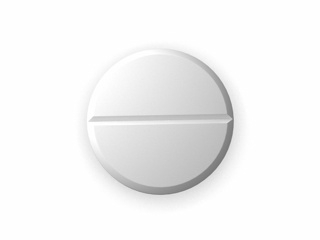

Fexofenadine (UK) – Non-Drowsy Allergy Relief
Fexofenadine is an antihistamine used to help relieve symptoms of allergies. It is commonly chosen for hay fever and other allergic conditions because it is designed to cause minimal drowsiness for many people. This guide explains how fexofenadine works, how to take it, what to expect, and important safety and interaction information—tailored for the United Kingdom.
Basic product information
| Item | Details |
|---|---|
| Generic name | Fexofenadine |
| Common brand examples | May vary by supplier (products often marketed as fexofenadine) |
| Medicine type | Antihistamine (second-generation) |
| Usual form | Tablets or oral formulations (strengths vary by product) |
| Typical strengths | Commonly 120 mg or 180 mg tablets (check your specific pack) |
| Availability in the UK | Often available to buy from pharmacies; suitability depends on age and product strength |
Note: Always follow the instructions on your specific pack and consult a pharmacist if you are unsure which dose is appropriate for you.
How fexofenadine works (mechanism of action)
When you are exposed to allergens (such as pollen, dust mites, or animal dander), your body releases histamine. Histamine binds to H1 receptors and contributes to allergy symptoms like:
- sneezing
- runny or blocked nose
- itchy/watery eyes
- itching and hives (urticaria)
Fexofenadine blocks these H1 receptors. By reducing the effects of histamine, it helps control symptoms and can improve comfort during allergy seasons.
Why it may feel “less drowsy”: As a second-generation antihistamine, fexofenadine is designed to have a lower tendency to cross into the brain compared with older antihistamines—though individual reactions can still vary.
Pharmacokinetics (how the body handles it)
Pharmacokinetics describes how the medicine is absorbed, processed and eliminated.
- Absorption: Fexofenadine is absorbed from the gut after taking a dose.
- Food effects: Certain foods and drinks (especially fruit juices) can reduce absorption and therefore effectiveness.
- Distribution: It circulates in the bloodstream and binds in a way typical for antihistamines.
- Metabolism: Fexofenadine undergoes limited metabolism.
- Elimination: It is removed from the body primarily via bile and urine pathways. Kidney function can influence clearance.
Practical takeaway: For best results, take fexofenadine with water as directed and avoid fruit juices that can interfere with absorption.
Typical uses (what it’s prescribed for)
Fexofenadine is used to treat allergy-related symptoms, including:
- Hay fever (allergic rhinitis) – such as sneezing, runny nose, nasal congestion, and itchy/watery eyes
- Urticaria (hives) – including chronic idiopathic urticaria, where appropriate
It may help both daytime and night-time symptoms, enabling better comfort and sleep for many people—while still being non-sedating for most.
When to take it (timing and how long it takes)
For hay fever, fexofenadine can be taken daily during allergy seasons or when symptoms are expected. Some people start before symptoms become severe.
For hives, it is typically taken regularly as symptoms flare up, often with ongoing use if recommended.
- Onset: Many people notice improvement within the first day; full symptom control may take a little longer depending on the cause and severity.
- How often: This depends on the strength you choose (commonly once daily for many adult products). Check your pack for exact instructions.
- Consistency: If your symptoms are recurring (e.g., seasonal hay fever), taking it around the same time each day helps maintain steady control.
Tip: If you forget a dose, take it when you remember unless it is close to the time for your next dose. Do not take a double dose to make up for a missed tablet.
Food interactions (especially fruit juices)
Food can affect how much fexofenadine is absorbed. The most important dietary interaction involves fruit juice.
- Fruit juices (e.g., orange, grapefruit, apple, and others) may reduce the absorption of fexofenadine.
- Water is the recommended drink when taking the medicine.
- General meals: Many people can take fexofenadine with or without food, but to avoid reduced absorption, follow your specific product guidance.
Practical advice:
- Take your dose with water.
- Avoid taking it at the same time as fruit juice.
- If you regularly drink juice, consider spacing it from your tablet by a few hours (ask your pharmacist for personalised advice based on your product label).
Alcohol interactions
Fexofenadine is generally considered less likely to cause drowsiness than older antihistamines, so alcohol may have less impact for some people. However, alcohol can still affect alertness and can worsen side effects in susceptible individuals.
- Recommended: If you feel even mildly sleepy, avoid drinking alcohol.
- Driving and machinery: Use caution until you know how you personally react to the medicine.
If you are unsure: Speak to a pharmacist, especially if you take other medications that may cause sedation.
Medicine interactions (other medicines and supplements)
Some medicines can reduce fexofenadine absorption or increase side effects. Pay particular attention to:
- Antacids and stomach medicines: Certain antacids containing aluminium or magnesium may reduce absorption. If you use these, separate them from fexofenadine by several hours as advised by your pharmacist.
- Other antihistamines: Avoid taking multiple antihistamines at the same time unless directed, to reduce the risk of side effects.
- Kidney disease: If you have reduced kidney function, your pharmacist may advise a different approach.
- Other medicines: Tell your pharmacist about everything you take, including herbal products and supplements.
Important: If you’re taking regular medication, or you have a long-term health condition, it’s worth checking potential interactions before starting fexofenadine.
Indications (what symptoms it treats)
Fexofenadine is indicated for:
- Allergic rhinitis (hay fever) – to relieve symptoms such as sneezing, itching, runny or blocked nose, and eye symptoms associated with allergies.
- Urticaria – to relieve symptoms of hives (itching and raised welts), including chronic forms when appropriate.
It treats allergy symptoms by blocking histamine receptor activity; it does not “cure” the allergy but can provide effective relief while exposure continues.
Dosing (general guidance for the UK)
Dose depends on the indication, age, and the strength of your product. Always refer to your pack for the most accurate instructions.
Adults and adolescents
Common adult dosing schedules for fexofenadine products include:
- 120 mg once daily for hay fever (for some products/pack sizes)
- 180 mg once daily for hay fever or according to pack instructions
- Urticaria dosing may use similar once-daily regimens depending on the product strength
Children
Child dosing depends on age and the formulation available. Some fexofenadine products are only suitable for certain age groups.
- Check the pack: Use only the product strength and age indication stated.
- Ask a pharmacist: If you are buying for a child, get guidance to ensure the correct age-appropriate formulation.
Do not exceed the recommended dose. If symptoms persist or worsen despite use, seek advice from a pharmacist or healthcare professional.
Safety profile (side effects and when to get help)
Most people can take fexofenadine safely when used as directed. However, like all medicines, it can cause side effects in some individuals.
Common side effects
- Headache
- Dizziness
- Nausea
Less common or unexpected effects
- Dry mouth
- Fatigue
- Gastrointestinal discomfort
Seek urgent medical advice if you experience
- Signs of an allergic reaction such as swelling of the face/lips/tongue, difficulty breathing, or severe rash
- Severe dizziness or fainting
Who should be extra cautious
- People with kidney problems—may require different dosing or extra monitoring
- Those taking interacting medicines (e.g., antacids with aluminium/magnesium)
- Pregnancy and breastfeeding—ask a pharmacist for advice to weigh benefits and risks
- Children—use only age-appropriate products
Practical use tips for best results
- Take with water, not fruit juice.
- Stick to a regular schedule during allergy seasons or when hives recur.
- Don’t combine antihistamines unless advised—choose one and follow the dosing instructions.
- Manage triggers: For hay fever, consider keeping windows closed during high pollen counts and showering after outdoor exposure.
- Consider symptom patterns: If symptoms are mainly nasal blockage, a pharmacist may suggest complementary treatments (such as nasal sprays) alongside antihistamines.
- Driving: Even if fexofenadine is less sedating, avoid driving or operating machinery if you feel unwell or unusually drowsy.
Alternative options (other allergy treatments)
If fexofenadine doesn’t give sufficient relief—or if you want a different approach—there are several alternative options available in the UK. A pharmacist can help you compare suitability based on your symptoms and medical history.
Other antihistamines
- Loratadine
- Cetirizine
- Levocetirizine
- Desloratadine
Note: Some of these may cause more drowsiness than others. Individual response varies.
Non-antihistamine options
- Nasal corticosteroid sprays (often effective for blocked nose and long-term control in allergic rhinitis)
- Saline nasal rinses for nasal comfort
- Ophthalmic antihistamine eye drops for itchy eyes
Allergy-proofing strategies
- Pollen avoidance measures during peak periods
- Dust mite control for indoor allergies
- Covering bedding, washing at appropriate temperatures, and using allergen-proof covers where relevant
Market and legal context in the United Kingdom
In the UK, allergy medicines are available through pharmacies and, for certain products and strengths, may be sold as pharmacy medicines or general sales list (GSL) items. Availability and the need for pharmacist assistance can depend on:
- age restrictions
- strengths and formulations
- pack size
- the specific indications on the product label
Fexofenadine-containing medicines follow UK regulatory requirements and are supplied with patient information leaflets. You may be asked questions at purchase to confirm safe use.
Recent guidance (general UK allergy advice)
While guidance can vary by person and symptom severity, UK recommendations commonly emphasise:
- Using the right treatment for the dominant symptoms (e.g., nasal congestion often responds well to nasal sprays)
- Starting early during hay fever season if symptoms are predictable
- Combining approaches when needed under pharmacist guidance (e.g., antihistamines plus nasal therapies)
- Reviewing if symptoms persist despite correct use, especially for severe or long-lasting allergy
If you have frequent symptoms, severe asthma alongside allergies, or symptoms affecting sleep and daily activities, consider discussing a tailored plan with a pharmacist or GP.
Delivery and availability
Fexofenadine is widely available in the UK via pharmacies and online medicine retailers. Depending on the product you choose, delivery options often include:
- Standard delivery (typically next working day to a few days)
- Express delivery (where offered)
- Tracking for orders, depending on the courier service
Availability: Stock can vary by strength and pack size (e.g., 120 mg vs 180 mg). If a product is out of stock, you may see alternative options or restock dates.
Always check: the product label for the correct strength, age suitability, and dosing instructions before use.
FAQ
1) Is fexofenadine non-drowsy?
Many people experience minimal drowsiness. However, individuals differ. Avoid driving or risky activities if you feel sleepy after taking it. If you need advice, ask a pharmacist.
2) How quickly does it work?
Some symptom relief is often noticed within the first day. For best results, take it regularly as directed, especially during ongoing allergen exposure.
3) Can I take it with food?
Often it can be taken with or without food, but food—particularly fruit juice—can affect absorption. Taking it with water is a safe approach.
4) What fruit should I avoid?
Avoid taking fexofenadine with fruit juices (such as orange or grapefruit juice). The aim is to prevent reduced absorption and loss of effectiveness.
5) Can I drink alcohol while taking it?
Fexofenadine is less likely than older antihistamines to cause sedation, but alcohol can still reduce alertness. If you feel any drowsiness, avoid alcohol and follow safe driving guidance.
6) Can I take antacids with it?
Some antacids (especially those with aluminium or magnesium) may interfere with absorption. Separate doses by a few hours and ask a pharmacist for tailored advice.
7) How do I take it if I miss a dose?
Take it when you remember unless it’s close to the next dose. Do not take a double dose.
8) What if my symptoms don’t improve?
If symptoms persist despite correct use, or if your allergies are severe or recurring, seek advice from a pharmacist. You may need a different medicine or a combination approach (for example, nasal therapy for congestion).
9) Is fexofenadine suitable for children?
Suitability depends on the age and formulation. Always check the pack for age indications. If you’re buying for a child, ask a pharmacist to ensure you choose the correct product strength and dosing.
10) Can I take it during pregnancy or while breastfeeding?
Ask a pharmacist for advice. They can help you weigh the benefits of symptom relief against the available safety information for your specific situation.
Disclaimer: This page provides general information about fexofenadine. For personalised advice, always read the patient information leaflet included with your product and speak to a pharmacist if you have questions—particularly if you have kidney problems, take other medicines, or are treating a child.