
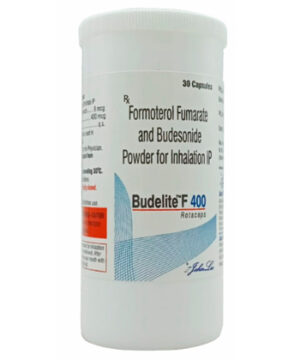
Budesonide/Formoterol Inhaler (Steroid + Long-acting Reliever) — Patient Guide (UK)
Budesonide formoterol inhalers combine two medicines in one device: a corticosteroid (budesonide) to reduce airway inflammation and a fast-acting bronchodilator (formoterol) to relax the muscles around the airways. Together, they help improve breathing, reduce symptoms, and lower the risk of flare-ups in conditions such as asthma and chronic obstructive pulmonary disease (COPD).
This guide is written for patients in the United Kingdom and explains how the inhaler works, how to use it correctly, key safety information, and common questions. Always follow the instructions provided by your healthcare professional and the leaflet supplied with your specific brand and strength.
Basic product information
- Medicine: Budesonide + formoterol
- Type: Inhaled combination maintenance medicine (often used as maintenance and, in some regimens, as reliever)
- Common uses: Asthma (where appropriate) and COPD
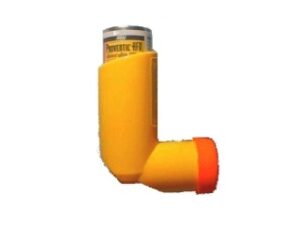
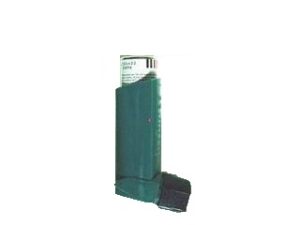
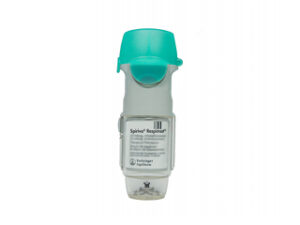
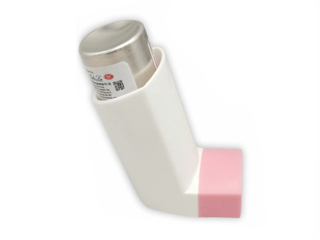
- How it’s taken: By inhalation using a pressurised metered-dose inhaler or dry-powder inhaler (device type varies by brand)
- Typical effect: Relief of breathing symptoms begins quickly (thanks to formoterol) while inflammation control improves over days to weeks (thanks to budesonide)
Note: There are different brands and inhaler strengths. The exact dose and number of puffs depend on the product you have been prescribed and your condition. Check your inhaler label and the patient information leaflet for the precise regimen.
How it works (mechanism of action)
Budesonide and formoterol work in different ways to support healthy breathing:
- Budesonide (inhaled corticosteroid): reduces inflammation in the airways, leading to less swelling, mucus and irritation. Over time, this improves symptom control and reduces exacerbations.
- Formoterol (long-acting bronchodilator, LABA): is a beta2-adrenoceptor agonist. It relaxes airway smooth muscle, opening the airways and helping you breathe more easily. Formoterol also has a rapid onset, which is why it can be used in “maintenance and reliever” style treatment in suitable patients (depending on the specific regimen).
Why the combination matters: symptoms improve quickly from bronchodilation, while steroid treatment targets the underlying inflammatory process. This combination is designed to improve overall control rather than only treating sudden symptoms.
Pharmacokinetics (how the body processes it)
After inhalation, both components act mainly in the lungs, with some absorption into the bloodstream. Exact numbers vary by dose, device and patient factors, but the overall pattern is as follows:
- Absorption: inhaled budesonide and formoterol reach the lungs and are absorbed into the circulation to a lesser or greater extent depending on how well the medicine is delivered and inhaled.
- Distribution: both medicines distribute through body tissues; plasma protein binding is higher for budesonide.
- Metabolism: budesonide is primarily metabolised in the liver (mainly by CYP3A4), producing less active metabolites. Formoterol is metabolised partly in the liver via pathways including conjugation and oxidative metabolism.
- Elimination: metabolites and unchanged medicine are eliminated mainly via urine (and, to a lesser extent, faeces).
- Local lung effect: the key clinical benefit occurs at the site of inflammation and bronchoconstriction in the airways, not throughout the entire body.
If you have liver problems or take medicines that strongly affect liver enzymes (for example, certain antifungals or antibiotics), this may affect levels of budesonide and/or formoterol. Your pharmacist or prescriber can advise based on your current medicines.
What it’s used for (indications)
Budesonide formoterol inhalers are used to treat:
- Asthma: to prevent symptoms and reduce the risk of exacerbations in people whose asthma is not adequately controlled with inhaled steroids alone or whose management plan includes a combination approach.
- COPD: to reduce symptoms and improve breathing in people with COPD, particularly those with a history of flare-ups and who may benefit from inhaled corticosteroids plus a long-acting bronchodilator.
The exact regimen (maintenance only vs maintenance and reliever) depends on your diagnosis, severity, and national guidance.
When to take it (timing)
For most asthma and COPD maintenance plans, budesonide/formoterol is taken on a regular schedule even when you feel well. This helps maintain control and prevent flare-ups.
- Typical schedule: one dose in the morning and one in the evening, or as directed by your clinician.
- If used as reliever in your plan: follow your asthma action plan for when to take additional puffs during symptoms. Not all patients or inhaler brands follow the same reliever approach—use the plan written for you.
- Consistency matters: taking your doses at similar times each day can improve adherence.
Do not stop the medicine suddenly unless a clinician tells you to. Stopping inhaled steroids can worsen control.
Dosing (general UK patient information)
Dosing depends on the specific inhaler strength (for example, the micrograms per puff) and whether your regimen is maintenance only or maintenance and reliever. Because strengths vary, it’s essential to use the dose on your inhaler label and the written treatment plan given to you.
How dosing is usually described:
- Maintenance dosing: typically a fixed number of puffs per day split morning/evening.
- Extra dosing for symptoms (only if your plan allows): additional puffs may be used when needed, up to a maximum daily dose stated in your leaflet or action plan.
| Condition | Common approach | Key point |
|---|---|---|
| Asthma | Maintenance inhaler; sometimes maintenance + reliever in suitable regimens | Follow your asthma action plan and maximum daily dose limits |
| COPD | Maintenance inhaler (symptom relief often still requires a separate short-acting inhaler if advised) | Use as prescribed for control; don’t replace other rescue inhalers unless told |
If you miss a dose: take it when you remember unless it is close to your next dose. Do not take a double dose to make up for a missed one.
Food interactions
Generally, food does not cause meaningful direct interactions with inhaled budesonide/formoterol, because the medicine is taken by inhalation and acts locally in the lungs. You can take your inhaler with or without food.
However, if you have difficulty swallowing or eating due to breathlessness, speak to a healthcare professional—this is a practical safety issue rather than a pharmacological interaction.
Alcohol and medicine interactions
Alcohol
There is no specific, well-established interaction between moderate alcohol and budesonide/formoterol inhalers. That said, heavy alcohol use may worsen breathing problems in some people and can increase the risk of side effects (such as dizziness or impaired coordination).
Other medicines (important interactions)
Some medicines can affect how budesonide/formoterol works or increase the risk of side effects. Tell your pharmacist or prescriber about all medicines you take, including:
- Beta-blockers (including some eye drops for glaucoma): may reduce the effect of formoterol and may trigger bronchospasm in susceptible patients. If a beta-blocker is needed, clinicians choose carefully.
- Other long-acting bronchodilators or LABAs: combining can increase the risk of side effects; follow the prescribed plan and avoid doubling up.
- Diuretics (“water tablets”): when taken with certain bronchodilators, they can increase the risk of low potassium (hypokalaemia).
- Macrolide antibiotics and azole antifungals: may increase exposure to budesonide by affecting liver enzymes (notably CYP3A4). Your clinician may adjust treatment if necessary.
- Antidepressants (some types) and other medicines that affect heart rhythm: can affect heart-related side effects. Use caution especially if you have existing heart disease.
- Oral corticosteroids: if you also take tablets (for example during severe flare-ups), total steroid exposure increases—monitoring may be needed.
If you are unsure whether a medicine interacts with your inhaler, ask your pharmacist.
Safety profile (what to watch for)
Most people tolerate budesonide/formoterol well, especially when used correctly. Possible side effects may include:
Common side effects
- Hoarseness or voice changes
- Sore throat
- Oral thrush (a fungal infection in the mouth/throat)
- Headache
- Tremor (fine shaking), commonly from formoterol
- Palpitations (feeling your heartbeat) or mild increases in heart rate
- Muscle cramps in some people
Less common but important effects
- Low potassium (more likely with high doses or if you take diuretics)
- High blood sugar (steroid effect may be relevant, especially in people with diabetes)
- Adrenal effects (rare with inhaled therapy, but risk can increase with high doses or frequent oral steroids)
- Paradoxical bronchospasm (wheezing immediately after inhalation)
- Allergic reactions such as rash, swelling or breathing difficulty
Seek urgent medical advice if
- you have severe breathing difficulty that does not improve after following your action plan
- you develop chest pain, fainting, or serious palpitations
- signs of severe allergic reaction occur (swelling of face/lips, severe rash, sudden wheeze)
- you suspect an infection in your mouth or throat that is not settling, particularly with fever or swallowing difficulty
If you’re regularly needing your reliever more often than usual, that can mean your asthma/COPD is not controlled and you should get advice promptly.
Practical use tips (how to get the best results)
The effectiveness of inhaled medicines depends heavily on correct inhaler technique. If you’re not sure you’re using it properly, your GP surgery or pharmacy can often help you review technique.
General technique principles
- Shake (if your device is a pMDI) or load/prepare (if it’s a dry powder inhaler), according to your inhaler type.
- Exhale gently before placing the mouthpiece (avoid breathing out into the device).
- Seal your lips around the mouthpiece and start breathing in slowly/deeply at the right time (timing depends on device).
- Hold your breath for a few seconds if you can, then breathe out gently.
- If you need more than one puff, wait the recommended interval before the next puff (as per your leaflet).
Preventing thrush (especially important with budesonide)
- Rinse your mouth with water after each use and spit it out (don’t swallow the rinse).
- If you wear dentures, remove them and clean them after rinsing.
- If you get persistent white patches, pain or burning in the mouth, consult a healthcare professional.
Using reliever puffs safely (where applicable)
- Use only the number of puffs allowed in your personalised plan.
- If you need increasing amounts, seek medical review—more puffs may indicate worsening disease.
- Don’t combine with another inhaler that contains a similar bronchodilator unless advised.
Tip: Keep a note of when you last used your inhaler and how you felt. This can help your clinician adjust therapy.
Alternative options (other treatments you may be offered)
Your healthcare professional may consider alternative inhalers depending on your diagnosis, symptom pattern, and previous response. Options can include:
- Inhaled corticosteroid (ICS) alone (e.g., for some people with mild asthma)
- ICS + different LABA combinations (other steroid/bronchodilator pairings)
- Triple therapy for some COPD or asthma patients (ICS + LABA + long-acting muscarinic antagonist, LAMA)
- For reliever use in asthma: short-acting beta2 agonists (SABA) or alternative strategies depending on your plan
Switching between brands or devices may require a technique check. If you’re offered a different inhaler, ask for instructions that match the new device.
UK market and legal context (patient-friendly overview)
Budesonide/formoterol inhalers are established respiratory medicines available in the United Kingdom through licensed pharmacy supply. They are regulated by the UK medicines framework and must be supplied in accordance with UK requirements.
In practice, most people obtain their inhalers via community pharmacies, and availability may vary by:
- inhaler brand and device type
- strength and formulation
- local prescribing and substitution policies
- stock levels and supply chain pressures
If your usual brand is temporarily unavailable, a pharmacist may suggest an alternative within the same medicine category (subject to availability and clinical suitability). Always confirm you understand the new device’s instructions.
Recent guidance (general themes from UK practice)
UK respiratory care commonly emphasises:
- Using inhaled steroids for asthma control and avoiding relying on reliever-only treatment
- Reviewing inhaler technique regularly and assessing adherence
- Monitoring symptom control and exacerbation history to decide whether to step up or step down treatment
- Tailoring regimens (including maintenance and reliever approaches for suitable patients) to reduce the risk of severe attacks
Always follow the latest advice provided by your GP, asthma nurse, respiratory consultant, or local NHS service.
Delivery and availability (online pharmacy overview in the UK)
In the UK, inhalers are widely available via online pharmacy services that comply with relevant regulations. Availability may depend on:
- your selected brand/device and strength
- current stock levels
- dispatch times and delivery options in your area
Typical online ordering considerations:
- Packaging: inhalers are supplied in their original packaging with a patient leaflet.
- Delivery times: vary by provider and service level (standard vs express).
- Storage: store at room temperature away from heat and direct sunlight; keep dry.
If you need your inhaler urgently (for example due to symptoms), check delivery options before ordering and consider speaking to a pharmacist for advice.
What to do in an emergency
If your breathing becomes suddenly worse, follow your asthma action plan (if you have one) or the instructions given to you. In general:
- Sit upright and try to stay calm while using your inhaler as directed in your plan.
- If symptoms are severe, rapidly worsening, or you are not responding, seek emergency medical help.
- Do not delay urgent help because symptoms might be “just an inhaler issue”.
FAQ — Budesonide/Formoterol Inhaler
1) How quickly does budesonide/formoterol work?
Formoterol can begin to relax the airways quickly, often within minutes. Budesonide works gradually: you typically notice better control over several days, with further improvement over weeks.
2) Can I use this inhaler “just when I feel breathless”?
It depends on your personal treatment plan and the specific inhaler regimen. Many patients use it on a regular maintenance schedule. Some asthma regimens also allow extra puffs for symptoms, but only within the maximum daily dose stated in your leaflet/action plan.
3) What if my inhaler is not improving my breathing?
If you’re not getting relief or you’re needing increasing doses, your condition may be worsening. Seek advice urgently from your GP practice or local NHS service, and use emergency care if symptoms are severe or you are struggling to breathe.
4) Will using this inhaler cause weight gain?
Inhaled budesonide has less whole-body steroid exposure than oral steroids, so weight gain is usually less common. However, steroids can still have side effects at higher doses or with additional steroid tablets.
5) How do I prevent thrush?
Rinse your mouth with water and spit it out after each use. Cleaning dentures and checking for persistent symptoms can also help.
6) Can I stop the inhaler once I feel better?
Do not stop without medical advice. Control may worsen over time if the inhaled steroid component is withdrawn. Your clinician can advise whether stepping down is appropriate.
7) What happens if I accidentally take extra puffs?
Taking more than instructed may increase side effects (such as tremor, palpitations, headache, or low potassium risk). If you exceed your prescribed or leaflet maximum, contact a pharmacist or seek medical advice promptly.
8) Are there any restrictions with exercise?
Usually no special restrictions apply. In fact, good symptom control should help you stay active. If you experience breathlessness during exercise, discuss an inhaler plan with your healthcare professional.
9) Can I drink alcohol while using it?
Moderate alcohol is not known to directly interact with budesonide/formoterol. However, heavy alcohol use may worsen symptoms or overall health, and may make side effects harder to notice.
10) Will it affect my heart?
Some people notice palpitations or a faster heartbeat due to formoterol, especially at higher doses. Seek urgent advice if you experience chest pain, fainting, severe palpitations, or severe worsening breathing.
Summary
Budesonide/formoterol inhalers combine an inhaled steroid (budesonide) to treat airway inflammation with a fast-acting bronchodilator (formoterol) to help open the airways. Used correctly on the prescribed schedule, they can improve breathing and reduce flare-ups in asthma and COPD. The key to getting the best benefit is correct inhaler technique, regular use as directed, and safety steps such as rinsing your mouth to reduce thrush.
If you have questions about your specific brand, dosing schedule, or inhaler technique, speak to your pharmacist or healthcare team.