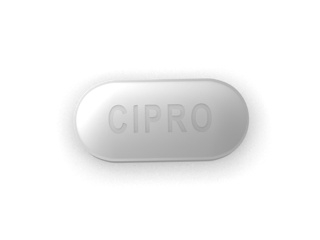


Cipro (Ciprofloxacin) — Patient-Friendly Guide (UK)
Cipro is the brand name for ciprofloxacin, an antibiotic in the fluoroquinolone family. It is used to treat certain bacterial infections. This guide explains how Cipro works, what it’s commonly used for, how to take it safely, and what to consider regarding food, alcohol, other medicines, and day-to-day use in the United Kingdom.
Always follow the advice given by a healthcare professional and the information in the patient leaflet supplied with your medicine. If you have questions about whether Cipro is right for your condition, speak to a qualified clinician or pharmacist.
1) Basic product information
- Medicine name: Cipro (ciprofloxacin)
- Medicinal form: Tablets (commonly film-coated), and in some settings also other presentations such as oral suspension or intravenous formulations depending on the product range.
- Antibiotic class: Fluoroquinolone
- How it works: Stops bacteria from making and repairing DNA, preventing growth and replication.
- Availability in the UK: Medicines containing ciprofloxacin are regulated and supplied via appropriate NHS/private routes consistent with UK medicines governance and pharmacy practice.
2) Mechanism of action (how it works)
Ciprofloxacin targets essential bacterial enzymes: DNA gyrase (topoisomerase II) and topoisomerase IV. These enzymes are needed for bacteria to:
- Unwind and copy their DNA (a key step for cell division)
- Repair DNA damage
By inhibiting these enzymes, ciprofloxacin causes bacteria to stop multiplying and, depending on the organism and infection site, can lead to bacterial death.
3) Pharmacokinetics (what the body does to the medicine)
Pharmacokinetics describes absorption, distribution, metabolism, and elimination. Key points relevant to how you take Cipro include:
- Absorption: Ciprofloxacin is absorbed from the gut. Absorption can be reduced by minerals such as iron, zinc, magnesium, and by certain antacids and sucralfate.
- Distribution: It can reach many tissues and fluids, including urinary tract tissues; it’s designed to achieve therapeutic levels where the bacteria are.
- Elimination: Ciprofloxacin is removed from the body mainly via the kidneys. Kidney function can affect how quickly levels fall, so dose adjustments may be needed for reduced renal function.
- Typical dosing intervals: Often once or twice daily depending on the indication and strength, while maintaining appropriate drug levels over time.
4) Typical uses and indications in adults
Ciprofloxacin is used for infections caused by susceptible bacteria. The exact choice of antibiotic depends on the suspected organism, the site of infection, local resistance patterns, and your medical history.
Common indications (examples)
- Urinary tract infections (UTIs) including uncomplicated and complicated cases where appropriate
- Prostatitis (inflammation/infection of the prostate)
- Gastrointestinal infections caused by susceptible bacteria (where ciprofloxacin is recommended)
- Infections of the respiratory tract in selected situations (particularly when specific bacteria are suspected or confirmed)
- Skin and soft tissue infections due to susceptible organisms
- Bone and joint infections due to susceptible organisms in selected cases
This list is not exhaustive. Your clinician will decide whether ciprofloxacin is suitable based on the infection type, likely bacteria, severity, and risk factors.
Important note on appropriate antibiotic selection
Antibiotics treat bacterial infections. They do not work against viruses (for example, colds or flu). Using antibiotics when they are not needed can contribute to antibiotic resistance and may cause side effects without benefit.
5) When to take Cipro (timing and spacing)
Follow your prescribed schedule exactly. As a general guide, aim to take each dose at about the same time every day.
Timing tips
- Keep consistent intervals: If your course is twice daily, try to space doses evenly (e.g., morning and evening).
- Use the full course: Even if you feel better, finish the course unless told to stop. Stopping early can allow the infection to return.
- Missed dose: Take it when you remember unless it’s close to the next dose. Do not take a double dose to make up for a missed one. If unsure, ask a pharmacist.
- Kidney-related adjustments: If you have reduced kidney function, your dosing may differ. Follow your clinician’s instructions.
6) Food interactions (what to eat and what to avoid)
Food may affect absorption of ciprofloxacin differently depending on meal composition. In practical terms:
- General guidance: Cipro can usually be taken with or without food, but consistency is helpful. If you experience stomach upset, taking with food may help.
- Minerals and supplements: Avoid taking Cipro at the same time as products containing iron, zinc, magnesium, or calcium (including some supplements), because these can reduce antibiotic absorption.
- Antacids: Antacids containing magnesium or aluminium may interfere.
- Sucralfate: This stomach-protecting medicine can reduce absorption if taken too close together.
- Dairy and fortified drinks: Calcium-containing foods and drinks may reduce absorption in some cases. It’s often best to separate Cipro from large dairy servings by a few hours.
Practical spacing approach (simple rule)
When possible, separate Cipro from mineral-containing products by at least several hours. Your pharmacist can confirm an exact timing plan for your specific medicines and dose schedule.
7) Alcohol interactions
There is no absolute “always unsafe” rule for alcohol with ciprofloxacin for all patients. However, alcohol can worsen side effects such as dizziness, headache, stomach upset, and fatigue.
- Best approach: Preferably avoid alcohol while you’re unwell and taking antibiotics.
- If you do drink: Keep it light and monitor how you feel. Stop drinking if you notice increased dizziness or nausea.
- Higher caution groups: If you have liver disease, history of seizures, or are taking medicines that affect the nervous system, avoid alcohol unless your clinician confirms it’s safe.
8) Medicine interactions (other drugs that may interact with Cipro)
Ciprofloxacin can interact with a range of medicines. Some interactions can increase ciprofloxacin levels, others can reduce effectiveness, and some can affect heart rhythm or bleeding risk. Always review your current medicines with a pharmacist if you’re unsure.
Common interaction categories
- Medicines containing minerals: Iron, zinc, magnesium, aluminium antacids, and sucralfate can reduce absorption (spacing is usually needed).
- Warfarin and blood thinners: Ciprofloxacin may increase the effect of warfarin, potentially raising bleeding risk. Monitoring may be required.
- Theophylline: Ciprofloxacin can raise theophylline levels, increasing side effects.
- Diabetes medicines: In some people, ciprofloxacin can affect blood glucose control. Monitoring may be advised.
- Heart rhythm medicines: Medicines that prolong QT interval may increase the risk of abnormal heart rhythms when combined.
- Some anti-arrhythmics and antipsychotics: Also require caution due to QT effects.
- Caffeine: Ciprofloxacin can reduce caffeine clearance, leading to increased caffeine effects in some patients.
“Tell your pharmacist” checklist
- Any blood thinner (e.g., warfarin)
- Any diabetes medicine (insulin or tablets)
- Any antacids, mineral supplements, or stomach-protecting medicines
- Any medicines for heart rhythm
- Any kidney problems
- Any history of tendon problems with quinolones
9) Dosing information (general, not personal)
Dosing depends on the infection type, severity, suspected or confirmed bacteria, your age, and kidney function. Dosage also differs between tablet strengths.
Because the correct regimen varies, this section gives general dosing principles rather than a one-size-fits-all schedule. Always follow the dose instructions provided with your medicine.
General principles for dosing
- Follow the exact strength and schedule: The number of tablets and frequency matters.
- Duration matters: Courses can range from short to longer depending on the indication.
- Kidney function: Dose adjustments may be needed if you have reduced kidney function.
- Do not change your dose: Changing dose or stopping early may reduce effectiveness or increase relapse risk.
Typical frequency examples (for context)
| Infection type (examples) | Typical dosing pattern (may vary) | Notes |
|---|---|---|
| Many UTIs | Often twice daily or sometimes once daily regimens depending on the product plan | Choice depends on organism susceptibility and local guidance |
| Prostatitis | Commonly longer courses; frequency depends on regimen | Ensure consistent dosing and complete the course |
| Selected gastrointestinal infections | Often twice daily | Duration depends on cause and severity |
| Skin/soft tissue, bone/joint (selected cases) | Usually longer courses | May require specialist input and sometimes culture results |
Your healthcare professional will provide the specific dose, frequency, and duration appropriate for you.
10) Safety profile (what to watch for)
Like all medicines, ciprofloxacin can cause side effects. Many people tolerate it well, but you should know what’s common and what could be serious.
Common side effects
- Nausea
- Diarrhoea
- Stomach upset or discomfort
- Headache
- Dizziness
- Temporary changes in taste
Serious side effects — seek urgent help
Contact urgent medical care or seek emergency advice if you develop any of the following:
- Signs of an allergic reaction: swelling of face/lips, difficulty breathing, rash with fever or blistering
- Severe, persistent diarrhoea (especially watery or bloody), or severe abdominal cramps (possible antibiotic-associated colitis)
- Tendon pain or inflammation (especially Achilles tendon): sudden pain, swelling, or difficulty walking
- Nerve symptoms: burning, tingling, numbness, weakness, or severe pain
- Seizures, severe agitation, confusion, or hallucinations
- Unusual heart symptoms: fast, irregular heartbeat, fainting, or severe palpitations
- Severe skin reactions: blistering, skin peeling, or widespread rash
- Severe liver issues: yellowing of skin/eyes, dark urine, persistent upper stomach pain
If you experience tendon pain or symptoms of nerve irritation, do not “push through”—seek medical advice promptly. This class of antibiotics has been associated with tendon and nerve effects in some patients.
Who should be extra cautious?
- History of tendon problems after taking quinolone/fluoroquinolone antibiotics
- Older adults, especially those with kidney problems
- People with neurologic disorders or seizure history
- Those taking medicines that affect heart rhythm (QT prolongation)
- People who are dehydrated or have significant electrolyte imbalance
- Those with myasthenia gravis (symptoms may worsen in some cases)
11) Practical use tips for everyday success
- Hydration: Drink fluids regularly unless you’ve been told to restrict fluids. Adequate hydration may help reduce side effects such as headache or dizziness.
- Protect tendons: During treatment, avoid strenuous exercise and pay attention to any tendon discomfort. If pain starts, seek advice and stop exercise.
- Manage stomach upset: Taking with food may help. Stick to simple meals if your stomach feels unsettled.
- Sun sensitivity: Some antibiotics can increase sensitivity to sunlight. Avoid excessive sun exposure and use clothing protection; consider SPF if going outdoors.
- Don’t share: Antibiotics are not one-size-fits-all. Use only for the infection they were prescribed for.
- Keep track of your course: Use a phone alarm or pill organiser to avoid missed doses.
12) Alternative options (discuss with a pharmacist/clinician)
The “best” antibiotic depends on the infection and the bacteria involved. Alternatives may include:
- Other antibiotic classes (such as penicillins or cephalosporins) for susceptible infections
- Nitrofurantoin or other UTI-specific options in appropriate cases
- Trimethoprim in selected situations where appropriate
- For severe infections, intravenous antibiotics in hospital or specialist settings may be preferred
If you’re concerned about side effects or have a history of reactions, ask about suitable alternatives. Do not switch antibiotics yourself.
13) UK market and legal/regulatory context
In the UK, antibiotics including ciprofloxacin are regulated to support safe prescribing and appropriate use. Antibiotic stewardship aims to:
- Preserve effectiveness by reducing unnecessary use
- Limit antibiotic resistance
- Balance benefits against risks, especially for antibiotics with known important adverse effects
Local prescribing practices may vary between the NHS and private services based on updated guidance, resistance rates, and patient factors such as kidney function and medical history.
14) Recent guidance and stewardship considerations (high-level)
UK and international antimicrobial guidance generally encourages:
- Use when appropriate: Ensure the antibiotic is indicated and likely to cover the suspected bacteria.
- Culture and sensitivities when relevant: Especially in complicated or recurrent infections.
- Review if not improving: If symptoms do not improve within expected time frames, seek clinical review rather than continuing without reassessment.
- Risk-based selection: Ciprofloxacin may be considered when benefits outweigh risks for the individual patient.
Guidance can evolve over time; your clinician/pharmacist will follow current recommendations relevant to your condition.
15) Delivery and availability (UK online pharmacy information)
Availability of ciprofloxacin products depends on regulatory compliance, stock levels, and the specific product presentation. When ordering online in the UK, you should expect:
- Secure packaging to protect tablets and maintain product quality.
- Timely dispatch according to your chosen delivery method and order verification processes.
- Order tracking in many cases.
Please check the retailer’s website for delivery zones, estimated delivery times, and any special conditions for prescriptions or medicines supplied through appropriate pathways. If you have urgent needs, contact customer support for the most accurate availability and dispatch information.
16) FAQ — Frequently asked questions
How quickly should I feel better after starting Cipro?
Many people notice some improvement within 48–72 hours, depending on the infection type and severity. If you feel worse, develop new symptoms, or there is no improvement, contact your healthcare professional for advice.
Can I take Cipro with food?
Usually, yes. If it upsets your stomach, taking it with a meal can help. Try to keep your routine consistent.
Can I take antacids or calcium supplements with Cipro?
Mineral-containing products can reduce absorption. You may need to separate doses by several hours. Ask your pharmacist for an exact plan for your specific antacid/supplement and timing.
Is it okay to drink alcohol while on Cipro?
Best to avoid alcohol while you’re unwell. If you do drink, keep it minimal and monitor for side effects like dizziness or nausea.
What should I do if I miss a dose?
Take it as soon as you remember unless it’s close to the next scheduled dose. Don’t take a double dose. If you’re unsure, ask a pharmacist.
What if I get diarrhoea during treatment?
Mild diarrhoea can occur. However, if you develop severe, persistent, or bloody diarrhoea, seek medical advice urgently, as it may indicate a serious bowel complication that needs prompt treatment.
Does Cipro cause tendon problems?
Ciprofloxacin has been associated with tendon inflammation and, rarely, tendon rupture. If you experience tendon pain, swelling, or difficulty moving, stop strenuous activity and seek medical advice promptly.
Are there any driving or alertness concerns?
Some people experience dizziness or headaches. If you feel affected, avoid driving or operating machinery until you know how Cipro affects you.
Can I take Cipro with other antibiotics?
Sometimes antibiotics are combined, but it depends on the situation. Do not combine antibiotics unless a clinician instructs you.
Who should not use ciprofloxacin or should seek extra advice?
Extra caution is needed if you have a history of tendon problems with quinolone/fluoroquinolone antibiotics, seizure history, significant kidney problems, or are taking medicines that affect heart rhythm. Discuss your medical history with a pharmacist/clinician.
Can I stop early if I feel better?
It’s important to complete the course as advised. Stopping early can lead to recurrence and may contribute to antibiotic resistance.
17) Summary
Cipro (ciprofloxacin) is a fluoroquinolone antibiotic used to treat certain bacterial infections. It works by blocking bacterial DNA enzymes needed for replication. To help it work effectively and reduce side effects, take doses at the recommended times, separate Cipro from minerals/antacids as advised, and be cautious with alcohol. Seek urgent medical advice for symptoms such as allergic reactions, severe diarrhoea, tendon pain, nerve symptoms, or severe skin reactions. In the UK, antibiotic stewardship guidance supports using antibiotics appropriately and reviewing treatment if symptoms don’t improve.