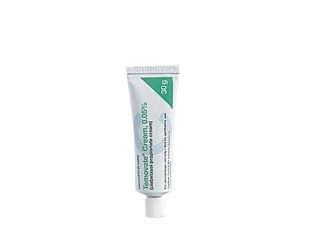
Clobetasol 0.05% Cream/Ointment (Corticosteroid) — Patient Guide (UK)
Clobetasol 0.05% is a highly potent corticosteroid medicine used to treat certain inflammatory skin conditions. It works by reducing inflammation, redness and itching. Because it is very strong, it should be used carefully and for the shortest time needed to control symptoms.
This page explains what clobetasol is, how it works, how to use it safely, and what to expect. It is written for people in the United Kingdom and includes UK-specific practical and legal considerations.
Basic product information
- Active ingredient: Clobetasol (0.05%)
- Strength: 0.05% (typically as cream or ointment; exact formulation varies by product)
- Medicinal class: Topical corticosteroid (very potent)
- Common uses: Short-term treatment of severe inflammatory skin conditions
- Typical form: Cream or ointment for skin
Clobetasol is designed for external use on the skin. The correct strength and base (cream vs ointment) can matter: ointments are usually more occlusive and may be preferred for dry, thickened patches; creams may be more suitable for moist areas.
How it works (mechanism of action)
Clobetasol is a glucocorticoid. When applied to the skin, it reduces inflammatory chemicals released in the skin tissues. It also:
- decreases swelling and irritation
- reduces redness
- relieves itching and discomfort
- slows abnormal immune activity in inflamed skin
In simple terms: clobetasol calms the body’s overactive inflammation in the skin, helping the condition settle.
Pharmacokinetics (how the body handles it)
Because clobetasol is applied to the skin, most information relates to absorption through the skin. Absorption can increase when more clobetasol gets through the skin barrier.
| Aspect | What to know (general) |
|---|---|
| Absorption | Can be low through intact skin, but increases with: thin/irritated skin, broken skin, heavy use, use under occlusion (e.g., tight dressings), and use over larger areas or for longer periods. |
| Onset | Symptoms may improve within a few days, though complete control may take longer depending on the condition and severity. |
| Metabolism & elimination | As with many corticosteroids, absorbed drug is metabolised in the body and eliminated primarily via urine. Amount absorbed is usually small when used correctly. |
| Systemic effects risk | Systemic corticosteroid effects (e.g., effects on hormones) are unlikely with short, appropriate use, but risk rises with high potency, large area treatment, occlusion, prolonged duration, or in children. |
To reduce risk, follow recommended amounts, limit treatment area and duration, and avoid covering with occlusive dressings unless advised by a healthcare professional.
Typical use in the UK
Clobetasol 0.05% is typically used for short-term control of severe inflammatory skin conditions where other, milder topical treatments may be insufficient.
Your exact product (cream or ointment) may vary. Always use the product label instructions and any advice you’ve been given.
Indications (what it can be used for)
In general, topical clobetasol is used for inflammatory, steroid-responsive skin disorders such as:
- moderate to severe eczema (including resistant forms)
- psoriasis (certain types and areas, under appropriate supervision)
- inflammatory skin conditions that require a very potent topical steroid
Use on the wrong condition (or wrong area) can be harmful. If you are unsure whether your skin problem is suitable for clobetasol, ask a pharmacist or clinician for advice.
Timing and how quickly you may notice results
- Apply once or twice daily depending on your dosing plan.
- Initial improvement may be noticed after several days.
- Maximum benefit may take longer depending on severity and location.
- If there is no improvement within a short period (often within 1–2 weeks for many topical conditions), stop and seek advice rather than continuing indefinitely.
When symptoms improve, clinicians often recommend stepping down to a less potent steroid or stopping, to reduce the risk of side effects and recurrence.
Dosing (how to apply clobetasol correctly)
Dosing depends on the condition, area affected, skin thickness, and whether the cream or ointment base is used. In the UK, clobetasol is commonly used as a thin layer.
General guidance
- Apply a thin film to the affected skin only.
- Wash hands before and after application (unless your hands are the treated area).
- Avoid the face, groin and armpits unless specifically instructed—these areas absorb more and are more prone to side effects.
- Do not use longer than advised. Very potent steroids are generally limited to short treatment courses.
Typical frequency
- Often once daily or up to twice daily for flare control, then reduced frequency or stopped as symptoms settle.
How much to use (finger-tip guideline)
A commonly used UK method to estimate topical steroid amounts is the finger-tip unit (FTU) rule:
- One FTU (the amount squeezed along a finger from the tip to the first crease) is roughly enough to treat an area about the size of two adult handprints.
This is a guide—your clinician or pharmacist may provide more specific instructions for your body area and severity.
Important: If your skin is infected (e.g., weeping, crusting, honey-coloured scabs, spreading redness, or fever), do not self-treat without medical advice.
Practical use tips (to get the best results and avoid problems)
- Choose the right formulation: creams are typically less greasy; ointments are usually more moisturising and can be better for very dry skin.
- Clean and dry the area: apply to dry, clean skin unless told otherwise.
- Use consistent timing: applying at the same time each day may help you remember.
- Moisturise alongside steroid treatment: emollients can be used to support the skin barrier. Apply emollients as advised, and leave a short gap before clobetasol if you are using both.
- Stop when controlled: use for symptom control, then reduce or stop as instructed—ongoing use increases side effects.
- Avoid occlusion: don’t cover with tight bandages or plastic unless instructed, as this increases absorption.
Safety profile (side effects and when to seek help)
Clobetasol is effective, but because it is very potent, it carries a higher risk of side effects than milder steroid creams. Most problems relate to using it for too long, too much, or on unsuitable areas.
Common local side effects
- burning or stinging sensation
- itchiness
- skin thinning (atrophy)
- dryness or irritation
- follicle irritation or increased sensitivity
Less common but important risks
- Striae (stretch marks) and visible blood vessels
- Perioral dermatitis or acne-like reactions (especially on the face)
- Rebound flare when stopping abruptly after prolonged use
- Infection may worsen if used on fungal or certain bacterial infections
- Systemic absorption effects (rare with correct, short use) such as effects on cortisol/hormones
Seek urgent advice if
- you notice signs of widespread infection or worsening redness and pain
- you develop severe irritation, blistering, or rapidly spreading rash
- you are treating a large area, using occlusive dressings, or symptoms do not improve as expected
Special care groups
- Children: have a higher risk of systemic absorption—use only if specifically advised.
- Pregnancy and breastfeeding: discuss with a clinician before use.
- Older adults: skin may be thinner, increasing side-effect risk.
Alcohol and medicine interactions
Alcohol: There are no well-established direct interactions between alcohol and topical clobetasol when used correctly on the skin. However, alcohol can worsen overall health, dehydration, and skin inflammation in some people—so moderation is generally sensible.
Other medicines: Because clobetasol is applied to skin, systemic drug interactions are typically unlikely. That said, interactions can be more relevant through shared risk factors (for example, other steroid medicines, immunosuppressants, or treatments affecting hormone balance).
- If you are using other topical steroids on the same area, using them together can increase steroid exposure.
- Tell your pharmacist or clinician about all medicines and creams you use, including non-prescription products.
- If you are using medicines that suppress the immune system, seek advice before using potent steroids.
Food interactions
Clobetasol is applied to the skin; it is not eaten and therefore does not have typical food-drug interaction concerns. No specific food interactions are expected.
Indications vs unsuitable use (important warnings)
Clobetasol is intended for inflammatory skin conditions that respond to steroids. Avoid using it on conditions where steroid use may worsen infection or delay healing.
Common situations where extra caution is needed
- Untreated skin infections (fungal, viral such as herpes/eczema herpeticum, or bacterial infections)
- Rosacea
- Acne
- Perioral dermatitis
- Wounds or broken skin (unless specifically directed)
If your rash is accompanied by pus, blisters, fever, or rapidly spreading redness, seek professional advice.
How to store and handle
- Store at room temperature, away from direct heat and sunlight.
- Keep out of sight and reach of children.
- Check the product label for exact storage instructions.
- Use before the expiry date on the tube or tub.
Alternative options
Depending on your diagnosis and location on the body, alternatives may include:
- Milder topical corticosteroids (e.g., other potency strengths) for less severe flares
- Non-steroidal anti-inflammatory treatments for longer-term management (where suitable)
- Targeted treatments for specific conditions such as psoriasis-directed therapies
- Emollients and skin barrier support (often essential alongside any anti-inflammatory)
If clobetasol does not control symptoms or you need frequent repeat courses, you may benefit from a review of your diagnosis and a plan to reduce steroid reliance.
Market and legal context in the United Kingdom
In the UK, the supply of topical corticosteroids is regulated, and clobetasol 0.05% is generally treated as a medicine requiring appropriate patient counselling due to its potency and risk profile. Availability can vary by product type (cream vs ointment) and strength, and some packs may be restricted depending on concentration and formulation.
For online pharmacy services, reputable retailers provide:
- clear product information and usage instructions
- patient safety messaging and eligibility checks
- appropriate delivery and supply compliance
Always follow the instructions on the outer packaging and seek advice if you’re unsure how or where to apply it.
Recent guidance and best-practice considerations (UK)
Recent UK-focused clinical approaches emphasise:
- Use the lowest potency and shortest duration needed to control symptoms.
- Review diagnosis if there is poor response, frequent recurrence, or if the rash location is unusual.
- Be cautious with occlusion and high-risk body areas (face, groin, skin folds).
- Monitor children and those with extensive disease for increased absorption risk.
- Plan steroid tapering rather than stopping abruptly after repeated or long courses, when recommended.
If you’re using clobetasol repeatedly for the same problem, it’s worth discussing a long-term maintenance plan with a clinician or pharmacist.
Delivery and availability
Clobetasol 0.05% products may be supplied by online pharmacies subject to stock availability and any eligibility requirements. Delivery timing can vary depending on your postcode and the retailer’s dispatch schedule.
- Typical dispatch: often within 1–2 working days after order processing (varies by pharmacy).
- Delivery options: standard and express options may be offered.
- Packaging: medicines are typically shipped in secure, tamper-evident packaging.
Availability may vary between cream and ointment versions. If you need a specific base (cream or ointment), check the product details before ordering.
FAQ — Frequently asked questions
1) What is clobetasol 0.05% used for?
It is used for short-term treatment of severe inflammatory skin conditions that respond to very potent topical corticosteroids, such as certain types of eczema and psoriasis, as advised.
2) How long can I use clobetasol?
Clobetasol is generally used for the shortest time needed to control symptoms. The exact duration depends on the condition and body area. If symptoms persist, do not keep using it without medical advice—get reassessed.
3) Can I use it on my face or in skin folds?
Extra caution is required because facial skin and folds absorb more and are more prone to side effects. Use on these areas only if specifically advised by a healthcare professional.
4) When should I apply it—morning or night?
Many people apply it once daily or twice daily as directed. Choose a consistent time. Night application can be helpful if you’re less likely to miss a dose.
5) Can I put moisturiser on top of it?
Usually, emollients can be used alongside steroid treatment. Apply emollients first and leave a short gap before applying clobetasol, unless your pharmacist or clinician advised otherwise.
6) What if my symptoms get worse after starting?
Stop using clobetasol and seek advice. Worsening can indicate infection, incorrect diagnosis, or the need for a different treatment approach.
7) Is it safe to use under a dressing?
Avoid occlusive dressings (which trap heat and increase absorption) unless instructed by a clinician. Occlusion increases the risk of side effects.
8) Can I use clobetasol with other creams?
You may, but avoid combining with other topical steroids on the same area. If you’re using multiple skin treatments, check the order and timing with a pharmacist.
9) Will it affect my hormone levels?
Systemic absorption effects are rare when used correctly for short periods on small areas. Risk increases with large areas, prolonged use, occlusion, and use in children. Follow dosing guidance and seek advice if you have concerns.
10) What should I do if I miss a dose?
Apply it when you remember unless it’s close to the next dose. Do not apply extra to make up for the missed dose.
Summary
Clobetasol 0.05% is a very potent topical corticosteroid for controlling severe inflammatory skin conditions. It works by reducing inflammation and itch, but it must be used carefully because of the risk of skin thinning, infection worsening, and (rarely) systemic steroid effects—especially with high-dose, long-duration, or occluded use.
For best results: apply a thin layer to the affected area, avoid high-risk sites unless advised, do not occlude unless told, and use it for the shortest time needed. If you’re not improving as expected, or you need repeated courses, speak to a pharmacist or clinician to review your treatment plan.