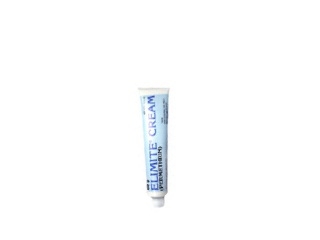
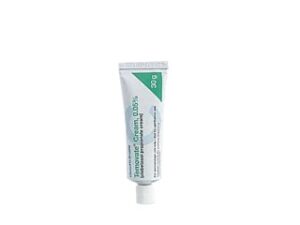

Elimite (Permethrin) Cream – Patient-Friendly Guide (United Kingdom)
Elimite is a brand name for permethrin, an insecticide medicine used to treat certain skin infestations. In the UK, permethrin cream is widely used for conditions such as scabies (mites in the skin) and, in some circumstances, for other infestations as advised by healthcare professionals or the patient information provided with your product.
This guide explains what Elimite does, how to use it safely and effectively, what to expect, and practical tips to help you reduce the chance of re-infestation.
Quick product information
- Active ingredient: Permethrin
- Medicine type: Topical (applied to skin)
- Common formulation: Cream
- Used for: Scabies and certain lice/infestation indications depending on product and local guidance
- How it works: Kills mites/infesting organisms on or near the skin
- How long it’s left on: Typically about 8–12 hours (commonly overnight), then washed off
Always check the instructions that come with your specific product pack, because directions can vary slightly by formulation and age group. If you’re unsure, speak to a pharmacist.
How Elimite (permethrin) works (mechanism of action)
Permethrin belongs to a group of medicines called pyrethroids. It works by affecting the nervous system of the infestation organisms. In simple terms, it interferes with the function of nerve cells, causing paralysis and death of the mites/lice involved.
Permethrin is designed for topical use, so it targets the problem directly on the skin while minimising effects elsewhere in the body.
Pharmacokinetics: what happens in the body
Because Elimite is applied to the skin, most of the medicine remains local. The general principles are:
- Absorption: Absorption through intact skin is low.
- Metabolism: Any small amount absorbed is broken down mainly in the body to inactive metabolites.
- Elimination: Metabolites are cleared primarily via the kidneys (urine).
In routine use, systemic exposure is expected to be low, especially when directions for application are followed. However, avoid over-application and apply only to the areas instructed.
Typical uses and indications in the UK
In the UK, permethrin is most commonly used for scabies. Scabies is caused by a tiny mite that burrows into the top layer of skin, leading to intense itching (often worse at night) and a characteristic rash.
Indication: Scabies
Elimite is used to treat scabies by killing the mites and helping to relieve symptoms. Because newly hatched mites can appear after treatment, repeat application is often required (commonly after about a week), depending on local guidance and product instructions.
Other infestation uses
Permethrin products may be used for other skin infestations (for example, head lice/other lice) depending on the exact product strength and local availability. Use only for the condition stated on the product packaging and follow the instructions provided.
If you have symptoms that could be caused by something else (for example, eczema, fungal infection, or allergy), it’s important to seek advice rather than self-treating blindly.
Dosing: how much to apply and how often
Dosing depends on the condition, age, and the specific pack instructions. The information below gives general guidance commonly used for scabies. Always follow your product leaflet.
Adults, children, and infants (scabies – common approach)
A typical regimen for scabies is:
- Apply once over the recommended skin areas (including commonly affected regions).
- Leave on for about 8–12 hours (often overnight).
- Wash off thoroughly.
- Repeat after 7 days (commonly) to treat any mites that hatch from eggs after the first treatment.
For children and infants, extra care is needed around application to the face and hairline, based on age and leaflet instructions. For very young babies, the leaflet may specify special precautions.
How to apply (general principles)
- Use enough cream to cover the required areas; avoid leaving large patches untreated.
- Apply thinly but thoroughly.
- Wash hands after application unless your hands are part of the treated area.
- Pay attention to areas often involved in scabies: hands/fingers, wrists, elbows, armpits, waist, buttocks, genital area, inner thighs, and feet.
Itching can persist after treatment because your skin can remain inflamed and sensitive. This does not necessarily mean treatment failed. If symptoms worsen or do not improve within the expected timeframe, seek advice.
Timing: when to use it during the day
Most people find it easiest to apply Elimite in the evening and wash it off the following morning. This fits the common requirement to leave the cream on for around 8–12 hours.
- Evening application: Apply before bed.
- Overnight contact: Keep the cream on as instructed.
- Morning wash: Wash off thoroughly with warm water and gentle cleansing.
- Repeat dose: Usually about 7 days later (check leaflet).
Food interactions
Because Elimite is applied to the skin, it has no known direct food interactions. You can usually eat and drink normally during treatment. Follow standard hygiene measures (for example, washing hands before eating) to avoid accidental transfer to the mouth.
Alcohol and medicine interactions
Alcohol
There are no specific known alcohol interactions with topical permethrin at typical use levels. However, avoid applying to large areas or near the mouth, and keep the product strictly for skin use.
Other medicines
Systemic interactions are considered unlikely because of low absorption. That said, it’s still sensible to inform a healthcare professional if you are using other topical medicines on the same skin area (e.g., steroid creams, moisturisers, or other antiseptics) as instructions may recommend spacing applications or waiting until the permethrin treatment is finished.
If you need to use moisturisers, apply them only as directed in the leaflet (often after washing off the cream and when skin is settled).
Practical use tips for better results
Scabies treatment often succeeds when the whole household or close contacts are treated at the same time, even if they are not yet symptomatic. Re-infestation is common when only one person treats themselves.
To improve effectiveness
- Treat close contacts: Follow UK guidance—often family members/household contacts are treated together.
- Repeat as instructed: The typical second application is important to cover mites that hatch later.
- Use clean bedding and clothing: Wash used clothing, bed linen, and towels from the day before treatment up to treatment day, according to leaflet guidance.
- Consider heat/ironing: Heat can help with bedding and fabrics; follow the leaflet for what is safe to wash at home.
- Vacuum soft furnishings: A thorough vacuuming of sofas, mattresses, and carpets may be helpful.
- Avoid using too much: More does not equal better; it increases the chance of skin irritation.
Hygiene after application
- Change into clean clothes after washing off.
- Do not put the cream on broken, infected, or heavily inflamed skin unless the leaflet allows it.
- Wash hands after application (unless hands are part of the treated area).
Safety profile: side effects and precautions
Most people tolerate Elimite well when used as directed. Like all medicines, it can cause side effects. Many reactions are mild and localised (skin irritation).
Common or expected side effects
- Skin irritation such as redness, burning, or tingling
- Temporary itching (including after treatment)
- Dryness or mild rash
Less common but important reactions
- Allergic reactions (uncommon), such as swelling, severe rash, or breathing difficulty—seek urgent medical help.
- Severe skin reactions including blistering or worsening inflammation
When to seek advice promptly
- If you develop a widespread rash soon after application that is more than mild irritation
- If symptoms worsen rapidly or there is signs of skin infection (increasing pain, pus, warmth, fever)
- If the condition is not improving within the expected timeframe after repeat treatment
Precautions
- Eyes, mouth, and mucous membranes: Avoid getting cream in these areas.
- Inhalation: Do not inhale the product; apply in a well-ventilated area.
- Broken skin: Use caution and follow the leaflet guidance.
- Children and infants: Dosing and application vary—follow age-specific instructions carefully.
- Scabies management: If there are signs of crusted scabies or severe infestation, additional treatment measures may be needed—seek advice.
Persistent itch alone does not always mean failure. In scabies, itching may continue for several weeks even after mites are gone. However, a new rash or ongoing infestation may suggest incomplete treatment or re-exposure.
What to expect after treatment
- Itching: Often improves gradually. It may take time for skin inflammation to settle.
- Rash: May fade slowly.
- Second treatment: Commonly required about a week later to catch newly hatched mites.
- Contacts: If close contacts were not treated at the same time, you may be re-exposed.
Alternative options
Depending on your situation and product availability, alternatives to permethrin may include other scabicides (medicines used to treat scabies) and supportive measures. Choice may depend on age, pregnancy/breastfeeding status, severity of infestation, and local clinical guidance.
Common alternatives (examples)
- Malathion (usually for head lice; availability and indication depend on product)
- Ivermectin (oral medicine used for scabies in some circumstances, especially where topical treatment is difficult)
- Other topical scabicides depending on availability and formulation
- Symptom relief: emollients, antihistamines, and topical anti-inflammatory treatments may be recommended alongside scabicide therapy
If you’re considering an alternative because you previously treated with permethrin without success, speak to a pharmacist or clinician for advice. Treatment failure can result from under-application, missing contacts, or not repeating the dose on schedule.
Market and legal context in the United Kingdom
In the UK, medicines containing permethrin are used under established regulatory frameworks set by UK medicines authorities. Availability may vary between different product strengths and brands, and some formulations may be designated for specific indications.
Patient guidance is typically aligned with UK public health and clinical recommendations for managing scabies and similar infestations. These recommendations commonly emphasise:
- Simultaneous treatment of close contacts to reduce the risk of re-infestation
- Correct application technique and sufficient coverage of skin areas
- Repeat dosing when required to address lifecycle timing
- Environmental and household hygiene measures
If you’re in care settings (for example, residential or institutional environments) or dealing with outbreaks, local public health or care protocols may apply.
Recent guidance and practical considerations
UK guidance around scabies management generally continues to focus on effective topical treatment, contact management, and symptom control. Key themes seen in contemporary advice include:
- Confirming the diagnosis when symptoms resemble other skin conditions
- Managing itching—itch may persist after successful treatment
- Preventing re-infestation through treatment of close contacts and correct laundering
- Considering alternative treatment if standard therapy has failed
Because guidance may evolve and may differ by setting, your local pharmacist can help interpret the most appropriate approach for your circumstances.
Delivery and availability (online pharmacy)
Elimite (permethrin) cream may be available from online pharmacies in the UK depending on stock and the specific formulation required. Availability can vary by brand, strength, pack size, and your intended use (for example, scabies versus other lice).
- Typical delivery: Usually within a few working days, but this depends on supplier and location.
- Packaging: Medicines are typically dispatched in manufacturer or pharmacy packaging for safe handling.
- Product leaflet: Included in the pack and should be read before use.
To avoid delays, ensure you select the correct product and strength for your condition and check that the delivery address is complete. If you need urgent advice, contact a pharmacist.
Frequently Asked Questions (FAQ)
1) How do I know if it’s scabies and Elimite is the right treatment?
Scabies typically causes intense itching, often worse at night, with a rash that may appear in characteristic areas such as between fingers, wrists, elbows, waist, buttocks, genital area, and feet. However, many skin conditions can look similar. If you are uncertain, ask a pharmacist or clinician.
2) Will Elimite stop the itching immediately?
Not usually. Itching can persist for days to weeks because your skin remains inflamed. A key sign of improvement is gradual reduction over time, along with resolution of new bumps. If symptoms become more severe, seek advice.
3) Why do I need to repeat the treatment after a week?
Scabies mites can survive in different life stages. The repeat application helps kill mites that hatch after the first treatment, improving overall success. Follow the timing on the leaflet for your product.
4) Should all household contacts be treated?
Often, yes. UK recommendations commonly advise treating close contacts at the same time to reduce re-infestation risk. Your pharmacist can advise on who should be treated based on your household and contact level.
5) What about bedding and clothes—do I need to wash everything?
Washing used bedding, towels, and clothing from a specified period before and during treatment is typically recommended. Follow the product leaflet for exact time windows and what can be laundered. Heating items (such as through tumble drying or ironing, if safe for fabric) can help.
6) Can I bathe or wash after applying Elimite?
You should not wash off until the recommended contact time has passed (commonly overnight). After that, wash off thoroughly. In between, avoid further bathing that could remove the cream early.
7) Can I use moisturisers or other creams with Elimite?
In general, avoid applying other topical products to treated areas during the permethrin contact period unless the leaflet advises otherwise. After washing off, you can usually moisturise if needed—check the leaflet for guidance.
8) Is it safe to use on children or babies?
Permethrin is used in children for scabies, but age-specific instructions and precautions are important, especially for infants. Always follow the leaflet directions and ask a pharmacist if you’re treating a young child.
9) Are there any food or alcohol restrictions?
There are no known direct food interactions with topical permethrin. There are no specific alcohol restrictions associated with typical topical use. If you have concerns about other medicines you are taking, ask a pharmacist.
10) What if I’m pregnant or breastfeeding?
Many treatments can be used in pregnancy or breastfeeding only with careful consideration. Check the product leaflet and seek advice from a pharmacist or clinician, particularly if you are using the medicine on very young infants or over large skin areas.
11) What if treatment doesn’t work?
Reasons may include incomplete coverage, not repeating on time, failure to treat close contacts, or re-exposure from items or the environment. Persistent itching alone can also mislead. Seek advice if there is no improvement, symptoms worsen, or a new rash continues after repeating treatment.
12) Is Elimite suitable for everyone?
Most people can use permethrin cream when applied as directed. However, avoid use if you have known allergy to the active ingredient or excipients in your product. If you have a history of severe skin reactions, discuss with a pharmacist.
Summary
Elimite (permethrin) cream is a topical medicine used to treat skin infestations—most notably scabies—by killing mites on the skin. For best results, apply correctly, leave it on for the advised contact time, wash off thoroughly, and often repeat after about a week. Treating close contacts and using appropriate laundering and hygiene measures are key steps to reduce the risk of re-infestation.
Important: This page is for general information. Always read and follow the instructions in the product leaflet. If you have concerns about symptoms, treatment suitability, or side effects, speak to a healthcare professional or pharmacist.