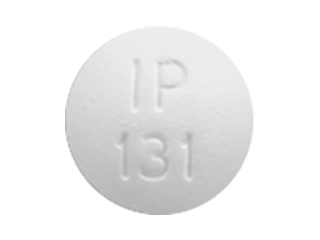
Colchicine (Colchicum autumnale) – Patient Guide (UK)
Colchicine is a medicine derived from Colchicum autumnale (autumn crocus). In the UK, it is used to treat and prevent certain painful inflammatory conditions, most commonly gout attacks and (in some cases) to reduce inflammation in specific heart-related conditions. Because colchicine can be harmful if misused and interacts with several medicines and substances, it’s important to understand how to take it safely.
1) Basic product information
- Medicine name: Colchicine
- Source: Plant-derived (from Colchicum autumnale)
- Common uses in the UK: Gout (treatment of attacks and prevention), and certain specialist uses for cardiovascular inflammation as advised
- How it’s supplied: Typically as tablets/capsules depending on brand and strength available
- Strength: Varies by product; always check the pack label for the correct dose
Important: Colchicine is a high-risk medicine if taken incorrectly. Follow the exact directions provided with your specific pack and avoid doubling doses.
2) How colchicine works (mechanism of action)
Colchicine reduces inflammation by interfering with how white blood cells (neutrophils) respond to crystals in affected tissues. In gout, tiny crystals of urate trigger an inflammatory reaction. Colchicine helps to interrupt key steps in the inflammatory process, which can reduce pain, swelling and redness.
Colchicine’s anti-inflammatory effect is largely linked to its action on microtubules inside cells, which affects cell movement and the release of inflammatory substances.
3) Pharmacokinetics (how the body handles colchicine)
Understanding pharmacokinetics helps explain why interactions and dose changes matter. In broad terms:
- Absorption: After oral dosing, colchicine is absorbed from the gastrointestinal tract. Peak blood levels occur within a few hours (timing varies by formulation and individual factors).
- Distribution: Colchicine distributes into tissues and is taken up by certain cells, contributing to its local anti-inflammatory effects.
- Metabolism: Colchicine is metabolised mainly by liver enzymes, including CYP3A4, and is also influenced by drug transport systems such as P-glycoprotein.
- Elimination: The medicine is cleared via both metabolic pathways and excretion. Kidney and liver function both affect how colchicine is processed.
- Half-life: The effective half-life varies among individuals and can increase in people with kidney and/or liver impairment.
This is why medicines that affect CYP3A4 or P-glycoprotein (and strong CYP3A4 inhibitors in particular) can raise colchicine levels and increase the risk of serious side effects.
4) Typical indications (what colchicine is used for)
Indications can vary by product, dosage strength, and local UK guidance. In general, colchicine is used for:
- Gout: Treatment of acute gout flares in some circumstances, and prevention of gout attacks when starting or adjusting urate-lowering therapy (e.g., allopurinol) as advised.
- Inflammatory conditions related to the heart: In selected patients under specialist care for conditions involving pericardial inflammation or certain cardiovascular inflammation pathways (as directed by clinical guidance and product information).
Your clinician will decide whether colchicine is appropriate based on your condition, risk factors, kidney and liver function, and other medicines you take.
5) Dosing and timing (general guidance)
Dosing for colchicine depends on the condition being treated, the formulation, and your individual risk factors (especially kidney function, liver function, age, and interacting medicines).
5.1 Timing for an acute gout attack
For gout flares, colchicine works best when started early. If it is recommended for you to take at flare onset, begin as directed at the first signs of an attack (for example, pain, swelling, or redness).
Do not exceed the stated dose on the pack or directions. Colchicine is sometimes taken as a short course during the flare, but the exact regimen depends on local protocol and product information.
5.2 Timing for prevention
For prevention of future gout attacks, colchicine is typically taken on a regular schedule for a limited time or as part of a longer plan, depending on your overall treatment strategy. Prevention regimens may be adjusted in people with kidney impairment or those taking interacting medicines.
5.3 Example dosing framework (not a substitute for your instructions)
Because colchicine dosing varies between indications and products, the table below is intended only as a general framework to help you understand typical patterns. Always rely on the dose stated for your specific medicine.
| Use | How it’s often taken | Key safety message |
|---|---|---|
| Acute gout flare | Short course starting as early as possible at onset of symptoms | Strict maximum dose—do not repeat doses too frequently |
| Gout prevention | Regular dosing over days/weeks/months as advised | Adjust for kidney/liver problems and interacting medicines |
| Selected inflammatory heart conditions | Fixed regimen as directed in specialist guidance/product information | Interactions are especially important; confirm your medication list |
6) Food interactions and what to eat
Colchicine can be taken with or without food, but if it upsets your stomach, taking it with meals may help reduce nausea or diarrhoea. Follow the instructions on your pack for the most suitable approach.
Practical tips:
- Avoid grapefruit and grapefruit juice: These may increase colchicine blood levels in some people.
- Check for other “CYP3A4 inhibitor” triggers: Certain foods or supplements can affect drug metabolism. If unsure, ask a pharmacist.
- Stay hydrated: Particularly during gout attacks or if you experience gastrointestinal side effects.
7) Alcohol and medicine interactions
Alcohol does not always have a direct, predictable effect on colchicine levels, but it can increase side effects and complicate treatment, especially if you have liver problems, are dehydrated, or are experiencing gastrointestinal symptoms.
7.1 Alcohol
- General recommendation: Keep alcohol intake modest, and avoid heavy drinking.
- If you get diarrhoea or vomiting: Avoid alcohol until symptoms settle and you’re well hydrated.
- If liver impairment is present: alcohol should be avoided unless your clinician says otherwise.
7.2 Important medicine interactions
Colchicine interacts with several drug groups. These can either raise colchicine levels (increasing toxicity risk) or reduce effectiveness. Always tell a healthcare professional about all medicines and supplements you use.
Examples of medicines/situations commonly associated with increased risk include:
- Strong CYP3A4 inhibitors (e.g., some antifungal medicines and certain antibiotics)
- P-glycoprotein inhibitors
- Some HIV medicines (depending on regimen)
- Statins (cholesterol-lowering medicines) – the combination can increase the risk of muscle damage (myopathy/rhabdomyolysis), particularly in higher-risk patients
- Macrolide antibiotics (e.g., certain drugs within this class)
- Other medicines that affect liver/kidney function
Seek urgent medical advice if you develop severe diarrhoea, vomiting, unusual weakness, muscle pain, dark urine, or signs of infection after starting colchicine, especially if you are taking other interacting medicines.
8) Safety profile and side effects
Like all medicines, colchicine can cause side effects. The risk is higher if the dose is too high, taken too frequently, or if you have kidney/liver impairment or interacting medicines.
8.1 Common side effects
- Diarrhoea
- Nausea and/or vomiting
- Abdominal pain or cramping
- Loss of appetite
8.2 Less common but important risks
- Blood disorders (e.g., low white blood cells or platelets) — uncommon
- Muscle problems, especially when combined with statins or in kidney disease
- Nerve/muscle toxicity (rare, but can be serious)
8.3 When to get help urgently
Contact urgent medical services or seek immediate advice if you experience:
- Severe or persistent diarrhoea/vomiting
- Severe weakness, dizziness, or fainting
- Severe muscle pain or tenderness, especially with dark urine
- Unusual bruising or bleeding
- Signs of an allergic reaction (swelling of the face/lips, difficulty breathing, rash with swelling)
8.4 Special caution groups
- Kidney impairment: Colchicine levels may build up—dose adjustment is often necessary.
- Liver impairment: Increased levels and higher risk of side effects.
- Elderly patients: Greater likelihood of reduced kidney function and interacting medicines.
- People on interacting medicines: Particularly CYP3A4/P-gp inhibitors and statins.
9) Practical use tips (to take colchicine safely)
- Follow the exact regimen: Do not increase the dose to “stop the pain faster”.
- Start early for flare treatment: If your plan includes using colchicine for gout flares, begin at the first symptoms as instructed.
- Keep a medication list: Include over-the-counter products and supplements (e.g., herbal remedies) and show it to a pharmacist or clinician.
- Do not combine with other gout medicines unless advised: Some combinations may be unsafe for you, especially if you have kidney disease.
- Hydrate: If you get gastrointestinal side effects, drink fluids to avoid dehydration.
- Monitor for toxicity: Stop and seek advice if you experience severe diarrhoea, persistent vomiting, or muscle symptoms.
10) Alternative options for gout and similar inflammatory conditions
Choice of alternative depends on the condition being treated, your kidney function, other medications, and your medical history. Common alternatives include:
10.1 For acute gout flares
- Non-steroidal anti-inflammatory drugs (NSAIDs) (when appropriate)
- Corticosteroids (oral or injections in some cases)
- Other anti-inflammatory approaches as advised
10.2 For gout prevention (long-term)
- Urate-lowering therapy such as allopurinol or febuxostat (choice depends on patient factors)
- Lifestyle adjustments (weight management, limiting alcohol and high-purine foods, hydration)
- Preventive anti-inflammatory prophylaxis during starting or adjusting urate-lowering therapy (colchicine is one option)
Your clinician can help choose the safest option based on your risk factors and what medicines you’re already taking.
11) UK market and legal context (high-level)
Colchicine-containing products are regulated medicines in the UK. Product availability, licensed indications and formulations can vary between brands. UK practice is guided by clinical recommendations from bodies such as the NHS and relevant specialist guidance, alongside the information in the Summary of Product Characteristics (SmPC) for the specific product.
Because colchicine can cause serious harm if misused, pharmacies may require additional checks such as confirmation of kidney/liver status and review of potential interactions—particularly with strong enzyme inhibitors and statins.
11.1 Recent guidance and safety focus
Ongoing safety communications and prescribing updates in many countries (including the UK) have emphasised:
- Strict dosing limits and avoiding repeats that increase total daily exposure
- Higher risk with drug interactions (especially CYP3A4 and P-gp interacting medicines)
- Greater caution in kidney disease and older age
- Clear patient instructions on when to seek help for gastrointestinal symptoms and toxicity
12) Delivery and availability (UK)
Colchicine availability may depend on the specific formulation and strength. Online pharmacies in the UK typically:
- Check stock based on your chosen product strength
- Provide estimated delivery times at checkout
- Package medicines safely and discreetly
- May require identity/eligibility checks depending on the medicine and service model
Delivery services usually include tracked postage where available. If a particular strength is temporarily out of stock, you may be offered an alternative supply option or notified of expected restock times.
13) Frequently asked questions (FAQ)
How quickly does colchicine work?
For gout flares, colchicine is designed to reduce inflammation early. Many people notice improvement within the first day, but the exact speed varies. If symptoms do not improve or worsen, seek advice promptly—especially if you suspect dosing errors or interactions.
Can I take colchicine with food?
Yes. If it upsets your stomach, taking it with a meal may help. Always follow your pack instructions.
What should I do if I miss a dose?
Take the missed dose only if your dosing schedule permits it and you are not exceeding your intended regimen. If you’re unsure, consult a pharmacist. Do not take a double dose to make up for a missed one.
Is colchicine safe for everyone?
No. Extra caution is needed for people with kidney or liver impairment, older adults, and those taking interacting medicines (including certain antibiotics, antifungals, HIV medicines, and statins). A pharmacist can review your current medicines to help reduce risk.
Can I drink alcohol while taking colchicine?
It’s generally best to limit alcohol. If you develop diarrhoea or vomiting, avoid alcohol until you feel well again. People with liver problems should avoid alcohol unless advised otherwise by a clinician.
Are there foods I should avoid?
Avoid grapefruit/grapefruit juice as it may increase colchicine levels. Also be cautious with herbal supplements and other products that may affect liver enzymes or transport proteins—ask if unsure.
What side effects should make me stop and seek help?
Seek urgent medical advice if you have severe or persistent diarrhoea/vomiting, signs of serious muscle problems (severe muscle pain, weakness, dark urine), or signs of blood issues (unusual bruising/bleeding). In case of suspected overdose or major interaction risk, urgent help is essential.
Can I take colchicine with my statin?
The combination may be safe in some people, but it increases the risk of muscle toxicity in others—particularly with higher colchicine exposure or kidney impairment. Always check the interaction risk with a pharmacist or prescriber.
What are other options if I can’t take colchicine?
Alternatives depend on your condition. For gout flares, NSAIDs or corticosteroids may be options in appropriate patients. For long-term gout control, urate-lowering medicines and lifestyle changes are central. A healthcare professional can advise the most suitable plan for you.
14) Summary: key points to remember
- Colchicine reduces inflammation and is used for conditions such as gout.
- Start flare treatment early if you are instructed to do so.
- Strict dosing is essential—do not exceed your recommended maximum.
- Drug interactions are common and important, especially with CYP3A4/P-gp inhibitors and statins.
- Watch for side effects—especially severe diarrhoea/vomiting and muscle symptoms—then seek urgent help if severe.
- Consider food factors such as avoiding grapefruit/grapefruit juice.
Disclaimer: This information is for patient education and does not replace advice from a healthcare professional. Always read the patient information leaflet supplied with your medicine and follow the specific instructions for your product.