Colchicum autumnale (Meadow Saffron) — Patient Information (UK)
Colchicum autumnale (often referred to as meadow saffron) is a medicine derived from the plant Colchicum autumnale. It has a long history of use, particularly for conditions such as gout and certain painful inflammatory disorders. This page explains how it works, how it is used, safety considerations, and practical guidance for day-to-day use in the United Kingdom.
Important: Colchicine-containing medicines and products labelled “Colchicum autumnale” vary in form and strength. Always check the exact product name, strength, and directions on your specific label or patient leaflet.
| Topic | What you should know |
|---|---|
| Common use | Gout attacks; prevention of gout flares in some people; management of certain inflammatory conditions as advised by healthcare professionals. |
| How it works | Reduces inflammatory activity by affecting microtubules in immune cells and limiting inflammatory signalling. |
| How quickly it works | For acute gout, benefits are greatest when started early (typically within 24 hours of flare onset). |
| Common side effects | Diarrhoea, nausea, abdominal cramps; in some cases, reduced blood counts or nerve/muscle effects with higher exposure. |
| Who needs extra caution | People with kidney or liver impairment; older adults; those taking interacting medicines (notably some antibiotics and anti-fungal medicines). |
Basic product information
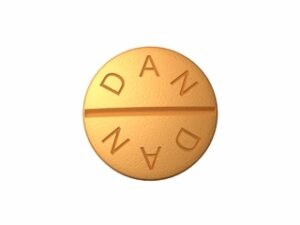
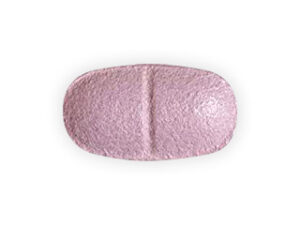
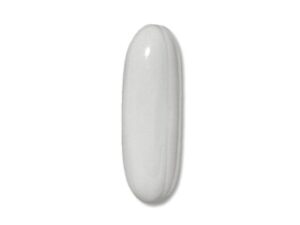
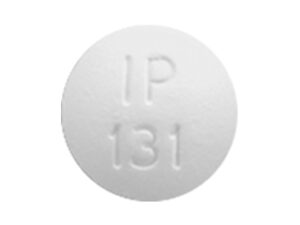
In the UK, colchicine is available as a medicine used for gout and related inflammatory conditions. Depending on the specific brand, presentation, and local prescribing rules, the product may be supplied as tablets or capsules. Some products are also referred to using plant-name wording such as Colchicum autumnale, but the active medicinal substance is colchicine.
- Medicinal substance: Colchicine (from Colchicum autumnale)
- Therapeutic area: Anti-inflammatory / urate-related flare management
- Availability in the UK: Supply depends on the product and your clinical circumstances. Your pharmacist can advise on what is available for your situation.
Mechanism of action (how it works)
Colchicine works mainly by interfering with the internal machinery of certain cells involved in inflammation. It binds to tubulin, a protein required for the formation of microtubules. This affects the movement and activation of cells such as neutrophils that contribute to inflammation.
In gout, inflammatory flares are triggered when uric acid crystals stimulate immune responses. By reducing inflammatory cell activity and signalling, colchicine can help:
- reduce pain and swelling during an acute flare
- lower the intensity and duration of inflammation
- help prevent future flares in people at risk (when used as a preventive regimen as advised)
Pharmacokinetics (absorption, distribution, metabolism, elimination)
How the body handles colchicine can influence both its effectiveness and safety, particularly in people with kidney or liver impairment or those taking interacting medicines.
Absorption
Colchicine is absorbed from the gastrointestinal tract. Absorption can be affected by food and by individual factors. Taking the medicine exactly as instructed helps maintain predictable exposure.
Distribution
Colchicine distributes into tissues and is present in a range of body compartments. Because it can accumulate when clearance is reduced, dose adjustments and extra monitoring may be needed for some patients.
Metabolism
Colchicine is metabolised in the liver to some extent by CYP3A4. It is also a substrate for drug transport proteins (such as P-glycoprotein), which affects how medicines are pumped in and out of cells.
Elimination
Colchicine is cleared mainly through hepatic and biliary routes and to a smaller extent via the kidneys. Kidney or liver impairment can increase colchicine levels, increasing the risk of side effects.
Why interactions matter
Medicines that inhibit CYP3A4 and/or P-glycoprotein can increase colchicine exposure. This can lead to toxicity even if you take the recommended dose. Your pharmacist will screen for interactions with your current medicines.
Typical use in the UK
Colchicine (from Colchicum autumnale) is commonly used in the UK for:
- Acute gout flares: to reduce pain and inflammation when a flare starts
- Prevention of gout flares: in certain people when starting or adjusting long-term urate-lowering treatment, or when advised due to frequent flares
- Other inflammatory conditions: some inflammatory crystal-related disorders may be treated with colchicine depending on clinical assessment (product-specific indications vary).
Timing: when to take it and when it helps most
Timing can be crucial, especially for acute gout. Many people get the greatest benefit when they start colchicine as early as possible after symptoms begin.
- Acute flare: start early in the course of symptoms (often within 24 hours of onset is recommended in clinical practice, and early treatment is generally more effective).
- Prevention: take consistently at the prescribed schedule to help reduce the risk of future flares.
If you miss a dose for prevention, follow the instructions given with your product or by your healthcare professional. In general, do not double up unless specifically told to do so.
Food interactions
Food can affect stomach comfort and, in some cases, absorption. However, colchicine is often taken without a strict food requirement. The best approach is to follow the instructions on your specific label.
Practical guidance:
- If colchicine upsets your stomach, taking it with food may help (only if that is consistent with your product’s directions).
- Avoid very large heavy meals if you find they worsen nausea or diarrhoea.
- Stay well hydrated, particularly if you experience diarrhoea.
Alcohol and medicine interactions
Alcohol does not always directly interact with colchicine in a predictable way, but it may worsen gout by increasing uric acid levels in some people and can aggravate dehydration. Alcohol can also increase the likelihood of stomach upset, nausea, and diarrhoea, which are already possible with colchicine.
How alcohol may affect you
- Gout risk: alcohol may trigger or worsen flares for some individuals.
- GI effects: both alcohol and colchicine can irritate the stomach or cause diarrhoea.
- Kidney function: heavy alcohol intake can contribute to dehydration and may stress kidneys.
If you choose to drink alcohol, consider doing so in moderation and avoid binge drinking. If you notice that alcohol reliably triggers symptoms, discuss a tailored plan with your pharmacist or GP.
Medicine interactions (very important)
Colchicine has significant interaction potential because it is metabolised and transported through pathways affected by other medicines. Some interactions can be serious.
Be particularly careful with medicines that may increase colchicine levels:
- Some antibiotics (for example, clarithromycin)
- Some antifungal medicines (for example, ketoconazole, itraconazole)
- Some antiviral medicines used for HIV or hepatitis (varies by regimen)
- Certain cardiovascular medicines (depending on the specific drug)
- Other medicines that inhibit CYP3A4 or P-glycoprotein
Statins and muscle risk: Colchicine can increase the risk of muscle-related side effects when taken with some statins. If you take a statin and colchicine, report new muscle pain, weakness, or dark urine promptly.
Other medicines that may matter:
- Medicines affecting kidney function (which can change colchicine clearance)
- Any medicine that changes blood cell counts or GI function
- Medicines used for epilepsy or other conditions (some can alter metabolism pathways)
What to do: tell your pharmacist about all medicines you take, including over-the-counter products and herbal remedies. If you are unsure whether something interacts, ask before starting it.
Indications (what it is used for)
Colchicine is used for conditions where inflammation can be driven by urate crystals or similar inflammatory mechanisms. Exact indications depend on the specific authorised product and clinical guidance in the UK.
Common authorised uses in practice
- Acute gout: to treat painful flares
- Prevention of gout flares: often in people starting urate-lowering therapy or those with frequent recurrences
- Other crystal-related or inflammatory conditions: where colchicine is clinically appropriate (as determined by healthcare professionals)
Dosing (general guidance)
Dosing depends on the condition being treated, your kidney and liver function, and the presence of interacting medicines. Always follow the dose on your product label or the instructions you were given.
Acute gout flare (typical concept)
In many regimens used in clinical practice, colchicine is taken at the onset of symptoms and then continued briefly according to the flare response and tolerability. Because dosing schedules can vary between products and guidelines, do not rely on general figures alone.
Prevention (typical concept)
For prevention, colchicine is taken at a lower dose on a regular schedule. This is often longer-term than acute treatment, and side effects may still occur—monitoring is important.
Special populations
- Kidney impairment: dose reduction and additional caution are usually needed; avoid interacting medicines where possible.
- Liver impairment: avoid or reduce dose depending on severity and product advice.
- Older adults: may be more sensitive; careful dose selection and monitoring are important.
- Drug interactions: if an interacting medicine is required, dose may need to change or an alternative chosen.
Maximum dose and toxicity risk
Colchicine has a narrow margin between therapeutic and toxic exposure for some people. Never take more than directed. If you suspect you have taken too much, seek urgent medical advice immediately, especially if you experience severe diarrhoea, vomiting, abdominal pain, or unusual weakness.
Safety profile
Like all medicines, colchicine can cause side effects. Most are related to its effects on the gastrointestinal tract, but more serious adverse effects can occur, particularly with overdose or drug interactions.
Common side effects
- Diarrhoea (can be significant)
- Nausea
- Abdominal pain or cramps
- Vomiting (less commonly)
Less common but important side effects
- Blood count changes (e.g., low white blood cells)
- Muscle problems (especially when combined with certain statins)
- Neurological effects (rare; seek advice if you develop numbness or weakness)
Red flags — seek urgent help if
- Severe or persistent diarrhoea or vomiting
- Signs of dehydration (dizziness, fainting, very dark urine)
- Severe abdominal pain
- Unusual bruising or bleeding
- Muscle pain/weakness, especially with concurrent statin therapy
- Symptoms suggesting an overdose (even if accidental)
Who should take extra care
- People with kidney disease
- People with liver disease
- People taking multiple medicines that can interact
- People who have previously experienced side effects from colchicine
Practical use tips (to get the best benefit and reduce risks)
- Start early for flare treatment: if you are using colchicine for acute gout, begin as soon as the flare starts, as advised.
- Follow the schedule: don’t “top up” doses if symptoms continue—colchicine toxicity risk increases with excess dosing.
- Keep a medication list: include strength and dosing times; show it to pharmacists and clinicians.
- Monitor side effects: diarrhoea is a common early sign of intolerance. If it becomes severe, stop and seek advice as directed by your product leaflet or pharmacist.
- Hydrate: if you have diarrhoea or vomiting, fluids are important.
- Avoid interacting medicines: check before starting antibiotics, antifungals, or other new prescriptions.
- Be cautious with exercise if on a statin: report muscle pain or weakness promptly.
Alternative options
Treatment of gout and related inflammatory conditions often involves a combination of flare management and long-term urate control. Alternatives depend on your health history and what type of flare or condition you have.
Options commonly considered for acute flare management
- Non-steroidal anti-inflammatory drugs (NSAIDs): may reduce pain and inflammation if suitable for you.
- Corticosteroids: sometimes used when NSAIDs or colchicine are unsuitable.
- Other anti-inflammatory strategies: based on your clinical assessment.
Long-term prevention of gout flares
Long-term management typically includes lowering uric acid levels using urate-lowering therapy and lifestyle measures. Many people benefit from tailored plans combining medication and risk factor reduction.
Lifestyle measures that may help
- Maintain a healthy weight
- Reduce alcohol (especially binge drinking)
- Limit sugary drinks and high-purine foods if advised
- Stay well hydrated
- Discuss with your pharmacist how to align diet with your overall health
Your pharmacist can help compare options and advise on suitability and safety based on your other medications and conditions.
Market and legal context in the United Kingdom
In the UK, medicines are regulated by the Medicines and Healthcare products Regulatory Agency (MHRA). Availability, supply rules, and labelling requirements are designed to support safe use. For colchicine-containing products, eligibility and supply may depend on your clinical need and the specific product’s classification and directions.
Gout management in the UK also reflects evidence-based guidance from bodies such as the National Institute for Health and Care Excellence (NICE) and professional rheumatology societies. These resources influence how clinicians choose flare treatments and preventive strategies.
Recent guidance and clinical practice trends
Over recent years, gout management has increasingly emphasised:
- Early flare management with agents shown to reduce inflammation effectively
- Prevention strategies (including short-term prophylaxis when starting urate-lowering therapy for people at risk of flares)
- Careful medication review to reduce interaction-related toxicity risk
- Urate-lowering long-term management where appropriate, rather than relying solely on flare treatment
Guidance continues to evolve as more evidence becomes available. Your pharmacist can provide up-to-date advice on safe use and interaction checks for your specific product.
Delivery and availability (online pharmacy)
Availability online can vary depending on stock, the exact formulation, and your eligibility for supply. Typical delivery arrangements in the UK may include tracked options and next-day or standard delivery, subject to location and product handling requirements.
What you can expect
- Pack size and strength: confirm before checkout by checking the product details.
- Delivery updates: tracked delivery commonly provides email or SMS updates.
- Storage: store tablets/capsules as directed on the pack (usually at room temperature, away from moisture and heat).
If you have urgent symptoms, consider contacting NHS 111 or a healthcare professional rather than relying on delivery timing.
FAQ
1) What is Colchicum autumnale used for?
It is used primarily for painful inflammatory flares associated with gout, and in some cases for prevention of flares or other inflammatory conditions where colchicine is appropriate. Exact uses depend on the authorised product and your clinical assessment.
2) How soon will it start working?
For acute gout, colchicine is most effective when started early after symptoms begin. Many people notice improvement within a day, although timing varies.
3) Can I take Colchicum autumnale with food?
Many people can take colchicine with or without food, but follow your product’s instructions. If it causes stomach upset, taking it with food may help (only if consistent with the leaflet for your specific product).
4) Are there common side effects?
Yes. The most common are gastrointestinal effects such as diarrhoea, nausea, and abdominal cramps. Severe diarrhoea warrants prompt advice—especially if it persists or you feel unwell.
5) What interactions should I be aware of?
Tell your pharmacist about all medicines you take. Colchicine levels can increase with certain antibiotics, antifungals, antivirals, and other medicines affecting CYP3A4 or P-glycoprotein. Taking colchicine with some statins may also increase muscle-related risk.
6) Can I drink alcohol while taking it?
Alcohol may increase the risk of stomach upset and can worsen gout for some people. If you drink, keep it moderate and avoid binge drinking. If alcohol reliably triggers flares, discuss alternatives.
7) What if I have kidney or liver problems?
Extra caution is required. Kidney and liver impairment can increase colchicine exposure and toxicity risk. Your dose and suitability should be confirmed by your pharmacist or prescriber based on your medical history.
8) What should I do if I miss a dose?
For prevention, follow the product leaflet or the directions you were given. In many cases, if you miss a dose you should take it when remembered unless it’s close to your next dose—do not double up. For acute treatment, follow the flare plan provided for your situation.
9) Is Colchicum autumnale safe for everyone?
Not necessarily. People with kidney or liver impairment, older adults, and those taking interacting medicines need careful assessment. Never take more than directed.
10) What are safer “alternatives” if colchicine doesn’t suit me?
Depending on your condition, other treatments may include NSAIDs or corticosteroids for flares, and long-term urate-lowering and lifestyle measures for prevention. A pharmacist can help you understand options and suitability.
Disclaimer: This information is provided to help you understand colchicine (from Colchicum autumnale). It does not replace the advice provided with your specific medicine or by a qualified healthcare professional.