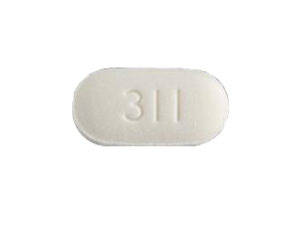


Rifaximin (Rifaximin) – Patient-Friendly Guide
Rifaximin is an antibiotic medicine used to treat certain bowel infections and conditions. It is taken by mouth and acts mainly inside the gut, with very limited absorption into the bloodstream. This guide explains what rifaximin is, how it works, how it’s taken, common interactions, safety considerations, and what to expect in the UK.
At a Glance
- Medicine: Rifaximin
- Type: Antibiotic (poorly absorbed from the gut)
- Main area of action: Intestinal tract
- Common uses: Conditions where gut bacteria play a role (e.g., travel-related diarrhoea and some gut-related encephalopathy settings)
- Administration: Oral tablets or granules (as supplied)
- Key tip: Follow the recommended schedule; do not skip doses
Basic Product Information
Rifaximin is an antibiotic that belongs to the rifamycin class. Unlike many antibiotics, rifaximin is designed to exert local effects in the intestines. Because it is minimally absorbed into the bloodstream, it tends to have lower systemic exposure, which can reduce certain whole-body side effects.
In the United Kingdom, rifaximin may be available under specific brand names and pack sizes depending on supply. Availability can vary by strength, formulation, and clinical indication.
How Rifaximin Works (Mechanism of Action)
Rifaximin works by interfering with bacterial DNA production. It inhibits bacterial RNA synthesis by binding to a bacterial enzyme called DNA-dependent RNA polymerase. This effect blocks the ability of susceptible bacteria to multiply and produce essential proteins.
Because the drug acts in the gut and is poorly absorbed, its antibacterial activity concentrates in the intestinal lumen, where it is intended to work.
Pharmacokinetics (Absorption, Distribution, Metabolism, Elimination)
- Absorption: Very low systemic absorption. Most of the dose remains in the gastrointestinal tract.
- Distribution: Limited distribution to the bloodstream and body tissues due to low absorption.
- Metabolism: The degree of systemic metabolism is limited because systemic exposure is low.
- Elimination: Mainly excreted through the gastrointestinal tract; only small amounts reach systemic circulation.
Practical meaning: many side effects related to systemic antibiotic exposure are less common than with broad-spectrum antibiotics that circulate widely through the body.
Typical Uses and Indications
Rifaximin is used for specific gut-related conditions where antibacterial activity in the intestine is beneficial. Approved indications can vary depending on the exact product and regulatory status in the UK. Common clinical uses include:
| Indication (common examples) | Why rifaximin may be used | What to expect |
|---|---|---|
| Travel-related diarrhoea (depending on local guidance/product licensing) | Helps reduce susceptible bacteria in the intestine | Symptoms may improve within 24–48 hours in appropriate cases |
| Hepatic encephalopathy (gut-focused component) | May reduce production of ammonia and other gut-derived factors | Often used as part of a broader management plan |
| Recurrent gut-related bacterial overgrowth/conditions (where applicable) | Targets susceptible intestinal bacteria | Course and scheduling depend on diagnosis and clinician direction |
If you are unsure whether rifaximin is suitable for your diagnosis, ask a pharmacist for advice and check the patient information leaflet provided with your medicine.
How to Take Rifaximin: Timing and Dosing Approach
Dosing depends on the reason for taking rifaximin, the specific product strength/formulation, and your individual clinical situation. Always use the schedule given with your medicine’s packaging and patient information leaflet.
Typical timing (general guidance)
- Take your doses at even intervals as directed.
- For multiple daily doses, choose times that help you remember (e.g., morning and evening).
- Complete the full course unless advised otherwise.
Common dosing patterns (examples)
In practice, rifaximin courses can vary. Below are general examples of how antibiotics are commonly scheduled—your exact regimen will be stated on your product information.
- Short course for certain diarrhoeal illnesses: Often taken several times daily for a limited number of days.
- Longer or repeated courses in specific gut-related conditions: May be scheduled differently depending on response and clinical plan.
Important: Do not adjust the dose or stop early simply because you feel better. If symptoms return or you are not improving, seek medical advice.
Food and Rifaximin: Food Interactions and What to Eat
Because rifaximin acts locally in the gut and is poorly absorbed, food effects are often less dramatic than with many other medicines. Still, taking it consistently the same way each day can help you manage gastrointestinal symptoms.
- With or without food: In many cases, rifaximin can be taken either with food or between meals. However, follow your product leaflet for the specific instructions.
- Consistency: If your leaflet does not require fasting, choose a routine you can follow.
- Hydration: If you are treating diarrhoea, focus on hydration (oral rehydration solution if needed).
If you experience nausea, take the next dose with a small snack (unless the leaflet says otherwise).
Alcohol and Medication Interactions
Alcohol
In general, there is no universal rule that you must avoid alcohol for rifaximin, but it may worsen stomach upset, diarrhoea, or dehydration—especially if you are currently unwell.
- If you have diarrhoea, it is best to limit or avoid alcohol until you are feeling fully well.
- If you have a condition where alcohol is already advised against (e.g., certain liver-related conditions), follow your clinician’s guidance strictly.
Other medicine interactions (general)
Rifaximin has limited systemic absorption, but interactions can still occur, especially through effects on gut bacteria or through shared pathways for drug transport/metabolism.
- Strong drug inhibitors or inducers: Some medicines can alter how certain antibiotics behave in the body. Check all medicines (including herbal products) with a pharmacist.
- Warfarin (and other anticoagulants): Some antibiotics can influence bleeding risk. If you are on warfarin, you should seek advice before starting rifaximin.
- Other gut-active treatments: Medications affecting intestinal transit, bile acid pathways, or gut flora may change how you feel and how symptoms respond.
- Oral contraceptives: If you have severe diarrhoea or vomiting, absorption of oral contraceptives may be affected. Seek advice if this applies.
Always provide a pharmacist with your full medication list, including over-the-counter products.
Safety Profile: Side Effects, Warnings, and Who Should Be Cautious
Common side effects
- Nausea
- Abdominal discomfort
- Headache
- Flatulence
- Changes in stool (e.g., diarrhoea or constipation depending on the underlying condition)
Less common but important risks
- Allergic reaction: seek urgent help if you develop swelling of the face/lips, breathing difficulties, widespread rash, or severe itching.
- Severe or persistent diarrhoea: antibiotics can rarely contribute to more serious bowel inflammation. Stop and seek urgent medical advice if diarrhoea is severe, watery, contains blood, or is accompanied by fever or significant abdominal pain.
- Drug-specific concerns: follow the leaflet for your exact product as warnings can vary with indication.
When to avoid or use extra caution
Tell a healthcare professional before using rifaximin if you:
- Have a history of allergy to rifamycin antibiotics.
- Have severe ongoing bowel disease or symptoms not clearly explained.
- Are taking multiple medicines with potential interactions.
- Are pregnant, trying to conceive, or breastfeeding (safety depends on the indication and available evidence).
Practical Use Tips (Getting the Best Results)
- Follow the schedule: Set reminders if you need several doses per day.
- Hydrate: If your symptoms include diarrhoea, maintain fluid intake. Consider oral rehydration salts if advised.
- Don’t share your medicine: Antibiotic suitability depends on the exact cause and diagnosis.
- Track symptom changes: If symptoms do not start to improve within the expected timeframe, seek pharmacy advice or medical assessment.
- Report side effects: If you experience severe abdominal pain, rash, or worsening diarrhoea, act promptly.
- Complete the course: Stopping early can lead to incomplete treatment and symptom recurrence.
What to Do If You Miss a Dose
If you miss a dose, take it when you remember unless it is close to the next dose. Do not take a double dose to make up for a missed tablet.
If you’re unsure, check your leaflet or ask a pharmacist for guidance based on your specific schedule.
Alternative Options
Alternatives depend on the underlying diagnosis, severity, local resistance patterns, and your medical history. For diarrhoeal illnesses, clinicians may consider different antibiotics or supportive treatments. For other gut-related conditions, the approach may include non-antibiotic strategies or different antibiotics.
Possible supportive alternatives (often important)
- Oral rehydration and symptom control
- Dietary adjustments (e.g., bland foods during acute diarrhoea)
- Probiotics may be considered in some situations, though evidence varies by condition and product
Other antibiotics or treatments (examples)
Depending on indication, alternative options may include other antibiotic classes or rifamycin-related strategies. A pharmacist can help you understand which options are considered for your situation.
Note: Do not use an alternative antibiotic without professional advice—choosing the wrong one can worsen outcomes or increase resistance risk.
Rifaximin in the United Kingdom: Market and Legal Context
In the UK, antibiotics such as rifaximin are regulated medicines. Their supply, indications, and prescribing/supply pathways are governed by UK medicines legislation and NHS/local clinical guidance. Patient access can also be influenced by whether the medicine is classified for specific pathways (e.g., certain services, pharmacies, and clinical indications).
When browsing online pharmacy listings, you may see product variations by strength, pack size, and formulation, as well as eligibility or questionnaire steps depending on the medicine’s legal classification and clinical suitability requirements.
Recent guidance (high-level themes)
- Antibiotic stewardship: emphasis on using antibiotics only when needed to reduce resistance.
- Targeted therapy: preferences for treatments aligned with likely causes and local guidance.
- Safety monitoring: advice to watch for serious adverse effects and seek help when symptoms worsen.
For the latest information, it’s helpful to refer to NHS guidance or relevant UK clinical summaries for diarrhoea and antibiotic use.
Delivery and Availability (UK)
Availability and delivery options depend on the online pharmacy’s stock, the product strength/formulation, and the standard delivery service selected at checkout. Many UK pharmacies offer:
- Home delivery (with tracking where available)
- Timeframes that vary by location and dispatch schedule
- Packaging that protects medicines and complies with storage requirements
If you need rifaximin urgently (for example, while travelling or in worsening symptoms), contact the pharmacy customer support to confirm stock status and dispatch times.
Storage advice
- Store as directed on the pack (often at room temperature, away from moisture and direct sunlight).
- Keep out of reach and sight of children.
- Do not use beyond the expiry date.
FAQ: Common Questions About Rifaximin
1) What is rifaximin used for?
Rifaximin is used for specific gut-related conditions where bacterial activity in the intestines contributes to symptoms. Examples include certain cases of travel-related diarrhoea and specific types of hepatic encephalopathy management (depending on local licensing and clinical assessment).
2) How quickly should I feel better?
Many people notice symptom improvement within 1–2 days if the condition is caused by susceptible bacteria and the treatment is appropriate. If you are not improving or symptoms worsen, seek advice promptly.
3) Can I take rifaximin with food?
Often rifaximin can be taken with or without food, but follow your specific product leaflet. Taking it consistently the same way each day may help reduce stomach upset.
4) Does alcohol affect rifaximin?
There is no universal requirement to avoid alcohol with rifaximin, but alcohol may aggravate gastrointestinal symptoms and dehydration. If you have diarrhoea or a liver-related condition, it’s best to limit or avoid alcohol and follow relevant medical advice.
5) What if I have diarrhoea—should I stop taking the medicine?
Mild changes in stool can occur. However, if you develop severe diarrhoea, diarrhoea with blood, high fever, or significant abdominal pain, seek urgent medical advice. Do not ignore worsening symptoms.
6) Are there interactions with other medicines?
Interactions can occur with some medicines. Tell a pharmacist about all treatments you take, including warfarin, other antibiotics, and any herbal supplements. If you are taking regular medicines for chronic conditions, it’s important to check safety.
7) Can rifaximin be taken during pregnancy or breastfeeding?
Safety depends on the indication and your individual circumstances. Discuss with a pharmacist or healthcare professional, especially if you are pregnant or breastfeeding.
8) What should I do if I miss a dose?
Take it when you remember unless it is almost time for the next dose. Do not take a double dose. If you are unsure, ask a pharmacist for guidance based on your schedule.
9) Are there alternatives to rifaximin?
Alternatives depend on your diagnosis. Some conditions may be managed with supportive care alone, while others may require different antibiotics or other targeted treatments. A pharmacist can help explain options based on symptoms and medical history.
10) Where can I find more information?
The patient information leaflet included with your medicine provides the most accurate details for your exact product. If you have questions about dose, timing, or interactions, speak with a pharmacist.
Important: This information is designed to be helpful and patient-friendly, but it does not replace the advice provided with your specific medicine. If you have concerns about suitability, side effects, or interactions, speak to a pharmacist.