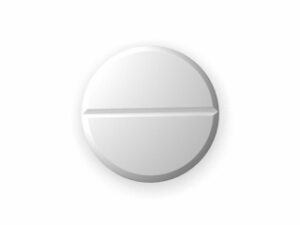

Eplerenone (Eplerenone tablets) – Patient Information
Eplerenone is a medicine used to help protect the heart and blood vessels in certain conditions where hormones such as aldosterone play a harmful role. It belongs to a group of medicines called mineralocorticoid receptor antagonists. This page explains how eplerenone works, how it is typically taken, important safety information, and what to expect when using it.
Key product information
| Feature | Details |
|---|---|
| Medicine name | Eplerenone |
| How it works | Blocks the effects of aldosterone at mineralocorticoid receptors |
| Common strengths | Available in tablet form (strengths vary by brand/manufacturer) |
| Typical dosing schedule | Usually once daily or twice daily depending on the indication and your plan |
| Common monitoring | Blood potassium (K+) and kidney function (creatinine/eGFR) tests |
| Main safety concern | High potassium levels (hyperkalaemia), especially with kidney problems or interacting medicines |
How eplerenone works (mechanism of action)
Eplerenone helps counter the effects of aldosterone, a hormone that can increase fluid retention, raise blood pressure, and contribute to heart and blood vessel damage. Aldosterone acts through mineralocorticoid receptors found in the heart, blood vessels, and kidneys.
By blocking these receptors, eplerenone can:
- reduce harmful fluid and salt retention
- help lower strain on the heart
- support better cardiovascular outcomes in appropriate patients
- reduce progression of certain forms of heart disease
Unlike some other diuretics, eplerenone is designed to have less effect on potassium loss. This makes it effective for preventing potassium wasting, but it also means potassium can sometimes rise—so monitoring is important.
What eplerenone is used for (typical indications)
In the UK, eplerenone is commonly used for cardiovascular conditions where aldosterone contributes to disease progression. Indications may vary by product licence, but typical uses include:
- Heart failure (reduced ejection fraction) after a recent heart attack (often referred to as post–myocardial infarction heart failure), to reduce risk of cardiovascular death and hospitalisation in suitable patients.
- Chronic heart failure with reduced ejection fraction, to reduce risk of cardiovascular death and hospitalisation, in certain patient groups.
- Some patients with hypertension may be considered for eplerenone in specific circumstances, particularly where other options are not suitable; use depends on local clinical guidance and the licensed indication of the specific product.
Your prescriber or pharmacist will confirm your exact reason for taking eplerenone and the appropriate dosing plan.
When to take eplerenone (timing)
Eplerenone is taken as tablets, typically at the same time(s) each day to maintain consistent levels. The timing depends on the dosage instructions you are given:
- Once daily: take it at about the same time each day.
- Twice daily: split doses evenly (e.g., morning and evening) and keep roughly 12 hours between doses when possible.
Can you take it with food?
Food can affect the amount of medicine absorbed. For best consistency:
- Try to take eplerenone consistently with or without food every day.
- If your clinician has advised a particular approach, follow that advice.
Food and interaction considerations
Eplerenone absorption is influenced by meals. In general:
- Taking it with food can increase absorption compared with taking it on an empty stomach.
- Sudden changes (for example, taking it only on an empty stomach one day and with a large meal the next) may make blood levels less predictable.
If you have digestive upset or missed meals, it may be helpful to discuss consistent timing with a healthcare professional or pharmacist.
Pharmacokinetics (how the body handles eplerenone)
Pharmacokinetics describes how the body absorbs, distributes, metabolises, and eliminates a medicine. Key points for eplerenone include:
- Absorption: Eplerenone is absorbed after oral dosing. Food can increase absorption.
- Peak levels: Blood levels rise and typically peak a few hours after taking a dose (exact timing varies between individuals).
- Distribution: Eplerenone distributes into body tissues; it binds to plasma proteins.
- Metabolism: Eplerenone is mainly metabolised in the liver by enzymes in the cytochrome P450 system, particularly CYP3A4. This is one reason why medicines that affect CYP3A4 can change eplerenone levels.
- Elimination: Eplerenone and its metabolites are cleared via metabolic pathways, with elimination through urine and faeces.
- Half-life: Eplerenone has a half-life long enough to support once- or twice-daily dosing depending on the indication and patient factors.
Because metabolism involves CYP3A4 and clearance relates to kidney and liver function, your clinician may adjust dosing and monitor blood tests more closely if you have organ impairment or take interacting medicines.
Typical dosing in adults
Dosing varies by indication, kidney function, and blood potassium levels. Below are common approaches used in clinical practice. Your doctor’s instructions should always be followed.
General dosing principles
- Start low if risk is higher: if you have reduced kidney function or are at risk of higher potassium, clinicians often start with a lower dose.
- Adjust based on blood results: dose adjustments commonly depend on potassium and kidney function checks after starting.
- Watch for interacting medicines: combining with medicines that raise potassium may require dose changes or extra monitoring.
Common dose range
Eplerenone tablets are often prescribed in doses such as:
- 25 mg once daily to begin, with potential titration.
- 50 mg daily as a usual effective maintenance dose in many patients, sometimes split into two doses depending on guidance.
Not every patient will start at the same dose, and not every patient will increase. The plan for your specific situation depends on your blood test results and overall treatment regimen.
Safety profile: what to watch for
Like all medicines, eplerenone can cause side effects. Many people tolerate it well, but it is important to recognise potential problems early—particularly those related to potassium and kidney function.
Most important risk: high potassium (hyperkalaemia)
Eplerenone can increase blood potassium levels because it counteracts aldosterone’s effects on potassium excretion. This risk is higher if you:
- have kidney disease or reduced kidney function
- are older
- take medicines that raise potassium (examples below)
- have dehydration or sudden illness affecting fluid balance
Possible symptoms can include weakness, muscle cramps, tingling sensations, or in severe cases heart rhythm problems. However, hyperkalaemia can also be detected through blood tests before symptoms occur.
Other possible side effects
- headache or dizziness
- fatigue
- nausea, stomach discomfort, or diarrhoea
- low blood pressure symptoms such as light-headedness (especially when starting or adjusting dose)
- raised blood creatinine (a sign kidney function may be changing)
Seek urgent medical help if
- you experience severe dizziness, fainting, or chest pain
- you notice palpitations or feel your heart is beating irregularly
- you develop signs of a serious allergic reaction: swelling of face/lips, trouble breathing, or widespread rash
Monitoring schedule (practical overview)
In many cases, blood tests are checked:
- before starting (to confirm potassium and kidney function are suitable)
- after initiating treatment or changing dose (to ensure potassium does not rise too high)
- periodically thereafter, especially if kidney function changes or interacting medicines are added
Your prescriber will specify the exact timing. Keeping appointments for blood tests is one of the most important parts of safe use.
Alcohol interactions
Eplerenone itself is not known for a specific “dangerous” interaction with alcohol in the way some medicines are; however, alcohol can still affect:
- blood pressure (possible added dizziness or light-headedness)
- hydration (dehydration can worsen kidney function and increase potassium risk)
- adherence (missing doses around drinking episodes)
If you drink alcohol, consider keeping to moderate intake and avoid binge drinking. If you feel dizzy, especially soon after starting or increasing the dose, talk to a clinician.
Medicine interactions: important examples
Because eplerenone affects potassium and is metabolised by CYP3A4, interactions can be clinically significant. Always tell your pharmacist about: all prescription medicines, over-the-counter products, herbal remedies, and supplements.
Medicines that can raise potassium (increase hyperkalaemia risk)
Combining eplerenone with other medicines that increase potassium may significantly increase the risk of high potassium. Examples include:
- Other potassium-sparing diuretics (e.g., amiloride, triamterene)
- ACE inhibitors (e.g., ramipril, lisinopril)
- Angiotensin-II receptor blockers (ARBs) (e.g., losartan, valsartan)
- Potassium supplements or salt substitutes containing potassium
- Some treatments for heart conditions that may influence potassium handling (the need depends on your regimen)
These combinations are sometimes used under close medical supervision, but they require careful potassium and kidney monitoring.
Medicines that affect metabolism (CYP3A4 interactions)
Eplerenone is metabolised by CYP3A4. Medicines that inhibit CYP3A4 can increase eplerenone levels, raising the risk of side effects (including hyperkalaemia).
Examples of common CYP3A4 inhibitors can include:
- Some antifungal medicines (e.g., ketoconazole, itraconazole)
- Some antibiotics (e.g., clarithromycin)
- Some medicines for HIV (depending on regimen)
- Grapefruit or grapefruit juice (may increase levels)
Not all patients will need to avoid these, but many combinations require adjustment or extra monitoring. Your pharmacist can check your specific product list for interactions.
Anti-inflammatory medicines (NSAIDs)
Non-steroidal anti-inflammatory drugs (NSAIDs) can sometimes affect kidney function, which may increase risk when combined with medicines that alter kidney-related potassium handling. Examples include ibuprofen and diclofenac.
If you need pain relief, ask a pharmacist what is safest for you in combination with eplerenone.
Practical use tips
- Take regularly: eplerenone works best when taken consistently.
- Don’t stop suddenly: do not stop eplerenone without professional advice, especially in heart failure.
- Keep blood tests on track: potassium and kidney tests help prevent complications.
- Avoid potassium-containing “alternatives”: check labels on salt substitutes and supplements.
- Be cautious with dehydration: vomiting, diarrhoea, or heavy sweating can affect kidney function—seek advice if you become unwell.
- Report new medicines quickly: whenever you start a new OTC product or prescription medicine, ask about interaction risk.
What to do if you miss a dose
If you miss a dose of eplerenone, take it when you remember unless it is close to the time of your next dose. In general:
- Do not take a double dose to make up for the missed tablet.
- Follow the advice from your pharmacist or the patient information leaflet for your specific product.
Alternative options
Whether an alternative is appropriate depends on the condition being treated and your personal factors (kidney function, blood potassium, and other medications). In cardiovascular care, alternatives may include:
- Other mineralocorticoid receptor antagonists (e.g., spironolactone) – may be used in similar conditions, with different side-effect considerations. Spironolactone can cause hormone-related effects more often in some patients.
- Other heart failure medicines – depending on your diagnosis, clinicians may prescribe combinations such as ACE inhibitors/ARBs, beta-blockers, and other modern heart failure treatments.
- Blood pressure alternatives – if eplerenone is used for hypertension-related indications, other antihypertensive classes may be considered.
Discuss options with a healthcare professional before switching. A change in medicine may require different monitoring.
UK market and legal context (overview)
In the United Kingdom, medicines containing eplerenone are regulated under the Medicines and Healthcare products Regulatory Agency (MHRA) and are supplied in line with the UK’s medicine regulation framework. Availability may include branded products and/or generic equivalents depending on manufacturer, strength, and the form available on the market.
Supply is subject to legal requirements and pharmacy processes. To support safe use, clinicians and pharmacists may require patient-specific assessment and blood test results.
Recent guidance and monitoring considerations
Clinical practice in heart failure and cardiovascular care continues to evolve. Current approaches generally emphasise:
- optimising guideline-based heart failure therapies
- avoiding preventable side effects by careful selection and monitoring
- regular checking of potassium and kidney function when using therapies that affect the renin–angiotensin–aldosterone system
- reviewing medicines that increase potassium or interact through CYP pathways
Your pharmacist can remind you what monitoring is planned for your specific treatment and help you understand why it matters.
Delivery and availability (online pharmacy)
Availability of eplerenone tablets may vary by strength and brand. In an online pharmacy setting, you can typically expect:
- Stock confirmation before dispatch
- Secure packaging to protect tablets during transit
- Delivery options that may vary by location and time of order
Delivery times are influenced by supplier dispatch schedules, local courier services, and whether the item is in stock. If a product is temporarily unavailable, you may be offered an alternative strength/brand where appropriate and safe.
Please allow extra time around weekends and public holidays.
FAQ
1. Is eplerenone a diuretic (water tablet)?
It is sometimes described alongside diuretics because it influences kidney-related salt and fluid balance, but it works by blocking mineralocorticoid receptors rather than acting like traditional “water tablets.” Its main safety monitoring focus is potassium.
2. Will eplerenone make me urinate more?
Some people notice changes in urination, but eplerenone is not primarily intended as a fast “water draining” medicine. If you notice significant changes, swelling, or dizziness, contact your clinician.
3. How soon will eplerenone start working?
For heart-related benefits, effects develop over time as part of ongoing treatment. Blood potassium and kidney function may need review soon after starting or changing the dose.
4. What blood tests do I need?
Most importantly, doctors check:
- Potassium levels (K+)
- Kidney function (creatinine and estimated glomerular filtration rate, eGFR)
The timing of tests differs between individuals, but it is commonly done before starting and after any dose changes.
5. Can I take ibuprofen or other painkillers?
NSAIDs such as ibuprofen can affect kidney function. Don’t start frequent or high-dose NSAID use without asking a pharmacist or clinician. They can suggest safer options for your situation.
6. Can I drink grapefruit juice?
Grapefruit products may increase eplerenone levels in the body. To reduce interaction risk, it is often best to avoid grapefruit unless your clinician has said it is safe for you.
7. What if I feel unwell with vomiting or diarrhoea?
Illness that causes dehydration can affect kidney function and increase the risk of electrolyte disturbances. If you become unwell, seek advice—especially if you have heart failure or take other medicines that affect potassium.
8. Are there any signs of high potassium?
Sometimes there are no symptoms. When symptoms occur, they may include weakness, muscle cramps, tingling sensations, or palpitations. Blood testing is the most reliable way to detect it early.
9. How do I store eplerenone?
Store tablets in a safe place at room temperature, away from moisture and direct heat. Keep them out of sight and reach of children. Follow the storage instructions provided with your specific product.
10. Can I stop eplerenone if I feel better?
Do not stop eplerenone suddenly without advice. Heart failure therapies are often long-term to reduce risk, even if you feel stable.
Summary
Eplerenone is a mineralocorticoid receptor antagonist used to help manage specific cardiovascular conditions, particularly in suitable patients with heart failure. It blocks aldosterone’s harmful effects, offering benefits that develop alongside other recommended heart treatments. Because it can raise blood potassium, safe use depends on careful dosing and regular blood tests, plus awareness of food and medicine interactions.