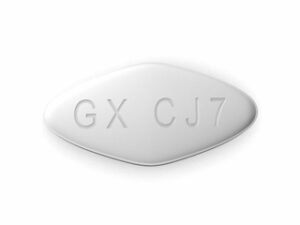


Famciclovir (Famciclovir Tablets) — Patient Guide (UK)
This patient-friendly guide explains what famciclovir is, how it works, how it is usually taken, and what to expect. It also covers safety information, practical tips, and common questions. This information is for general understanding and does not replace advice from a healthcare professional.
1) Basic product information
- Generic name: Famciclovir
- Common brand names: Varies by manufacturer (often supplied under different brand names depending on the UK market)
- Medicine type: Antiviral (nucleoside analogue)
- Available forms: Tablets
- How it is used: To treat and, in some situations, help manage outbreaks caused by herpes viruses
Famciclovir is used for infections caused by certain members of the herpesvirus family, including herpes simplex virus (HSV) and herpes zoster (shingles).
2) How famciclovir works (mechanism of action)
Famciclovir is a prodrug, meaning it is converted in the body to its active form.
- After swallowing, famciclovir is converted mainly to penciclovir, the active antiviral substance.
-
Penciclovir works by interfering with viral DNA production:
- It is taken up by infected cells and converted to a form that blocks viral replication.
- The result is reduced multiplication of the virus and faster resolution of symptoms in many patients.
Famciclovir does not cure herpes viruses or remove them permanently from the body. Instead, it helps control viral activity during outbreaks.
3) Pharmacokinetics (how the body handles it)
While exact numbers can vary by patient and formulation, the key pharmacokinetic features include:
- Absorption: Famciclovir is absorbed from the gut and then converted to its active form (penciclovir).
- Activation: Conversion occurs after absorption, producing penciclovir, which has antiviral activity.
- Distribution: The active antiviral reaches tissues involved in herpes infections.
- Elimination: The medicine and its metabolites are cleared largely via the kidneys.
- Half-life (practical meaning): The active antiviral persists long enough to support dosing schedules used clinically.
Because renal (kidney) function affects drug clearance, dose adjustments may be needed in people with reduced kidney function.
4) Typical use in the UK
Famciclovir is used to treat or manage outbreaks of herpes-related conditions such as:
- Herpes simplex (e.g., recurrent genital herpes or herpes affecting skin/mucous membranes)
- Shingles (herpes zoster)
- Reducing duration of symptoms and helping with healing when started early
Clinicians may choose famciclovir based on the specific condition, outbreak severity, and patient factors such as kidney function, previous response, and convenience of dosing.
5) When to start (timing)
Timing is important. Antiviral medicines generally work best when taken as early as possible during an outbreak.
- Shingles: Start ideally within the early phase of the rash, often within 72 hours of onset (earlier is usually better).
- Genital herpes / recurrent HSV: Start at the beginning of symptoms or when prodromal signs occur (tingling, burning, itching, or early pain).
If you are unsure whether your symptoms fit an indication, seek guidance from a healthcare professional promptly.
6) Indications (what it is used for)
In the UK, famciclovir may be used for the following indications (depending on local protocols and product availability):
- Herpes zoster (shingles): To reduce the duration of symptoms and support healing when started early.
- Recurrent genital herpes (HSV): To treat outbreaks; sometimes also used to help reduce the frequency of recurrences in selected people.
- Other HSV-related conditions: Depending on the clinical situation and local guidance.
Not every person with suspected herpes needs antiviral treatment. Diagnosis and assessment are important, especially to distinguish herpes from other causes of rash, ulceration, or pain.
7) Dosing (general guidance)
Dosing depends on the condition being treated, whether it is an acute outbreak or longer-term management, and your kidney function. Because dosing schedules can vary, always follow the instructions provided with your medicine.
Common dosing patterns (general examples):
- Shingles: Often prescribed multiple times per day for a short course to help reduce symptoms and hasten healing.
-
Recurrent genital herpes: Often prescribed either as:
- Outbreak treatment for a short course during flares, or
- Suppressive (preventive) regimens for people with frequent recurrences.
Kidney impairment: Since the medicine is cleared by the kidneys, your clinician may reduce the dose or adjust the dosing interval if you have reduced renal function.
Children: Use in children depends on indication, age, and formulation availability. Dosing must be determined by a healthcare professional.
8) Food interactions
Famciclovir can generally be taken with or without food, which makes it convenient for many people.
- With food: Many people find taking tablets with meals easier on the stomach.
- Without food: If you take it on an empty stomach and you feel stomach upset, consider taking it with food next time (unless told otherwise).
If you have a history of nausea or stomach sensitivity, discuss with a pharmacist for tailored advice.
9) Alcohol interactions
Famciclovir does not have a well-known direct interaction with alcohol in the way some other medicines do. However, alcohol can still affect how you feel and may worsen side effects such as:
- nausea or dizziness
- sleep disruption
- dehydration
Practical advice: If you are unwell or have shingles or a painful flare, consider limiting alcohol during treatment and focus on hydration.
10) Medicine interactions (including important cautions)
Always tell a healthcare professional and a pharmacist about all medicines you take, including over-the-counter products and herbal remedies.
Key interaction considerations:
- Kidney-related risk: Because famciclovir is cleared via the kidneys, medicines that affect kidney function may require closer monitoring or dose changes.
- Other antivirals or related medicines: Combining antivirals should be done only under clinical guidance to ensure safety and appropriate dosing.
- Immunosuppressants: People with suppressed immune systems (for example, after organ transplant) may be managed differently; interaction and dosing considerations are particularly important.
If you take medicines for kidney problems, gout, dehydration, or use “water tablets” (diuretics), mention this when seeking advice about famciclovir.
11) Safety profile (what to expect and who should be careful)
Common side effects
Many people tolerate famciclovir well. Possible side effects include:
- headache
- nausea
- diarrhoea
- dizziness
- fatigue
Less common but important side effects
- allergic reactions (e.g., rash, swelling, itching)
- more significant gastrointestinal upset
- unusual bruising or bleeding (seek advice)
Seek urgent medical help if
- you develop signs of a severe allergic reaction such as difficulty breathing, swelling of the face/lips, or widespread rash with breathing problems
- you are very unwell or symptoms rapidly worsen
Who should be extra careful
- Kidney disease: Dose adjustments may be necessary.
- Older adults: Kidney function may be reduced with age.
- Immunocompromised patients: HSV or shingles can be more severe; treatment plans may differ.
- Pregnancy and breastfeeding: Use in pregnancy or breastfeeding should be discussed with a clinician; the balance of benefits and risks depends on your situation.
12) Practical use tips (how to take famciclovir effectively)
- Start early: Begin treatment at the first signs of an outbreak (or within the recommended window for shingles).
- Take doses evenly: If your schedule involves multiple doses per day, aim to space them out evenly.
- Complete the course: Even if you feel better, finish the prescribed duration unless advised otherwise.
- Hydration helps: Drink fluids as normal to support kidney clearance.
- Keep skin clean and protected: For shingles or genital outbreaks, gentle care can reduce irritation; avoid picking or scratching.
- Avoid contact during outbreaks: Herpes viruses can transmit. Use appropriate precautions to reduce the risk of spreading infection.
For genital herpes, it is also helpful to practise safe sex and consider barrier methods during symptomatic periods. Discuss tailored prevention strategies with a healthcare professional.
13) Alternative options
Depending on the specific condition and patient factors, healthcare professionals may consider other antiviral medicines in the same general area, such as:
- Acyclovir
- Valaciclovir
- Other herpes-directed antivirals based on clinical need
Your choice may depend on:
- frequency of dosing and convenience
- kidney function and required dose adjustments
- your history of outbreaks and response to antivirals
- tolerability and side effects
If you have a poor response or intolerable side effects with one antiviral, ask for advice about options.
14) Market and legal context in the UK
In the United Kingdom, the availability of medicines is regulated to support safe use. Antiviral medicines for herpes infections are commonly provided through NHS pathways or private healthcare services depending on circumstances.
- Regulated supply: Medicines may be listed on different pharmacy routes depending on product type and clinical governance.
- Patient safety focus: UK practice emphasises screening for relevant medical history (e.g., kidney function, pregnancy/breastfeeding status, drug interactions).
- Pharmacist support: Community pharmacists often help guide appropriate use, dosing timing, and side effect management.
Online pharmacies in the UK typically require appropriate checks to ensure the medicine is suitable and used safely.
15) Recent guidance and clinical considerations (UK-oriented)
Clinical guidance for herpes infections generally emphasises:
- Early antiviral treatment to improve outcomes
- Individualised regimens depending on severity, recurrence frequency, and immune status
- Renal function assessment for dosing safety
- Supportive care alongside antivirals (pain relief, skin care, hydration)
Recommendations can be updated as new evidence becomes available. Healthcare professionals may follow national guidance from relevant UK bodies and maintain up-to-date local protocols.
16) Delivery and availability
Online pharmacies serving the UK may offer:
- Home delivery (timing varies by provider)
- Discreet packaging to protect privacy
- Stock availability that can change due to supply chains
Availability and delivery times can vary by location and order processing times. If you need the medicine urgently—particularly for shingles—consider ordering as soon as possible and check expected delivery at checkout.
17) FAQ (frequently asked questions)
Is famciclovir the same as aciclovir?
No. Famciclovir is different from aciclovir (acyclovir). Both are antivirals used for herpes virus infections, but they are taken and processed differently in the body. Choice of antiviral depends on the infection type, dosing schedules, kidney function, and patient preference.
When will I feel better after starting famciclovir?
Many people notice improvement within a few days, especially if treatment begins early. Shingles symptoms and nerve pain can take longer to settle. If symptoms worsen or new symptoms appear, seek medical advice promptly.
Can I take famciclovir more than once a year?
Recurrent herpes infections may require repeated treatment courses during outbreaks. If outbreaks are frequent, clinicians may consider suppressive regimens. Ask for guidance if you have repeated episodes so a plan can be tailored to you.
What if I miss a dose?
Take the missed dose as soon as you remember unless it is close to your next dose. Do not take two doses together to make up for a missed dose. If you are unsure, ask a pharmacist.
Can I take famciclovir with pain relief for shingles?
Many people use supportive pain relief alongside antivirals for shingles, but the safest options depend on your medical history and other medicines. Discuss with a pharmacist if you’re unsure which pain relief is suitable for you.
Does famciclovir prevent transmission of herpes?
Antivirals can reduce viral activity during outbreaks, which may reduce the risk of transmission. However, transmission risk is not zero. For genital herpes, barrier protection and avoiding sex during symptoms are important. For shingles, avoid close contact with people who have low immunity or who are pregnant if you have an active rash that can spread virus.
Can I use famciclovir if I have kidney problems?
You may still be able to use it, but the dose often needs adjustment. Tell a clinician/pharmacist about kidney disease or any recent kidney-related lab results so dosing can be checked safely.
Are there special considerations for pregnancy or breastfeeding?
If you are pregnant, planning pregnancy, or breastfeeding, discuss your situation with a healthcare professional. They can advise whether famciclovir is appropriate and what benefits/risk apply to you.
What should I do if I develop a rash while taking it?
Mild skin reactions can occur for many reasons. However, if you develop a severe allergic-type reaction (swelling, breathing difficulty, widespread rash), seek urgent medical help. For any concerning rash, contact a clinician or pharmacist for advice.
Can I drink alcohol while taking famciclovir?
There is no universally established direct alcohol interaction, but alcohol may worsen dehydration or side effects such as dizziness or nausea. It’s usually sensible to limit alcohol and focus on hydration during illness.
18) Quick summary
Famciclovir is an antiviral tablet medicine used for herpes virus infections such as shingles and recurrent genital herpes. It is converted in the body to an active antiviral that helps stop viral replication. For best results, treatment is generally started as early as possible in the course of an outbreak, and dosing may need adjustment with reduced kidney function. Most people tolerate famciclovir well, though side effects such as headache and nausea can occur.
If you have questions about suitability, timing, dosing schedules, or interactions with your other medicines, speaking to a pharmacist is a helpful next step.
| Topic | What to know |
|---|---|
| Medicine class | Antiviral (nucleoside analogue) |
| Active action | Converted to penciclovir to reduce viral DNA replication |
| Best timing | Start early during outbreak (especially within the early window for shingles) |
| Food | Often can be taken with or without food |
| Kidney function | Dose adjustment may be needed; important for safe use |
| Common side effects | Headache, nausea, diarrhoea, dizziness |