
Famvir (Famciclovir) — Patient-Friendly Guide (UK)
Famvir contains famciclovir, an antiviral medicine used to treat certain viral infections. It belongs to the group of medicines called antivirals (systemic)—specifically, nucleoside analogues used against herpes viruses.
This guide explains what Famvir is, how it works, how it’s usually taken, important safety information, and practical tips for using it effectively. It also includes UK-specific context such as availability and commonly asked questions.
Quick product information
| Feature | Details |
|---|---|
| Active ingredient | Famciclovir |
| Brand name | Famvir |
| Medicine type | Antiviral (for herpes viruses) |
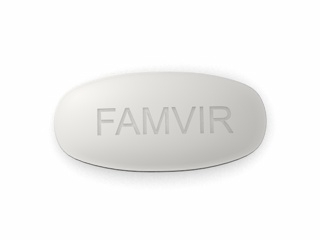
| Common form(s) | Tablets (strengths may vary) |
| Typical dosing frequency | Often 2–3 times daily depending on the condition |
| Best results | Start as early as possible after symptoms begin |
How Famvir works (mechanism of action)
Famciclovir is converted in the body to its active form: penciclovir. Penciclovir acts against herpes viruses by interfering with their ability to replicate their DNA.
In simple terms:
- Herpes viruses need to make copies of their genetic material to spread and multiply.
- Penciclovir targets viral replication by blocking DNA synthesis.
- This helps reduce viral activity and can shorten the duration of symptoms such as pain, itching, and blistering.
Important: Famvir does not generally “cure” herpes viruses. These viruses can remain in the body and reactivate later. However, treatment can control and reduce outbreaks.
Pharmacokinetics (how the body handles the medicine)
“Pharmacokinetics” describes what happens to a medicine in the body—how it’s absorbed, processed, and removed.
- Absorption: Famciclovir is absorbed after oral dosing and is converted into penciclovir (the active antiviral).
- Distribution: The active metabolite reaches infected tissues, helping antiviral activity where it’s needed.
- Metabolism: Famciclovir is rapidly metabolised to penciclovir.
- Elimination: Most of the active components are eliminated via the kidneys (urine).
Kidney function matters. Because elimination involves the kidneys, people with reduced kidney function may require dose adjustments. If you have kidney disease, it’s particularly important to follow the dosing plan provided by your healthcare professional.
Typical uses in clinical practice
Famvir is used for infections caused by certain herpes viruses, including:
- Shingles (herpes zoster) — usually treated to reduce duration and complications.
- Genital herpes — used for episodes (pain and lesions) and sometimes for suppressive management in recurrent cases.
- Cold sores (herpes labialis) — used in selected cases, often when symptoms are frequent or severe.
- Other herpes-related conditions as determined by clinical assessment.
In general, antiviral treatment works best when started early—often within the first 24 hours of symptoms (or as soon as blistering appears), depending on the specific condition.
Timing: when to take Famvir for best effect
Antiviral medicines are most effective when the viral replication is still active, so timing can make a difference.
- Start promptly: Begin treatment as early as possible after the first signs of an outbreak (tingling, itching, pain, or early lesions).
- Keep to the schedule: Taking doses at consistent intervals helps maintain effective drug levels.
- Complete the course: Even if you feel better, finish the full prescribed/allocated course unless advised otherwise.
Missed dose guidance: If you miss a dose, take it when you remember unless it’s close to the time for the next dose. Avoid doubling doses.
Food interactions: can you take it with meals?
Famvir can generally be taken with or without food. Food is not usually expected to significantly reduce effectiveness.
However, practical tips include:
- If you experience stomach upset, taking Famvir with food may improve comfort.
- Maintain a consistent routine if you can, especially if you’re taking multiple doses per day.
If you have a sensitive stomach or a specific condition affecting digestion, it’s sensible to take the medicine in a way that you find tolerable.
Alcohol and medicine interactions
Alcohol does not have a well-known direct interaction with famciclovir in the way some medicines do. Still, alcohol may worsen side effects or impair recovery by:
- increasing dehydration
- contributing to fatigue
- potentially affecting sleep and immune response
Practical advice:
- If you choose to drink alcohol, do so in moderation.
- Avoid heavy drinking, especially during active outbreaks or if you are unwell.
Other medicine interactions: Famciclovir can be affected by medicines that influence kidney function and drug clearance. Common interaction concerns include:
- Medicines that affect the kidneys (for example, certain diuretics, non-steroidal anti-inflammatory drugs used frequently, or other renally cleared medicines)
- Other antivirals or immunosuppressants used for complex conditions
Always provide a complete list of medicines and supplements to your healthcare team/pharmacist so they can check for interactions and adjust the dose if needed—especially if you have reduced kidney function.
Indications: which infections Famvir may be used for
On UK formularies and in clinical practice, famciclovir is used for herpes virus infections such as:
- Herpes zoster (shingles): treatment of shingles in adults; it may help reduce the duration of symptoms and may lower the risk of certain complications.
- Herpes simplex: includes genital herpes episodes and recurrent disease; may also be used for oral herpes outbreaks in appropriate circumstances.
- Recurrent outbreaks: sometimes used for people with frequent episodes to reduce outbreak frequency and severity (a plan tailored to the individual).
Selection depends on the type of herpes infection, severity, timing of symptoms, and patient factors such as immune status and kidney function.
Dosing (general information)
Because dosing varies by infection type and patient circumstances, use the dosing schedule given by your healthcare professional and the information on the medicine label/leaflet. The sections below give general dosing principles.
- Shingles: commonly given as multiple doses per day for a limited course (for example, 7 days is often used in practice). The exact strength and frequency can vary.
- Genital herpes: dosing may differ for initial episodes versus recurrent outbreaks; treatment may be shorter for recurrences than for initial disease.
- Suppression for recurrent disease: sometimes involves lower doses taken regularly over time, depending on episode frequency and clinical plan.
Kidney impairment: dose adjustments are commonly needed when kidney function is reduced. This is one of the most important “dose factors.”
Immunocompromised patients: dosing plans may differ and close clinical supervision may be required.
Always check the strength: Famvir tablets come in different strengths. Ensure you take the correct number of tablets as directed.
Safety profile: side effects and what to watch for
Most people tolerate famciclovir well, but like all medicines it can cause side effects.
Common side effects
- Headache
- Nausea
- Diarrhoea or stomach discomfort
- Fatigue or general unwell feeling
Less common but important side effects
- Skin reactions (rash)
- Dizziness
- Vomiting
Seek urgent medical advice if
- you develop signs of an allergic reaction (swelling of face/lips, difficulty breathing, widespread rash)
- you experience severe or persistent symptoms such as severe dehydration, confusion, or reduced urination
- you have symptoms suggesting kidney problems (for example, significantly reduced urine output)
Precautions
- Kidney disease: requires careful dosing and monitoring.
- Older adults: kidney function may decline with age; dose adjustments may be needed.
- Pregnancy and breastfeeding: decisions depend on your situation; discuss risks and benefits with a healthcare professional.
- Immune system status: people with weakened immunity may need specific treatment plans.
Practical use tips (to get the most from treatment)
- Start early: treat outbreaks promptly—especially if you notice tingling, itching, or pain before blisters.
- Hydrate: drink water regularly, particularly if you feel unwell (support kidney function).
- Protect others: herpes can spread through direct contact. Avoid skin-to-skin contact with lesions and use barrier protection where relevant, especially during active outbreaks.
- Comfort measures: consider additional symptom relief (for example, pain relief as recommended by a pharmacist) alongside the antiviral plan.
- Keep a symptom diary: for recurrent episodes, noting triggers and timing can help your clinician tailor a strategy.
Alternative treatment options
Depending on the herpes infection type and your circumstances, other antiviral medicines may be used. Common alternatives include:
- Acyclovir (often used for herpes simplex and shingles)
- Valaciclovir (a related antiviral sometimes chosen for convenience of dosing)
- Other antivirals may be considered for specific cases
The “best” option depends on factors such as dosing frequency, kidney function, availability, and the clinical scenario. If you’re considering switching, it’s best to confirm the most suitable choice with a clinician or pharmacist.
UK market and legal context (availability and guidance)
In the United Kingdom, medicines like Famvir are regulated and supplied in line with UK healthcare regulations. Access pathways typically involve appropriate clinical assessment and a suitable supply route through licensed pharmacies.
Key points for patients:
- Medicines must be supplied legally through properly regulated channels.
- Use should follow relevant prescribing and clinical guidance for the diagnosis, severity, and timing of symptoms.
- Antiviral effectiveness depends on early treatment—delays may reduce benefit.
Recent UK guidance (general themes): clinical guidance across the UK continues to emphasise prompt initiation of antiviral therapy for shingles and herpes simplex, plus attention to kidney function, immune status, and symptom control strategies.
Delivery and availability (online pharmacy)
Availability can vary by strength and pack size. Most online pharmacies in the UK aim to provide:
- Clear product information including strength and tablet count
- Secure delivery to your nominated address
- Delivery time estimates shown at checkout
- Packaging designed to protect tablets during transit
If you need the medicine urgently (for example, to start treatment soon after symptoms begin), check estimated dispatch and delivery times before placing an order.
Storage: follow the instructions on the pack. Keep tablets in the original packaging, protect from moisture and out of reach of children, and store at the recommended temperature.
FAQ: Famvir (famciclovir)
1) What is Famvir used for?
Famvir is used to treat infections caused by certain herpes viruses, most commonly shingles (herpes zoster) and herpes simplex infections such as genital herpes. The exact use depends on diagnosis and timing of symptoms.
2) How quickly will I feel better?
Many people notice improvement within a few days, but it varies. Starting treatment early can improve outcomes. Pain and discomfort may take longer to settle than the lesions.
3) Should I take Famvir with food?
In most cases, you can take famciclovir with or without food. If you experience nausea or stomach upset, taking it with food may help.
4) Can I drink alcohol while taking Famvir?
There is no widely recognised direct interaction, but alcohol may worsen side effects and delay recovery. If you drink, do so in moderation and stay well hydrated.
5) What if I have kidney problems?
You may need a different dose. Kidney function affects how the medicine is cleared from your body, so it’s important to ensure the dosing plan is appropriate for your situation.
6) Can I take other medicines at the same time?
Some medicines—especially those affecting kidney function—may require extra caution. Always check with a pharmacist and provide a full list of your medicines and supplements.
7) Does Famvir stop herpes from coming back?
Famvir treats outbreaks and reduces viral activity, but it does not eliminate the virus permanently. Some people benefit from a suppressive strategy if outbreaks are frequent.
8) Is Famvir safe for everyone?
Most people tolerate it well, but safety depends on individual factors such as kidney function, age, other medical conditions, and history of allergic reactions. If you have concerns, discuss them with a healthcare professional.
9) What side effects are common?
Common side effects include headache, nausea, diarrhoea, and fatigue. Seek urgent advice for signs of an allergic reaction or severe symptoms.
10) What should I do if I miss a dose?
Take it when you remember unless it’s nearly time for your next dose. Do not take double doses to make up for a missed dose.
11) Can Famvir be used for cold sores?
Famciclovir may be considered for herpes labialis in appropriate circumstances. The best choice and timing depend on your pattern of outbreaks and clinical assessment.
12) How do I prevent spreading herpes to others?
Avoid direct contact with active lesions. Use barrier protection when relevant to reduce transmission risk, and consider keeping the affected area clean and covered where appropriate.
Disclaimer: This information is intended for patient education and does not replace advice from a qualified healthcare professional. Always read the patient information leaflet provided with your medicine and follow the dosing instructions on the package.