
Floxin (Ofloxacin) — Patient Information (UK)
Floxin is a brand name for ofloxacin, an antibiotic medicine from the fluoroquinolone group. It is used to treat certain bacterial infections in adults and, in some circumstances, in younger patients as advised by a healthcare professional. This page explains what Floxin is, how it works, how it is usually taken, and key safety information to help you use the medicine more confidently.
Important: Only use antibiotics for infections where they are appropriate. If you are unsure whether your illness is likely to be bacterial, speak to a clinician or pharmacist.
Quick Facts
- Medicine: Floxin (ofloxacin)
- Group: Fluoroquinolone antibiotic
- Used for: Selected bacterial infections (specific indications below)
- How it works: Stops bacteria from replicating by targeting key bacterial enzymes
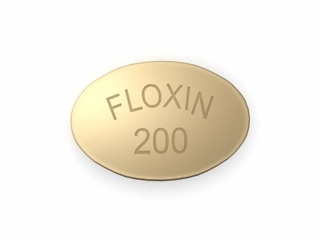
- Common forms: Tablets (strengths vary by product presentation)
- Typical course length: Depends on the infection and your response
How Floxin Works (Mechanism of Action)
Ofloxacin works by interfering with two essential bacterial enzymes:
- DNA gyrase
- Topoisomerase IV
These enzymes help bacteria copy and repair their DNA. By inhibiting them, ofloxacin prevents bacteria from multiplying and can lead to bacterial death. This makes Floxin effective against susceptible strains of bacteria.
Note on effectiveness: Antibiotics do not work against viruses (such as colds, flu, or most sore throats). For best results, antibiotics should be used for infections likely caused by bacteria and where the organism is expected to be susceptible.
Pharmacokinetics (How the Body Handles Floxin)
Pharmacokinetics describes what happens to a medicine after you take it.
- Absorption: Ofloxacin is absorbed through the gut and reaches peak blood levels within a few hours (timing can vary by individual and whether you take it with food).
- Distribution: It distributes into many body tissues and fluids, which is one reason it can be used for a range of infections.
- Metabolism and elimination: Most of the medicine is eliminated from the body via the kidneys. This is important for people with reduced kidney function.
- Half-life (general concept): The “half-life” gives an idea of how long it takes for blood levels to fall. It can vary with kidney function and patient factors.
Kidney health matters: If you have kidney problems, you may need a different dose or dosing schedule. Always follow the dosing plan provided by your healthcare professional.
Typical Uses and Indications (UK Overview)
Floxin/ofloxacin may be used to treat bacterial infections caused by organisms susceptible to it. Indications can vary based on local guidance, antimicrobial resistance patterns, and patient factors.
Common areas where fluoroquinolones may be considered include:
- Urinary tract infections (UTIs) — particularly when appropriate and susceptibility is expected
- Prostatitis (inflammation/infection of the prostate) — where bacterial cause is suspected/confirmed
- Some respiratory and other bacterial infections — when an antibiotic in this class is considered suitable
- Other specific bacterial infections — depending on clinical assessment and local antimicrobial advice
Susceptibility is key: Many treatment decisions depend on whether the likely bacteria are sensitive to ofloxacin. In some settings, clinicians may use urine/clinical cultures or local guidelines.
How to Take Floxin (Timing and Dosing)
This section provides general information. The exact dose and duration depend on your infection, age, kidney function, and local guidance.
Typical dosing pattern
- Many regimens use one or two doses per day, depending on the infection and dose strength.
- Space doses evenly if taking more than one per day.
When to start
- Start as advised for your infection.
- If you miss a dose, take it when you remember unless it is close to the next dose. Do not take a double dose.
How long to take it
- Complete the course, even if you feel better, unless you are told to stop.
- Stopping early may allow bacteria to survive and cause the infection to return or worsen.
Table: Example dosing schedule (illustrative)
Doses vary by indication. Use this as an example only; follow your prescribed/dispensed directions.
| Infection type (example) | Example frequency | Example duration |
|---|---|---|
| Urinary tract infection (selected cases) | Once or twice daily | Often several days (varies) |
| Prostatitis | Twice daily | Often longer (varies) |
| Other bacterial infections | Once or twice daily | Varies by condition |
Food Interactions (Can you take Floxin with meals?)
Whether you take Floxin with food can affect how quickly it is absorbed, but it is generally possible to take it with or without food depending on the product instructions and your healthcare professional’s advice.
- With food: can reduce stomach upset for some people.
- Without food: some people may absorb it faster.
Key caution (not food, but products containing minerals): certain substances can significantly reduce absorption—see the next section.
Mineral/Antacid Interactions (Important)
Ofloxacin can bind to certain minerals, making it harder for your body to absorb the antibiotic. Avoid taking these at the same time as Floxin:
- Antacids containing aluminium or magnesium
- Iron supplements
- Zinc supplements
- Calcium supplements (in some cases)
- Sucralfate
Practical tip: If you need these medicines, separate them from ofloxacin by at least a couple of hours (or longer if advised). Ask your pharmacist for a tailored timing plan.
Alcohol and Medicine Interactions
Alcohol: Although specific “hard-stop” alcohol rules can vary, drinking alcohol during antibiotic treatment is generally not recommended. Alcohol can worsen side effects such as dizziness, nausea, and stomach upset, and may reduce your overall recovery.
Medicines that may interact: Some medications may increase side effects or affect how safely Floxin can be used. Tell your pharmacist or clinician if you take:
- Medicines that affect heart rhythm (QT prolongation risk)
- Corticosteroids (may increase risk of tendon problems with fluoroquinolones)
- Blood thinning medicines (anticoagulants) such as warfarin (may affect bleeding risk)
- Diabetes medicines (fluoroquinolones can affect blood sugar levels in some people)
- Non-steroidal anti-inflammatory drugs (NSAIDs) (in some cases may increase risk of certain nervous system effects)
- Probenecid or other medicines affecting kidney excretion (may influence ofloxacin levels)
Always check: Bring a list of your current medicines (including over-the-counter products and supplements) to your pharmacy.
Safety Profile (Who Should Take Extra Care?)
Like all medicines, Floxin/ofloxacin can cause side effects. Most are mild and temporary, but a small number can be serious. Pay attention to the warning signs below.
Common side effects (may occur)
- Nausea
- Diarrhoea
- Headache
- Dizziness
- Stomach discomfort
- Sleep disturbance
Serious side effects — seek urgent medical advice if you notice
- Tendon pain or swelling (especially Achilles) — stop and seek advice promptly
- Severe, persistent diarrhoea or blood/mucus in stools
- Allergic reaction (face/lip swelling, wheezing, widespread rash)
- Numbness, tingling, weakness, or burning pain (possible nerve effects)
- Severe dizziness, confusion, hallucinations, or mood changes
- Unusual bruising or bleeding
- Symptoms of low blood sugar (shakiness, sweating, confusion) or high blood sugar
- Heart rhythm symptoms (fainting, palpitations) if you have risk factors
Extra caution groups
- People with a history of tendon disorders
- People taking corticosteroids
- People with kidney impairment (dose adjustment may be needed)
- People with a history of epilepsy/seizures or risk factors for seizures
- People with heart rhythm problems or taking medicines that affect the QT interval
- People who are elderly or frail (higher risk of side effects)
- People with myasthenia gravis (fluoroquinolones may worsen weakness)
Do not ignore warning signs. If you develop new symptoms that worry you during treatment, contact a healthcare professional promptly.
Practical Use Tips (Get the Best Results)
- Take at regular times: helps maintain effective levels.
- Stay hydrated: especially if you’re being treated for a urinary infection.
- Complete the course: even if symptoms improve.
- Check your other medicines: confirm timing with antacids, minerals, or supplements.
- Monitor your symptoms: fever and pain should begin to improve within a few days (depends on the infection). If not, seek advice.
- Sun sensitivity: Some fluoroquinolones can increase sensitivity to sunlight. Avoid strong sun exposure and use protective clothing if needed.
If you feel worse after starting: Mild stomach upset can happen, but significant worsening should be assessed. Do not simply stop on your own without advice—however, for severe allergic reactions or serious symptoms (such as tendon rupture signs), seek urgent help.
What to Expect During Treatment (Timing of improvement)
Many bacterial infections begin to improve within 48–72 hours after starting an effective antibiotic, though the exact timing depends on the infection type and severity.
- UTIs: urinary discomfort may improve earlier; a follow-up assessment may be needed if symptoms persist.
- Prostatitis: may take longer to improve and courses can be extended.
- Respiratory infections: improvement depends on correct diagnosis and the bacteria involved.
If you have not noticed improvement, or if you worsen, contact a healthcare professional. Sometimes treatment needs adjustment based on culture results or clinical assessment.
Alternative Antibiotic Options (Discuss With a Clinician)
Alternative choices depend on the infection type, suspected bacteria, allergies, local resistance patterns, and kidney function. Options may include other classes of antibiotics used for specific infections.
For example, clinicians may consider:
- Nitrofurantoin (often for selected uncomplicated UTIs, where appropriate)
- Trimethoprim or co-trimoxazole (where suitable)
- Amoxicillin or other beta-lactams (depending on susceptibility)
- Cephalosporins (for selected indications)
- Other fluoroquinolones (in some cases, depending on guidance)
Why alternatives matter: Not every fluoroquinolone is suitable for every infection, and not every infection needs a fluoroquinolone. Your clinician may select the narrowest effective option to reduce resistance and side-effect risks.
UK Market and Legal Context (General)
In the United Kingdom, antibiotics are regulated medicines. Antibiotic prescribing and supply are guided by UK health policies that encourage appropriate use and help combat antimicrobial resistance.
Key points in the UK context include:
- Antimicrobial stewardship: efforts to ensure antibiotics are used only when needed and chosen appropriately.
- Local and national guidance: clinicians follow up-to-date recommendations from UK bodies (including health services and antimicrobial advisory groups).
- Safety monitoring: fluoroquinolones have recognised safety considerations and are used when benefits outweigh risks for the individual patient.
Recent safety themes for fluoroquinolones: UK guidance and safety communications have emphasised tendon risk, nerve effects, CNS effects, and careful patient selection. If you have risk factors or develop warning symptoms, seek prompt advice.
Recent Guidance (General Summary)
Recent UK antimicrobial practice has broadly focused on:
- Using antibiotics only when indicated and avoiding unnecessary prescriptions.
- Choosing appropriate first-line treatments where possible for common infections.
- Considering fluoroquinolones more cautiously due to safety concerns and the importance of preserving effectiveness.
- Reassessing if treatment fails, especially when symptoms do not improve as expected.
Always rely on current local clinical guidance and professional advice for the most appropriate antibiotic choice for your situation.
Delivery, Availability, and Ordering in the UK
Availability can vary depending on stock levels and the specific strength/formulation. If you’re ordering online, delivery time frames depend on:
- Dispensing and verification steps
- Courier service and UK region
- Whether the medicine is held in local stock or needs to be sourced
General expectations:
- Check estimated delivery times provided at checkout.
- Ensure you provide accurate address details.
- Keep the medicine in a cool, dry place away from direct sunlight, unless the packaging says otherwise.
Packaging and integrity: Your pharmacy should supply tablets in appropriate protective packaging. If you receive damaged packaging, don’t use the medicine—contact the pharmacy for advice.
Safety Information for Storage and Handling
- Store below 25°C unless your package states a different temperature.
- Keep out of sight and reach of children.
- Check the expiry date before use.
- Do not throw medicines into household waste or flush them unless instructed. Ask your pharmacy about safe disposal.
FAQ — Floxin (Ofloxacin)
1) What is Floxin used for?
Floxin (ofloxacin) is used to treat bacterial infections caused by bacteria that are susceptible to it. Specific indications depend on your diagnosis and local antimicrobial guidance.
2) How soon should I feel better?
Many infections start improving within 48–72 hours if the bacteria are susceptible and the infection is being treated appropriately. If you don’t improve or you worsen, contact a clinician or pharmacist.
3) Can I take Floxin with food?
In many cases, it can be taken with or without food. If food upsets your stomach, try taking it with a light meal. If you prefer fasting doses, follow your product instructions and ask your pharmacist if unsure.
4) Can I take antacids or mineral supplements with Floxin?
It’s usually best to avoid taking antacids or mineral supplements at the same time. These can reduce absorption. Separate doses by a few hours (your pharmacist can confirm the exact timing for your supplements).
5) Is it safe to drink alcohol while taking Floxin?
It’s generally not recommended. Alcohol may increase side effects like dizziness and stomach upset and could interfere with recovery. If you do choose to drink, keep it minimal and consider discussing your situation with a pharmacist.
6) What should I do if I miss a dose?
Take it when you remember unless it is close to your next dose. Do not take a double dose to make up for a missed tablet.
7) What are the red-flag side effects of Floxin?
Seek urgent medical advice if you notice signs of allergy, severe or persistent diarrhoea, tendon pain/swelling, nerve symptoms (numbness/tingling), severe mental health or neurological symptoms, or heart rhythm symptoms such as fainting/palpitations.
8) Who should take extra care with ofloxacin?
Extra caution is needed for people with kidney impairment, a history of tendon disorders, those taking corticosteroids, people with seizure risk, and those on medicines that can affect heart rhythm or blood thinning.
9) Can Floxin interact with my other medicines?
Yes. Tell your pharmacist about all medicines and supplements you take. Particular attention is needed for anticoagulants, diabetes medicines, corticosteroids, and medicines that affect heart rhythm or seizure threshold.
10) What if my symptoms return after finishing antibiotics?
Return of symptoms may indicate the infection was not fully cleared, a different diagnosis, or antibiotic resistance. Contact a healthcare professional for review and possible testing.
References and Useful Links (UK)
- NHS: Antibotics
- NHS: Urinary tract infection (UTI)
- UK government guidance on antimicrobial resistance
Always seek personalised medical advice for your specific infection and medicine plan. This information is designed to support, not replace, advice from qualified healthcare professionals.