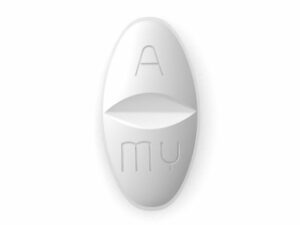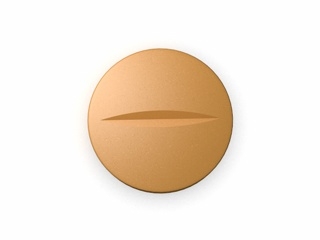
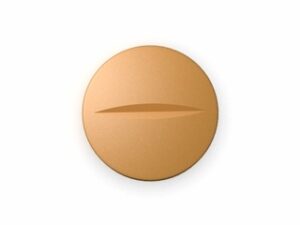
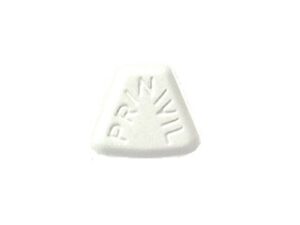
Frumil (Amiloride) Tablets – Patient Information
Frumil contains amiloride, a medicine used mainly to help the body get rid of excess salt (sodium) and water while preserving potassium. It belongs to a group of medicines called diuretics (often referred to as “water tablets”). This patient-friendly guide explains how Frumil works, how it is usually taken in the UK, key safety points, and what to discuss with your healthcare team.
| Product name | Frumil |
|---|---|
| Active ingredient | Amiloride |
| Medicine type | Potassium-sparing diuretic |
| Common uses | Edema (swelling), alongside other diuretics; prevention of potassium loss; treatment of certain causes of high potassium/specific fluid problems under clinical supervision |
| How it works | Helps the kidneys excrete sodium and water while limiting potassium loss |
| Typical dosing frequency | Often once daily or divided doses (depends on your situation) |
What is Frumil?
Frumil is a brand of amiloride tablets. It is used to manage fluid retention and to reduce the risk of low potassium (hypokalaemia) that can occur with some other diuretics. In some cases, it may be used as part of treatment plans where potassium balance is carefully managed.
In the UK, diuretics are commonly used for conditions such as high blood pressure and fluid retention (oedema). The exact reason you have been given Frumil depends on your diagnosis and your overall medicines.
How Frumil works (mechanism of action)
Amiloride works in the kidneys. Normally, the body reabsorbs sodium (salt) from urine back into the bloodstream. Amiloride blocks specific sodium channels in the kidney (the epithelial sodium channel, ENaC). This reduces sodium reabsorption, which leads to more sodium and water being passed in urine.
Unlike “loop” or “thiazide” diuretics, amiloride is potassium-sparing. By blocking ENaC, it helps reduce potassium loss. This can be particularly important when other diuretics are used, which can otherwise lower potassium levels.
- Increased urine output (diuretic effect)
- Less potassium loss compared with many other diuretics
- Helps correct or prevent electrolyte imbalance when used appropriately
Pharmacokinetics (how the medicine behaves in the body)
“Pharmacokinetics” describes how the body absorbs, distributes, metabolises, and eliminates a medicine. Key points for amiloride include:
- Absorption: Amiloride is absorbed after taking tablets by mouth. The degree of absorption can vary between people.
- Onset of effect: Diuretic effects are typically noticed within a few hours, though exact timing varies.
- Distribution: It distributes into body fluids, including where it can act on the kidneys.
- Metabolism: It is not extensively metabolised by the liver in most cases.
- Elimination: The kidneys play a major role in removing amiloride from the body. This means kidney function is important for safe use.
Because amiloride is removed mainly by the kidneys, if you have reduced kidney function your medicine may build up in the body, increasing the risk of side effects—particularly high potassium (hyperkalaemia).
What Frumil is used for (indications)
In clinical practice within the UK, amiloride (Frumil) is commonly used for:
- Oedema (fluid retention) where a potassium-sparing diuretic is beneficial
- Prevention of potassium loss when used with other diuretics that can cause hypokalaemia
- Conditions involving salt and water balance under specialist or monitoring plans
Your prescriber will choose the best approach based on your symptoms, blood test results (especially electrolytes), kidney function, and other medicines. Always follow the plan given to you.
Timing and how to take Frumil
Many people prefer taking diuretics earlier in the day to reduce night-time trips to the toilet. Your personal dosing schedule may differ. Follow your healthcare professional’s instructions on your label.
- Typical timing: Often once daily in the morning, or split into two doses, depending on your regimen.
- Consistency: Try to take it at the same time each day.
- With or without food: You can usually take amiloride with or without food (see food interactions below for details).
If you miss a dose, do not double up to make up for it. Instead, take your next dose at the normal time and consult the guidance provided by your healthcare team or the medicine leaflet.
Food and drink interactions
Food usually has no major direct effect on amiloride in most people, but there are some practical considerations:
- Salt substitutes: Some salt substitutes contain potassium. Because Frumil helps retain potassium, these may increase the risk of hyperkalaemia. Avoid or use only after advice from your healthcare team.
- General diet: Maintain a balanced diet. If you have been advised to limit or avoid potassium, follow those instructions carefully.
If you have diabetes, chronic kidney disease, or heart failure, you may require closer monitoring of potassium and kidney function. Diet advice may be part of your care plan.
Alcohol interactions
Alcohol does not usually have a specific direct interaction with amiloride, but it can affect hydration, blood pressure, and your tolerance of side effects. Be cautious if you:
- Experience dizziness or low blood pressure
- Have heart failure or take multiple blood pressure medicines
- Are at risk of dehydration
If you choose to drink alcohol, consider limiting intake and speak to your healthcare team for personalised guidance. Stop drinking and seek advice if you develop concerning symptoms such as fainting, severe weakness, or palpitations.
Important medicine interactions
Frumil can affect electrolyte levels, especially potassium. Certain medicines can increase potassium levels further, which may be dangerous. Always check interactions with your healthcare professional or pharmacist, especially if you start a new medicine.
Medicines that may increase potassium:
- ACE inhibitors (e.g., lisinopril, enalapril)
- Angiotensin II receptor blockers (ARBs) (e.g., losartan, valsartan)
- Other potassium-sparing diuretics (e.g., spironolactone, eplerenone)
- Potassium supplements or salt substitutes containing potassium
- Some anti-inflammatory medicines (NSAIDs such as ibuprofen or diclofenac) can affect kidney function and electrolytes, particularly in higher-risk individuals
Medicines that may affect kidney function or electrolytes:
- Other diuretics or medicines that change fluid balance
- Medicines that may affect kidneys or blood pressure
Monitoring matters: If you take Frumil with medicines that affect potassium and kidney function, your healthcare professional may order regular blood tests (for example, potassium and creatinine/eGFR).
Dosing – what is typical?
The correct dose of Frumil depends on the condition being treated, your kidney function, and your blood test results. Your dose will be shown on your medication label.
General dosing principles (for information only):
- Start low, adjust carefully: In many patients, dosing is adjusted based on response and blood test results.
- Kidney function influences dose: People with reduced kidney function often require particular caution or may be unsuitable.
- Electrolyte monitoring: Potassium and kidney function tests are commonly used to guide ongoing dosing.
Do not change the dose or stop Frumil without advice. If you feel your swelling is not improving, or you are experiencing side effects, speak to a healthcare professional rather than adjusting the tablets yourself.
Safety profile and side effects
Most people tolerate Frumil well, but it can cause side effects—especially due to its effects on electrolytes and fluid balance. Some effects are mild; others require urgent medical assessment.
Common or more noticeable side effects
- Increased urination (diuretic effect)
- Dizziness or light-headedness, especially when standing up quickly
- Headache
- Nausea or mild stomach upset
Serious side effects (seek urgent advice)
Frumil may cause high potassium, particularly in people with kidney problems or when combined with other medicines that raise potassium. High potassium can affect the heart and nerves.
- Symptoms of high potassium may include muscle weakness, tingling, slow heartbeat, or palpitations.
- Severe dizziness, fainting, or chest discomfort should be assessed urgently.
If you suspect you have severe side effects or symptoms that could indicate an electrolyte problem, contact emergency services or urgent care immediately. When in doubt, seek medical advice promptly.
Who needs extra caution?
- Kidney disease or reduced eGFR
- Conditions associated with high potassium
- People taking ACE inhibitors/ARBs or other medicines that increase potassium
- Older adults (higher likelihood of kidney changes and medication interactions)
Practical tips for using Frumil
- Stay hydrated sensibly: Diuretics increase urine output. Avoid excessive dehydration. If you have vomiting/diarrhoea or are unwell, you may need advice on whether to continue—contact your healthcare team.
- Attend blood test checks: Potassium and kidney function monitoring helps ensure safety and correct dosing.
- Check your medicines: Review your full medicine list (including over-the-counter products and herbal remedies) for potential interactions.
- Watch for symptoms: Be alert to muscle weakness, irregular heartbeat, or unusual fatigue.
- Plan bathroom access: Because it can increase urination, consider taking doses earlier in the day.
Alternative options
Depending on why you are taking Frumil, your prescriber may consider other diuretics or strategies. Alternatives may include:
- Thiazide-like diuretics or thiazides (may lower potassium more, so potassium monitoring may be needed)
- Loop diuretics (often used for more significant fluid overload)
- Other potassium-sparing diuretics such as spironolactone or eplerenone (depending on your condition)
- Non-diuretic approaches, such as medication adjustments for underlying heart failure or blood pressure, or dietary measures under guidance
If you are considering switching, discuss with a clinician. Doses and monitoring requirements differ between medicines.
Market and legal context (United Kingdom)
In the UK, medicines are regulated by the Medicines and Healthcare products Regulatory Agency (MHRA). Frumil (amiloride) is an authorised medicine and is used under established clinical guidance.
Your pharmacy will supply the correct product strength and quantity. Packaging and labelling are designed to help you take the medicine safely. If you have concerns about a specific brand or strength, ask your pharmacist.
Recent guidance and monitoring practice
UK clinical practice emphasises the importance of electrolyte monitoring—particularly potassium and kidney function—when using medicines that affect salt and water balance, especially in people with risk factors such as kidney impairment.
- Regular blood tests may be needed when starting treatment, changing dose, or after introducing interacting medicines.
- Extra caution is recommended for people with comorbidities (e.g., diabetes, heart failure, chronic kidney disease).
- Medication reviews are often encouraged, particularly if you take multiple cardiovascular medicines.
Your healthcare team may use national and local guidance (for example, from organisations involved in medicines optimisation and cardiovascular care) to decide how often to monitor.
Delivery and availability in the UK
Frumil (amiloride) may be available through online pharmacies, subject to availability and stock status. Delivery arrangements typically depend on the provider and your location within the UK.
- Availability: Stock can vary. If a particular strength is temporarily unavailable, you may be offered alternatives or notified of restocking.
- Delivery times: Online pharmacies usually offer standard and/or express options.
- Packaging: Medicines are generally supplied in discreet, secure packaging.
- Order tracking: Many services provide updates after dispatch.
If you need a specific strength or pack size, check the product listing before ordering and allow for dispatch and transit time.
FAQ – Frequently asked questions
1) When will Frumil start working?
Many people notice increased urine output within a few hours of taking a dose. The full effect on swelling and fluid balance may take longer and depends on the underlying condition.
2) Will Frumil cause potassium levels to rise?
Yes, it can. Because it is potassium-sparing, Frumil may increase potassium levels, especially if you have kidney problems or take other medicines that raise potassium. That is why blood tests are often important.
3) Can I take Frumil with other blood pressure medicines?
Often, yes—but it depends on which medicines you take. Some combinations may increase the risk of low blood pressure or changes in kidney function and potassium. Your pharmacist or healthcare team can check interactions based on your full list of medicines.
4) What should I do if I miss a dose?
Take it as soon as you remember unless it is close to the time of your next dose. Do not take a double dose to catch up. If you are unsure, follow the instructions provided with the medicine or contact a pharmacist for advice.
5) Are there foods I should avoid?
Be cautious with salt substitutes that contain potassium. If you have been given dietary instructions related to potassium, follow them carefully. Otherwise, most people can take Frumil with normal food intake.
6) Can I drink alcohol?
Alcohol does not usually interact directly, but it can contribute to dehydration or worsen dizziness in some people. If you notice light-headedness or feel unwell, avoid alcohol and seek advice if symptoms persist.
7) Who should not take Frumil?
Some people may be advised against using amiloride due to specific medical conditions, kidney problems, or high potassium risk. Your healthcare professional will assess your suitability based on your health history and blood tests.
8) What monitoring will I need?
Monitoring commonly includes blood tests for potassium and kidney function, especially after starting treatment, changing dose, or when you take interacting medicines. Your clinician will set a schedule appropriate to your risk.
9) Is Frumil suitable for older adults?
It can be used in older adults, but extra caution is often required because kidney function may decline with age and medication interactions are more common. Monitoring and dose adjustment may be needed.
10) What should I do if I feel unwell after starting Frumil?
If you develop severe dizziness, fainting, chest discomfort, palpitations, or muscle weakness, seek urgent medical advice. For milder side effects, contact your pharmacist or healthcare team for guidance.
Important: This information is for general guidance and does not replace advice from your healthcare professional. If you have questions about your specific treatment plan, medical conditions, or other medicines, speak to your pharmacist or prescriber.