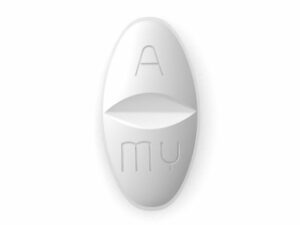
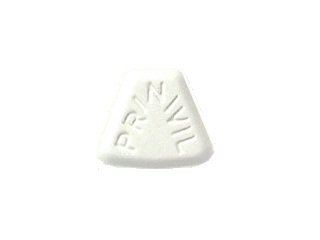


Prinivil (Lisinopril) — Patient Information
Prinivil is a brand of lisinopril, a medicine used to treat certain heart and circulation conditions. This guide explains how Prinivil works, how it is taken, key safety information, and what to expect in everyday use. It is written for people in the United Kingdom.
Quick Facts
- Active ingredient: Lisinopril
- Medicine type: ACE inhibitor (Angiotensin-Converting Enzyme inhibitor)
- Common uses: high blood pressure, heart failure, and protection after a heart attack (in appropriate people)
- Typical dosing frequency: once daily (most people)
- Common side effects: dry cough, dizziness, headache
- Important cautions: pregnancy risk, history of angioedema, kidney or potassium problems
What is Prinivil?
Prinivil contains lisinopril, an ACE inhibitor. ACE inhibitors work by relaxing blood vessels and reducing strain on the heart. This can help lower blood pressure and improve symptoms and outcomes in certain cardiovascular conditions.
In the UK, ACE inhibitors are widely used and are supported by national and international clinical guidance for conditions such as hypertension and heart failure. Prinivil is available in different strengths, and dosing is individualised to your needs.
How Prinivil Works (Mechanism of Action)
Lisinopril blocks an enzyme called angiotensin-converting enzyme (ACE). This leads to several beneficial effects:
- Less angiotensin II production: angiotensin II normally causes blood vessels to tighten. Blocking ACE helps blood vessels relax.
- Lower blood pressure: improved vessel relaxation reduces resistance to blood flow.
- Reduced workload on the heart: especially helpful in heart failure where the heart has to pump against higher pressures.
- Potential kidney benefits: by improving blood flow dynamics in certain patients (your clinician will assess suitability).
Unlike some ACE inhibitors, lisinopril is not a “prodrug”—it is active as taken. Many people feel some blood-pressure lowering within the first days, while the full effect can take longer to stabilise.
Pharmacokinetics (How Your Body Handles Lisinopril)
Pharmacokinetics describes what happens to the medicine in the body—absorption, distribution, metabolism, and excretion.
- Absorption: after oral administration, lisinopril is absorbed from the gut. Food has little practical effect on overall absorption.
- Distribution: it circulates in the bloodstream and acts on the ACE system throughout the body.
- Metabolism: lisinopril is not significantly broken down by the liver into active forms.
- Elimination: the medicine is mainly removed by the kidneys. Dose adjustment may be needed in kidney impairment.
- Half-life: its elimination is relatively slow, supporting once-daily dosing for many people.
Your kidney function and potassium levels are therefore important when starting or adjusting Prinivil.
Typical Uses in the UK
Your exact treatment goal depends on your diagnosis and medical history. In the UK, Prinivil (lisinopril) is commonly used for:
- High blood pressure (hypertension): to reduce blood pressure and lower risk of complications.
- Heart failure: to help manage symptoms and improve outcomes in suitable patients.
- After a heart attack (myocardial infarction): in certain patients to support recovery and reduce risk, depending on clinical features.
Sometimes ACE inhibitors are also used for kidney and vascular protection in particular groups, but whether this applies to you depends on the underlying condition (for example diabetes, albumin in urine, or other clinical factors). Always follow the plan agreed with your healthcare professional.
Indications and When Prinivil is Considered
“Indications” means the specific medical conditions where the medicine is appropriate. Prinivil is typically considered when:
- Blood pressure is persistently high or needs better control to reduce cardiovascular risk.
- There are symptoms or signs of heart failure where an ACE inhibitor is part of standard care.
- There is a clinical need after a heart attack—especially when there is evidence of heart strain or reduced heart function.
Your prescriber will assess whether Prinivil suits you by reviewing:
- Your blood pressure and heart function
- Your kidney function (creatinine/eGFR)
- Your potassium level
- Your medication list (especially diuretics and potassium supplements)
- History of angioedema or previous intolerance to ACE inhibitors
Dosing: How Prinivil is Usually Taken
Doses vary from person to person. Follow the instructions given to you by your healthcare professional. If you’re adjusting the dose, changes are often made gradually to reduce the risk of low blood pressure, kidney strain, or high potassium.
Typical dosing frequency
- Once daily is common for lisinopril.
Common dose ranges (general guidance)
The following ranges are broadly consistent with how lisinopril is prescribed in practice. Exact dose and titration depend on your condition and lab results:
- Hypertension: often started at a lower dose, then increased if needed
- Heart failure: typically started low with careful monitoring
- After heart attack: started as clinically appropriate and adjusted
Because ACE inhibitors require monitoring, your clinician may check blood tests after initiation or dose changes. If you have kidney impairment, you may need lower doses or more frequent checks.
Timing: Morning vs evening
- Many people take Prinivil in the morning.
- Others prefer at night if it helps with daytime dizziness.
- Choose a consistent time each day and take it the same way (for example, with or without food) to maintain routine.
If you miss a dose
- Take it when you remember unless it is near the time of your next dose.
- Do not take a double dose to make up for a missed tablet.
Starting or dose changes
If Prinivil is newly started or increased, it can temporarily affect blood pressure and kidney function. Some people feel light-headed, especially when first standing up. This is one reason healthcare professionals often review blood pressure and blood tests.
Food Interactions
Food and drinks: Prinivil (lisinopril) can generally be taken with or without food. Food does not typically require special timing adjustments.
That said, good everyday habits still matter:
- Stay well hydrated unless you have been told to restrict fluids.
- Be cautious with very high salt intake, which can make blood pressure harder to control.
- If you are prescribed a salt substitute, remember that many contain potassium—this may interact with lisinopril.
Alcohol Interactions
Alcohol does not have a specific “mechanism” interaction with lisinopril in the way some medicines do, but it can increase the risk of dizziness or low blood pressure. This is particularly relevant at the start of treatment or after a dose increase.
- Avoid heavy drinking, especially if you have previously felt faint on standing.
- If you notice increased dizziness after alcohol, consider reducing intake and speak with a healthcare professional.
Medicine Interactions (Important)
Prinivil can interact with other medicines and supplements, mainly by affecting kidney function and potassium levels or by changing blood pressure effects. Always check with a pharmacist if you are unsure.
Common interaction categories
- Potassium supplements and salt substitutes containing potassium: may raise potassium levels.
- Diuretics (“water tablets”): can amplify blood pressure lowering. Some combinations may increase the risk of kidney strain, especially if dehydrated.
- Other blood pressure medicines: additive effects may increase risk of low blood pressure.
- Non-steroidal anti-inflammatory drugs (NSAIDs) such as ibuprofen or naproxen: regular/high-dose NSAID use alongside ACE inhibitors may reduce kidney function and affect fluid balance. Occasional use may still require caution—ask a pharmacist.
- Medicines that increase potassium (some heart medicines, certain immunosuppressants, etc.): may increase hyperkalaemia risk.
- Some diabetes medicines: ACE inhibitors may enhance the blood sugar–lowering effect in some people, and close monitoring may be needed.
Herbal and supplement interactions
- Be cautious with supplements that affect the heart, blood pressure, or kidneys.
- Always tell your pharmacist about supplements you take regularly.
Safety Profile: What to Watch For
Like all medicines, Prinivil can cause side effects. Many people tolerate lisinopril well, but it is important to know what is normal and what needs urgent attention.
Common side effects
- Dry, persistent cough (often occurs after starting an ACE inhibitor)
- Dizziness, especially when standing up
- Headache
- Fatigue
- Low blood pressure (may feel like light-headedness)
Less common but important side effects
- High potassium (hyperkalaemia): may not cause obvious symptoms, which is why blood tests matter
- Kidney function changes: usually detected through blood tests (eGFR/creatinine)
- Changes in taste or gastrointestinal upset in some people
Seek urgent medical help if
- Swelling of the face, lips, tongue, or throat, or difficulty breathing or swallowing. This can be a sign of angioedema—a rare but serious reaction associated with ACE inhibitors.
- Fainting, severe dizziness, or symptoms of dangerously low blood pressure.
- Signs of severe allergic reaction (widespread rash, wheeze, or collapse).
Extra caution if you have certain conditions
- Kidney disease or narrowing of kidney arteries
- High potassium history
- Dehydration (for example from vomiting or diarrhoea)
- Low sodium or salt depletion
- Uncontrolled heart failure at treatment start
- Collagen vascular disease or treatment that affects white blood cells (your doctor will advise)
Practical Use Tips
- Take it at the same time each day to build routine.
- Stand up slowly when you first start or after dose changes to reduce dizziness.
- Attend blood test appointments—they help keep you safe by checking kidney function and potassium.
- If you develop vomiting, diarrhoea, fever, or poor fluid intake, contact a clinician for advice. Dehydration can increase the risk of kidney problems with ACE inhibitors.
- Report a persistent dry cough to your pharmacist/clinician—there are alternatives if the cough is troublesome.
- Avoid “double-dosing” if you miss a tablet.
If you are driving, operating machinery, or doing activities where dizziness matters, be mindful of how your body reacts—especially during the first days of treatment.
Alternative Options (If Prinivil Isn’t Suitable)
Several other medicine groups can treat the same conditions. Alternatives may be chosen based on side effects, kidney function, potassium levels, or pregnancy considerations.
Common alternatives
- ARBs (Angiotensin Receptor Blockers) — often considered when ACE inhibitors cause a troublesome cough or are not tolerated
- Other antihypertensives (depending on your needs): calcium channel blockers, thiazide-like diuretics, beta-blockers, and others
- In heart failure, additional medicines may be used alongside (as appropriate) such as beta-blockers, mineralocorticoid receptor antagonists, and others
Your healthcare professional can explain which option best matches your diagnosis and safety profile. Do not switch between medicines without advice, because doses and monitoring differ.
Pregnancy, Breastfeeding, and Fertility (UK Safety Considerations)
ACE inhibitors including lisinopril are generally not suitable during pregnancy due to known risk to the unborn baby. If you are planning a pregnancy or think you may be pregnant, contact a healthcare professional promptly to discuss the safest alternative.
Breastfeeding guidance varies by medicine and patient circumstances; seek advice from a clinician or pharmacist before using Prinivil while breastfeeding.
Recent Guidance and Monitoring in the UK
In the UK, prescribing and monitoring of ACE inhibitors follows established national and local clinical practice. Key themes typically include:
- Baseline checks: kidney function and potassium before starting
- Follow-up blood tests: after starting and after any dose increases
- Managing risk factors: preventing dehydration, avoiding unnecessary potassium supplements, and careful NSAID use
- Addressing ACE-inhibitor cough: considering alternative therapies when cough persists
- Patient safety: clear advice on when to seek help (for example, angioedema symptoms)
Because clinical guidance can be updated, the best source of “the latest” is your prescriber, pharmacist, or reputable UK healthcare information.
Delivery and Availability (UK)
Prinivil (lisinopril) is commonly stocked and may be available through UK pharmacies and online pharmacy services depending on the strength and formulation. Availability can vary by manufacturer supply, local pharmacy stock, and your chosen delivery option.
- Ordering online: availability and dispatch times depend on strength and current stock levels.
- Packaging: medicines are supplied in manufacturer packaging as required.
- Delivery: delivery times depend on the courier and your postcode area.
- Storage: follow the package instructions; generally store at room temperature and keep out of reach of children.
If you need a specific strength or formulation, check with the pharmacy about current stock or alternatives that match your prescribed regimen.
Important Information About Using Lisinopril Safely
When to contact a healthcare professional
- You start feeling persistently dizzy or faint
- You become dehydrated or have significant vomiting/diarrhoea
- You develop swelling of the face, lips, tongue, or throat
- You experience reduced urine output or sudden worsening fatigue (kidney symptoms may be subtle)
- You have muscle weakness or palpitations (possible potassium changes—often detected via blood tests)
- A dry cough becomes bothersome
Keep a list of medicines
To reduce interaction risks, keep an up-to-date list of:
- All prescription medicines
- Over-the-counter painkillers (especially NSAIDs like ibuprofen)
- Supplements and herbal products
- Salt substitutes or electrolyte drinks
Share this with your pharmacist—particularly when you start, stop, or change anything.
Market and Legal Context in the UK
Prinivil (lisinopril) is a prescription-only medicine in the UK in most contexts. UK medicines supply is regulated to ensure safety, quality, and traceability. Online pharmacies must operate within UK rules for dispensing and supplying medicines.
If using an online pharmacy service, ensure you choose a reputable provider with appropriate regulatory compliance and clear delivery arrangements. For clinical suitability, always rely on information from healthcare professionals.
Frequently Asked Questions (FAQ)
1) When will Prinivil start working?
Many people notice some blood-pressure effects within the first days, but the full effect can take longer. If you have heart failure or post–heart-attack treatment, improvements are assessed over time and with follow-up checks.
2) Should I take it every day?
Prinivil is usually taken daily to control blood pressure and help manage heart conditions. Missing doses can reduce effectiveness. If you’re struggling to remember, try a consistent routine or ask a pharmacist about reminder tools.
3) Can I take Prinivil with other medicines?
Some combinations are fine, but others require caution—especially potassium supplements, salt substitutes containing potassium, NSAIDs (ibuprofen/naproxen), and other blood pressure medicines. Ask your pharmacist if you are unsure about a specific product.
4) What if I get a dry cough?
A dry, persistent cough is a known side effect of ACE inhibitors. It may occur days to months after starting. If it becomes bothersome, speak to a healthcare professional—an alternative may be recommended.
5) Is Prinivil safe for people with kidney problems?
It may be used in some patients with kidney disease, but it requires careful monitoring. Your clinician will check kidney function and potassium, and may adjust the dose accordingly.
6) Can I drink alcohol while taking Prinivil?
Light alcohol is not usually strictly forbidden, but alcohol can worsen dizziness or lower blood pressure. If you feel light-headed, reduce alcohol and seek advice if symptoms persist.
7) What should I do if I miss a dose?
Take it when you remember unless it is close to the time for your next dose. Do not take a double dose.
8) Who should not take ACE inhibitors like lisinopril?
People with a history of angioedema related to an ACE inhibitor, or certain serious medical circumstances, may not be suitable. Pregnancy is a key contraindication. Your pharmacist and clinician can assess your individual suitability.
9) Are there lifestyle changes that help?
Yes. Helpful steps include reducing salt, maintaining a healthy weight, staying physically active within your limits, avoiding smoking, and monitoring blood pressure as advised. If you have heart failure, follow any fluid and dietary guidance provided.
10) Are there alternatives if Prinivil is not tolerated?
Yes. If ACE inhibitors cause problems such as cough or unacceptable side effects, other options may be considered, including ARBs or other blood pressure and heart failure medicines depending on your condition.
Summary Table
| Topic | Key Points |
|---|---|
| Medicine | Prinivil (lisinopril), an ACE inhibitor |
| Main benefits | Lowers blood pressure, supports heart function in heart failure, and may be used after certain heart attacks |
| How it works | Blocks ACE → relaxes blood vessels and reduces strain on the heart |
| Typical dosing | Usually once daily; dose depends on condition and blood tests |
| Food interactions | Generally can be taken with or without food |
| Alcohol | May increase dizziness/low blood pressure risk |
| Important interactions | Potassium supplements/salt substitutes, NSAIDs, diuretics, and other blood pressure medicines |
| Monitoring | Kidney function and potassium levels, especially after starting or dose changes |
| Serious warning | Angioedema risk—seek urgent help if face/lip/tongue swelling or breathing difficulty occurs |
Always follow personalised advice from your healthcare professional and read the information leaflet supplied with your medicine. If you have any concerns about side effects, interactions, or suitability, contact a pharmacist for guidance.