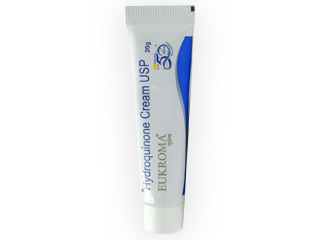
Hydroquinone: Patient-Friendly Guide (UK)
Hydroquinone is a skin-lightening ingredient used to treat certain types of hyperpigmentation, such as dark patches and uneven skin tone. It works by reducing the formation of melanin (pigment) in the skin and is commonly available in regulated topical strengths in the UK. Because it can also cause irritation and because long-term use may carry risks, it’s important to use it correctly and follow product instructions.
Quick overview
- What it is: A topical skin treatment containing hydroquinone.
- What it’s for: Hyperpigmentation (melasma, post-inflammatory dark marks, sun spots), depending on product strength and advice.
- How it works: Reduces melanin production and helps the skin’s pigment return toward a more even tone.
- Typical time to see results: Often 6–12 weeks, sometimes longer for stubborn pigmentation.
- Common issues: Dryness, redness, irritation—especially with higher strengths or sensitive skin.
- How to use safely: Start slowly, use sunscreen daily, avoid prolonged continuous use unless advised.
Basic product information
Active ingredient: Hydroquinone (topical). Products differ by concentration (for example, 2% and 4% are commonly seen in the UK market, depending on regulatory availability).
Form: Usually creams, gels, or ointments applied to affected areas. Some products also combine hydroquinone with other ingredients (such as moisturisers or mild exfoliating agents), which may affect tolerability and overall results.
Area of use: Limited to skin areas affected by pigmentation. It is not intended for use on eyes, lips, or broken/irritated skin.
How hydroquinone works (mechanism of action)
Hydroquinone primarily works by interfering with processes involved in melanin formation. Melanin is produced in skin cells (melanocytes). In hyperpigmentation, melanocytes produce excess pigment, leading to darker areas.
The main actions include:
- Inhibiting melanin synthesis: Hydroquinone reduces the activity of enzymes involved in pigment production.
- Reducing pigment transfer: It may help limit how pigment is transferred from pigment-producing cells to surrounding skin cells.
- Promoting pigment fading: Over time, the treated skin gradually sheds darker pigment as new, evenly coloured cells replace it.
Because hydroquinone is most effective when new pigmentation is prevented, daily sun protection is essential. Without sunscreen, pigmentation can return or worsen, even while using treatment.
Pharmacokinetics (how the body handles it)
Hydroquinone is a topical treatment, meaning most of its action is local to the skin. Only small amounts may be absorbed through intact skin.
- Absorption: Absorption through the skin is generally limited, but it can increase if the skin barrier is damaged (for example, due to irritation, eczema flares, cuts, or aggressive exfoliation).
- Distribution: Any absorbed hydroquinone may be distributed via the bloodstream, but clinical relevance is typically low when used as directed.
- Metabolism and elimination: Absorbed hydroquinone is metabolised by the body and eliminated (primarily through urine). The exact rates depend on the amount absorbed and the condition of the skin.
Practical takeaway: use hydroquinone only on the intended areas, avoid applying to broken skin, and follow recommended durations. If you experience significant irritation, pause and reassess.
Typical uses and indications (what it can help)
Hydroquinone is used to treat hyperpigmentation. The best choice depends on the cause and depth of the pigmentation.
Common indications in everyday use
- Melasma: Often appears as patchy, darker areas on the face. It can be triggered or worsened by sun exposure and hormonal changes.
- Post-inflammatory hyperpigmentation (PIH): Dark marks after acne, irritation, insect bites, or other skin inflammation.
- Sun-induced pigmentation: Such as age spots or uneven tone from UV exposure.
- Uneven skin tone: In some cases, where pigment is localised and persistent.
Note: While hydroquinone can be effective, results vary depending on skin type, cause, severity, and how consistently sunscreen is used. If pigmentation is widespread, rapidly changing, or associated with other symptoms, it’s advisable to seek medical advice.
Timing: when to start, how long to use, and when you’ll see results
When to expect improvement
- Early changes: Some fading may be noticed within 4–6 weeks.
- More noticeable results: Commonly 6–12 weeks.
- Stubborn cases: May take longer, but continued use should be guided by product instructions or professional advice.
How to structure a course
Many people use hydroquinone in a defined course rather than indefinitely. Avoid “continuous long-term use” unless specifically instructed. If your product instructions recommend a time limit (for example, a maximum number of weeks), follow that advice closely.
Best moment in the day
Hydroquinone is usually applied in the evening, because skin is less exposed to daylight and you can allow the product to work while you sleep. Morning routines should focus on moisturising and sun protection.
How to use hydroquinone safely (practical dosing guidance)
Dosing depends on the specific product concentration and the area you’re treating. Always follow the instructions on the pack and any pharmacist or clinician guidance provided for that particular product.
General approach (common dosing pattern)
- Apply a thin layer to affected areas only.
- Frequency: Often once daily (commonly at night). Some products may specify twice daily—use only if the product instructions say so.
- Amount: Use enough to cover the dark patches lightly (avoid thick layers).
- Wash hands: After application, wash your hands to avoid transferring product to eyes and lips.
- Moisturise: If dryness occurs, use a gentle moisturiser on non-treated areas or as directed.
Patch testing
Because irritation can occur, especially in sensitive skin, consider a patch test:
- Apply a small amount to a limited area.
- Observe for redness, burning, swelling, or worsening irritation over 24–48 hours.
What to do if you get irritation
- Stop and reassess if you develop significant burning, intense redness, blistering, or swelling.
- Resume only when irritation has settled and if it’s safe to do so for your skin.
Food interactions
Hydroquinone is applied to the skin, so food interactions are not expected to be clinically significant. As with all topical treatments, the main “interaction” is more about other skin products and sun exposure than diet.
However, general advice for skin health still applies: maintain a balanced diet, hydrate well, and ensure you’re using sunscreen consistently, as UV can significantly counteract pigment reduction.
Alcohol and medicine interactions
Alcohol
There is typically no direct interaction between topical hydroquinone and alcohol. However, heavy alcohol intake can worsen dehydration and may make skin feel drier or more inflamed, which could increase irritation during treatment.
Other medicines and skin products
The biggest interaction considerations are usually with other topical products that irritate or damage the skin barrier.
- Strong exfoliants / acids: Products containing high-strength acids (e.g., glycolic acid, salicylic acid) or harsh peels may increase irritation when combined.
- Retinoids: Tretinoin or adapalene may also increase dryness and sensitivity.
- Other pigment treatments: Combining multiple active brighteners may be effective for some people but also raises the chance of irritation. Use a “one change at a time” approach when possible.
- Skin barrier treatments: Gentle moisturisers can reduce side effects and improve tolerability.
If you use other prescription or routine skincare actives, consider staggering their application (for example, using hydroquinone at night and leaving other actives out during the initial weeks) and speak to a pharmacist if unsure.
Safety profile and side effects
Common side effects
- Skin irritation (redness)
- Dryness or flaking
- Burning or stinging sensation
- Itching
- Contact dermatitis in susceptible individuals
Less common but important concerns
- Allergic-type reactions: swelling, widespread rash, severe itching.
- Ochronosis (rare): with prolonged use or excessive exposure, there have been reports of a bluish-black discoloration of skin. This is one reason hydroquinone should be used in a controlled manner.
Who should be extra cautious
- Very sensitive skin or history of eczema/dermatitis
- Broken or inflamed skin (do not apply to damaged areas)
- Large treatment areas or prolonged use beyond recommended durations
When to stop and seek advice
Stop using hydroquinone and seek prompt advice if you experience severe irritation, blistering, swelling, or signs of a significant allergic reaction. If pigmentation is changing rapidly or is associated with pain or bleeding, seek medical assessment.
Practical use tips for best results
- Use sunscreen every day (critical): Even if you see improvement, sun exposure can cause rebound pigmentation.
- Start gradually: If you’re new to hydroquinone, begin with a lower frequency if permitted by the instructions and based on tolerance.
- Apply only to affected areas: Avoid healthy surrounding skin as this can increase irritation.
- Keep moisturisation consistent: A gentle moisturiser can reduce side effects and improve adherence.
- Avoid irritant skincare during the first weeks: Consider pausing harsh exfoliants while your skin adapts.
- Don’t double up on actives: If you’re using retinoids/acids, introduce them carefully and separately.
- Allow time: Hydroquinone’s effect is gradual; short courses or stopping early may reduce results.
Alternative options for hyperpigmentation
Depending on your skin type, cause of pigmentation, and tolerance, you may consider alternatives or complementary approaches. A clinician or pharmacist can help match options to your needs.
Common alternatives
- Azelaic acid: Often used for PIH and acne-related pigmentation; generally well-tolerated.
- Niacinamide: Helps reduce pigment transfer and supports the skin barrier.
- Vitamin C (ascorbic acid derivatives): Provides antioxidant support and can help brighten uneven tone.
- Kojic acid: A pigment-reducing ingredient used in some formulations.
- Retinoids: Support cell turnover and can help prevent new pigment from forming.
- Professional options: For stubborn melasma, dermatology treatments (e.g., specific light/laser strategies) may be considered, depending on availability and suitability.
In many routines, the most consistent long-term benefit comes from combining pigment-active ingredients with strong daily photoprotection.
United Kingdom market and legal context (overview)
In the UK, hydroquinone availability and permitted strengths can depend on regulatory classifications and product compliance requirements. Different products may appear in the market with different concentrations or formulations. Pharmacies and online retailers must ensure products are supplied in accordance with applicable UK rules and product labelling requirements.
Because hydroquinone may be associated with specific safety concerns if misused (particularly related to irritation and prolonged or excessive exposure), reputable UK suppliers will provide appropriate guidance about proper use, duration, and contraindications.
Recent guidance (general themes)
- Emphasis on limited duration and correct application: Guidance commonly stresses using hydroquinone as directed and avoiding indefinite use.
- Safety-first approach: Increased focus on irritation management and monitoring for adverse effects.
- Photoprotection priority: Healthcare professionals regularly highlight sunscreen as essential to prevent recurrence.
Product-specific instructions and the advice from a pharmacist remain the most reliable source for how to use a particular hydroquinone product safely.
Delivery and availability
Hydroquinone availability can vary by strength and product line. Many pharmacy-style online retailers offer delivery across the UK. Availability may depend on stock levels and regulatory supply constraints.
When ordering, check:
- Strength and intended use: Confirm the percentage and the recommended treatment area.
- Expiry date: Ensure the product is within its valid period.
- Packaging instructions: Read the usage and duration information printed on the pack.
For delivery timelines, look for the retailer’s current dispatch and estimated delivery options at checkout. Products are typically shipped in protective packaging to minimise damage in transit.
Product comparison (typical strengths and what to consider)
| Typical hydroquinone concentration | Common use scenario | What to expect | Safety note |
|---|---|---|---|
| Lower strength (often around 2%) | Milder or early pigmentation, or for sensitive skin | May take slightly longer to show results but often better tolerated | Still can irritate; use only as directed and protect from sun |
| Higher strength (often around 4%) | More established pigmentation, where tolerated | Can work faster for some people but irritation risk may be higher | Follow duration limits carefully; do not overuse |
Step-by-step: a simple routine you can follow
Morning
- Gentle cleanse (if needed).
- Moisturiser suited to your skin type.
- Sunscreen SPF 30+ (SPF 50+ often preferred for pigmentation). Apply generously and reapply if outdoors.
Evening
- Cleanse and pat dry.
- Apply hydroquinone in a thin layer to the dark patches.
- Moisturiser if needed (especially if your skin feels dry).
If you use other active skincare ingredients, consider leaving them out initially to reduce irritation risk, then introduce them one at a time.
FAQ
1) How long does hydroquinone take to work?
Many people notice some improvement after 4–6 weeks. More noticeable fading often occurs over 6–12 weeks. Stubborn pigmentation may take longer, but continuing should be consistent with product instructions and safety considerations.
2) Can I use hydroquinone every day?
It depends on your specific product instructions and how your skin tolerates it. Many regimens start once daily (often at night). Avoid increasing frequency beyond what the pack recommends.
3) Should I stop if my skin becomes red or irritated?
Mild dryness can happen, but persistent burning, strong redness, blistering, or swelling are warning signs. Stop and seek advice if symptoms are significant. Consider resuming only when skin has settled and in a way that matches guidance for your product.
4) Will it remove pigmentation permanently?
Hydroquinone can significantly lighten existing patches, but pigmentation can return—especially if UV exposure continues. Long-term control relies on daily sunscreen and avoiding triggers that cause pigment to form.
5) Can I use hydroquinone with other skincare ingredients?
You can often combine routines, but some ingredients increase irritation. For example, strong acids or retinoids may be irritating when used alongside hydroquinone. If you plan to combine products, do so gradually and consider spacing them out.
6) Is hydroquinone safe for all skin types?
Many people use hydroquinone successfully, but sensitivity varies. If you have eczema or very reactive skin, start cautiously and patch test. If you’re unsure, ask a pharmacist for advice based on your product and skin history.
7) Can I drink alcohol while using hydroquinone?
There is no typical direct interaction with topical hydroquinone. However, alcohol may indirectly affect skin comfort (for example through dehydration). If you notice increased irritation during drinking, reduce alcohol and focus on gentle skincare and moisturisation.
8) Is it okay to use hydroquinone on acne scars?
Hydroquinone may help fade post-inflammatory dark marks (PIH) left after acne. It tends to work best on pigment, not on raised or depressed scar tissue. If you have active acne or ongoing inflammation, treating the cause may be more effective for preventing new marks.
9) What happens if I miss a day?
Missing a day usually won’t cause harm. Continue with your routine as instructed. Consistency matters more than perfect daily use.
10) Who should seek professional advice before using?
Seek advice if pigmentation is rapidly changing, if you have a history of significant skin reactions, if the area is large, or if the product instructions do not clearly match your situation.
Important note
This information is provided to help you understand hydroquinone and use it more safely. Always follow the specific instructions supplied with your product. If you have concerns about your skin condition, irritation, or suitability, ask a pharmacist or other qualified healthcare professional.