

Lamprene (Clofazimine) — Patient Information (UK)
Lamprene contains clofazimine, a medicine used mainly for certain chronic infections. This page explains how it works, how it’s usually taken, important safety information, and practical guidance to help you use it effectively.
Always follow the instructions given by your healthcare professional and read the patient information leaflet (PIL) supplied with your medicine.
1) Basic product information
| Feature | Details |
|---|---|
| Medicine name | Lamprene |
| Active ingredient | Clofazimine |
| Use (main) | Leprosy (Hansen’s disease), as part of recommended combination therapy |
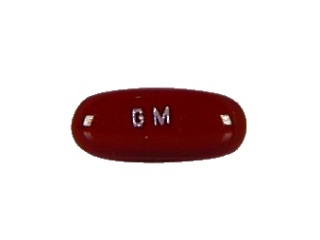
| Form | Oral capsules/tablets (strengths vary; check your pack) |
| Medicinal class | Antimycobacterial agent (used for specific mycobacterial infections) |
| How it’s taken | By mouth, typically once daily (regimens vary) |
2) What is clofazimine and how does Lamprene work?
Clofazimine is an antimycobacterial medicine with activity against Mycobacterium leprae (the organism that causes leprosy). It is also used in certain other mycobacterial contexts as directed by specialists.
Mechanism of action (how it works):
- Disrupts energy production in the bacteria and interferes with key cellular processes.
- Exerts anti-inflammatory effects, which can be helpful in inflammatory reactions related to leprosy.
- Accumulates in tissues and remains in the body for a long time, supporting prolonged activity.
3) Pharmacokinetics — how the body handles Lamprene
Pharmacokinetics describes absorption, distribution, metabolism, and elimination.
- Absorption: Clofazimine is absorbed from the gut, but absorption can vary between people.
- Distribution: It is widely distributed into body tissues, including areas affected by infection.
- Accumulation: Clofazimine tends to build up and persists in the body.
- Metabolism: Metabolic pathways exist, but significant activity relates to the drug’s long tissue presence.
- Elimination: Clofazimine is eliminated slowly, which contributes to its long-lasting effects.
Clinical takeaway: Because it stays in the body for a prolonged period, side effects may develop gradually and can continue for some time after dose changes.
4) Typical use in the UK
In the United Kingdom, Lamprene (clofazimine) is used primarily for leprosy (Hansen’s disease), usually as part of multi-drug regimens recommended by clinical guidance and public health programmes.
It may also be used in specialised circumstances for certain mycobacterial infections where the benefits outweigh risks, as determined by an expert clinician.
Important: Leprosy treatment is usually combination therapy to prevent resistance and improve cure rates.
5) How to take Lamprene — timing and daily routine
Your exact schedule depends on your diagnosis and the regimen chosen by your healthcare team. Many regimens use once-daily dosing.
Timing tips:
- Choose a time you can keep consistently (e.g., evenings) to help you remember.
- If you miss a dose, take it when you remember unless it’s close to your next dose—then skip the missed dose and continue normally.
- If you’re unsure what to do after a missed dose, seek advice from your pharmacist.
Course length: Treatment can be prolonged. Stopping early can reduce effectiveness and may increase the risk of relapse.
6) Food interactions — what to know about meals
Clofazimine can be taken with or without food in many regimens, but individual instructions may vary.
- General approach: Follow your prescriber’s instructions and the label directions.
- Stomach comfort: If you experience nausea or stomach discomfort, taking it with a light meal may help (unless you’ve been told otherwise).
- Avoid taking at the same time as certain supplements/medicines only if your clinician has advised so for your particular plan.
Food colour note: Clofazimine is known for causing skin and bodily fluid discolouration in some patients. This is not typically related to food.
7) Alcohol and medicine interactions
Alcohol: There is no universally required “complete avoidance” of alcohol, but alcohol may increase the chance of side effects such as fatigue, dizziness, or gastrointestinal upset. If you drink alcohol, keep it moderate and discuss with your healthcare professional—especially if you have liver problems or other conditions.
Medicine interactions: Clofazimine can interact with other medicines. Tell your pharmacist or healthcare team about all medicines you take, including:
- Other antibiotics or antimycobacterial drugs
- Medicines for skin conditions (especially if they affect inflammation or pigmentation)
- Drugs that may affect the heart’s rhythm (your clinician may consider ECG risk where relevant)
- Medicines that affect liver function
- Over-the-counter products and herbal supplements
Key practical advice: Before starting Lamprene, review your medication list. If you start or stop any medicine during treatment, inform your pharmacist promptly.
8) Indications — when Lamprene is used
In the UK, Lamprene (clofazimine) is indicated for:
- Leprosy (Hansen’s disease), typically as part of combination therapy.
- Other mycobacterial infections in selected situations, where specialists consider it appropriate.
Why combination therapy matters: Using more than one medicine helps increase effectiveness and reduces the risk that the bacteria will develop resistance.
9) Dosing — typical patterns (follow your regimen)
Dosing depends on the infection being treated, severity, and your overall health. Strengths of clofazimine products can vary, so always use the prescribed dose for your specific pack.
Common dosing principles:
- Adults: Regimens for leprosy may include an initial phase and a maintenance phase; exact amounts are based on local clinical guidance.
- Children: Doses are often weight-based and guided by a specialist team.
Do not change your dose without medical advice. Because clofazimine has a long duration of action, small changes may still take time to fully influence side effects and effectiveness.
If you have kidney or liver impairment: Your clinician may monitor you more closely or adjust your plan.
10) Safety profile — important side effects and warning signs
Like all medicines, Lamprene can cause side effects. Many are manageable, but some require prompt medical attention.
Common and expected effects
- Skin discolouration: Clofazimine may cause skin darkening (often reddish-brown). This can gradually build over time.
- Changes in body fluids: Some people notice reddish discolouration of urine, stool, sweat, or tears.
- Dryness or irritation: Skin dryness or itchiness can occur.
- Gastrointestinal effects: Nausea, abdominal discomfort, or diarrhoea can happen.
Less common but important
- Inflammatory bowel symptoms: Rarely, clofazimine can contribute to gastrointestinal problems. Report persistent or severe abdominal pain, vomiting, or worsening diarrhoea.
- Severe skin reactions: Contact a clinician urgently if you develop widespread rash, blistering, or signs of allergic reaction (swelling of face/lips, difficulty breathing).
- Heart rhythm considerations: Some antimycobacterial medicines may affect cardiac rhythm in susceptible individuals. Your clinician may consider risk factors and monitoring if needed.
When to seek urgent medical help
Seek urgent advice or emergency care if you experience:
- Difficulty breathing, swelling of face or throat, or severe rash
- Severe abdominal pain, blood in stool, persistent vomiting, or signs of dehydration
- Yellowing of the eyes/skin (jaundice) or severe fatigue with dark urine (possible liver issues)
- Fainting or severe dizziness (possible rhythm-related symptoms)
Monitoring during treatment
- Your clinician may perform periodic reviews to assess response and side effects.
- In some cases, blood tests (e.g., liver function) may be considered depending on your overall treatment plan.
- Regular skin checks may be helpful, especially if irritation or rash occurs.
11) Practical use tips — making Lamprene easier to manage
- Plan for skin discolouration: Let others close to you know that skin darkening can occur. Use sun protection (see below) to help manage sensitivity.
- Sun safety: Some people find their skin becomes more sensitive. Use a broad-spectrum sunscreen, protective clothing, and avoid prolonged sun exposure.
- Hydration and bowel comfort: If you develop diarrhoea or abdominal discomfort, maintain hydration and discuss symptoms early.
- Track side effects: Keeping a simple note of new symptoms, their timing, and severity can help your clinician adjust supportive care if needed.
- Don’t stop due to mild side effects: Many effects are expected. Discuss concerns before stopping; your regimen may still be essential to cure the infection.
- Maintain adherence: Treatment schedules are prolonged—setting reminders can help.
12) Alternatives to Lamprene
For leprosy and related mycobacterial infections, there are alternative medicines used in combination regimens. Which option is suitable depends on your disease type, severity, previous treatments, and tolerance.
Common alternatives used in leprosy regimens may include:
- Rifampicin
- Dapsone
- Other specialised antimycobacterial agents in selected circumstances
Important: Substitutions should be decided by specialists. Different medicines have different side effect profiles and monitoring needs.
13) UK market and legal context
In the United Kingdom, medicines like Lamprene are regulated under the medicines framework administered by the Medicines and Healthcare products Regulatory Agency (MHRA) and related UK regulatory systems.
When medicines are used for leprosy, clinical practice is guided by national and international recommendations and by specialist infectious disease or dermatology services. Dosing regimens often follow established protocols, especially because treatment is prolonged and multi-drug.
Recent guidance (high-level): Clinical management of leprosy continues to emphasise timely initiation of combination therapy, monitoring of reactions, adherence support, and management of side effects. Your specialist team may follow updated guidance from relevant bodies, and local protocols may vary by service.
14) Delivery and availability in the UK
Availability may vary depending on stock levels, strength, and formulation. Many online pharmacy services provide:
- Secure packaging to protect tablets/capsules during transit
- Order tracking where available
- Estimated delivery times shown at checkout
What to do if your order is delayed: Check the tracking details provided by your pharmacy. If you are close to your next dose and delivery timing is uncertain, contact customer support for assistance.
Storage: Store according to the instructions on your package. Keep out of sight and reach of children, and protect from excessive heat and moisture unless the packaging states otherwise.
15) Frequently Asked Questions (FAQ)
How long does Lamprene take to start working?
In leprosy, improvement may take weeks to months, and full response can take longer because of the slow-growing nature of the organism and the requirement for prolonged therapy. Clofazimine’s long persistence in the body supports sustained activity throughout treatment.
Will Lamprene change my skin colour?
Skin discolouration is a well-known effect. The degree and timing vary between people. In many cases, it is gradual and may continue to change during therapy. Discuss your experience with your clinician—especially if you develop rash or symptoms beyond normal discolouration.
Does Lamprene affect urine or stool colour?
Yes. Clofazimine can cause reddish discolouration of body fluids such as urine or stool in some people. This can be expected, but report any severe symptoms (e.g., blood in stool, severe abdominal pain) urgently.
Can I take Lamprene with food?
Many people can take clofazimine with or without food. If you experience stomach upset, taking it with a light meal may help. Follow your specific instructions from your healthcare professional.
What if I miss a dose?
Take it when you remember unless it is close to the time of your next dose. If you’re unsure, contact your pharmacist for personalised advice based on your dosing schedule.
Are there long-term side effects?
Some side effects, especially skin discolouration, may persist for a time. Gastrointestinal symptoms and skin irritation may occur. Serious reactions are less common but important to recognise early. Regular review during treatment helps manage risks.
Can I drink alcohol while taking Lamprene?
Moderation is advisable. Alcohol may worsen stomach upset and general wellbeing for some people. If you have liver problems or significant side effects, ask your healthcare professional what is safest for you.
What medicines should I avoid?
Do not start or stop any medicine without advice. Tell your pharmacist about all prescription medicines, over-the-counter products, and herbal supplements so potential interactions can be reviewed.
What should I do for sun sensitivity?
Use a broad-spectrum sunscreen and protective clothing. Avoid long direct sun exposure, particularly if your skin feels more sensitive during treatment.
Is Lamprene used only for leprosy?
Its main approved use is for leprosy as part of combination therapy. In selected circumstances, specialists may use it for other mycobacterial infections depending on clinical needs.
Where can I get more information?
For details specific to your product and your treatment plan, read the PIL included with your medicine and speak to your pharmacist or prescribing clinician.
16) Key reminders
- Lamprene (clofazimine) is used mainly for leprosy in combination regimens.
- Expected effects can include skin and fluid discolouration; severe or unusual symptoms should be reported promptly.
- Keep your dosing routine steady and do not stop early without advice.
- Discuss alcohol use and medication interactions with your pharmacist.
- Use sun protection and seek help for rash, severe diarrhoea, or signs of allergic reaction.
Disclaimer: This information is intended to help you understand Lamprene. It does not replace medical advice. If you have specific questions about your condition or regimen, contact a healthcare professional.