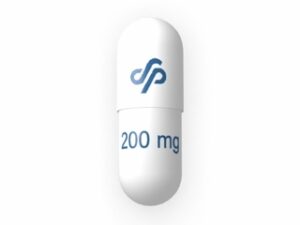
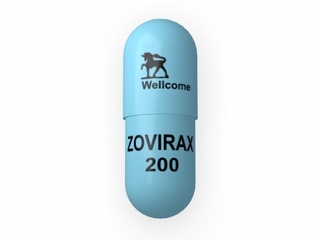

Zovirax (Acyclovir) – Patient-Friendly Guide (UK)
Zovirax is a brand of acyclovir, an antiviral medicine used to treat certain viral infections, particularly those caused by herpesviruses such as herpes simplex (cold sores and genital herpes) and varicella zoster (chickenpox and shingles). This guide explains what Zovirax is, how it works, typical uses, dosing principles, important safety information, and practical advice for getting the best results.
Important: This information is designed to help you understand your medicine. Always follow the instructions on the label or provided by your healthcare professional. If you are unsure which formulation is right for you (cream, tablets, or other forms), speak to a pharmacist.
1) Basic product information
- Medicinal ingredient: Acyclovir
- Brand name: Zovirax
- Medicine type: Antiviral (nucleoside analogue)
- Common UK indications: Herpes simplex infections; shingles; chickenpox in some situations
- Available forms (commonly): Tablets (oral), cream (topical). Other formulations may exist depending on availability.
Zovirax is used to reduce the duration and severity of outbreaks and to help control recurring herpes infections in selected people. Outcomes are best when treatment begins as early as possible—ideally at the first signs.
2) How Zovirax works (mechanism of action)
Acyclovir works by targeting virus-infected cells. It is converted inside infected cells into an active form that interferes with viral DNA production. In simple terms:
- Virus enters and replicates in susceptible cells.
- Acyclovir is activated inside infected cells.
- Viral DNA replication is blocked, preventing the virus from multiplying.
- The immune system can then help the body clear the infection more effectively.
Acyclovir does not “cure” herpes viruses permanently because they can remain dormant in the body. However, it can: shorten outbreaks, reduce symptom severity, and may help prevent recurrences in some patients.
3) Pharmacokinetics (how the body handles it)
Pharmacokinetics describes what happens to a medicine after you take it. Acyclovir pharmacokinetics can vary depending on the formulation. Below is a patient-friendly overview focused mainly on oral use, where relevant.
| Aspect | What to know |
|---|---|
| Absorption | Oral acyclovir is absorbed from the gut but absorption can be limited; adequate dosing and follow-up is important. Topical cream has local activity on the skin. |
| Distribution | Acyclovir distributes through body fluids and tissues and reaches sites where herpes viruses are active. |
| Metabolism | Acyclovir is not extensively metabolised in the body. It is largely handled unchanged. |
| Elimination | Primarily cleared by the kidneys. Kidney function affects how quickly it leaves your body. |
| Half-life (general) | The elimination half-life can be prolonged in reduced kidney function, so dose adjustments may be needed. |
4) Typical uses in the UK
Zovirax is commonly used for:
Herpes simplex infections
- Cold sores (herpes labialis): painful blisters or sores around the mouth
- Genital herpes (herpes genitalis): outbreaks on the genital area and surrounding skin
- Recurrent herpes: in some people, to reduce frequency and severity of outbreaks
Varicella zoster virus
- Shingles (herpes zoster): a painful rash, often on one side of the body
- Chickenpox (varicella): treatment may be considered in certain patients, particularly if started early
The benefit is greatest when treatment is started early—generally within 24 hours of symptom onset for shingles is especially important. For other herpes infections, early treatment can still make a meaningful difference.
5) Indications and when it’s most helpful
Zovirax is indicated for treatment of specific viral infections as described in product information and clinical guidance. It is most helpful when used for the right condition and started promptly.
- Suspected cold sore: start at the first tingling, itching, or burning sensation.
- Suspected genital herpes: start as soon as symptoms begin (pain, tingling, or the first lesions).
- Suspected shingles: start as soon as possible—ideally within 72 hours of rash onset, and earlier is better.
- Immunocompromised people: antiviral therapy may be more urgent and tailored. If you are immunocompromised, consult a healthcare professional promptly.
6) Dosing overview (timing and practical principles)
Dosing depends on the formulation (cream vs tablets), the specific infection, age, kidney function, and whether it is for first episode treatment or recurrent disease. The exact dose schedule should follow the instructions provided with your medicine and/or the prescriber/pharmacist’s guidance.
General dosing principles
- Start early: begin at the earliest sign of an outbreak.
- Space doses evenly: keeping roughly consistent intervals helps maintain antiviral activity.
- Finish the course: even if you feel better, complete the recommended duration.
- Kidney considerations: if you have reduced kidney function, doses may need adjustment.
Timing examples (for understanding only)
Many oral antiviral regimens involve taking doses multiple times daily. For example, “twice daily” typically means about 12 hours apart, while “three to five times daily” means spreading doses across the day and night as directed. If your label says a specific frequency, follow that exactly.
- Twice daily (typical): e.g., morning and evening.
- Three times daily (typical): e.g., morning, afternoon, bedtime (or as instructed).
- Five times daily (less common): doses may be spaced during waking hours.
For topical cream: wash hands before and after applying, use only the amount specified, and avoid contact with eyes, inside the mouth, or broken skin unless advised. Cream effectiveness depends on consistent use and early start at the first signs.
7) Food interactions
Acyclovir oral dosing is generally not significantly affected by food, but individual absorption can vary. To help you stay consistent, many patients are advised to take tablets with water and at the times on the label.
- Take with water: drink a full glass of water to support kidney clearance.
- Follow your schedule: if your label suggests taking with or after food, follow that advice.
- Hydration matters: dehydration can increase kidney-related risks for medicines cleared by the kidneys.
If you experience stomach upset, taking tablets with food may improve tolerability—confirm with your pharmacist if you are unsure.
8) Alcohol and medicine interactions
There is no universally required ban on alcohol with acyclovir, but alcohol can indirectly worsen outcomes by affecting hydration, sleep, and immune function. It may also increase the risk of side effects such as dizziness or nausea in some people.
General advice
- Moderation is recommended.
- Drink water—aim for good hydration, especially if you are taking oral tablets.
- Avoid binge drinking, as dehydration may increase the risk of kidney problems.
Other medicines
Acyclovir is cleared by the kidneys. Some medicines can also affect kidney function or be cleared through similar pathways. Tell your pharmacist if you take:
- Medicines that affect the kidneys or are associated with kidney strain
- Other medicines that may reduce kidney function
- High-dose or multiple medicines if you are older, frail, or have underlying kidney disease
If you are unsure whether your current medicines may interact, ask a pharmacist. Keep a list of your medications and bring it when you seek advice.
9) Safety profile (who should be careful)
Like all medicines, Zovirax can cause side effects, although not everyone experiences them. Side effects may depend on formulation (cream vs tablets) and whether you have kidney impairment or other medical conditions.
Common side effects
- Tablets (oral): nausea, diarrhoea, headache, dizziness
- Cream (topical): mild skin irritation, redness, or dry skin at the application site
Less common but important
- Kidney-related issues (especially if dehydrated or with existing kidney impairment)
- Neurological symptoms (rare) such as confusion or agitation—seek advice urgently if these occur
- Allergic reactions (rare), including swelling or difficulty breathing—seek emergency help
When to seek urgent medical help
Get urgent medical attention if you experience:
- Signs of a severe allergic reaction: swelling of the face/lips, wheezing, or trouble breathing
- Severe or worsening confusion, severe dizziness, or unusual drowsiness
- Reduced urination, severe dehydration, or symptoms suggesting kidney problems
Special populations
- Older adults: may have reduced kidney function—hydration and dose appropriateness are important.
- People with kidney impairment: may require dose adjustment and closer monitoring.
- Immunocompromised people: antiviral treatment can be crucial; seek timely advice for appropriate regimens.
- Pregnancy and breastfeeding: discuss with a healthcare professional for individual risk/benefit guidance.
- Children: dosing is age- and condition-specific—follow professional advice carefully.
10) Practical use tips to get the best results
Start at the first signs
The earlier you begin, the better the chance of reducing severity and duration. Cold sores often begin with tingling or a burning sensation before blisters appear. Shingles may start with pain and burning before the rash appears.
Hydration supports safety
For oral acyclovir, aim for good fluid intake unless you have been advised to restrict fluids. This helps kidney clearance and may reduce the risk of kidney-related side effects.
Hygiene and spreading prevention
- Avoid touching sores.
- Wash hands before and after applying cream.
- Do not share towels or lip balm.
- For genital herpes outbreaks, avoid sexual contact during active lesions to reduce transmission risk.
How to apply Zovirax cream (general guidance)
- Wash and dry the area.
- Apply a thin layer to the affected skin as instructed.
- Avoid eyes and inside the mouth or nose.
- Follow the recommended frequency and duration on your label.
What to expect
- Symptoms often start improving within a couple of days, depending on the condition and how early treatment started.
- If there is no improvement or symptoms worsen, contact a healthcare professional.
11) Alternative options
Treatment options depend on the infection type, severity, and your health history. Alternatives may include other antivirals, supportive care, or different formulations. A pharmacist can help you compare options available in the UK.
Other antiviral medicines (examples)
- Valaciclovir (another oral antiviral used for herpes infections and shingles)
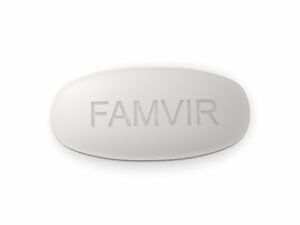
- Famciclovir (oral antiviral used for some herpes infections, including shingles)
Supportive symptom relief
- Pain relief (e.g., paracetamol or ibuprofen where suitable)
- Barrier protection for skin comfort
- Topical moisturisers for irritation (avoid applying products that might interfere with the cream unless advised)
Choice of alternative should consider kidney function, dosing frequency, and clinical suitability. Do not switch treatments without advice if you have complicated disease or frequent outbreaks.
12) UK market and legal context (what this means for you)
In the UK, the classification of medicines (for example, pharmacy-only or prescription-only) depends on the specific product strength and form. Availability can also vary by formulation and brand. A registered pharmacy website will typically display the correct status and provide information about how to order safely.
We aim to support safe use by providing product information and clear instructions. Always ensure you are buying from a UK-legal, reputable pharmacy to reduce the risk of counterfeit or inappropriate products.
Recent guidance (high-level)
Clinical practice in the UK continues to emphasise:
- Early antiviral initiation for shingles and herpes outbreaks to maximise benefit
- Assessment of risk in patients with severe disease, frequent recurrences, or immunocompromise
- Kidney-aware prescribing and hydration advice for oral antiviral medicines
- Patient education on transmission prevention and symptom monitoring
If you have severe symptoms, are immunocompromised, or you are unsure which condition you have, seek timely clinical advice.
13) Delivery and availability (UK)
Availability varies by formulation and current stock levels. Many pharmacies in the UK can offer:
- Home delivery (often next working day or within a specified timeframe, depending on the service)
- Tracking and delivery updates
- Consolidated orders if you buy multiple items
Delivery times depend on your location and the courier service. On a reputable pharmacy site, you should see estimated dispatch and delivery windows before you complete your order.
Storage: Keep medicines according to the instructions on the packaging, away from heat and moisture. Store out of reach of children.
14) FAQ about Zovirax (Acyclovir)
Is Zovirax the same as acyclovir?
Yes. Zovirax is a brand name for acyclovir. Different products may contain acyclovir as the active ingredient.
How quickly does Zovirax work?
For best effect, start early. Many people notice improvement within a few days, but the timing depends on the infection type and how quickly treatment began.
Can I use Zovirax for every type of “herpes”?
It is used for herpes simplex and certain varicella zoster infections. It may not treat other viral illnesses. If you’re unsure of the diagnosis, ask a pharmacist or healthcare professional.
Should I stop treatment if symptoms improve?
Follow the full course stated on the label or advised by a healthcare professional. Stopping early can reduce effectiveness.
What if I miss a dose?
Take it as soon as you remember unless it’s close to the next dose. Do not take a double dose to make up for the missed one. If you are unsure, ask your pharmacist.
Can I take Zovirax with food?
Many people can take oral acyclovir with or without food. If your label specifically instructs taking with food, follow those instructions. If you get stomach upset, taking with food may help.
Can I drink alcohol while taking Zovirax?
Moderate alcohol is not always strictly prohibited, but it may worsen dehydration and side effects. If you drink, keep it moderate and stay well hydrated. If you feel dizzy or unwell, avoid alcohol.
Does Zovirax prevent spreading herpes?
Antiviral treatment can reduce viral activity and shorten outbreaks, which may reduce transmission risk. However, herpes can still spread. Use safe practices, avoid contact with active lesions, and consider barrier protection where relevant.
What side effects should I watch for?
Common effects include nausea, diarrhoea, headache, and mild skin irritation (for cream). Seek urgent medical attention for signs of allergy, severe confusion, or reduced urination.
Do I need a kidney check?
Some people—especially older adults or those with known kidney problems—may need dose adjustments. Your pharmacist can advise based on your medical history and the dosing instructions provided with your medicine.
Are there alternatives to Zovirax?
Yes. Depending on your condition, other antivirals such as valaciclovir or famciclovir may be used, and symptom-relief options are often available too. A pharmacist can help you choose a suitable option.
15) Summary
Zovirax (acyclovir) is an antiviral medicine used to treat herpes simplex infections and shingles. It works by interfering with viral DNA replication in infected cells. Outcomes are best when started early and taken as directed, with attention to hydration and kidney-related considerations for oral use.
If you are unsure about your symptoms, the right formulation, or how to take your medicine, speak to a pharmacist. They can help you confirm suitability, compare alternatives, and ensure safe use.