

Levothroid (Levothyroxine) – Patient Guide (UK)
Levothroid contains levothyroxine, a medicine used to treat conditions where the body has insufficient thyroid hormone. It works by replacing the hormone your thyroid would normally produce. Levothroid is widely used in the UK and is available in different strengths.
This page explains how Levothroid works, how it is usually taken, important food and medicine interactions, safety information, and practical tips for everyday use.
Quick facts
- Active ingredient: Levothyroxine (T4)
- What it’s used for: Hypothyroidism (underactive thyroid) and related thyroid hormone replacement needs
- Typical dosing: Once daily, usually in the morning on an empty stomach
- Key interactions: Some foods and several medicines/supplements can reduce absorption
- Monitoring: Blood tests (TSH, and sometimes free T4) guide dose adjustments
Basic product information
Levothroid is a brand of levothyroxine, a synthetic form of the thyroid hormone thyroxine (T4). In the body, T4 is converted to the active hormone triiodothyronine (T3), which helps regulate metabolism and many body functions.
Forms and strengths: Levothyroxine products can come in various strengths. Your clinician will choose the strength that matches your blood test results. Always confirm the specific strength on your pack.
Who it’s for: Adults and children may be treated with levothyroxine depending on the underlying thyroid condition.
How Levothroid works (mechanism of action)
Thyroid hormones influence how quickly the body uses energy, regulates temperature, supports heart rhythm, and affects growth and development. When the thyroid gland is underactive, hormone levels fall.
Levothyroxine acts by:
- Replacing T4 that your body is not producing enough of
- Converting T4 to T3 in tissues where needed
- Normalising thyroid hormone levels, helping relieve symptoms of hypothyroidism
- Reducing elevated TSH (thyroid-stimulating hormone) caused by low thyroid hormone
Pharmacokinetics (how the body handles it)
Understanding pharmacokinetics helps explain why timing and consistency matter.
| Feature | What to know (typical for levothyroxine) |
|---|---|
| Absorption | Absorption occurs mainly in the small intestine. It can be reduced by certain foods, fibre, and some medicines/supplements. |
| Onset | Improvement in symptoms may take days to weeks, while lab changes typically take several weeks. |
| Distribution | Levothyroxine binds to plasma proteins and is transported to tissues. |
| Metabolism | T4 is converted into active T3 in various tissues; inactive metabolites are eventually cleared. |
| Half-life | Levothyroxine has a long half-life, meaning steady hormone levels are achieved gradually. |
| Elimination | Metabolites are excreted mainly via bile and urine. |
What Levothroid is typically used for
Levothyroxine is prescribed for conditions involving inadequate thyroid hormone. Common indications include:
- Primary hypothyroidism (e.g., due to Hashimoto’s thyroiditis or after thyroid damage)
- Post-surgical hypothyroidism after removal of all or part of the thyroid
- Congenital hypothyroidism (in babies/children, where early treatment is crucial)
- Thyroid hormone replacement in certain conditions where thyroid function is impaired
- Adjunctive/TSH-suppressive therapy in selected thyroid conditions as advised by specialists
Note: The exact goal (replacement vs. TSH suppression) depends on your diagnosis and clinical situation. Your healthcare professional may set a target range for blood test results.
How to take Levothroid: timing and routine
Consistency is key. Levothyroxine absorption can vary. For best effect, aim for a routine that you can follow every day.
Typical timing
- Most people: Take Levothroid once daily in the morning.
- Empty stomach: Take it with water on an empty stomach.
- Wait after taking: Ideally wait at least 30–60 minutes before eating breakfast. Many product instructions recommend 30 minutes.
- Alternative option: If morning dosing is difficult, some people take it later in the day (e.g., at bedtime) provided the stomach has been empty for a sufficient period (often 3–4 hours after the last meal). Follow the advice given to you.
How to take it
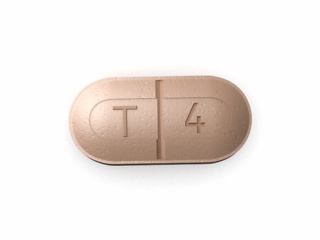
- Swallow the tablet whole with water.
- Do not change dose or brand/strength without checking with your clinician, especially during dose stabilisation.
- Keep tablets in a safe place away from heat and moisture.
Missing a dose
If you miss a dose, take it when you remember if it is still the same day. If it is close to the next dose, skip the missed dose and continue as normal. Do not take a double dose. If you are unsure, ask your pharmacist for advice.
Food interactions: what to avoid
Some foods and dietary patterns can reduce levothyroxine absorption or alter thyroid test results. While the exact effect varies, these are common considerations.
Examples of potential food-related issues
- Coffee taken soon after the tablet may reduce absorption in some people.
- High-fibre diets or supplements may affect absorption.
- Soy products may interfere with absorption in some individuals.
- Large amounts of raw cruciferous vegetables (e.g., in high quantities) may affect thyroid hormone utilisation.
- Very close timing with food (eating too soon) can significantly reduce absorption.
Practical tip: To minimise variability, keep your meals consistent and take Levothroid at the same time daily with a predictable gap before breakfast.
Alcohol interactions
In general, moderate alcohol consumption does not directly interact with levothyroxine in the same way that some medicines do. However, alcohol can indirectly affect health and routine:
- Excessive alcohol use may worsen overall health and can affect adherence to medication routines.
- Heavy drinking can influence liver function and may complicate interpretation of blood tests.
If you drink alcohol, aim for moderation and discuss your intake with your healthcare professional—especially if you have other conditions or take multiple medicines.
Medicine interactions (important)
Levothyroxine absorption and/or thyroid hormone levels can be affected by other medicines. Some medicines bind levothyroxine in the gut or change stomach pH; others may alter hormone metabolism.
Medicines that may reduce absorption (separation recommended)
Where possible, keep a time gap between levothyroxine and these medicines:
- Iron supplements (e.g., ferrous salts)
- Calcium supplements and some antacids containing calcium
- Magnesium or aluminium-containing antacids
- Cholestyramine and other bile acid sequestrants
- Some phosphate binders (e.g., in kidney disease)
- Orlistat (weight loss medicine)
- Certain dietary supplements containing minerals may interfere
Practical tip: Your pharmacist can advise a suitable separation schedule. A common approach is to take levothyroxine and such products at least 4 hours apart, but always follow professional advice tailored to your regimen.
Medicines that may alter thyroid hormone levels
- Amiodarone (affects thyroid function in some patients)
- Glucocorticoids (may affect thyroid hormone metabolism)
- Antiepileptic medicines (some can alter metabolism)
- Oestrogen therapy and some hormonal treatments (may change thyroid hormone binding proteins)
- Rifampicin (can alter hormone metabolism)
- Certain cancer medicines and immunotherapies affecting the immune system (specialist monitoring is required)
Staying safe with interactions
- Inform your pharmacist or prescriber about all medicines and supplements you take, including herbal products.
- Do not start or stop medicines without checking how it may affect thyroid levels.
- If you change brand/strength, notify your clinician, because some patients may need re-checking of blood tests.
Dosing: how Levothroid is usually prescribed
Dose is individual and depends on your thyroid function, age, weight, and underlying condition. The goal is to achieve appropriate hormone levels safely.
General principles
- Adults: Often start at a calculated dose; adjustment may occur after blood tests.
- Elderly patients or those with heart disease: Dose may be started lower with slower adjustments to reduce risk of over-replacement.
- Children: Dose is weight- and age-dependent and must be closely monitored.
Typical adjustment and monitoring
- After a dose change, blood tests are usually repeated after several weeks to allow levels to stabilise.
- Targets may be different for different diagnoses (e.g., replacement vs suppression).
Important: Follow the dose you have been advised. Do not adjust based solely on how you feel—thyroid levels are assessed with blood tests.
Safety profile: who needs extra caution
Levothyroxine is generally well tolerated when dosed correctly. The main risk is taking too much or too little.
Signs of too much levothyroxine (over-replacement)
Over-replacement can cause symptoms similar to hyperthyroidism:
- Fast or irregular heartbeat
- Palpitations
- Chest discomfort
- Feeling hot, sweating
- Tremor
- Anxiety, irritability, difficulty sleeping
- Unintentional weight loss
- Diarrhoea
Signs of too little levothyroxine (under-replacement)
- Tiredness, lethargy
- Cold intolerance
- Dry skin
- Constipation
- Weight gain
- Depressed mood
- Slow heart rate
When to seek urgent advice
Contact urgent care or emergency services if you experience severe symptoms such as:
- Chest pain
- Severe shortness of breath
- Fainting
- Significant palpitations with feeling unwell
Special populations
- Pregnancy: Levothyroxine is commonly used in pregnancy to maintain normal thyroid hormone levels. Thyroid monitoring may need to be more frequent. Dose may need adjustment under clinical supervision.
- Breastfeeding: Levothyroxine is generally compatible with breastfeeding when correctly dosed.
- Heart disease: Over-replacement can increase risk of angina, arrhythmias, or other cardiac issues. Dosing and monitoring should be careful.
- Older adults: Lower starting doses and slower titration may be recommended.
Practical use tips for getting the best results
- Stick to the same routine: take it at the same time daily with a consistent gap to meals.
- Use water only: take with plain water for best absorption.
- Separate interacting products: iron, calcium, magnesium, and certain antacids may require a time gap.
- Be mindful with coffee: try to avoid coffee immediately after your tablet—wait if possible.
- Keep track of changes: if you start/stop other medicines, tell your clinician because your thyroid levels may need retesting.
- Check your supply: ensure you have enough tablets to avoid missed doses.
- Don’t switch brands without advice: while levothyroxine products are similar, small differences can matter for some people.
Alternative options
If levothyroxine is not suitable, or if you need to discuss different formulations, there are alternatives. Availability and suitability vary by individual and diagnosis.
Common alternative thyroid medicines
- Other brands of levothyroxine (same active ingredient, different formulation/strength)
- Liothyronine (T3) or combination therapy: used less commonly and typically under specialist guidance for selected patients
- Thyroid extract (varies by availability and guidance; not always preferred due to consistency issues)
Your clinician can advise the best option based on symptoms, blood tests, and tolerability.
UK market and legal context
In the UK, medicines are regulated and must meet standards for quality, safety, and efficacy. Levothyroxine products are widely prescribed and are available through licensed supply chains. Your ability to purchase and use medicines depends on current UK pharmacy regulations, clinical appropriateness, and your health needs.
Branding and switching: Levothyroxine has established prescribing practices. If there are changes in brand, strength, or formulation, healthcare professionals may recommend additional blood test monitoring to ensure stable thyroid levels.
Reporting concerns: If you experience side effects or suspect a medicine issue, it can be reported to the relevant UK pharmacovigilance system. Your pharmacist can guide you on how to report.
Recent guidance and monitoring principles (UK-relevant)
Across recent years, UK clinical practice has emphasised:
- Individualised dosing guided by blood tests (typically TSH, with free T4 where relevant).
- Stable administration: taking levothyroxine consistently to minimise absorption variability.
- Close monitoring during life changes such as pregnancy, major medication changes (e.g., iron/calcium), or switching formulations.
- Careful attention to interactions that can alter absorption or hormone levels.
Always follow advice from your clinician regarding what tests you need and when.
Delivery and availability (UK)
Levothroid (levothyroxine) is commonly stocked by reputable pharmacies and online medicine providers in the UK, subject to availability and strength. Delivery options may include standard and express services depending on the supplier.
- Availability: Strengths may vary, so check stock status on the product page.
- Packaging: Medicines are typically dispatched in protective packaging to prevent damage.
- Cold-chain: Levothyroxine tablets generally do not require refrigeration unless specifically stated for a particular product.
- Order cut-off times: These may apply for same-day or next-day delivery depending on the pharmacy.
If you are starting treatment or adjusting dose, it can be helpful to order early to avoid running out.
FAQ – Levothroid (Levothyroxine)
1) How long does it take for Levothroid to work?
Some symptom improvement may be noticed within days to weeks, but blood test results typically take several weeks to stabilise after starting or changing the dose. Your clinician will advise when to re-check your levels.
2) Can I take Levothroid with food?
For best absorption, take it on an empty stomach and wait before eating. If this isn’t possible, ask your pharmacist or clinician for an approach that fits your routine while maintaining consistency.
3) What should I do if I miss a dose?
Take it when you remember unless it’s close to the next dose. If it’s almost time for the next dose, skip the missed one. Do not take a double dose.
4) Can I drink coffee after taking Levothroid?
It’s best to avoid coffee immediately after your tablet. If possible, wait before drinking coffee to reduce the chance of absorption differences.
5) Do iron or calcium supplements interact with Levothroid?
Yes. Iron and calcium can reduce absorption. Keep them separated from levothyroxine—your pharmacist can advise the recommended time gap for your specific regimen.
6) Is Levothroid safe during pregnancy?
Levothyroxine is commonly used during pregnancy to keep thyroid hormone levels in the normal range. Dose requirements often change, so close monitoring is important.
7) What side effects might I notice?
When the dose is correct, side effects are usually minimal. Symptoms of over-replacement (e.g., palpitations, tremor, anxiety, weight loss) may indicate your dose is too high, while persistent fatigue and cold intolerance may suggest your dose is too low. If you experience concerning symptoms, contact a healthcare professional.
8) Can I switch from Levothroid to another levothyroxine brand?
Many patients can switch, but some may require closer monitoring. If you do switch (or there is a change in strength or formulation), discuss monitoring with your clinician and plan blood tests as advised.
9) Does alcohol affect Levothroid?
Moderate alcohol generally does not directly interact with levothyroxine. However, heavy drinking may affect overall health and adherence to a consistent medication routine.
10) When should I get my blood tests?
Blood testing is typically done after starting treatment or changing dose, and at regular intervals once stable. Your clinician will specify the timing based on your diagnosis and results.
Important reminder
This guide is for general information. Individual needs vary. If you have any questions about how to take Levothroid, interactions with your other medicines, or what target blood test levels mean for you, speak with your pharmacist or clinician.