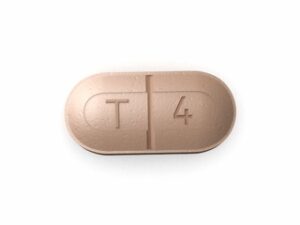

Actigall (Ursodeoxycholic acid) – Patient-Friendly Guide
Actigall contains ursodeoxycholic acid (UDCA), a bile acid used to treat certain liver and gallbladder conditions. This guide explains what Actigall is, how it works, how it is typically taken, and important safety considerations—written for patients in the United Kingdom.
Always follow the advice given by your healthcare professional. If you’re unsure about your dose, how to take it, or whether it’s suitable for you, speak to a pharmacist or clinician.
Quick Overview
- Medicine: Actigall (ursodeoxycholic acid, UDCA)
- Used for: Specific bile-duct and gallstone-related problems (depending on diagnosis)
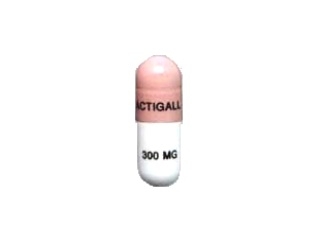
- Common form: Capsules (strength varies by product/market availability)
- How it works: Helps improve bile composition and bile flow
- Typical timeframe: Effects for long-term liver/bile-duct conditions can take weeks to months; gallstone dissolution often takes months
- Important note: Treatment success depends on the underlying condition and suitability of the bile/gallstones
What Is Actigall?
Actigall is a medicine that contains ursodeoxycholic acid (UDCA), a naturally occurring bile acid found in small amounts in human bile. In medical treatment, UDCA helps to change the way bile behaves in the liver and gallbladder.
Bile is a digestive fluid produced by the liver and stored in the gallbladder. It helps digest fats and supports the elimination of certain substances, including cholesterol breakdown products.
Mechanism of Action (How It Works)
UDCA works in several related ways. The exact contribution of each mechanism depends on the condition being treated:
- Improves bile composition: UDCA reduces the cholesterol content of bile in some gallstone conditions, helping prevent or gradually dissolve certain types of cholesterol stones.
- Promotes more favourable bile chemistry: It can reduce the relative proportion of more hydrophobic, potentially damaging bile acids, which may improve bile tolerance.
- Supports bile flow: UDCA may help make bile less irritating and support normal movement of bile through the bile ducts.
- Protects liver cells: In conditions like primary biliary cholangitis, UDCA is thought to reduce toxicity to cells lining the bile ducts and liver.
Key point: Actigall does not “work instantly” for most indications. It often requires ongoing treatment and monitoring.
Pharmacokinetics (How the Body Handles It)
Pharmacokinetics describes how the medicine is absorbed, distributed, metabolised, and eliminated.
Absorption
- UDCA is absorbed in the small intestine.
- Following absorption, it travels in the bloodstream to the liver.
Distribution and metabolism
- UDCA is taken up by the liver and incorporated into bile.
- In the body, bile acids undergo processing and enterohepatic circulation (a cycle where bile acids are released into the gut and reabsorbed).
Elimination
- Most UDCA is eliminated via bile into the gastrointestinal tract, with reabsorption contributing to the overall recycling.
- Small amounts may be removed through other routes.
Your clinician may monitor blood test results (such as liver enzymes and bilirubin) to judge response.
Typical Uses in the UK
The “right” use of Actigall depends on your diagnosis and the specifics of your condition. In the UK, UDCA is commonly used for:
- Primary biliary cholangitis (PBC): A chronic condition where immune-driven inflammation affects the small bile ducts, causing cholestasis (reduced bile flow).
- Dissolution of certain cholesterol gallstones: Particularly non-calcified radiolucent gallstones in a functioning gallbladder (as appropriate to your imaging results).
- Other bile-related conditions: Sometimes used when UDCA is considered appropriate by specialists according to national guidance and clinical judgement.
Important: UDCA is generally intended for selected cases. Gallstone dissolution usually applies to specific stone types and certain gallbladder features. If your stones are heavily calcified or not suitable, Actigall may not be effective.
Indications, What to Expect, and When Treatment Can Take Effect
Primary biliary cholangitis (PBC)
- Goal: Improve liver blood tests, slow disease progression, and help reduce symptoms such as fatigue or itching (when present).
- Time to benefit: Many people notice improvements over weeks to months, with continued monitoring over longer periods.
Gallstone dissolution
- Goal: Gradual dissolution of selected cholesterol gallstones.
- Time to benefit: Often many months. Treatment may continue for a prolonged period depending on your response on follow-up imaging.
- Success depends on: Stone type, gallbladder function, bile composition, and whether stones are calcified.
Monitoring: Your clinician may schedule blood tests and, for gallstones, imaging to assess whether stones are shrinking or dissolving.
How to Take Actigall (Timing and Practical Use)
Typical dosing principles
Dosing is usually determined by your condition and body weight (particularly for liver/bile-duct conditions). A pharmacist or clinician should confirm your exact dose and schedule.
Timing with meals
- Many patients are advised to take UDCA with meals, because bile secretion is stimulated after eating.
- How you split the dose may depend on your daily prescribed amount.
- Follow your instructions: Some regimens are once daily; others are split into two or more doses.
How to swallow
- Swallow capsules with water.
- If you have difficulty swallowing capsules, discuss options with a pharmacist—do not alter the capsule unless specifically advised.
Dosing (Adults) – General Information
Dose varies by indication and individual factors. The information below is provided to help you understand common dosing approaches, but your prescription label instructions are the final authority.
| Condition | Common dosing approach (general) | Notes |
|---|---|---|
| Primary biliary cholangitis (PBC) | Often weight-based daily dosing in adults | Usually divided into multiple doses over the day depending on the total daily amount and clinician instructions. |
| Gallstone dissolution (selected cholesterol stones) | Daily dosing may be tailored to the patient | Treatment is typically prolonged; follow-up imaging is used to assess response. |
| Other UDCA-appropriate bile disorders | May be condition- and specialist-guided | Always confirm your exact schedule with your healthcare professional. |
Children: Use in children is specialist-led and dose may differ. If your patient is a child, ask a clinician or pharmacist for age-appropriate guidance.
Food Interactions and What to Eat
UDCA is taken to act on bile produced by the liver and released during digestion. Food can influence bile flow.
- Taking with meals: Often recommended to improve tolerability and align with natural bile release.
- Balanced diet: There is no specific “UDCA diet” for everyone, but maintaining a healthy diet supports overall liver and gallbladder health.
- Fat intake: If you have cholestasis-related symptoms, a dietitian may advise on fat intake depending on your symptoms and nutritional status.
Practical tip: Try to take Actigall at the same times each day so it becomes a routine.
Alcohol and Medicine Interactions
Alcohol
Because UDCA is used for bile/liver conditions, alcohol may affect liver health and may worsen symptoms for some people. While UDCA itself is not typically described as having a specific dangerous interaction with alcohol, it is generally sensible to:
- Limit alcohol or avoid it if you have significant liver disease.
- Discuss with your clinician what level (if any) is safe for your particular condition.
Other medicines (important interactions)
Several medicines can affect bile acids or the effectiveness of UDCA.
- Bile acid sequestrants (used to lower cholesterol): medicines that bind bile acids can reduce UDCA absorption/effect. Your pharmacist may advise separating doses by several hours if this is unavoidable.
- Cholesterol-lowering medicines that bind bile acids (example class): may interfere with UDCA’s action.
- Oestrogen-containing therapies (including some hormonal treatments): oestrogen can increase cholesterol concentration in bile, potentially making cholesterol gallstones more likely or less likely to dissolve. Tell your clinician if you use hormonal therapy.
- Medicines affecting bile flow or liver function: if you take other liver-metabolised medicines, your clinician may monitor liver tests.
Always check your medicines: Bring a list of everything you take (including over-the-counter products and herbal remedies) to your pharmacist.
Safety Profile (Side Effects and When to Get Help)
Common side effects
Some people experience side effects, which may include:
- Gastrointestinal discomfort such as nausea, diarrhoea, or abdominal discomfort
- Soft stools or changes in bowel habits
- Headache (reported by some patients)
Side effects can often be monitored during the first weeks of treatment. If symptoms are persistent or troublesome, speak to a pharmacist.
Serious side effects (seek urgent medical advice)
Stop taking Actigall and seek urgent medical advice if you develop signs of a serious allergic reaction or severe liver/biliary problems, such as:
- Swelling of the face, lips, tongue, or throat
- Breathing difficulties
- Severe rash, blistering, or widespread skin reactions
- Severe worsening right upper abdominal pain with fever or chills
- Yellowing of the skin/eyes (jaundice) that rapidly worsens, or dark urine with pale stools
Who should be extra careful?
- People with significant liver disease should be monitored closely.
- Anyone with gallbladder inflammation or complications related to stones may require reassessment of suitability.
- If you have a history of bile duct obstruction, your clinician should advise the safest approach.
Pregnancy and breastfeeding
If you are pregnant, planning pregnancy, or breastfeeding, discuss UDCA with your clinician. They can balance the benefits for your condition with the available safety data for your situation.
Practical Use Tips
- Stick to a routine: Consistency matters with long-term therapy.
- Take with meals: If that’s what you were told, it can support bile secretion and reduce stomach upset.
- Don’t stop suddenly: If you stop UDCA, your liver/bile-duct condition may worsen. If you’re thinking of stopping, speak to your clinician first.
- Keep appointments: Regular blood tests and follow-up imaging (if you’re treating gallstones) help confirm the medicine is working.
- Track symptoms: Note changes in itching, fatigue, abdominal discomfort, or digestion and report them.
If you miss a dose
If you miss a dose:
- Take it as soon as you remember unless it is close to the time of the next dose.
- Do not take two doses at once to make up for a missed dose.
- If you’re unsure, ask your pharmacist for advice based on your schedule.
Alternative Options
Alternative treatments depend heavily on the underlying condition. Some common alternatives include:
- For primary biliary cholangitis (PBC): Specialist-led options may include other medicines and supportive treatments. Management may also include itch control and treatment of associated complications.
- For gallstones: Options can include watchful waiting, lifestyle measures, and surgical interventions depending on stone type and risk. For some patients, other medical therapies may be considered by specialists.
- Supportive care: Diet advice, symptom treatment (for itching), and monitoring nutritional status may be part of overall care.
Discuss with a clinician: “Alternative” doesn’t always mean “equally suitable.” Your diagnosis, imaging results, and blood test pattern determine what options are appropriate.
UK Market and Legal/Guidance Context
In the UK, medicines like Actigall are supplied within a regulated framework under the Medicines and Healthcare products Regulatory Agency (MHRA) and NHS medicine pathways. The availability, prescribing practices, and patient eligibility can vary based on diagnosis and local service arrangements.
Clinical guidance for conditions such as primary biliary cholangitis is typically provided by specialist bodies and may be reflected in national care pathways. In general, UDCA is a cornerstone therapy in appropriate patients, with specialist monitoring to assess response.
Recent emphasis in specialist care: Ongoing monitoring of treatment response through liver blood tests and assessment of symptoms is standard practice. For some diseases, clinicians may use additional criteria to identify whether treatment response is adequate and whether escalation of therapy is needed.
For the most up-to-date guidance, ask your treating team or consult NHS resources and specialist liver services.
Delivery and Availability (UK)
Availability can vary by strength and pack size. Online pharmacies in the UK typically provide:
- Secure ordering through their website
- Discreet packaging delivered to your address (where permitted)
- Estimated delivery times shown at checkout
- Stock updates if a particular strength is temporarily out of stock
When ordering, double-check:
- Correct strength and pack size
- Your preferred delivery address
- Any special delivery instructions (e.g., safe place, neighbour delivery) if offered
Need help choosing? A pharmacist can assist with confirming the right product details for your dose schedule.
FAQ – Actigall (Ursodeoxycholic acid)
1) How long does it take for Actigall to work?
It depends on the condition. For liver/bile-duct conditions, blood test improvements may take weeks to months. For gallstone dissolution, treatment commonly takes many months. Your clinician may schedule follow-up tests to check progress.
2) Can I stop Actigall once I feel better?
Do not stop without medical advice. Even if you feel better, the underlying bile-liver process may still be active. Stopping can allow symptoms and blood test results to worsen.
3) Will Actigall dissolve any gallstones?
No. UDCA is mainly effective for selected cholesterol gallstones that meet specific criteria (such as being non-calcified and radiolucent, with a functioning gallbladder). Imaging results determine suitability.
4) Should I take Actigall with food?
Often yes—many regimens recommend taking UDCA with meals or in a way that matches your clinician’s instructions. If you have been told to take it at certain times, follow that schedule.
5) What if I miss a dose?
Take it when you remember unless it’s nearly time for the next dose. Don’t double up. If you’re unsure, ask your pharmacist.
6) Are there any foods I must avoid?
There is no universal “avoid list” for UDCA. However, if you have cholestasis-related digestive issues, your clinician or dietitian may advise on fat and overall nutrition. Alcohol should be limited or avoided depending on your liver health.
7) Can I drink alcohol while taking Actigall?
It’s generally best to limit alcohol or avoid it if you have liver disease. Ask your clinician for advice tailored to your condition and test results.
8) What medicines commonly interact with Actigall?
Medicines that bind bile acids (such as certain cholesterol-lowering agents) may reduce UDCA effectiveness. Oestrogen-containing medicines may increase cholesterol in bile. Always check with a pharmacist if you take other medicines or supplements.
9) Are there side effects I should watch for?
Common effects can include stomach upset or changes in bowel habits. Seek urgent help for severe allergic symptoms, rapid/worsening jaundice, or severe abdominal pain with fever.
10) Where can I get Actigall in the UK?
Actigall is available through UK healthcare supply channels. Online pharmacies may offer delivery where allowed. Availability may vary by strength and pack size.
Remember: This information is a general guide to help you understand Actigall. Your individual dosing, suitability, and monitoring should be based on your diagnosis, imaging, and blood test results.