

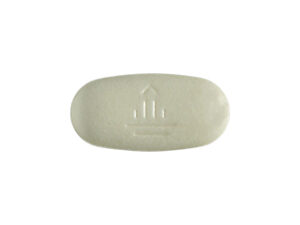
Lopressor (Metoprolol)
Lopressor is a brand name medicine containing metoprolol, a medicine belonging to the group known as beta-blockers. In the UK, Lopressor is used to help treat several heart-related conditions and to reduce strain on the heart.
This guide is written to be patient-friendly and to help you understand how metoprolol works, how it is usually taken, and what to watch for. If you have questions about your specific situation, speak to your doctor or pharmacist.
Quick overview
- Active ingredient: Metoprolol
- Medicine type: Beta-blocker (beta-1 selective)
- Common reasons for use: High blood pressure, angina, and certain heart rhythm/heart failure-related indications (as advised)
- How it works: Slows the heart rate and reduces the heart’s workload
- Available forms: Tablets/certain strengths (depending on product availability in the UK)
How Lopressor works (mechanism of action)
Metoprolol works by blocking beta-adrenergic receptors (mainly beta-1 receptors in the heart). This leads to:
- Reduced heart rate (slower pulse)
- Reduced force of heart contraction
- Lowered blood pressure over time
- Reduced oxygen demand of the heart, which can help relieve angina
By decreasing the workload on the heart, metoprolol can help prevent symptoms and reduce the risk of complications in appropriate conditions.
Pharmacokinetics (how the body handles metoprolol)
Pharmacokinetics describes what the body does to the medicine—how it is absorbed, distributed, metabolised, and removed. Metoprolol is generally characterised by the following:
- Absorption: Metoprolol tablets are absorbed from the gastrointestinal tract. Food can influence absorption and the speed of effect for some formulations/individuals.
- Distribution: It distributes into tissues, including the cardiovascular system.
- Metabolism: Metoprolol is mainly metabolised by the liver, involving the enzyme CYP2D6. Genetic differences in CYP2D6 and interactions with other medicines can affect levels.
- Elimination: Metoprolol and its metabolites are eliminated primarily via the kidneys.
- Onset and duration: The timing of benefit depends on the condition being treated and the specific dosing regimen. For many uses, regular dosing is needed to maintain effect.
Your pharmacist can explain the typical dosing schedule for your exact strength and form of Lopressor. Do not switch to another formulation without professional advice, as release characteristics and dosing frequency may differ.
What Lopressor is used for (indications)
Lopressor is used to treat several cardiovascular conditions. The exact indication and suitability depend on your medical history and assessment by a clinician.
Common indications
- High blood pressure (hypertension)
- Angina pectoris (to help prevent chest pain and reduce frequency)
- Some abnormal heart rhythms (where beta-blockade helps control rate)
- Heart-related conditions where metoprolol is part of an evidence-based regimen (as advised)
If you are using Lopressor for a particular condition, the intended effect may differ—for example, blood pressure control versus heart rate control—so the practical “timing” of benefits can vary.
Typical dosing and timing
Dosing varies widely depending on the condition being treated, your age, kidney/liver function, other medicines, and how you respond to treatment. The information below is general and should be tailored by a healthcare professional.
General approach to starting
- Start low, increase gradually: Many patients begin with a lower dose and have it adjusted based on heart rate, blood pressure, and symptoms.
- Consistent timing: For best results, take doses at similar times each day. This helps keep medicine levels steadier.
How to take Lopressor
- Take tablets with water.
- Swallow whole unless your clinician/pharmacist has advised otherwise.
- Keep taking it every day unless told to stop.
- If you forget a dose, follow the guidance on your pack or ask your pharmacist—do not double up to make up for a missed dose.
Timing expectations
Some effects may be noticed within hours (for example, a slower pulse). For blood pressure and angina prevention, benefits may build over days to weeks.
Food interactions and what to expect
Food can sometimes affect absorption of medicines. With metoprolol:
- Consistency matters: Taking Lopressor the same way each day (with or without food, depending on your preference and advice) can help maintain predictable effects.
- Individual variation: Some people may feel effects differently depending on meals, dose, and overall health.
If you notice unusual dizziness, fatigue, or changes in heart rate after meals, speak to a pharmacist.
Alcohol interactions
Drinking alcohol while taking metoprolol can increase the risk of side effects such as:
- Dizziness or light-headedness
- Lower blood pressure (especially if you stand up quickly)
- Excessive tiredness
Moderate alcohol may be tolerated by some people, but it is safest to avoid binge drinking. If you plan to drink alcohol, consider taking your usual dose consistently and monitor how you feel. Seek advice if you have symptoms such as fainting or significant breathlessness.
Medicine interactions (important)
Metoprolol can interact with other medicines. Some interactions may affect blood pressure, heart rate, or metoprolol levels in your body. Always tell your healthcare team about all medicines you take, including over-the-counter products and herbal remedies.
Examples of medicines that may interact
- Other heart medicines: Medicines that slow the heart (e.g., some anti-arrhythmics or rate-controlling drugs) may increase the risk of bradycardia (slow heart rate) or heart block.
- Calcium channel blockers: Some types (particularly non-dihydropyridines) can further slow the heart when combined with beta-blockers.
- Medicines affecting CYP2D6: Drugs that inhibit CYP2D6 may raise metoprolol blood levels, increasing side effects such as fatigue, dizziness, or slow pulse.
- Inhalers and asthma/COPD medicines: Beta-blockers can sometimes reduce the effect of certain “rescue” inhalers. Selectivity (beta-1) may reduce this risk, but caution is still needed—especially at higher doses.
- Diabetes medicines: Beta-blockers can mask some symptoms of low blood sugar (such as fast heartbeat).
- Anti-inflammatory pain medicines: Some may affect blood pressure control in certain patients, though the interaction is not always clinically significant.
If you start, stop, or change the dose of another medicine, check with a pharmacist whether it is safe with Lopressor.
Safety profile and possible side effects
Most people tolerate Lopressor well, but like all medicines it can cause side effects. Side effects often depend on dose and individual sensitivity. If you experience concerning symptoms, seek medical advice promptly.
Common side effects
- Tiredness or reduced energy
- Dizziness (especially when standing up)
- Slow heart rate
- Cold hands or feet
- Sleep disturbances (sometimes vivid dreams)
- Gastrointestinal upset (e.g., nausea)
Less common but important side effects
- Worsening breathlessness (particularly if you have asthma/COPD)
- Low blood pressure or fainting
- Unusual weakness, confusion, or feeling “washed out”
Seek urgent medical help if
- Chest pain becomes severe or changes character
- Fainting, severe dizziness, or signs of a dangerously slow heart rate occur
- Severe allergic symptoms such as facial/lip swelling, rash, or trouble breathing
- Sudden worsening shortness of breath or wheezing
Do not stop suddenly
Beta-blockers should generally not be stopped abruptly. Stopping suddenly can worsen angina or trigger other cardiovascular problems in some people. If discontinuation is needed, it should usually be done gradually under medical supervision.
Practical use tips for patients
- Monitor your pulse and blood pressure: If your clinician has asked you to, check regularly and record readings (especially during dose changes).
- Stand up slowly: If you feel light-headed, rising gradually from sitting or lying can help.
- Keep track of side effects: Note when symptoms happen and whether it relates to meals, missed doses, or other medicines.
- Be careful with driving or operating machinery: If dizziness or tiredness occurs, avoid activities that require full alertness until you feel steady again.
- Inform healthcare professionals: Tell dentists, emergency clinicians, and other specialists that you take metoprolol.
Who should take extra care?
Lopressor may not be suitable for everyone. Extra caution or closer monitoring may be needed if you have:
- Asthma or chronic obstructive pulmonary disease (COPD)
- Very slow heart rate or certain heart conduction problems
- Low blood pressure or dizziness on standing
- Diabetes (low blood sugar symptoms may be masked)
- Liver impairment (metabolism may be affected)
- Thyroid disease (symptoms may be altered)
- Peripheral circulation problems (cold extremities may worsen)
Your pharmacist can help review your current medicines and conditions for potential concerns.
Alternative options (if appropriate)
If Lopressor is not suitable or does not provide the desired effect, clinicians may consider other treatments. Options depend on the condition being treated and your individual profile.
Alternative beta-blockers
- Atenolol
- Bisoprolol
- Propranolol (non-selective)
Non-beta-blocker alternatives (condition-dependent)
- For hypertension: ACE inhibitors, angiotensin receptor blockers (ARBs), calcium channel blockers, or thiazide-type diuretics
- For angina: Other anti-anginal medicines and combination regimens
- For rhythm control: Medication choices vary depending on rhythm diagnosis and stability
Do not switch medicines on your own. Different beta-blockers are not interchangeable at the same dose. A clinician will choose the most appropriate option and provide a safe transition plan.
United Kingdom market & legal context
In the UK, medicines are regulated and dispensed according to established legal frameworks and clinical governance. Patients are advised to follow the guidance provided by healthcare professionals and to use medicines only for the purpose they were recommended.
Online pharmacies in the UK may supply medicines according to relevant regulations and verification processes to ensure appropriate use, patient safety, and compliance with pharmacy law. Availability and product formats can vary depending on stock and supply chains.
Recent guidance and monitoring (what matters in practice)
Recommendations for cardiovascular medicines evolve with new evidence and updates from health authorities. In general, clinicians may:
- Review blood pressure and heart rate targets for the individual patient
- Assess tolerability (fatigue, dizziness, breathlessness, slow pulse)
- Check interactions when medicines are added or removed
- Tailor therapy to comorbidities (e.g., asthma, diabetes, liver disease)
If you have concerns about your current regimen, it is sensible to review these with your clinician rather than stopping abruptly.
Delivery and availability (online pharmacy)
Delivery times and availability depend on the online pharmacy’s stock, courier service, and your location in the UK. Many UK online pharmacies aim to provide a convenient ordering experience, with tracking and clear communication.
- Stock status: Lopressor may be supplied in specific strengths and packs based on current availability.
- Delivery options: Standard and sometimes expedited options may be offered, subject to location.
- Packaging: Medicines are typically dispatched in protective packaging for safe transit.
- Missing items: Reputable pharmacies provide processes to handle substitutions or out-of-stock situations.
If you need help choosing a product strength or verifying what you have ordered, contact the pharmacy’s customer service team.
FAQ
1) What is Lopressor used for?
Lopressor (metoprolol) is used for conditions such as high blood pressure and angina, and in certain heart rhythm/heart-related situations where slowing the heart and reducing strain on the heart is beneficial. Your reason for taking it will depend on your diagnosis.
2) How long does it take to work?
Some effects, like a slower heart rate, may be noticeable quickly. For blood pressure and prevention of angina symptoms, improvement often develops over days to weeks. If you feel no benefit after a reasonable time, speak to your pharmacist or clinician—dose adjustment may be needed.
3) Should I take Lopressor with food?
Food can influence how some medicines are absorbed. The safest approach is to take it consistently the way you have been advised. If your pack instructions or your pharmacist have given a specific recommendation, follow that guidance.
4) Can I drink alcohol while taking metoprolol?
Alcohol may increase the chance of dizziness or low blood pressure. Many people can tolerate small amounts, but avoid heavy drinking and monitor how you feel. If you experience fainting, severe dizziness, or marked weakness, seek advice.
5) What should I do if I miss a dose?
Follow the instructions on the medicine packaging or ask your pharmacist for advice. In general, do not take an extra dose to make up for a missed one unless you have been told to. Doubling up can increase side-effect risk.
6) Can I stop taking Lopressor suddenly?
Usually, no. Beta-blockers are typically reduced gradually to avoid potential worsening of angina or other effects. If you want to stop, discuss a tapering plan with your clinician.
7) Does Lopressor affect asthma or breathing?
Because metoprolol is mainly beta-1 selective, it may be less likely than non-selective beta-blockers to worsen breathing problems. However, it can still affect the lungs in some people, particularly at higher doses or in sensitive individuals. Seek medical advice if you notice increased wheeze or breathlessness.
8) Will Lopressor interact with my other medications?
It can. Some medicines may increase metoprolol levels or further slow the heart. Others may affect blood pressure control. Always check with your pharmacist if you are starting a new medicine, including over-the-counter products.
9) What side effects are most common?
Common side effects include tiredness, dizziness, slow pulse, cold hands/feet, and sleep-related changes. If side effects are severe or persistent, contact a healthcare professional.
10) Is Lopressor available in different strengths?
Yes, Lopressor is available in different strengths and sometimes different formulations depending on supply. Always ensure you have the correct product and strength for your regimen.
At-a-glance summary
| Topic | What to know |
|---|---|
| Medicine class | Beta-blocker (mainly beta-1 selective) |
| Main benefits | Helps lower blood pressure, reduces heart workload, and prevents angina symptoms in appropriate patients |
| How it works | Blocks beta receptors → slower heart rate and reduced cardiac demand |
| Metabolism | Primarily in the liver (CYP2D6 involvement); interactions can affect levels |
| Food | Consistency is key; food can influence absorption for some individuals |
| Alcohol | May increase dizziness or low blood pressure—avoid heavy drinking |
| Monitoring | Heart rate and blood pressure may need checking, especially during dose changes |
| Stopping | Do not stop suddenly; tapering is often required |
Disclaimer: This information is intended for general guidance and does not replace advice from a qualified healthcare professional. Always read the patient information leaflet supplied with your medicine and follow the instructions provided by your healthcare team.