Medrol Active (Methylprednisolone) — Patient Guide
Medrol Active contains methylprednisolone, a corticosteroid medicine used to reduce inflammation and calm an overactive immune response. It can be helpful for a range of inflammatory and allergic conditions, and it may be used in acute flare-ups or longer treatment courses depending on your condition.
Basic product information
| Item | Details |
|---|---|
| Medicine name | Medrol Active (methylprednisolone) |
| What it is | Corticosteroid (glucocorticoid) medicine |
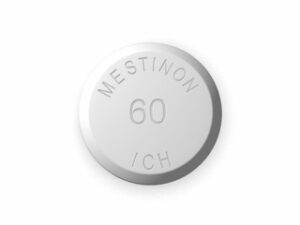
| Common forms | Tablets (strengths vary by product/pack) |
| How it acts | Reduces inflammation and modifies immune activity |
| Typical use | Inflammatory conditions, allergic reactions (in selected cases), autoimmune flares |
| Important note | Longer courses usually require gradual reduction, not sudden stopping |
Strengths, pack sizes and exact dosing vary. Always check the specific strength printed on your packaging and follow your healthcare professional’s instructions.
How Medrol Active works (mechanism of action)
Methylprednisolone is a synthetic steroid similar to hormones produced naturally by the adrenal glands. It works by influencing gene expression and reducing the release of substances that drive inflammation.
- Anti-inflammatory effects: It reduces swelling, redness, and pain associated with inflammation.
- Immune system modulation: It dampens exaggerated immune activity seen in autoimmune and allergic conditions.
- Changes in blood vessel and tissue responses: It can decrease the “leakiness” of blood vessels that contributes to swelling.
- Broad effects on mediators: It affects cytokines and other inflammatory chemicals in the body.
Because it acts on both inflammation and immune responses, it may help relieve symptoms such as rash, itching, joint pain, breathing difficulties in specific inflammatory lung conditions, and flare-related discomfort.
Pharmacokinetics: what happens in the body
“Pharmacokinetics” describes how the medicine is absorbed, distributed, metabolised and eliminated. While individual responses vary, the general pattern for methylprednisolone is:
- Absorption: Tablets are absorbed through the gastrointestinal tract. Presence of food may affect the speed of absorption slightly, but it does not usually reduce overall effectiveness in most people.
- Distribution: Methylprednisolone circulates in the blood and binds to plasma proteins.
- Metabolism: The medicine is processed mainly in the liver.
- Elimination: Metabolites are removed primarily via the kidneys and through biliary routes.
- Onset of symptom relief: Some people notice improvement within hours to days for certain conditions, while others may require longer to observe full benefit.
Your prescriber may adjust the dose if you have liver disease, recurrent infections, or other conditions that can change steroid effects.
Typical use and indications
Medrol Active may be used for a range of inflammatory and immune-related conditions. The exact choice and dosing depends on your diagnosis, severity, and how you respond to treatment.
Common indications
- Autoimmune and inflammatory disorders: to reduce flare-ups and symptoms.
- Severe allergic reactions: in selected situations where a corticosteroid is appropriate.
- Inflammatory skin conditions: such as severe eczema or other inflammatory dermatoses (depending on diagnosis).
- Inflammatory lung conditions: in selected cases as part of a broader treatment plan.
- Inflammatory joint conditions: to reduce swelling and pain during acute inflammation.
- Other specialist indications: some are managed by hospital teams or specialists.
If you are unsure whether Medrol Active is right for your condition, check the diagnosis on your treatment plan. Steroids are not suitable for every inflammatory complaint, particularly where infection is the main cause.
Important safety consideration: infection risk
Corticosteroids can mask signs of infection and reduce immune responses. If you have fever, increasing pain, a new cough, shortness of breath, worsening skin changes, or feel generally unwell, seek medical advice promptly.
When and how to take Medrol Active
How you take methylprednisolone can influence side effects. Many people are advised to take it in the morning to align more closely with the body’s natural hormone rhythm.
General timing guidance
- Morning dosing: Often preferred to reduce sleep disturbance.
- Split dosing: If your dose is high or spread across the day, follow your clinician’s plan.
- Consistency: Take it at the same times each day if you are on a regular course.
Practical instructions
- Swallow whole with water if instructed; do not crush or chew unless advised.
- Don’t stop suddenly after a course that lasts more than a short duration—steroid treatment may require tapering.
- If you miss a dose: Take it as soon as you remember, unless it is close to the next dose. If it is near, skip the missed dose—do not double up.
If you have difficulty remembering, consider setting reminders on your phone and keeping the tablets in a visible, safe place.
Food interactions
Food usually affects timing rather than the overall suitability of methylprednisolone. However, steroids can irritate the stomach and increase the risk of indigestion or heartburn, especially at higher doses.
Helpful food-related tips
- Take with food or after food if you experience stomach discomfort.
- Avoid large late meals if you feel indigestion or if the steroid makes you restless.
- Monitor sugar intake if you have diabetes or prediabetes—steroids can raise blood glucose.
What to avoid (diet and supplements)
- Grapefruit: Some medicines interact with components of grapefruit by affecting metabolism. While the main interaction risk varies by medicine, if you regularly consume grapefruit or grapefruit juice, it’s worth discussing with your pharmacist.
- High-risk supplements: Herbal products can interact with medicines. If you use supplements, tell your pharmacist.
Always check your own prescription label or pack instructions, as specific advice may vary.
Alcohol and medicine interactions
Alcohol
Moderate alcohol may be tolerated by some people, but alcohol can worsen side effects such as stomach irritation, mood changes, sleep disruption, and blood sugar control. If you have liver problems, a history of stomach ulcers, or you’re on other medicines, it is best to discuss alcohol use with a clinician.
Common medicine interaction themes
Methylprednisolone can interact with many medicines. Below are key interaction categories to discuss with your healthcare professional:
- Non-steroidal anti-inflammatory drugs (NSAIDs) (e.g., ibuprofen, diclofenac): increased risk of stomach irritation/ulcers when used together.
- Warfarin (and other anticoagulants): steroid effects may alter bleeding/clotting control; monitoring (e.g., INR) may be needed.
- Diabetes medicines (insulin, metformin, others): steroids can raise blood glucose, sometimes requiring dose adjustments.
- Some antibiotics/antifungals and antiseizure medicines: they may affect steroid metabolism, potentially changing steroid effect.
- Vaccines: live vaccines may not be suitable during higher-dose steroid use.
- Diuretics and potassium-affecting medicines: steroid use can influence potassium levels, particularly at higher doses.
Important infection-related caution
If you take medicines that affect the immune system, combining them with corticosteroids may increase infection risk. Always tell your pharmacist about all medicines you take, including over-the-counter and herbal products.
For the safest advice, keep a list of your medicines and show it when you collect your treatment.
Dose information (general guidance)
Dosing of Medrol Active is individualised. The right dose depends on the condition being treated, its severity, your response, and your medical history.
Typical dose approach
- Start low and adjust: Many plans aim to use the lowest effective dose for the shortest duration.
- Acute flare vs maintenance: Some conditions are treated with short “burst” courses, while others require longer tapering schedules.
- Duration: Short courses may have fewer long-term effects; longer courses require more monitoring.
How dosing is often structured
Your prescriber may decide on one of the following, depending on your diagnosis:
- Single daily dose (often morning) for many inflammatory situations.
- Multiple daily doses for certain severe cases.
- Tapering schedule when stopping after a longer course to help your body restart natural steroid production.
Do not change your dose without medical advice. If you experience concerning side effects, contact your healthcare professional rather than stopping abruptly.
Monitoring that may be recommended
- Blood pressure and weight
- Blood glucose (especially if you have diabetes)
- Eye checks if long courses are needed
- Bone health assessment for prolonged therapy
Safety profile and side effects
Like all corticosteroids, methylprednisolone can cause side effects. Risk increases with higher doses, longer durations, and individual factors such as age, diabetes, stomach ulcer history, and infection risk.
Common side effects
- Indigestion, heartburn, stomach irritation
- Increased appetite
- Changes in sleep (insomnia) and restlessness
- Mood changes (e.g., irritability, mood swings)
- Raised blood sugar (more noticeable if you have diabetes)
- Fluid retention and increased blood pressure in some people
Less common but important risks
- Increased infection risk or masking infection symptoms
- Gastric ulcer/bleeding, especially when combined with NSAIDs
- Muscle weakness with prolonged use
- Bone thinning (osteoporosis) with long-term therapy
- Eye problems (e.g., cataracts or glaucoma) with extended courses
- Suppression of the body’s natural steroid production if stopped suddenly after longer courses
When to get urgent medical help
Seek urgent advice if you develop symptoms that could indicate a severe reaction or serious infection, such as:
- Severe allergic reaction (swelling of face/lips, difficulty breathing)
- High fever, severe or worsening infection symptoms
- Black/tarry stools, vomiting blood, or severe stomach pain
- Severe chest pain or shortness of breath
- Severe mood changes, confusion, or hallucinations
Special populations
- Children: Corticosteroids can affect growth and require careful monitoring for long courses.
- Pregnancy and breastfeeding: Steroids may be used in pregnancy for specific indications, but the risk-benefit should be discussed with healthcare professionals.
- Older adults: Higher likelihood of side effects such as blood pressure changes, infection, and bone thinning.
- Diabetes: Blood glucose may rise; monitoring is often needed.
If you have previously had side effects from corticosteroids, tell your pharmacist or prescriber.
Practical use tips (to make treatment safer and easier)
1) Use the lowest effective dose for the right duration
Steroid therapy is often most effective when it’s targeted. Your plan may include step-down (tapering) once symptoms improve.
2) Protect your stomach
- Take doses with food if you get indigestion.
- Avoid alcohol excess and be cautious with NSAIDs unless your clinician says otherwise.
- Seek advice if you have a history of ulcers or GI bleeding.
3) Watch blood sugar and blood pressure
- If you have diabetes: monitor glucose more frequently as advised.
- Consider home blood pressure checks if you’re prone to high blood pressure.
4) Lifestyle measures that can help
- Diet: Balanced meals; reduce added sugars if glucose rises.
- Exercise: Gentle activity can support wellbeing, but follow safety advice if you’re unwell.
- Sleep hygiene: If the steroid makes sleep difficult, keep a consistent bedtime and avoid caffeine late.
5) Don’t miss tapering instructions
If you’ve been on methylprednisolone for more than a short course, the way you stop matters. Your body may need time to restart natural hormone production.
6) Manage infection precautions
- Avoid close contact with people who have contagious infections where possible.
- Report fever or suspected infection promptly.
- Check with healthcare professionals before receiving certain vaccines.
7) Keep follow-up appointments
Follow-up may include checks for blood pressure, blood sugar, and other effects—especially for longer treatment periods.
Alternative options
Depending on your diagnosis, steroid alternatives may include other anti-inflammatory or immune-modulating treatments. Your healthcare professional will choose based on effectiveness, safety, and how quickly a response is needed.
Potential alternatives (examples)
- Other corticosteroids (different formulations such as prednisolone or inhaled steroids for lung conditions).
- Non-steroidal anti-inflammatory drugs (for selected inflammatory conditions; may not be suitable for immune flare situations).
- Disease-modifying therapies (for chronic autoimmune disorders, such as certain immunosuppressants).
- Biologic medicines (for specific severe immune conditions managed by specialists).
- Topical therapies (for skin or localised inflammation where appropriate).
If you feel your symptoms are not improving, do not adjust steroid dose on your own—speak to your healthcare professional. Sometimes the diagnosis, dose strategy, or add-on therapy needs review.
Medrol Active in the UK: market and legal context
In the United Kingdom, prescription medicine supply is tightly regulated to support safe use. Online pharmacies typically operate within the UK medicines framework and associated clinical governance requirements.
What this means for customers
- Medicines must be supplied under appropriate healthcare oversight where required.
- Information about interactions, medical history, and current conditions is important for safe supply.
- Storage and handling must follow manufacturer guidance (including keeping tablets in a safe, dry place).
Patient support
If you’re starting methylprednisolone or switching brand products, ask your pharmacist or healthcare professional: it can help to confirm the strength, dosing schedule, and what side effects to monitor for your situation.
Recent guidance considerations: monitoring and risk management
Steroid use is commonly accompanied by advice about safety monitoring. UK clinicians may consider:
- Using the shortest course possible and aiming for the lowest effective dose.
- Checking infection risk, particularly when steroids are combined with other immunosuppressive medicines.
- Assessing bone health when longer courses are expected.
- Monitoring metabolic effects such as blood pressure, weight, and glucose.
- Eye monitoring if long-term use is needed.
- Clear stop/taper plan to reduce the risk of adrenal suppression.
Guidance may vary by condition and individual risk factors, so always follow the advice provided with your treatment.
Delivery and availability in the UK
Medrol Active availability can depend on pharmacy stock, tablet strength, and packaging size. Once dispatched, delivery timelines depend on the selected shipping option and carrier coverage across the UK.
What you can expect
- Secure packaging to protect tablets during transit.
- Tracking and delivery updates where available.
- Verification steps: online pharmacy processes may include clinical questionnaires to ensure safe use.
- Customer support if you have questions about dosage timing, side effects, or interactions.
If you need this medicine urgently, contact our support team to confirm dispatch times before placing an order.
Storage
- Store in a cool, dry place away from direct sunlight.
- Keep out of reach of children.
- Do not use after the expiry date on the pack.
FAQ — Medrol Active (Methylprednisolone)
1) What is Medrol Active used for?
Medrol Active is used to reduce inflammation and calm an overactive immune response in a range of inflammatory and immune-related conditions. Your exact use depends on your diagnosis and severity.
2) How quickly will I feel better?
Some people notice improvement within hours to a couple of days, while others may take longer. If you don’t see expected improvement, speak to your healthcare professional—there may be a need to review the plan.
3) Should I take it with food?
Many people prefer to take methylprednisolone with food or shortly after meals to reduce indigestion. If you experience stomach discomfort, taking with food is often helpful.
4) Can I drink alcohol while taking Medrol Active?
You may be able to drink alcohol in moderation, but alcohol can worsen stomach irritation, sleep issues, mood changes, and blood sugar. If you have risk factors (ulcers, liver disease, diabetes), ask a clinician or pharmacist for personalised advice.
5) What side effects are common?
Common side effects include indigestion, increased appetite, sleep disturbance, mood changes, and raised blood sugar. Not everyone experiences all side effects.
6) Can I stop methylprednisolone suddenly?
Often it should not be stopped suddenly, especially after longer courses. A tapering schedule may be required. Always follow the stop plan given to you.
7) What medicines can interact with methylprednisolone?
Key interaction themes include NSAIDs (stomach risk), anticoagulants like warfarin (bleeding control), diabetes medicines (blood sugar rise), and certain medicines that affect liver metabolism. Tell your pharmacist about all medicines and supplements you take.
8) Will it affect vaccines?
During higher-dose or long-term steroid use, some live vaccines may not be recommended. If you’re planning a vaccination, check with your healthcare professional.
9) Is it safe for everyone?
Not everyone is suitable for corticosteroid therapy. People with certain infections, severe stomach ulcer history, uncontrolled diabetes, or specific medical conditions may require extra caution and monitoring.
10) What should I do if I miss a dose?
Take it when you remember unless it’s close to the next dose. If close, skip the missed dose—do not double up. If you’re unsure, ask your pharmacist.
11) How should I store Medrol Active?
Store tablets in a cool, dry place, out of sight and reach of children, and use before the expiry date stated on the pack.
12) When should I seek urgent help?
Seek urgent medical advice if you develop severe allergic symptoms, signs of serious infection (including fever), black/tarry stools or vomiting blood, severe chest pain/shortness of breath, or severe confusion or mood changes.