Pepcid (Famotidine) – Patient-Friendly Guide (United Kingdom)
Pepcid contains famotidine, a medicine used to reduce stomach acid. It is commonly used for the relief of symptoms caused by excess acidity, such as heartburn (burning pain in the chest) and indigestion. This guide explains how famotidine works, when to take it, common interactions, and practical tips for safe and effective use in the UK.
Basic product information
- Active ingredient: Famotidine
- Medicine type: H2-receptor antagonist (also known as an H2 blocker)
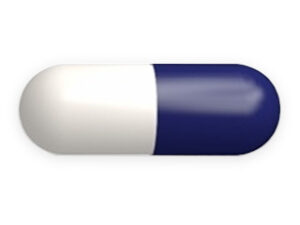
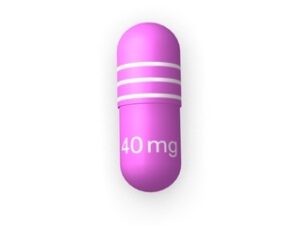
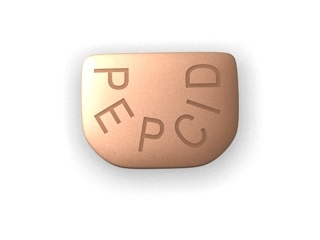
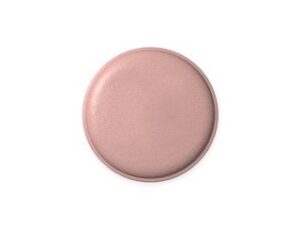
- Typical forms: Tablets (availability may vary by brand/strength and local stocking)
- How it helps: Reduces the amount of acid your stomach produces
- Available through UK pharmacies: Depending on strength and licensing arrangements, it may be available via pharmacy channels or as specified by local product availability
How Pepcid works (mechanism of action)
Famotidine blocks histamine-2 (H2) receptors on cells lining the stomach. Normally, histamine signals these cells to produce acid. By blocking H2 receptors, famotidine reduces acid secretion from the stomach. This can:
- Help relieve heartburn and acid-related indigestion
- Reduce irritation of the oesophagus (food pipe) caused by reflux
- Support symptom control in conditions where stomach acid plays a role
Compared with proton pump inhibitors (PPIs), H2 blockers generally act more quickly for some people, but may be less powerful for severe, frequent symptoms. Many people use famotidine on an “as needed” basis or for short-term symptom control.
Pharmacokinetics: how the body handles famotidine
Pharmacokinetics describes how the medicine is absorbed, processed, and removed from the body. Key points for famotidine include:
- Absorption: Famotidine is absorbed from the gastrointestinal tract into the bloodstream.
- Time to effect: Relief often begins within about 1 hour for many people, with symptom improvement becoming more noticeable as acid levels fall.
- Duration: The acid-lowering effect can last several hours; longer relief is often achieved with appropriately timed dosing (for example, evening dosing).
- Metabolism: Famotidine is partially metabolised; a significant proportion is eliminated via the kidneys.
- Elimination: Mainly through urine, so kidney function can affect how long it stays in the body.
If you have kidney problems, you may need a lower dose or a different schedule—ask a pharmacist for advice.
Typical uses in the UK
Pepcid (famotidine) is used to treat symptoms and conditions related to stomach acid. Common indications include:
- Heartburn (burning pain or discomfort behind the breastbone)
- Acid indigestion (upper abdominal discomfort, bloating with acidity)
- Gastro-oesophageal reflux disease (GORD) symptoms (where acid reflux causes symptoms such as heartburn and regurgitation)
For ongoing or frequent symptoms, your pharmacist can help you decide whether an H2 blocker is suitable or whether another approach (such as antacids, an alginate, or a PPI) may fit better.
Indications and what it may help with
You should consider Pepcid when symptoms suggest an acid-related problem. Examples include:
| Symptom/Condition | What it feels like | How Pepcid may help |
|---|---|---|
| Heartburn | Burning sensation in the chest, often after meals or at night | Reduces stomach acid, helping decrease irritation |
| Acid indigestion | Upper abdominal discomfort, heaviness, sometimes sour taste | Improves acid-related symptoms |
| GORD symptoms | Frequent heartburn, regurgitation, worse when lying down | Helps control reflux-related acidity |
Dosing: typical ways to take Pepcid
Dosing depends on the strength of the tablet and the reason you’re taking it. Always follow the dose stated on the product packaging or as advised by a pharmacist. If you are unsure, ask a pharmacist before starting.
General timing guidance (for many adult uses):
- For daytime symptoms: taking a dose before meals or as symptoms occur may help.
- For night-time symptoms: an evening dose may help reduce acid production during the night.
- For symptom control: many people take famotidine on a short-term or intermittent basis.
Important: If your symptoms are frequent (for example, most days), you may need a longer-term plan. H2 blockers can be used, but UK guidance often discusses step-up options depending on severity.
When to take Pepcid (timing and practical routines)
Correct timing can improve effectiveness. Consider the following:
Before meals vs. after meals
- Heartburn after eating: Many people find it helpful to take famotidine before meals when they know they will eat triggers (e.g., spicy or fatty foods).
- Symptoms already present: If symptoms start unexpectedly, taking it promptly may still help, but immediate relief might be slower than with faster-acting options like antacids or alginates.
Night-time heartburn
If your main problem is night-time heartburn, timing the dose in the evening can be useful. Also consider lifestyle measures such as avoiding late meals and elevating the head of your bed.
Food interactions
Famotidine can be taken with or without food in many cases. However, eating patterns can influence symptoms and therefore your perception of benefit. Consider:
- Greasy, spicy, or acidic foods may still trigger symptoms even if you take famotidine.
- Large meals can increase reflux by increasing stomach volume.
- Timing with meals: taking it before a trigger meal may help more than taking it after you have already developed symptoms.
If your medicine is due at a set time, follow that schedule. Don’t deliberately take missed doses too close together—ask a pharmacist for specific advice if you miss a dose.
Alcohol and medicine interactions
Alcohol
Alcohol can worsen reflux and heartburn in many people by relaxing the lower oesophageal sphincter and irritating the digestive tract. While famotidine treats acid, it may not fully prevent alcohol-related symptoms.
If you choose to drink alcohol, consider taking it in moderation and pay attention to how your symptoms respond.
Interactions with other medicines
Famotidine can interact with certain medicines, mainly due to changes in the stomach environment or because some drugs rely on acidity for absorption. Tell your pharmacist about all medicines you take, including:
- Prescription medicines
- Over-the-counter products (including indigestion remedies)
- Herbal products and supplements
- Vitamins or mineral tablets
Common practical interaction considerations:
- Antacids and other indigestion products: These may be used alongside famotidine, but spacing may be advised depending on the product.
- Medicines affected by stomach pH: Some drugs are absorbed differently when acid is reduced. Your pharmacist can check whether spacing or adjustment is needed.
- Kidney-related medicines: Because famotidine is cleared partly through the kidneys, kidney function and related medicines matter.
If you are taking other medicines regularly—especially for long-term conditions—please ask a pharmacist to review potential interactions before starting Pepcid.
Safety profile: who should take care
Like all medicines, famotidine can cause side effects. Many people tolerate it well, especially when used for short periods. However, some people should take extra care, including those with kidney issues or those with a history of allergy.
Common side effects
Side effects vary by person and dose. Commonly reported effects can include:
- Headache
- Dizziness
- Constipation or diarrhoea
- Nausea
- Fatigue
Serious or urgent symptoms
Seek urgent medical advice if you develop signs of a severe allergic reaction, such as:
- Swelling of the face, lips, tongue, or throat
- Difficulty breathing or wheezing
- Severe skin rash or blistering
Special caution groups
- Kidney impairment: You may need dose adjustment.
- Older adults: Some may be more sensitive to side effects; consider pharmacist advice.
- Pregnancy or breastfeeding: Discuss with a healthcare professional for suitability.
- Unexplained weight loss, vomiting, or difficulty swallowing: These can be warning signs—do not self-treat only.
Practical use tips for better results
Pepcid works best when combined with simple reflux-friendly habits. Try the following:
- Identify triggers: Keep a short note of foods and drinks that worsen symptoms (e.g., alcohol, coffee, chocolate, peppermint, spicy foods).
- Avoid late meals: Try not to eat within a few hours of going to bed.
- Smaller meals: Large meals can worsen reflux.
- Elevate your head: If night-time symptoms persist, raising the head of the bed may help.
- Don’t lie flat after eating: Sit upright or walk gently for a short time.
- Review long-term symptoms: If symptoms continue for more than a couple of weeks or keep returning frequently, seek advice for a tailored plan.
If you are using Pepcid repeatedly, it’s a good idea to talk to a pharmacist about whether you need a different treatment approach or further assessment.
Alternative options for acid-related symptoms
If Pepcid is not suitable or doesn’t control symptoms adequately, there are several other types of treatment commonly used for reflux and indigestion. The best choice depends on symptom pattern and severity:
- Antacids: Fast-acting for occasional heartburn by neutralising stomach acid already present. Useful for quick relief.
- Alginates (e.g., raft-forming formulations): Form a protective “raft” to reduce reflux, often especially useful after meals and before bed.
- Proton pump inhibitors (PPIs): Examples include omeprazole or lansoprazole (availability depends on local arrangements). Often more effective for frequent or persistent GORD symptoms but may take longer to reach full effect.
- H2 blockers (alternatives to famotidine): Other H2 receptor antagonists may be available depending on the UK market.
- Lifestyle measures: Weight management, dietary changes, and avoiding trigger timing are important foundations for reflux control.
Market and legal context in the UK
In the UK, availability of medicines can vary by strength, formulation, and whether they are classified as pharmacy medicines or general sales list (GSL) products. Even when medicines are available without a prescription route, pharmacists may provide advice and assess suitability.
Pepcid (famotidine) is an established acid-reducing medicine and is used worldwide. In the UK market, product availability may vary between brands, pack sizes, and strengths. Online pharmacy listings reflect what is currently stocked and compliant with UK regulations.
Recent guidance and clinical approach (UK context)
UK clinical practice generally emphasises a stepwise approach to reflux and heartburn:
- Occasional symptoms: start with faster-acting options such as antacids or alginates and use lifestyle measures.
- More frequent symptoms: consider H2 blockers or PPIs depending on response and severity.
- Persistent or recurring symptoms: review treatment, adherence, and potential need for further assessment.
- Warning signs: symptoms such as difficulty swallowing, GI bleeding, or unexplained weight loss should prompt medical review rather than continued self-treatment.
Your pharmacist can help you choose a suitable OTC/available option and guide you on when to seek further help. If you’ve used acid suppression for a period and symptoms return quickly, it’s worth asking about the most appropriate strategy.
Delivery and availability from a UK online pharmacy
Product availability may depend on current stock and supply chains. When ordering Pepcid online, you should expect:
- Standard delivery options: delivery timeframes vary by the pharmacy’s service level and your location in the UK.
- Packaging: sealed manufacturer packaging where applicable for safety and quality.
- Order confirmation: you’ll typically receive order and dispatch updates by email.
- Cold-chain: not usually required for famotidine tablets (unless a particular product states otherwise).
If you have specific needs (e.g., requiring delivery to a workplace or avoiding certain delivery windows), check the pharmacy’s delivery information page at checkout.
FAQ – Pepcid (Famotidine)
1) How quickly will Pepcid work?
Many people notice symptom improvement within about an hour. Full benefits may continue as acid levels are reduced over the following hours. If you need very fast relief during a sudden flare, an antacid or alginate may act sooner.
2) Can I take Pepcid with food?
In many cases famotidine can be taken with or without food. For reflux triggered by meals, taking it before a meal may provide better control. Always follow the instructions on your specific pack or pharmacist guidance.
3) How long can I use Pepcid?
For many people, Pepcid is used for short-term or intermittent control of acid symptoms. If you need it regularly or symptoms continue for more than a couple of weeks, speak to a pharmacist to review the cause and treatment plan.
4) What should I do if I miss a dose?
If you forget a dose, take it when you remember unless it is close to your next scheduled dose. Do not take double doses. If you’re unsure, ask a pharmacist.
5) Can I take Pepcid with other indigestion medicines?
Sometimes yes, but it depends on what you’re taking. Antacids can be used for fast relief, while alginates can help after meals. Ask a pharmacist if you’re taking multiple products, especially if you take any medicines regularly.
6) Is Pepcid suitable for everyone?
Pepcid may not be suitable for everyone, particularly if you have kidney impairment or have had an allergic reaction to famotidine or similar medicines. Check the product information and seek advice if you’re unsure.
7) Can I drink alcohol while taking Pepcid?
Alcohol can worsen reflux symptoms for many people. Pepcid reduces acid, but it may not fully prevent alcohol-related heartburn. Moderate alcohol intake and observing your personal response is sensible.
8) What symptoms mean I should get medical advice?
Get medical advice promptly if you have red-flag symptoms such as:
- Difficulty swallowing
- Unexplained weight loss
- Vomiting blood or passing black stools
- Persistent vomiting
- Severe or worsening pain
- Symptoms that don’t improve or keep returning frequently
9) Does Pepcid cause drowsiness?
Most people do not feel drowsy, but some may experience headache, dizziness, or fatigue. If you feel unwell after taking it, avoid driving or operating machinery until you know how it affects you.
10) Are there alternatives if Pepcid doesn’t help?
Yes. Depending on your symptoms, an alginate/antacid option, an alternative H2 blocker, or a PPI may be more appropriate. A pharmacist can help select an option based on whether your symptoms are occasional or frequent.
Storage and handling
- Keep tablets in their original packaging until you use them.
- Store at room temperature and away from excessive heat and moisture.
- Keep out of sight and reach of children.
- Check expiry date on the pack and do not use after the expiry.
Summary
Pepcid (famotidine) is an H2 blocker that reduces stomach acid and can help relieve heartburn, acid indigestion, and reflux-related symptoms. It’s often used for short-term symptom control, with dosing timed around meals or evening periods depending on when symptoms occur. Like any medicine, famotidine should be used correctly and safely—especially if you have kidney problems or take other medicines. If symptoms are persistent, worsening, or accompanied by warning signs, seek further assessment rather than continuing to self-manage.