
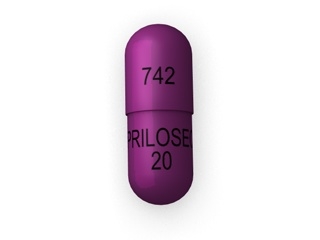
Prilosec (Omeprazole) — Patient-Friendly Guide (UK)
Prilosec is a brand of omeprazole, a medicine used to reduce stomach acid. It belongs to a group called proton pump inhibitors (PPIs). Omeprazole is commonly used to treat acid-related conditions such as heartburn (acid reflux), inflammation of the oesophagus, stomach ulcers, and other conditions where acid needs to be controlled.
This guide explains how Prilosec works, when to take it, what to expect, important safety information, and how it may interact with food and other medicines. It also covers availability and practical tips to help you get the best results.
Basic product information
| Item | Details |
|---|---|
| Medicine name | Prilosec |
| Active ingredient | Omeprazole |
| Medicine type | Proton pump inhibitor (PPI) |
| Common uses | GORD/heartburn, reflux oesophagitis, stomach/duodenal ulcers, prevention/treatment of acid-related conditions |
| How it works | Reduces stomach acid production |
| Typical dosing timing | Usually once daily, taken before food (often before breakfast) |
Note for UK customers: Brand availability can vary. Some packs may be “Prilosec” and others may contain omeprazole generically. Always check the strength (e.g., 10 mg, 20 mg, 40 mg) and the instructions on your specific product label.
How Prilosec works (mechanism of action)
Omeprazole reduces acid by targeting the final step of acid production in the stomach.
- In stomach lining cells, acid is produced via a “proton pump” (an enzyme system called the H⁺/K⁺-ATPase).
- Omeprazole is absorbed and then converted to an active form in the acidic environment of the stomach.
- It binds to and blocks the proton pumps, so less acid is released.
- The effect builds over several days because repeated daily dosing keeps proton pumps inhibited as new ones are produced.
Practical meaning: For best results, take Prilosec at the recommended time (commonly before meals). This helps ensure the medicine is present when the stomach acid pumps are active.
Pharmacokinetics (how the body handles it)
Pharmacokinetics describes absorption, metabolism, and elimination. The following is an overview of typical behaviour of omeprazole in adults.
- Absorption: Omeprazole is absorbed in the small intestine after you swallow it.
- Time to peak effect: The medicine may start to reduce acidity within the first day, but maximum benefit usually takes a few days of consistent dosing.
- Protein binding: Omeprazole binds to blood proteins to some extent.
- Metabolism: It is mainly processed in the liver, largely via the CYP2C19 enzyme system (some people metabolise it more quickly or slowly).
- Elimination: Metabolites are removed from the body mainly via the kidneys and bile.
- Duration of action: Even though the drug’s blood level may fall, the proton pump inhibition can last longer, supporting once-daily dosing for many indications.
What this means for you: If symptoms are frequent or persistent, stopping suddenly may allow acid to return. If you’ve been on a PPI for some time, your healthcare professional may recommend a step-down approach rather than abrupt stopping.
Typical uses and indications (UK context)
Omeprazole is used for a range of acid-related conditions. Indications can differ depending on product strength, formulation, and whether it’s being used for self-care or under professional guidance.
Common indications include:
- GORD (gastro-oesophageal reflux disease) and symptoms such as heartburn and acid regurgitation
- Reflux oesophagitis (inflammation of the oesophagus caused by acid reflux)
- Gastric (stomach) and duodenal ulcers
- Prevention and treatment of ulcers related to non-steroidal anti-inflammatory drugs (NSAIDs) in some people
- Maintenance therapy for certain chronic conditions where reducing acid helps prevent relapse
- Some regimens for Helicobacter pylori (H. pylori) infection are combined with other antibiotics (exact regimen depends on local protocols)
When to seek medical advice urgently: If you experience any red-flag symptoms such as difficulty swallowing, vomiting blood, black tarry stools, unexplained weight loss, persistent vomiting, or chest pain that could be mistaken for heartburn, seek urgent medical attention.
When and how to take Prilosec (timing guidance)
General timing rule: Take Prilosec before food. For many people, that means taking it before breakfast.
- Once daily: Take at the same time each day, ideally 30–60 minutes before a meal.
- Twice daily (where advised): Take one dose before breakfast and one before the evening meal.
- Swallow whole: Swallow the capsule or delayed-release formulation whole with water. Do not crush or chew (unless the product instructions specifically allow otherwise).
How soon will it work?
- Some people notice symptom relief quickly.
- For ongoing reflux, the full benefit typically appears over 2–4 days, with greatest effect often after up to several days of consistent use.
- If you don’t feel improvement after the recommended course, seek advice.
What about missed doses? If you miss a dose, take it when you remember unless it’s close to the next dose. Do not take a double dose to make up for the missed one.
Food interactions and lifestyle considerations
Food does not “cancel” omeprazole, but timing with meals is important.
- Why before food? Acid pumps are most active after eating. Taking omeprazole beforehand helps it bind to pumps at the right time.
- After taking: Try to keep the routine steady (same timing daily) for best effect.
Can you take it with food? If you accidentally take it with a meal, it may not work as well. If this happens occasionally, it’s usually not dangerous—just return to the correct routine next time.
Other helpful lifestyle steps for reflux
- Avoid lying down for at least 2–3 hours after eating
- Reduce triggers such as large meals, high-fat foods, spicy foods, and late-night eating
- Consider smoking cessation if you smoke
- If overweight, gradual weight loss can significantly improve GORD symptoms
Alcohol interactions
Alcohol may worsen reflux in many people by relaxing the oesophageal sphincter and irritating the stomach lining. While omeprazole reduces stomach acid, it may not fully prevent alcohol-triggered symptoms.
- Occasional small amounts: Many people can tolerate this, especially if symptoms are controlled.
- Frequent or heavy drinking: More likely to worsen heartburn and increase the chance of needing additional treatment.
- Risk note: If alcohol use is heavy, discuss with a healthcare professional. Alcohol can also affect the liver, and omeprazole is metabolised in the liver.
Medicine interactions (including common examples)
Omeprazole can interact with other medicines mainly by changing stomach acidity and affecting liver enzymes (especially CYP2C19). Interactions can alter effectiveness or increase side effects.
Important types of interactions
- Medicines requiring stomach acid for absorption may have reduced absorption when acid is lowered.
- Medicines affected by CYP2C19 metabolism can show higher or lower levels depending on the patient.
- Increased risk of low magnesium can occur with long-term PPI use in some people.
Examples of medicines that may interact
Depending on the exact medicine and your dose, you may need advice from a pharmacist or clinician if you take any of the following:
- Clopidogrel: Omeprazole may reduce the activation of clopidogrel, potentially reducing its effectiveness. Alternative PPIs are sometimes preferred.
- Some antifungals (e.g., ketoconazole, itraconazole): absorption may be reduced.
- Some HIV medicines: absorption and effectiveness may change.
- Warfarin: monitoring may be required; omeprazole can influence clotting control in some circumstances.
- Digoxin: acid suppression can increase digoxin levels.
- Oral iron supplements or vitamin B12 (long-term): reduced acid can affect absorption over time.
- Other PPIs or overlapping acid reducers: avoid accidental double dosing.
- St John’s wort and some enzyme inducers may affect omeprazole levels.
Always check: Tell your pharmacist or healthcare professional about all medicines and supplements you take, including over-the-counter treatments. Provide a list or take photos of labels when you speak to a clinician.
Dosing information (general guidance)
Dose depends on the condition, severity, and whether treatment is short-term or longer-term. The common strengths available for omeprazole products include 10 mg, 20 mg, and 40 mg, but your exact regimen should follow the product label and professional advice where applicable.
Typical adult dosing patterns
- Frequent heartburn / reflux symptoms: often 10–20 mg once daily.
- Reflux oesophagitis or more severe symptoms: may be 20–40 mg once daily (or as advised).
- Ulcer treatment or maintenance: may require higher or longer regimens depending on diagnosis.
- H. pylori eradication regimens: omeprazole is used in combination with antibiotics and possibly other medicines; dosing is scheme-specific.
Important: Do not exceed the dose on the pack, and do not use for longer than recommended on the product label for self-care. If symptoms persist, seek advice.
Safety profile and side effects
Omeprazole is generally well tolerated. However, like all medicines, it can cause side effects. Most are mild and temporary.
Common side effects
- Headache
- Diarrhoea or constipation
- Nausea
- Abdominal pain or bloating
- Flatulence
Less common or serious side effects (seek advice promptly)
- Allergic reactions such as rash, swelling of the face/lips, or breathing difficulty
- Severe or persistent diarrhoea (especially with fever) — may indicate infection such as C. difficile
- Unexplained bruising or bleeding (rare)
- Signs of magnesium imbalance with long-term use: unusual tiredness, muscle cramps, irregular heartbeat (may require blood tests)
- Vitamin B12 deficiency after long-term treatment, especially if you have risk factors
- Bone fracture risk has been reported with long-term/high-dose PPI use in some patients; risk reduction may require review of duration and dose
Who should use extra caution?
- People with liver disease
- People taking medicines with narrow therapeutic ranges (e.g., warfarin)
- Older adults on multiple medications
- People who have had repeated episodes of reflux requiring long-term therapy
Pregnancy and breastfeeding: If you are pregnant, trying to conceive, or breastfeeding, speak to a pharmacist or clinician for personalised advice.
Practical use tips (getting the best benefit)
- Use the “before breakfast” habit: Place the capsule next to your toothbrush or breakfast routine to avoid missed timing.
- Be consistent: Omeprazole works best with daily dosing at the right time.
- Don’t chew or crush: Delayed-release forms must be swallowed whole for proper action.
- Track your pattern: Note when symptoms occur (e.g., after late meals, spicy foods). This helps you adjust lifestyle triggers.
- Keep an eye on duration: If symptoms don’t improve within the timeframe on your pack, seek advice rather than extending indefinitely.
- Use additional symptom relief wisely: If you use antacids or alginates for breakthrough symptoms, they may help quickly, but the PPI is for longer control. Ask a pharmacist which option fits your routine.
Alternative options
If Prilosec/omeprazole isn’t suitable or doesn’t control symptoms adequately, alternatives may include:
1) Other PPIs
- Esomeprazole
- Lansoprazole
- Pantoprazole
- Rabeprazole
Switching PPIs can be considered in consultation with a pharmacist or clinician, particularly when side effects or interactions occur.
2) H2 receptor antagonists
- Famotidine (where available)
- Other H2 blockers may offer shorter-term relief for some people.
3) Antacids and alginate-based treatments
- Antacids can relieve symptoms quickly but typically don’t provide long-lasting control.
- Alginates (often used for reflux) can form a “raft” barrier to reduce regurgitation.
4) Non-medicine measures
- Diet and lifestyle changes (meal timing, portion size, trigger avoidance)
- Managing weight and elevating the head of the bed for night-time symptoms
Choosing an alternative: The best option depends on your diagnosis, symptom frequency, and whether you need rapid versus long-term control.
Market and legal context in the United Kingdom
In the UK, proton pump inhibitors such as omeprazole are widely available. Some strengths and indications may be supplied via different routes depending on product type and local availability. Medicines are regulated by the Medicines and Healthcare products Regulatory Agency (MHRA) and other UK health authorities.
Self-care and pharmacist support: For recurring heartburn, many people start with over-the-counter options. Pharmacists can help assess whether symptoms suggest simple reflux or if you may need urgent review.
Ongoing review: UK guidance commonly encourages using the lowest effective dose for the shortest necessary duration, and reassessing long-term therapy where possible.
Recent guidance and clinical approach (general)
Clinical recommendations for reflux and acid-related disorders in the UK typically emphasise:
- Confirming the likely diagnosis (e.g., distinguishing GORD from cardiac or other causes)
- Starting with appropriate dosing and correct timing (usually before food)
- Reviewing symptoms after a defined period rather than indefinite continuation without reassessment
- Considering step-down therapy when symptoms are controlled
- Checking for risk factors with long-term use, such as low magnesium or vitamin deficiencies
If you are on long-term treatment, it’s sensible to discuss with a healthcare professional whether your current dose is still appropriate.
Delivery and availability (UK)
Prilosec (omeprazole) and other omeprazole brands are commonly stocked in the UK. Availability varies by strength, pack size, and formulation.
- Online pharmacy delivery: Orders are typically dispatched promptly after processing and may use tracked delivery services.
- Stock changes: If your preferred strength is unavailable, the online pharmacy may offer alternatives (e.g., different brand/strength) where appropriate.
- Check the pack: Always confirm strength and directions before use.
Storage: Keep out of sight and reach of children. Store in a cool, dry place, and follow the storage instructions on the pack.
FAQ — Prilosec (Omeprazole)
1) What is Prilosec used for?
Prilosec (omeprazole) reduces stomach acid and is used for acid-related conditions such as GORD/heartburn, reflux oesophagitis, and ulcers. The exact indication depends on diagnosis and dosing regimen.
2) How long does it take to work?
Some people feel improvement within a day or two. For ongoing reflux, the best effect typically occurs after several days of consistent daily dosing.
3) Should I take it before breakfast?
In most cases, yes. Taking it 30–60 minutes before a meal (often before breakfast) helps it work effectively.
4) Can I take Prilosec with food?
You can take it as directed by your pack instructions. However, taking it before food usually gives better results. If you accidentally take it with a meal, resume the usual routine the next day.
5) Can I drink alcohol while taking omeprazole?
Alcohol doesn’t usually “mix dangerously” with omeprazole, but it may worsen reflux symptoms. Moderation and paying attention to your triggers is advisable.
6) Are there interactions with other medicines?
Yes, interactions can occur. Common considerations include clopidogrel, warfarin, digoxin, some antifungals, and medicines that depend on stomach acidity for absorption. Always check with a pharmacist and include OTC products and supplements.
7) What if my symptoms come back?
GORD symptoms may return if the underlying triggers continue or if the medicine is stopped. If symptoms repeatedly return, speak to a pharmacist or clinician for assessment and a suitable long-term plan.
8) How should I stop Prilosec?
Many people can stop when treatment is complete, but if you’ve used a PPI for an extended period, rebound acid symptoms can occur. Ask for advice before stopping long-term therapy.
9) Is Prilosec safe for everyone?
Most adults can take omeprazole safely, but some people require extra caution (e.g., liver disease, certain interacting medicines, or long-term use risks). If you have concerns, consult a healthcare professional.
10) What side effects should I watch for?
Common side effects include headache, diarrhoea/constipation, nausea, and abdominal discomfort. Seek urgent advice for severe allergic reactions or persistent/severe diarrhoea.
11) Can I take Prilosec together with antacids or alginates?
Often yes—antacids or alginates can help quickly with breakthrough symptoms while the PPI works over time. If you’re unsure, ask a pharmacist for guidance tailored to your products and symptoms.
Important information: This page is for general guidance. Always follow the instructions on your specific Prilosec pack. If you have persistent symptoms or red-flag signs, seek urgent medical advice.