Prevacid (Lansoprazole) — Patient Guide (UK)
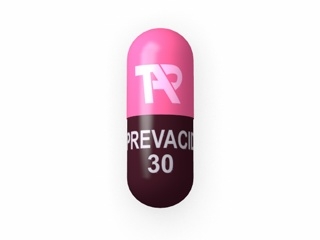
Prevacid is a brand name for lansoprazole, a medicine that reduces the amount of acid made by the stomach. It is used for a range of conditions where stomach acid plays an important role, such as heartburn (acid reflux), inflammation of the oesophagus, and certain stomach and ulcer problems.
This guide explains how Prevacid works, when and how to take it, practical tips, key safety information, and how it fits into treatment commonly used in the United Kingdom.
Quick facts
- Active ingredient: Lansoprazole
- Medicine type: Proton pump inhibitor (PPI)
- Common uses: Acid reflux/GERD, heartburn, oesophagitis, and ulcer-related conditions
- How it works: Reduces stomach acid production
- Typical timing: Usually taken once daily, about 30 minutes before food
- Availability (UK): Sold through pharmacies and healthcare routes; product strengths and packs vary
Basic product information
Prevacid contains the proton pump inhibitor lansoprazole. In the stomach, acid is produced by specialised cells. Lansoprazole acts by switching off the “acid pump” (proton pump) in these cells.
Depending on the condition being treated, lansoprazole may be used for short courses (weeks) or longer periods under medical supervision. In some people, maintenance treatment may be needed for ongoing symptoms.
Important: Always follow the specific instructions provided with your medicine and any clinician’s advice.
Mechanism of action (how Prevacid works)
Lansoprazole belongs to the class of medicines called proton pump inhibitors (PPIs). PPIs reduce gastric acid secretion by:
- Entering the stomach lining and being activated in the acidic environment
- Binding to and inhibiting the H+/K+ ATPase enzyme (“proton pump”)
- Decreasing both basal (background) and stimulated acid production
Because PPIs target the final step of acid production, they are generally more effective than medicines that simply neutralise acid after it is already released.
Pharmacokinetics (how the body handles lansoprazole)
Pharmacokinetics describes how a medicine is absorbed, distributed, metabolised, and eliminated. For lansoprazole:
- Absorption: Lansoprazole is absorbed in the small intestine. Acid suppression and timing can influence how consistently it works—hence the common advice to take it before food.
- Onset: Symptoms can improve within days, but full effect on acid control can take several days of regular dosing.
- Metabolism: Lansoprazole is mainly metabolised in the liver (commonly via cytochrome P450 enzymes, including CYP2C19).
- Elimination: Metabolites are mainly removed via the kidneys and bile.
- Half-life: The clinical effect lasts longer than the plasma half-life because the proton pumps are inhibited irreversibly until new pumps are made.
What this means for you: PPIs like Prevacid work best when taken consistently and at the right time relative to meals.
Typical use in the UK (common indications)
Prevacid is used for conditions linked to excess stomach acid or acid-related damage. Indications may vary depending on local guidance and the product’s licence details.
Common uses include:
- Gastro-oesophageal reflux disease (GORD/GERD) — relief of heartburn and acid reflux
- Erosive oesophagitis — inflammation/ulcers of the oesophagus caused by acid reflux
- Maintenance of remission in people with healed erosive oesophagitis
- Peptic ulcer disease (stomach/duodenal ulcers), particularly where acid reduction supports healing
- Helicobacter pylori (H. pylori) eradication regimens — usually combined with antibiotics as part of a multi-drug plan for H. pylori infection (specific regimen depends on local protocols)
- Zollinger–Ellison syndrome and other rare acid hypersecretion conditions (specialist management)
Dosing: what is usually recommended
Dose depends on the condition, age, and response to treatment. Strengths and schedules can vary between products and licences.
Important: Do not change your dose unless advised. Below is general guidance commonly used with PPIs; your label and instructions should be followed.
| Condition (examples) | Typical adult dosing approach | Notes |
|---|---|---|
| Heartburn / GORD symptoms | Often once daily | Many plans use a short initial course; review if symptoms persist |
| Erosive oesophagitis | Often once daily with a defined treatment period | Your clinician may reassess after the course |
| Maintenance therapy | Often once daily at the lowest effective dose | Long-term use should be reviewed periodically |
| Peptic ulcers | Often once daily for a set duration | In H. pylori–related cases, antibiotics may be added |
| H. pylori eradication regimens | Usually part of combination therapy | Antibiotic choices depend on resistance patterns and guidelines |
| Rare acid hypersecretion (specialist) | Individualised dosing | Requires specialist monitoring |
For children: Lansoprazole dosing can differ by age and weight, and should only be used under the appropriate paediatric guidance and instructions provided with the medicine.
When and how to take Prevacid (timing that matters)
PPIs work best when taken before food, because food stimulates the proton pumps, and the medicine needs to be active at that time.
Typical timing
- Take once daily in the morning, about 30 minutes before breakfast.
- If you have been told to take it twice daily, take a dose in the morning before breakfast and the second dose in the evening before dinner.
How to take it
- Swallow tablets/capsules whole with water if that is how your product is labelled.
- If you have difficulty swallowing, follow the instructions on the packaging or ask a pharmacist about the specific formulation you have.
- Try to take it at the same time each day.
If you miss a dose
- If you remember on the same day, take it when you can—unless it’s close to your next dose.
- Do not double up to make up for a missed dose.
Course length: If you are taking Prevacid for heartburn or reflux, symptoms often improve within days, but the full course is usually important for healing. Review ongoing symptoms with a healthcare professional.
Food interactions and absorption
Food can reduce the effectiveness of lansoprazole if taken too close to meals. This is why pre-meal timing is recommended.
Practical tips:
- Choose breakfast that is consistent where possible.
- If your routine changes (late breakfast, shift work), aim to take your dose 30 minutes before your first meal.
- Avoid taking the medicine directly with food unless your label says otherwise.
Does the type of food matter? Generally, the key issue is timing, not the specific meal. However, very large meals may stimulate acid more strongly; keeping to a regular schedule can help.
Alcohol and lansoprazole interactions
Lansoprazole does not generally have a direct “classic” interaction with alcohol, but alcohol can worsen reflux symptoms and irritation of the oesophagus.
- For reflux/heartburn: Alcohol may trigger symptoms even if the medicine reduces acid.
- For ulcers: Alcohol can irritate the gastrointestinal lining and may delay comfort during healing.
Guidance: If you notice that alcohol worsens your symptoms, consider reducing or avoiding it while your reflux/ulcer condition settles.
Medicine interactions (what to know)
Lansoprazole may interact with some medicines by changing stomach acidity and through liver metabolism. Not all interactions will be clinically significant for every person, but it’s important to check your medicines list.
Medicines most likely to be affected
- Medicines requiring stomach acid for absorption — reduced acid may change absorption. Examples can include some antifungals (e.g., ketoconazole/itraconazole) and certain iron salts in some circumstances.
- Clopidogrel — PPIs may reduce the activation of clopidogrel in some people. This has been a key concern in the UK. If you take clopidogrel, ask your pharmacist or clinician for the most appropriate acid-suppressing option.
- Warfarin — monitoring may be needed if your INR is affected during changes in PPI therapy.
- Methotrexate (high-dose, specialist use) — acid suppression may affect methotrexate levels; specialist guidance is essential.
- HIV medicines and some other targeted therapies — interactions can occur depending on the specific drug.
- Other PPIs or acid reducers — avoid unnecessary duplication unless advised.
Herbal and supplement considerations
- St John’s wort may affect liver enzymes and reduce PPI levels.
- Other supplements are less likely to be directly affected, but stomach irritation and reflux triggers may still occur.
Always tell a healthcare professional about all medicines you take, including over-the-counter products and supplements.
Safety profile: side effects and when to seek help
Most people tolerate lansoprazole well. However, as with all medicines, it can cause side effects in some individuals.
Common side effects
- Headache
- Diarrhoea or constipation
- Nausea
- Abdominal pain or bloating
- Gas
Less common but important risks
Longer-term PPI use has been associated with certain risks. The benefits and risks should be reviewed periodically, particularly if you are taking a PPI for months or years.
- Infections: Reduced stomach acid can make certain gut infections more likely.
- Vitamin/mineral changes: Long-term use may affect levels of magnesium and vitamin B12 in some people.
- Bone health: Some studies suggest a possible association with increased fracture risk when PPIs are used long term, especially at higher doses.
- Kidney issues: Rarely, inflammatory kidney conditions have been reported.
- Skin reactions: Rare hypersensitivity reactions can occur.
Seek urgent medical advice if you have
- Swelling of the face/lips, difficulty breathing, or severe rash
- Vomiting blood or passing black (tarry) stools
- Unexplained weight loss, persistent vomiting, trouble swallowing, or severe chest pain
- Signs of severe dehydration with persistent diarrhoea
Contact a healthcare professional promptly if you develop persistent, new, or worsening symptoms.
Practical use tips (to get the best results)
- Be consistent: Take it at the same time each day.
- Use the right timing: About 30 minutes before food is key for reflux control.
- Give it time: Improvement may take a few days; complete the course unless advised to stop.
- Review lifestyle triggers: If you have reflux, consider reducing late-night meals, spicy/acidic foods, and cigarette smoking.
- Consider step-down when appropriate: If symptoms are controlled, clinicians often review the lowest effective dose or whether you can try stopping.
- Don’t combine unnecessarily: If you’re using an antacid or alginate, it may help between doses—but avoid doubling up without a plan.
Tip for breakthrough symptoms: If you occasionally need extra relief, ask your pharmacist about suitable quick-acting options (often antacids/alginate preparations) to use alongside a PPI plan.
Alternative options for acid-related symptoms
If Prevacid isn’t suitable, alternatives may include:
Other PPIs
- Omeprazole
- Esomeprazole
- Pantoprazole
- Rabeprazole
Different people may respond slightly differently, but PPIs generally work in a similar way.
H2-receptor antagonists
- Famotidine (in some settings)
These reduce acid but usually provide less potent or shorter-lasting suppression than PPIs.
Antacids and alginates
- Antacids (e.g., calcium carbonate)
- Alginate-containing products (often used for “raft-forming” reflux relief)
Useful for immediate, short-term symptom relief, but they do not heal acid-related conditions as effectively as PPIs for many patients.
When to seek advice: If symptoms persist despite appropriate treatment, your situation may require assessment to confirm the diagnosis and rule out red flags.
Market and legal context in the United Kingdom
In the UK, lansoprazole and other PPIs are used widely for acid-related disorders. Availability and prescribing status can vary by strength, formulation, and local supply arrangements.
General UK approach:
- For GORD/heartburn, clinicians typically use a stepwise approach, starting with lifestyle measures and acid suppression where needed.
- PPIs are usually reviewed after an initial course; long-term therapy is considered where benefits outweigh risks.
- For suspected H. pylori, testing and eradication regimens may be used based on current NHS and antimicrobial guidance.
Recent guidance themes (UK):
- Optimising long-term PPI use: ensuring the lowest effective dose and regular clinical review.
- Managing medicine interactions: particularly where PPIs overlap with other commonly used medicines such as clopidogrel.
- Assessment for red flags: earlier investigation for alarm symptoms (e.g., weight loss, dysphagia, gastrointestinal bleeding).
Note: Exact guidance can vary by health system and individual circumstances. Your pharmacist or clinician can help align your treatment plan with current best practice.
Delivery and availability (UK)
Prevacid availability may vary depending on product strength and pack size. Many online pharmacies in the UK offer:
- Multiple pack options (depending on current stock and supply)
- Home delivery with tracking where available
- Standard and express delivery options (times depend on the courier service and your location)
Before ordering:
- Check the strength (e.g., mg per capsule/tablet) matches what you need.
- Confirm the dosage instructions printed on the packaging.
- Check any expiry date and pack size.
FAQ: Frequently asked questions
1) How long does it take for Prevacid to work?
Many people notice symptom improvement within the first few days. However, the full effect on acid control can take several days of regular use. If you are taking it for reflux, it’s generally worth completing the initial course unless you’re told otherwise.
2) Should I take Prevacid before or after food?
Take it about 30 minutes before food (often before breakfast). Taking it with or after meals can reduce effectiveness.
3) Can I take Prevacid with antacids or alginates?
Often, yes—many people use quick-acting antacids or alginates for short-term relief of breakthrough symptoms. Ask your pharmacist for advice based on the specific products you want to combine.
4) Does alcohol interfere with Prevacid?
There’s typically no direct interaction, but alcohol may worsen reflux symptoms. If alcohol triggers your heartburn, reducing it may improve results.
5) Can I take Prevacid for a long time?
Some patients need longer-term therapy, but long-term use should be reviewed periodically. Your clinician/pharmacist can help ensure you’re on the lowest effective dose and that benefits still outweigh risks.
6) What if my symptoms don’t improve?
If symptoms persist despite taking Prevacid correctly (including the pre-meal timing), or if they return quickly, speak to a pharmacist or clinician. Persistent symptoms may need review of the diagnosis, dosing, or possible complications.
7) Are there foods I should avoid?
For reflux, common triggers include spicy foods, high-fat meals, chocolate, peppermint, caffeine, and late-night eating. Everyone’s triggers differ, so it’s helpful to notice what affects you personally.
8) Are there any “warning signs” I should not ignore?
Yes. Seek prompt medical advice if you develop difficulty swallowing, vomiting blood, black/tarry stools, unexplained weight loss, severe persistent pain, or persistent vomiting.
9) Does Prevacid affect other medicines?
It can. Stomach acid changes and liver metabolism can affect how some drugs work (for example, clopidogrel). If you take other regular medicines, check with a pharmacist to avoid clinically important interactions.
10) Can I stop Prevacid suddenly?
Stopping suddenly after prolonged use can sometimes cause rebound acid symptoms. If you have been taking a PPI for a long time, it’s often better to discuss a step-down plan with a healthcare professional.
Summary
Prevacid (lansoprazole) is a proton pump inhibitor used to treat acid-related conditions such as GORD/heartburn, erosive oesophagitis, and ulcer-related problems. It works by reducing stomach acid production and is most effective when taken 30 minutes before food. While many people experience few side effects, it’s important to be aware of possible interactions and to seek advice if symptoms are severe, persistent, or associated with warning signs.
If you have questions about your specific condition, medicine timing, or potential interactions with your current medicines, speak to a pharmacist for personalised guidance.