
Prograf (Tacrolimus) – Patient-Friendly Guide (United Kingdom)
Prograf is a brand of tacrolimus, an immunosuppressant medicine used to help prevent organ rejection after transplant and to treat certain immune-related conditions. This guide explains what Prograf is, how it works, how it is taken, important interactions and safety considerations, and practical tips for day-to-day use in the UK.
1) Basic product information
| Feature | Information |
|---|---|
| Active ingredient | Tacrolimus |
| Brand name | Prograf |
| Medicine type | Immunosuppressant (calcineurin inhibitor) |
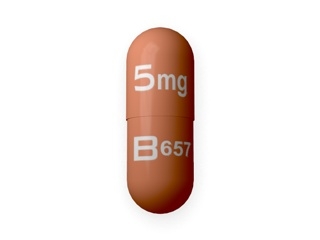
| Common form | Oral capsules (strengths may vary by product/availability) |
| Key monitoring | Blood “trough” tacrolimus levels (and routine blood tests) |
| Most common setting in the UK | Post-transplant maintenance/initial prevention of rejection |
2) How Prograf works (mechanism of action)
Tacrolimus belongs to a group of medicines called calcineurin inhibitors. It works mainly by reducing activity in T-lymphocytes (a key part of the immune system). By interfering with signalling pathways needed for T-cell activation, Prograf helps your immune system accept the transplanted organ and reduces the risk of rejection.
Because tacrolimus has a narrow therapeutic range, the dose needs individual adjustment and monitoring to balance:
- Effectiveness (enough immunosuppression to prevent rejection)
- Safety (minimising side effects such as kidney problems and infections)
3) Pharmacokinetics: how your body handles tacrolimus
“Pharmacokinetics” describes what the body does with the medicine—how it is absorbed, distributed, metabolised and eliminated. Tacrolimus can vary significantly between individuals and even from day to day within the same person. For this reason, clinicians usually monitor blood levels and may adjust the dose.
Absorption and variability
- Tacrolimus is taken by mouth and is absorbed through the gut. Absorption can be affected by food and by changes in gut function.
- Drug absorption can differ with formulation and timing, which is why you should keep to a consistent schedule.
Metabolism and elimination
- Tacrolimus is mainly metabolised in the liver (and also affects drug handling in the gut) through enzymes such as CYP3A.
- Many medicines, herbal products and foods can raise or lower tacrolimus blood levels by affecting these enzymes.
- Your kidney function and general health are routinely monitored, because tacrolimus can affect kidney function.
Trough levels (“C0”) and why timing matters
The blood level that clinicians often target is the trough level—measured just before the next dose—because it helps reflect how much medicine is in your body over the whole dosing interval. If you miss doses, change your routine, or take interacting medicines, trough levels can shift.
4) Typical uses in the UK
Prograf (tacrolimus) is used to:
- Prevent organ rejection in people who have received a solid organ transplant.
- Treat graft rejection in certain circumstances, as part of specialist management.
- Sometimes be used in other immune-mediated conditions under specialist supervision where tacrolimus is appropriate.
Exact indications can vary by transplant type and by local specialist protocols. In the UK, your transplant team will provide a tailored plan based on your situation, laboratory results and other medicines you take.
5) How to take Prograf: timing and routine
Tacrolimus is usually taken twice daily. Many patients are prescribed morning and evening doses with consistent timing. The aim is to keep blood levels stable.
General timing tips
- Try to take doses at the same times every day. Choose times that are realistic for your work, meals and sleep routine.
- If you are instructed to take Prograf between meals, follow that advice closely. Food can change absorption and therefore blood levels.
- If your regimen is adjusted, confirm any changes to dosing times so that trough levels remain comparable at monitoring appointments.
If you miss a dose
If you miss a dose, follow the guidance you were given by your clinical team or pharmacist. In general, do not take double the dose to make up for a missed capsule. Because tacrolimus levels matter, it’s best to seek advice promptly rather than guessing.
6) Food interactions and eating habits
Food can affect tacrolimus absorption. For many people, clinicians advise taking Prograf either consistently with or without food, rather than changing the pattern day to day.
Practical advice for meals
- Keep a consistent routine: if you take your medicine at the same relative time to meals (for example, always on an empty stomach or always after a light meal), absorption is more predictable.
- Let your transplant team know if you have vomiting, diarrhoea or major appetite changes, as these can affect drug absorption and levels.
- Avoid sudden dietary changes without discussing with your healthcare professional—especially changes that could influence how the medicine is absorbed.
Grapefruit and other strong dietary influences
Foods that influence liver enzymes may affect tacrolimus levels. Grapefruit and grapefruit juice are commonly advised against or used with caution because they can increase exposure. If you’re unsure about a particular food or supplement, ask your pharmacist.
7) Alcohol and medicine interactions
Alcohol can affect your liver and general health, and may worsen dehydration or other side effects. There is no single “one-size-fits-all” rule for everyone on tacrolimus, so it’s important to follow your clinician’s advice.
Alcohol: key considerations
- Limit or avoid heavy alcohol intake, especially if you have liver problems or are taking other medicines that can affect the liver.
- Stay hydrated, particularly if you experience vomiting, diarrhoea or fever.
- Alcohol may increase risk of side effects such as dizziness or sleep disturbance in some people.
Medication interactions: why they matter
Tacrolimus is affected by the body’s drug-metabolism systems, especially CYP3A pathways and transport proteins such as P-glycoprotein. Many medicines can raise tacrolimus levels (increasing side effects and toxicity risk) or lower them (increasing rejection risk).
Common interaction examples (not exhaustive):
- Antifungal medicines (for example, azole antifungals) may increase tacrolimus levels.
- Some antibiotics can increase or decrease levels.
- HIV medicines and antivirals may interact.
- Macrolide antibiotics (certain classes) may increase exposure.
- Anti-seizure medicines (some enzyme inducers) can reduce tacrolimus levels.
- Herbal products: St John’s wort is often advised against because it can significantly reduce tacrolimus levels.
- Other immunosuppressants may increase infection risk and may require dose adjustments and close monitoring.
- Nephrotoxic medicines (medicines that can harm kidneys) may increase risk of kidney side effects when combined with tacrolimus.
Because interaction potential is individual and depends on your overall regimen, always inform your healthcare team about all medicines you take, including over-the-counter products and supplements. Keep a written list and bring it to appointments.
8) Indications and what to expect clinically
In the UK, tacrolimus is most commonly used as part of immunosuppressive regimens after transplantation. People taking Prograf typically also receive other medicines (for example corticosteroids and/or additional immunosuppressants).
Typical clinical goals
- Prevent immune rejection of the transplanted organ.
- Maintain stable tacrolimus blood concentrations within a target range set by the specialist team.
- Monitor and manage side effects such as kidney function changes, infections, and metabolic effects.
Monitoring commonly includes
- Tacrolimus trough levels
- Kidney function (creatinine, estimated glomerular filtration rate)
- Blood count (haemoglobin, white cells, platelets)
- Blood sugar (glucose) and sometimes HbA1c
- Blood pressure
- Electrolytes (including potassium and magnesium)
- Liver function tests
9) Dosing: general principles (and why exact doses differ)
Tacrolimus dosing is individual. Your transplant team selects the dose based on:
- Type of organ transplant and time since transplant
- Whether rejection has occurred
- Your tacrolimus blood levels (trough concentrations)
- Kidney and liver function
- Your other medicines (to account for interactions)
- Your overall health and risk factors
For this reason, this guide provides general dosing principles rather than prescribing a personal dose. Your pharmacist and specialist team will confirm the correct regimen for you.
Typical regimen pattern
- Twice daily dosing is common.
- Capsules are taken at consistent times relative to meals.
- Blood tests may be more frequent early after transplant or during dose changes.
Adjustments and “target ranges”
Target trough levels vary depending on the transplant type, time after transplant and individual risk. If your blood level is too high, your team may reduce the dose. If it is too low, the dose may be increased.
10) Safety profile: important risks and when to seek help
Tacrolimus can be very effective, but it suppresses parts of the immune system, which increases the risk of infections and other side effects. Many effects are dose-related and may improve with dose adjustments and monitoring.
Commonly discussed side effects
- Kidney effects (e.g., changes in creatinine)
- High blood pressure
- Tremor, headache, or other nervous system effects
- Gastrointestinal effects such as diarrhoea, nausea or stomach discomfort
- Metabolic changes such as elevated blood sugar
- Electrolyte changes such as high potassium or low magnesium
- Increased risk of infections due to immunosuppression
Serious risks (seek urgent medical advice if severe)
- Signs of serious infection (fever, chills, severe sore throat, shortness of breath, or feeling very unwell)
- Kidney problems indicated by reduced urine output, severe swelling, or marked fatigue (your team will monitor via blood tests)
- Unusual neurological symptoms such as severe confusion, seizures, or severe weakness
- Severe allergic-type reactions (e.g., swelling of face/lips, difficulty breathing, widespread rash)
- Persistent or worsening symptoms despite adherence to the regimen
Do not stop suddenly
Do not stop Prograf abruptly unless your transplant team instructs you to. Stopping or missing doses can increase the risk of organ rejection.
11) Practical use tips for day-to-day success
Make your routine predictable
- Use a daily reminder (phone alarm, pill organiser, pharmacy-managed blister packs if available).
- Keep timing consistent, especially around meal times.
- Carry your current medicine list if you travel.
Stay organised with monitoring
- Attend blood test appointments on schedule for trough levels and routine checks.
- Ask the team whether you should take your dose before blood tests (it may affect interpretation).
- Record any dose changes and the date they were made.
Infection prevention is part of treatment
- Follow advice on vaccinations (some vaccines may not be suitable while immunosuppressed).
- Practice good hand hygiene and avoid close contact with people who have contagious infections.
- Tell your healthcare team promptly if you develop fever or symptoms of infection.
Kidney and blood pressure care
- Stay hydrated unless your team has restricted fluids.
- Avoid overuse of non-prescribed painkillers and always seek advice for “as needed” medicines.
- Attend regular blood pressure checks; tacrolimus can raise blood pressure in some people.
12) Alternatives to Prograf (tacrolimus options)
If tacrolimus is needed, different formulations and brands may be used. In clinical practice, your transplant team may consider alternatives such as:
- Other tacrolimus formulations (for example, once-daily or extended-release versions in some settings)
- Alternative immunosuppressants used in specific circumstances (e.g., when side effects occur, when intolerance develops, or based on rejection history)
Switching between formulations can affect blood levels and may require close monitoring. Never switch without guidance from your transplant team.
13) UK market and legal context (what you should know)
In the UK, tacrolimus-containing medicines are regulated and supplied according to medicine classification and clinical governance. They are used under specialist supervision in transplant care, with ongoing monitoring to ensure safe and effective immunosuppression.
- Tacrolimus products are typically dispensed through regulated pharmacy channels.
- Ongoing monitoring and dose individualisation are central to UK transplant care pathways.
- Pharmacovigilance processes exist in the UK to identify and respond to medicine safety information.
14) Recent guidance and monitoring themes (UK-relevant)
Guidance in transplant medicine commonly emphasises:
- Therapeutic drug monitoring (tacrolimus trough levels) due to variability in absorption and drug interactions.
- Attention to drug interactions with antifungals, antibiotics, antivirals, and herbal products.
- Regular laboratory monitoring for kidney function, electrolytes, glucose, blood counts and liver function.
- Infection awareness and prevention measures for immunosuppressed patients.
- Consistency with timing and food intake to reduce fluctuations in blood levels.
Always follow the most up-to-date advice from your transplant centre and local clinicians, as recommendations may evolve with new evidence and individual patient factors.
15) Delivery and availability in the UK (online pharmacy)
Availability of Prograf (tacrolimus) can vary depending on stock levels and capsule strengths. When ordering online, ensure that the product strength and formulation match what your healthcare team has prescribed for you.
Delivery expectations
- Delivery times may vary depending on location and pharmacy service level.
- Keep packaging until you confirm the correct medicine and strength are supplied.
- If you receive the wrong product or incorrect strength, do not take it—contact the pharmacy immediately.
Planning ahead
If you are due for regular refills, consider ordering with enough time for dispatch and delivery. This helps avoid interruptions, which are particularly important for tacrolimus.
16) FAQ
What is Prograf used for?
Prograf (tacrolimus) is used to prevent organ rejection after transplant and may also be used in the management of certain rejection episodes or other specialist immune-related conditions. Your clinician will specify the exact reason you are taking it.
How quickly does Prograf start working?
Tacrolimus begins acting after it is absorbed. However, the overall effectiveness is assessed by clinical outcomes and by monitoring tacrolimus blood levels and organ function over time. Dose adjustments may be made as your level and side effects become clear.
Do I need regular blood tests?
Yes. Most people taking tacrolimus need routine monitoring, including tacrolimus trough levels and blood tests for kidney function, blood count and metabolic markers. Monitoring schedules may be more frequent early after transplant or after dose changes.
Can I take Prograf with food?
Food can affect absorption, so the key is consistency. Follow the specific instructions given to you by your transplant team or pharmacist (for example, taking it between meals or at a consistent time relative to meals).
Can I drink alcohol while taking tacrolimus?
Many people are advised to limit alcohol and to avoid heavy drinking. Because your overall health and other medications matter, ask your transplant team or pharmacist for advice tailored to you.
Are there medicines I should avoid?
Several medicines can interact with tacrolimus, including certain antifungals, antibiotics, antivirals, anti-seizure medicines, and herbal products like St John’s wort. Always discuss new or “over-the-counter” products with your pharmacist or transplant team.
What if I miss a dose?
Don’t take double doses unless your clinician specifically instructs you to. Because tacrolimus level changes can be important, contact your healthcare team or pharmacist for guidance on what to do next.
What side effects are most important to watch for?
Watch for infection symptoms (e.g., fever), signs of kidney problems, and any severe or unusual symptoms such as significant confusion, severe tremor, or breathing difficulties. Report concerning symptoms promptly to your healthcare team.
Can I switch to another tacrolimus product?
You should only switch products under guidance from your transplant team. Different formulations can produce different blood levels and may require closer monitoring and dose adjustment.
Where can I get more advice?
Your transplant centre and pharmacist are the best sources of personalised guidance. If you have questions about interactions, monitoring, or daily routines, discuss them before making changes.
Summary
Prograf (tacrolimus) is an immunosuppressant used in transplant care to help prevent rejection. Because blood levels can vary and interactions are common, success depends on consistent dosing timing, attention to food and interacting medicines, and regular monitoring of tacrolimus trough levels and safety blood tests. If you ever feel unwell or notice concerning symptoms, contact your healthcare team promptly.