

Provigil (Modafinil) – Patient-Friendly Guide (UK)
Provigil contains the active ingredient modafinil. It is a medicine used to help improve wakefulness in certain situations. This guide is written to help you understand how modafinil works, how it’s usually taken, key safety points, and what to expect when using it.
Important: Medicines affect people differently. Always follow the instructions provided by a healthcare professional and read the patient information leaflet (PIL) supplied with your product.
Basic product information
- Brand name: Provigil
- Active ingredient: Modafinil
- Medicine type: Wakefulness-promoting agent
- Availability in the UK: Availability can vary by formulation and prescriber pathway. Your pharmacy can advise on current stock and delivery options.
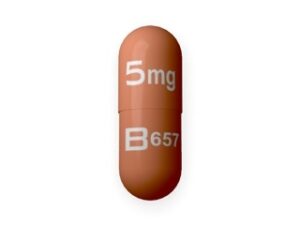
- How it is typically supplied: Tablets (strength depends on the specific product)
How Provigil (modafinil) works (mechanism of action)
Modafinil helps reduce excessive sleepiness by promoting wakefulness. Although the exact mechanism isn’t fully understood, it is thought to work by influencing several brain chemical systems involved in alertness.
- Dopamine regulation: Modafinil may increase dopamine signalling indirectly in parts of the brain involved in wakefulness.
- Hypothalamic effects: It may act on wake/sleep regulatory pathways, supporting normal alertness.
- Reduced sleep pressure: It can help you stay awake and focused, particularly when your body would otherwise feel drowsy.
What it does not do: Modafinil is not a sedative, and it does not “replace sleep”. If you don’t get enough rest, you may still experience impaired performance and reduced recovery.
Pharmacokinetics (how the body handles modafinil)
Pharmacokinetics describes what your body does to a medicine—absorption, distribution, metabolism, and elimination.
| Parameter | What to know (typical) |
|---|---|
| Absorption | Modafinil is absorbed after oral dosing. Peak effects usually occur within a few hours. |
| Distribution | It distributes through body tissues and crosses into the central nervous system. |
| Metabolism | Primarily metabolised in the liver (involves enzymes such as CYP pathways). |
| Elimination | Metabolites are excreted mainly via urine. Elimination is relatively prolonged, which supports a once-daily routine for many indications. |
| Half-life (overall duration) | The medication can remain active for much of the day; many people notice effects for around 8–12 hours (individual responses vary). |
Typical use and indications in the UK
Modafinil is used to help treat excessive daytime sleepiness associated with specific sleep disorders.
Common indications include:
- Narcolepsy (with or without cataplexy), where excessive daytime sleepiness is a key symptom.
- Obstructive sleep apnoea (OSA) where excessive daytime sleepiness persists despite appropriate treatment (for example, CPAP) in suitable patients.
- Sleepiness associated with shift work (where excessive sleepiness affects work performance during work schedules).
Note on assessment: For many people, diagnosis and assessment of sleep disorders are essential. Modafinil is generally considered when daytime sleepiness is significant and other approaches alone are not enough.
How and when to take Provigil (timing guidance)
Timing matters because modafinil can cause insomnia or restlessness if taken too late in the day.
- Typical timing: Take in the morning or early in your day.
- Avoid late dosing: Try not to take it in the late evening or night unless your healthcare professional has advised a specific schedule for your situation (for example, shift patterns).
- Consistency: Taking it at the same time each day can help maintain predictable effects.
- Missed dose: If you miss a dose, do not take an extra dose to “catch up”. Take it when you remember only if it still fits your recommended schedule and won’t disrupt sleep.
Practical tip: Keep a note of how long you feel effects last and whether sleep quality changes. This can help you discuss timing with your healthcare professional.
Dosing overview (general information)
Dose varies by indication, patient factors, and local clinical practice. Your exact dose should follow the instructions provided for your specific situation.
- Start low and adjust if needed: Many treatment plans begin with a conservative dose to assess tolerability.
- Once daily dosing is common: Because of its duration, many regimens are once daily.
- Maximum dose limits: Healthcare providers generally adhere to approved dosing limits for safety.
Important safety reminder: Do not change your dose without medical guidance. Avoid combining with other stimulants unless specifically advised.
Food interactions and what to expect
Modafinil can generally be taken with or without food. However, individual experiences differ.
- With food: Taking it with a meal may reduce stomach upset for some people.
- Absorption effects: Large, heavy meals may delay the onset slightly in some individuals.
- Stimulant foods: Coffee or other caffeine sources can increase alertness further—sometimes beneficial, sometimes increasing anxiety or palpitations.
Best practice: Choose a consistent routine (with or without food) and pay attention to how it affects your sleep and heart rate.
Alcohol interactions
Modafinil is often taken by people who are trying to manage fatigue. Alcohol can worsen sleep quality and increase impairment—effects that may not be fully “fixed” by feeling more awake.
- Risk of masking: You might feel less sleepy while alcohol-related impairment (reaction time, judgement) remains.
- Increased side effects: Alcohol may increase the likelihood of dizziness, headache, nausea, or feeling “off”.
- Sleep disruption: Even small amounts of alcohol can worsen sleep architecture, potentially undermining recovery.
Recommendation: For safety, it’s generally sensible to avoid alcohol around the time you take modafinil, especially if you need to drive or operate machinery.
Interactions with other medicines
Modafinil can interact with other medicines through liver enzyme pathways, potentially affecting blood levels of some drugs. It may also influence how quickly you metabolise certain medications.
Medicines that may require extra caution
- Hormonal contraception: Enzyme interactions can reduce effectiveness of some contraceptives, depending on product type. Discuss reliable contraception options with a healthcare professional.
- Antiepileptic medicines: Some anti-seizure treatments can be affected; conversely modafinil may affect their levels.
- Warfarin and other anticoagulants: Interactions may change bleeding risk and require closer monitoring.
- Antidepressants and antipsychotics: Mood and alertness changes may be amplified; some combinations require monitoring.
- Stimulants and other wakefulness-promoting agents: Combining can increase side effects such as anxiety, tremor, and heart rate changes.
- Some antivirals or immunosuppressants: Enzyme metabolism changes may influence drug levels.
Always tell your pharmacy and healthcare professional about all medicines you take, including:
- over-the-counter medicines
- supplements (especially herbal products)
- caffeine tablets/energy products
Urgent safety note: If you develop rash, severe headache, chest pain, fainting, or signs of an allergic reaction, seek urgent medical advice.
Safety profile and possible side effects
Most people tolerate modafinil reasonably well, but side effects can occur—especially early in treatment or when doses are higher than needed.
Common side effects
- Headache
- Nausea or stomach discomfort
- Dizziness
- Nervousness, anxiety, or restlessness
- Difficulty sleeping (insomnia), especially if taken late
- Dry mouth
Less common but important
- Changes in mood (irritability, agitation)
- Palpitations or increased heart rate
- Skin reactions
Seek urgent medical help if you notice
- Signs of severe allergic reaction: swelling of face/lips, difficulty breathing
- Severe skin rash, blistering, or peeling skin
- Chest pain or severe shortness of breath
- Fainting or severe persistent dizziness
Long-term safety: Ongoing monitoring may be required for your specific situation, particularly if you have other health conditions or take interacting medicines.
Practical use tips (getting the best results safely)
- Prioritise sleep hygiene: Modafinil can help with wakefulness, but it won’t cure underlying sleep problems. Keep a regular sleep schedule when possible.
- Limit caffeine escalation: Many people add coffee/energy drinks. If you already feel anxious or have palpitations, reduce stimulants.
- Avoid driving if you feel impaired: Even if you feel more awake, reaction time and judgement can still be affected by sleep debt or alcohol.
- Monitor your mood: If you notice unusual mood changes, discuss it promptly with a healthcare professional.
- Don’t “stack” stimulants: Avoid combining with additional wakefulness-promoting products unless advised.
- Stay hydrated and eat regularly: Fatigue and headaches can worsen if you skip meals or drink little water.
- Use the right strategy for sleep disorders: For OSA, continuing CPAP or other recommended therapy is important even if you feel better.
Alternative options
If modafinil isn’t suitable or doesn’t work well for you, there may be other treatment approaches depending on the underlying condition.
Medication alternatives (varies by diagnosis and availability)
- Armodafinil (closely related to modafinil; availability and suitability depend on local practice)
- Other wakefulness-promoting medicines used for specific sleep disorders in specialist settings
- Condition-specific approaches: For OSA, CPAP adherence and weight management are central; for narcolepsy, additional therapies may be considered
Non-medicine options that may help
- Sleep apnoea management: CPAP, mandibular advancement devices, positional therapy
- Structured sleep scheduling: Especially for shift work sleep disorder
- Behavioural support: Treating sleep hygiene and reducing factors that fragment sleep
Speak with a healthcare professional to discuss which option fits your diagnosis, symptoms, and other health conditions.
UK market and legal context (what to expect)
In the UK, prescription and supply rules for medicines are governed by UK regulations and clinical guidance. How modafinil is supplied can depend on its classification, the indication, and appropriate professional oversight.
- Regulatory status: Modafinil-containing medicines are controlled according to UK medicine regulations.
- Clinical oversight matters: Wakefulness-promoting medicines may not be appropriate for everyone and require careful consideration of diagnosis and interactions.
- Supply transparency: A reputable pharmacy should provide clear product information, dosage guidance, and safety counselling.
Always purchase from legitimate UK pharmacies or approved suppliers to reduce the risk of counterfeit or incorrect-strength products.
Recent guidance and evolving practice
Clinical practice around excessive daytime sleepiness continues to evolve as sleep medicine research advances. In the UK, guidance typically emphasises:
- Correct diagnosis (e.g., confirming narcolepsy or OSA)
- Addressing underlying causes (especially CPAP adherence for OSA)
- Careful patient selection (considering comorbidities, mental health history, and interacting medicines)
- Monitoring for side effects and safety risks such as insomnia or mood changes
Your prescriber (where applicable) and pharmacy team can provide the most up-to-date local advice.
Delivery and availability (UK)
Availability can vary. Many online pharmacies offer delivery within the UK using standard tracked services, but timelines depend on stock and location.
- Stock checks: We recommend checking availability before placing an order.
- Dispatch times: Depend on whether the item is held in UK stock.
- Packaging: Medicines are typically supplied in appropriate child-resistant and tamper-evident packaging.
- Delivery updates: Tracked delivery usually provides a tracking reference.
Tip: If you have a specific schedule for dosing, place your order early enough to avoid running out.
FAQ – Frequently asked questions
1) Is Provigil (modafinil) the same as other “energy” tablets?
No. While modafinil promotes wakefulness, it is a regulated medicine with specific indications, dosing guidance, and safety considerations. Energy drinks and supplements may also contain caffeine and other stimulants that can increase side effects.
2) How long does modafinil take to start working?
Many people notice effects within a few hours of taking a dose, with peak alertness occurring sooner for some individuals than others. Exact timing varies based on metabolism, whether you’ve eaten, and your individual response.
3) Can I take it with coffee?
Some people do, but it may increase side effects like anxiety, jitteriness, or palpitations. If you’re sensitive to caffeine, consider reducing caffeine and monitor your response.
4) Will modafinil help me lose weight?
Modafinil is not approved or intended for weight loss. If you’re considering it for this purpose, discuss safer, evidence-based options with a healthcare professional.
5) Can I drink alcohol while taking modafinil?
For safety, it’s generally advisable to avoid alcohol around the time you take modafinil. Alcohol can reduce judgement and worsen sleep quality, and you may not feel as impaired as you actually are.
6) What if I have trouble sleeping?
Trouble sleeping is often related to timing. Try taking modafinil earlier in the day as advised. If insomnia persists, contact a healthcare professional—dose adjustments or an alternative strategy may be needed.
7) Are there any warning signs I should take seriously?
Yes. Seek urgent help for severe allergic reactions, significant skin rash, chest pain, severe breathlessness, fainting, or major mood changes. For persistent headaches or troubling side effects, contact a healthcare professional promptly.
8) What happens if I miss a dose?
Take it only if it fits your normal dosing schedule. Avoid doubling doses to compensate.
9) Does modafinil affect hormonal contraception?
It may. Interactions via liver enzymes can reduce effectiveness of certain hormonal contraceptives. If relevant, discuss contraception options with a healthcare professional before starting modafinil.
10) Can I drive or use machinery?
Only if you feel fully alert and safe to do so. If you are treating excessive daytime sleepiness, your goal is improved wakefulness—but sleep disorder symptoms, sleep debt, alcohol, and side effects can still affect performance.
Summary
Provigil (modafinil) is a wakefulness-promoting medicine used in specific sleep-related conditions such as narcolepsy, obstructive sleep apnoea with persistent sleepiness, and sleepiness related to shift work. It works by supporting brain alertness pathways and can help you stay awake and focused. Because it can affect sleep and may interact with other medicines (including hormonal contraception in some cases), careful timing, dose adherence, and medication review are essential.
If you have questions about suitability, interactions, or the best schedule for your day, speak with a healthcare professional or your pharmacy team for personalised guidance.