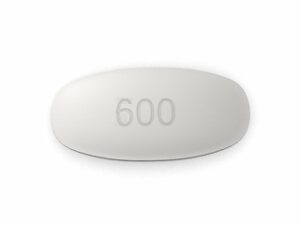


Sibelium (Flunarizine) – Patient Guide (UK)
Sibelium is a medicine containing flunarizine. It is used to help prevent certain types of headaches (particularly migraine) in some people. This page explains what Sibelium does, how it works, how to take it safely, key interactions (including with alcohol and other medicines), and when to seek medical advice.
Basic product information
| Feature | Details |
|---|---|
| Medicine name | Sibelium |
| Active ingredient | Flunarizine |
| Medicine type | Calcium channel blocker with anti-migraine and vestibular effects |
| How it is used | Primarily for prevention of migraine attacks; sometimes for other conditions as advised by a healthcare professional |
| Common strengths (varies by manufacturer) | Often 5 mg or 10 mg tablets (check your pack) |
Please check the patient information leaflet (PIL) inside your pack for the exact strength, formulation details and instructions relevant to your specific product.
What Sibelium does (mechanism of action)
Flunarizine belongs to a group of medicines that affect calcium entry into cells (calcium channel blockers). In migraine and certain balance-related conditions, it is thought to:
- Reduce nerve cell excitability involved in triggering migraine attacks.
- Improve blood flow regulation in the brain by influencing vascular tone and microcirculation.
- Modulate signals in the brain related to nausea, sensory sensitivity, and balance (where appropriate).
Importantly, Sibelium is usually used to prevent attacks rather than treat a migraine that has already started.
Pharmacokinetics (how the body handles flunarizine)
Pharmacokinetics describes how the body absorbs, distributes, metabolises and eliminates a medicine. Although exact values may vary between individuals, key general points include:
- Absorption: Flunarizine is absorbed after oral dosing.
- Distribution: It distributes into body tissues and can accumulate with ongoing use.
- Metabolism: It is metabolised in the liver.
- Elimination: It is excreted mainly via metabolism products.
- Half-life: Flunarizine can have a relatively long duration in the body, which is why it is often taken once daily.
Because flunarizine can take time to build up and stabilise levels, you may not feel a benefit immediately. Many people notice improvement only after weeks of regular use.
Typical uses in the UK
Sibelium (flunarizine) is used in clinical practice for the prevention of migraine in selected patients, particularly when attacks are frequent or disabling. It may also be used for other indications where it is considered appropriate by clinicians, such as certain vestibular (balance-related) conditions.
Your suitability depends on your medical history, current medicines, and risk factors. If you are not sure why it has been recommended for you, ask a healthcare professional to explain the expected benefits and timeframe.
When to take it (timing and routine)
Many patients are advised to take flunarizine once daily, often in the evening or at night, because it may cause sleepiness in some people.
- Take it at the same time each day to maintain consistent levels.
- Plan for sedation: If you feel drowsy, avoid driving or operating machinery until you know how it affects you.
- Allow time for effect: prevention medicines are usually assessed over weeks, not days.
If you miss a dose, follow the instructions in your PIL. In general, do not take a double dose to make up for a missed tablet.
Food interactions (with meals)
Food does not typically prevent flunarizine from working. For most people:
- You can usually take it with or without food.
- If it upsets your stomach, taking it after food may help.
If you have specific digestive issues or have been advised on diet restrictions, follow your clinician’s guidance.
Alcohol and medicine interactions
Alcohol
Alcohol may increase the risk of drowsiness or dizziness with flunarizine. It may also worsen balance problems in susceptible people. If you drink alcohol:
- Keep it to moderate amounts.
- Avoid alcohol if you feel unusually sleepy or unsteady after taking Sibelium.
- Do not drive if alcohol and flunarizine together affect you.
Interactions with other medicines
Flunarizine can interact with other medicines, particularly those that affect the brain, the heart’s rhythm, or increase sedation. Tell your pharmacist or healthcare professional about all medicines you take, including:
- Other medicines that cause sleepiness (sedatives, some antihistamines, opioid painkillers).
- Medicines that affect heart rhythm (for example, some antiarrhythmics or other drugs known to prolong QT interval).
- Medicines that affect the liver (some drugs can alter flunarizine metabolism).
- Antidepressants or medicines affecting dopamine systems (relevant if you’re at risk of movement side effects).
- Antipsychotics (because of potential additive effects on movement and sedation).
If you start a new medicine or stop one, re-check your interaction risk. Your pharmacist can provide advice tailored to your medicines list.
Indications and what to expect
In migraine prevention, Sibelium may help reduce:
- How often headaches occur
- How severe attacks are
- The number of days you are impacted
In vestibular-related use, it may help some people with symptoms such as vertigo (spinning sensation) by stabilising pathways involved in balance.
Response varies. Some people improve substantially, while others may not notice much benefit. If you do not respond, your clinician may review the plan.
Dosing (common regimens)
Dosing depends on your age, condition, and tolerability. The information below is general and may not match your personal prescription. Always follow the dose on your pack or what your healthcare professional has advised.
Adults (typical approach)
- Prevention of migraine: often started at a lower dose and adjusted based on response and side effects.
- Night-time dosing: commonly used to reduce daytime drowsiness.
Elderly (dose considerations)
Older adults may be more sensitive to side effects such as sedation, dizziness, and movement-related symptoms. Clinicians may use a lower dose or closer monitoring.
Children and adolescents
Flunarizine use in younger people depends on local practice and individual risk/benefit. Follow clinician instructions closely and check the PIL for your age group.
Maximum benefit usually takes time
- It may take several weeks to see the full preventive effect.
- If you experience side effects, do not stop suddenly without advice—discuss with a clinician to decide the safest next step.
Safety profile (important side effects and warnings)
Common side effects
- Drowsiness or tiredness
- Dizziness
- Weight gain or increased appetite
- Dry mouth or mild stomach upset
- Headache or fatigue (may occur in some people)
Serious side effects (seek urgent advice)
Contact urgent medical services or seek prompt help if you develop:
- Severe allergic reaction: swelling of face/lips, difficulty breathing, rash with widespread hives
- Signs of significant mood or behaviour changes that worry you (for example severe agitation, confusion)
- Movement disorders such as worsening tremor, stiffness, or unusual restlessness
- Fainting, strong palpitations, or symptoms suggesting heart rhythm problems
Movement-related effects
Like some medicines that influence the brain’s chemical signalling, flunarizine may rarely be associated with extrapyramidal symptoms (movement-related effects). These can include:
- tremor
- muscle stiffness
- slowed movement
- restlessness
If you notice new movement symptoms, discuss promptly with a healthcare professional. Early assessment can reduce the risk of symptoms worsening.
Mood changes
Some people may experience changes such as low mood or depression. If you notice persistent mood changes, inform your clinician.
Weight and lifestyle
Weight gain can occur. Consider monitoring weight weekly or monthly and maintaining a balanced diet and regular activity, as advised for your general health.
Driving and operating machinery
Because it can cause drowsiness or dizziness, be cautious when:
- driving
- cycling in busy areas
- using tools or machinery
Practical use tips (making treatment easier)
- Use a medication reminder (phone alarm, blister pack calendar) to help you take it consistently.
- Keep a headache diary for at least 4–8 weeks to track frequency, severity, and triggers. This helps you and your clinician judge effectiveness.
- Assess sedation early: on the first few nights, avoid activities requiring full alertness.
- Stay hydrated and eat regularly: dehydration and skipping meals can trigger migraines for many people.
- Don’t ignore new symptoms: report movement, mood, or heart-related symptoms promptly.
What if you miss a dose?
If you miss a dose, follow the instructions in your PIL. In many cases, you can take it when you remember unless it is close to the next dose. Avoid taking extra tablets to “catch up”.
If you have missed several doses or are unsure what to do, check with your pharmacist.
Alternative options (other prevention approaches)
If flunarizine is unsuitable or doesn’t work well for you, there are alternatives depending on your migraine pattern, comorbidities, and what has already been tried. Options may include:
- Other preventive medicines used for migraine (examples include certain beta-blockers, topiramate, and others—your clinician will select based on your profile).
- Anti-CGRP treatments (for some patients, particularly those with frequent migraine; eligibility depends on NHS guidance and individual circumstances).
- Botulinum toxin for specific chronic migraine criteria.
- Lifestyle and trigger management (sleep regularity, hydration, stress management, avoiding known triggers).
- Non-medicine strategies such as physiotherapy, CBT-based approaches for migraine, and biofeedback (where available).
For balance-related complaints, alternatives may include other vestibular suppressants, targeted rehabilitation, and evaluation for underlying causes.
UK market and legal context (general information)
In the United Kingdom, medicines are regulated and classified according to safety and supervision needs. Flunarizine-based products are supplied in line with UK medicine regulations. Depending on the exact product, strength, and intended use, supply may be restricted to certain channels and may require involvement from a healthcare professional in some situations.
For online pharmacy customers, availability can differ by:
- stock status
- product strength and formulation
- current regulatory and prescribing requirements
If you need help choosing the correct product strength or checking whether it is appropriate for your condition, our pharmacy team can advise within UK legal and clinical guidelines.
Recent guidance (what to know)
Migraine management guidance in the UK commonly emphasises:
- using preventive medication when headaches are frequent/disabling
- regular review of benefits and side effects
- tailoring treatment to patient comorbidities and previous response
- considering non-pharmacological steps alongside medication
Keep in mind that recommendations can evolve. Always follow advice from your clinician or the most up-to-date patient leaflet for your product.
Delivery and availability (UK online pharmacy)
Availability of Sibelium (flunarizine) can vary. When placing an order, you may see current stock status and estimated delivery times based on:
- your delivery postcode area
- selected delivery option (standard or tracked)
- warehouse dispatch times
Typical delivery information includes:
- Dispatched quickly when stock is available
- Tracking details for many services
- Packaging designed to protect tablets and comply with safe shipping
If you require delivery to a specific location (for example, sheltered housing) or have delivery constraints, check the checkout delivery options or contact support before ordering.
How to store Sibelium
- Store in the original packaging to protect from light and moisture.
- Keep out of the sight and reach of children.
- Do not use after the expiry date on the pack.
- Store at the recommended temperature on the label (often “below 25°C”, but follow your pack).
FAQ (Frequently asked questions)
1) What is Sibelium used for?
Sibelium contains flunarizine and is mainly used for migraine prevention in suitable patients. In some cases, it may be used for other conditions where it has been recommended by a healthcare professional.
2) How long does it take to work?
For migraine prevention, improvement is often assessed after several weeks of regular use. If you notice no benefit after a reasonable trial period, speak to a healthcare professional about whether to continue or change treatment.
3) Can I take it with food?
Usually yes. You can typically take flunarizine with or without food. If it upsets your stomach, try taking it after food.
4) Does Sibelium treat an attack once it has started?
Sibelium is generally used for prevention. It may not relieve a migraine that has already begun. Your pharmacy can help you identify the right medicine for acute (attack) relief if needed.
5) Will it make me sleepy?
Some people feel drowsy, particularly at the start of treatment. Taking it in the evening may help. Avoid driving or risky activities until you know how it affects you.
6) Can I drink alcohol while taking Sibelium?
Alcohol may increase drowsiness and dizziness. If you drink, keep it to a minimum and avoid alcohol if you feel unsteady or sleepy after taking your dose.
7) What medicines should I avoid?
You should avoid or use caution with medicines that increase sedation or affect heart rhythm, and you should be careful with medicines that interact with liver metabolism. Always provide your full medicines list to your pharmacist for tailored interaction advice.
8) What should I do if I notice movement symptoms?
Contact a healthcare professional promptly if you develop tremor, stiffness, unusual restlessness, or other movement changes. Early review can help manage risk.
9) What if I miss a dose?
Follow the patient information leaflet instructions. Do not take a double dose. If unsure, ask your pharmacist for advice.
10) Who should take extra care?
Extra caution may be needed if you are older, have a history of depression or movement disorders, have heart rhythm problems, or take other sedating or interacting medicines. Discuss your individual risk with a clinician or pharmacist.
Summary
Sibelium (flunarizine) is a preventive medicine used in selected patients to help reduce migraine attacks. It works mainly by calming pathways involved in migraine and influencing calcium-related signalling. It is typically taken once daily (often in the evening), and benefits usually build over weeks. As with all medicines, it can cause side effects—most commonly drowsiness and weight changes—and you should seek medical advice if you experience serious symptoms such as allergic reactions, significant mood changes, movement problems, or fainting/palpitations.
If you have questions about suitability, dosing schedules, side effects, or interactions with your other medicines, please speak to your pharmacist.