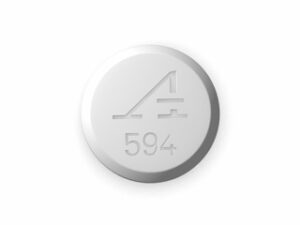


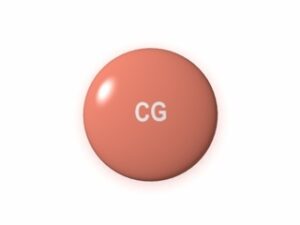
Toradol (Ketorolac) – Pain Relief Medicine (UK)
Toradol is the brand name for ketorolac, a powerful non-steroidal anti-inflammatory drug (NSAID). It is used to treat moderate to severe pain for a short period, typically when faster or stronger relief is needed than with many common painkillers.
This guide explains what Toradol is, how it works, how it behaves in the body, how it is usually taken, what to watch out for, and what alternatives may be considered in the United Kingdom.
Quick Overview
- Active ingredient: Ketorolac (NSAID)
- Common forms: Tablets and injection (exact products available may vary by supplier)
- Use for: Short-term management of moderate to severe pain
- Key caution: Higher risk of stomach, kidney and bleeding side effects compared with some other NSAIDs
- Usual duration: Limited treatment period (follow UK product information and prescriber instructions)
What Is Toradol?
Toradol (ketorolac) is an NSAID used to relieve pain by reducing inflammation and blocking pain pathways in the body. In many people, it provides strong analgesia (pain relief) within a relatively short time.
It is generally intended for short-term use. For ongoing pain conditions, other treatments may be more appropriate.
How Toradol Works (Mechanism of Action)
Ketorolac works mainly by inhibiting cyclo-oxygenase (COX) enzymes, which are involved in producing prostaglandins—chemicals that contribute to pain, inflammation, and fever.
- COX inhibition: reduces prostaglandin formation
- Reduced pain signalling: can lessen pain perception
- Anti-inflammatory effects: may reduce inflammation-related discomfort
Because it is an NSAID, Toradol’s benefits come with NSAID-related risks (for example, effects on the stomach lining and kidneys).
Pharmacokinetics: How the Body Handles Ketorolac
Pharmacokinetics describes what the body does to a medicine—absorption, distribution, metabolism, and elimination.
Absorption
When taken by mouth, ketorolac is absorbed from the gastrointestinal tract. Maximum levels in the blood are typically reached within about 1–2 hours for many immediate-release forms, though this may vary by formulation and individual factors.
Distribution
Ketorolac distributes widely in the body and has high protein binding, which can influence interactions with other medicines.
Metabolism
Ketorolac is metabolised mainly in the liver. This means that liver function and interacting medications may affect overall exposure.
Elimination
Ketorolac and its metabolites are primarily eliminated via the kidneys. Reduced kidney function can raise ketorolac levels and increase side-effect risk, which is why kidney-related safety checks are important.
Typical Use in the UK
Toradol is used for short-term relief of moderate to severe pain. It may be chosen in situations where stronger pain control is needed quickly.
Common clinical contexts (examples) include:
- Acute pain episodes where anti-inflammatory pain relief is required
- Post-operative or injury-related pain (often as part of a stepwise pain management plan)
- Brief periods of severe pain where other measures are insufficient
Important: The safest duration depends on age, kidney function, other medicines, and the specific product information. Avoid extended use unless a healthcare professional advises it.
When Does Toradol Start Working? (Timing)
The speed of pain relief can vary by individual and by whether the medicine is taken by mouth or given by injection. As a general guide for tablet forms:
- Onset: often begins within 30–60 minutes
- Peak effect: frequently around 1–2 hours
- Duration: pain relief may last several hours per dose (follow dosing guidance)
If you do not notice any improvement, or your pain worsens despite use as directed, seek medical advice rather than increasing frequency.
Food Interactions: Should You Take Toradol With Meals?
Toradol can generally be taken with or without food, but food may help reduce stomach discomfort for some people.
- With food: may be gentler on the stomach.
- On an empty stomach: may lead to faster absorption for some people, but may increase risk of gastrointestinal irritation.
Practical tip: If you have a history of indigestion or stomach ulcers, taking Toradol with a meal (or after food) may improve tolerability—while still following the dosing schedule carefully.
Alcohol and Medicine Interactions
Alcohol
Combining NSAIDs like ketorolac with alcohol can increase the risk of:
- Stomach irritation and bleeding
- Gastritis and ulcer complications
Recommendation: Avoid alcohol where possible while taking Toradol, particularly if you are also using medicines that affect blood clotting or if you have had ulcers before.
Other Medicine Interactions (Commonly Important)
Toradol can interact with other drugs. Interactions are particularly important for medicines that also affect:
- Kidney function
- Stomach protection
- Bleeding risk
- Blood pressure and fluid balance
Examples of medicines that may interact include:
- Other NSAIDs (e.g., ibuprofen, naproxen, diclofenac): increased risk of stomach bleeding and kidney problems
- Aspirin (when used for pain): increased gastrointestinal risk (low-dose aspirin prescribed for heart protection should be reviewed with your clinician)
- Anticoagulants/antiplatelets (e.g., warfarin, apixaban, rivaroxaban, clopidogrel): increased bleeding risk
- Selective serotonin reuptake inhibitors (SSRIs) (e.g., sertraline, fluoxetine): may increase gastrointestinal bleeding risk when combined with NSAIDs
- Diuretics and medicines affecting the renin-angiotensin system (ACE inhibitors/ARBs): increased risk of kidney complications in some people
- Corticosteroids (e.g., prednisolone): higher risk of gastrointestinal side effects
- Methotrexate: NSAIDs can affect methotrexate levels, potentially increasing toxicity
- Lithium: NSAIDs can increase lithium levels in the body
- Probenecid and similar agents: may raise ketorolac exposure
Important: This list is not exhaustive. Always check product information and inform a healthcare professional or pharmacist about all medicines you take, including over-the-counter products.
Indications: When Toradol Is Used
In the UK, ketorolac (Toradol) is used for the management of pain of moderate to severe intensity, usually for a limited duration.
It is generally considered when:
- Other pain relief measures are not sufficient, or
- A short, strong NSAID option is appropriate as part of a broader pain management plan.
Because ketorolac can have significant side effects, it is not typically a first-choice option for mild pain or long-term conditions.
Dosing: How Much to Take and How Often
Dosing depends on age, kidney function, and whether you are using tablets or injections. Always follow the dosing instructions provided for your specific product and situation.
Key points:
- Use the lowest effective dose for the shortest possible duration.
- Do not exceed recommended daily limits.
- Avoid combining with other NSAIDs.
Typical adult tablet dosing (general guidance)
Many ketorolac tablet regimens in product information use multiple daily doses over a limited treatment period. Your exact dose may differ, so refer to your UK pack/leaflet guidance.
Common timing approach (example concept):
- Doses are spaced to maintain pain control across the day.
- Effects may peak within 1–2 hours for tablets.
Children and adolescents
Ketorolac use is generally restricted in paediatric populations. Age eligibility and dosing must be confirmed via the product leaflet and clinical guidance.
Older adults, kidney impairment, and higher-risk groups
In people with higher risk of side effects—especially older adults and those with impaired kidney function—dose adjustments or avoidance may be recommended.
Safety Profile: What to Watch For
Like all NSAIDs, ketorolac can cause side effects. Some are mild, while others require urgent medical attention.
Common side effects
- Indigestion, stomach discomfort
- Nausea
- Dizziness
- Headache
Serious risks (seek urgent help if they occur)
NSAIDs are associated with potentially serious events. Contact emergency services or urgent medical care if you experience:
- Signs of stomach or bowel bleeding:
- Vomiting blood
- Black or tarry stools
- Severe stomach pain
- Allergic reactions:
- Swelling of face/lips
- Wheezing or difficulty breathing
- Rash or hives
- Kidney problems:
- Reduced urine output
- Sudden swelling in legs/ankles
- Unusual tiredness
- Cardiovascular concerns:
- Chest pain
- Shortness of breath
- Weakness on one side of the body
Who should take extra caution?
Tell a clinician/pharmacist if any of the following apply:
- History of stomach ulcer or GI bleeding
- History of asthma triggered by NSAIDs
- Kidney disease or dehydration
- Heart disease, high blood pressure, or stroke history
- Current use of medicines that affect bleeding or kidney function
- Age 65 or older
- Concurrent infections leading to dehydration (for example, vomiting or diarrhoea)
Practical Use Tips (Patient-Friendly)
- Follow the exact schedule: avoid taking extra doses to “catch up”.
- Stay hydrated: adequate fluid intake supports kidney function (unless your clinician has restricted fluids).
- Don’t mix NSAIDs: keep a simple pain plan and avoid overlapping products.
- Check “hidden” NSAIDs: some cold/flu medicines may include painkillers—read labels carefully.
- Take with food if your stomach is sensitive: it can improve comfort.
- Stop and seek advice if symptoms change: severe stomach pain, black stools, rash, or breathing difficulty must be treated as urgent.
Alternative Options for Pain Relief
Depending on the cause and severity of pain, alternatives may include other analgesics or non-drug approaches.
Common alternatives
- Paracetamol (acetaminophen): often suitable for mild to moderate pain, with different safety considerations to NSAIDs.
- Other NSAIDs: ibuprofen or naproxen may be options for some people, but risks can still apply.
- Topical pain relief: gels/creams (e.g., topical NSAIDs) for localised musculoskeletal pain may reduce systemic exposure.
- Non-medicine strategies: rest, heat/cold therapy, physiotherapy, stretching, and ergonomic adjustments.
Choosing the best option
The “best” alternative depends on your medical history (stomach, kidneys, heart health), the type of pain (inflammatory vs nerve pain), and current medicines.
UK Market / Legal & Guidance Context
In the United Kingdom, ketorolac is a regulated medicine. Supply and use are governed by UK medicines law and clinical guidance to support safe use, especially because of NSAID-related risks and the need for short-term treatment.
In addition, healthcare bodies and safety agencies in the UK emphasise:
- appropriate selection of NSAIDs
- limited duration for high-risk options
- awareness of interactions and contraindications
- patient counselling on warning signs (GI bleeding, allergic reactions, kidney issues)
Recent safety focus: UK and international guidance continues to highlight gastrointestinal and kidney risk with NSAIDs, along with interaction risk when NSAIDs are combined with anticoagulants, antiplatelets, steroids, or SSRIs. Using the lowest effective dose and limiting duration are consistent safety messages.
Note: Product availability, pack sizes, and brand presence can vary between suppliers. Always refer to the specific UK patient information leaflet for your product.
Delivery and Availability in the UK
Toradol (ketorolac) may be available through approved UK online pharmacy services, subject to current regulations and eligibility checks. Availability can vary depending on stock levels and the specific form (for example, tablet strength or injection availability).
- Typical dispatch: Many online pharmacies dispatch within a short timeframe once the order is confirmed.
- Delivery: Options often include standard and express delivery depending on the provider.
- Packaging: Medicines are generally dispatched in secure, discreet packaging.
Advice: If you need Toradol urgently for severe pain, check delivery cut-off times during checkout and contact the pharmacy for estimated delivery windows.
FAQ (Frequently Asked Questions)
1) What is Toradol used for?
Toradol (ketorolac) is used for the management of moderate to severe pain over a short period. It is an NSAID that helps reduce pain by blocking prostaglandin production.
2) How quickly will Toradol work?
For tablet forms, pain relief may begin within 30–60 minutes, with effects often peaking around 1–2 hours. Individual response varies.
3) Can I take Toradol on an empty stomach?
It may be possible, but taking Toradol with food can reduce the chance of stomach upset. If you experience indigestion, try taking it with meals as directed.
4) Is it safe to drink alcohol while using Toradol?
It’s best to avoid alcohol because it can increase the risk of stomach irritation and bleeding with NSAIDs.
5) Can I take Toradol with ibuprofen or aspirin?
Avoid combining ketorolac with other NSAIDs such as ibuprofen or naproxen. Taking multiple NSAIDs increases risk of serious stomach bleeding and kidney injury.
6) What if I miss a dose?
Take the next dose at the scheduled time. Do not take extra to make up for a missed dose. If you are unsure, check the patient information leaflet or ask a pharmacist.
7) How long should Toradol be used?
Toradol is intended for short-term use only. The exact duration depends on your circumstances and the UK product information. If pain persists, medical advice should be sought.
8) Who should not use Toradol?
People with certain risk factors—such as active stomach ulcers or previous GI bleeding, significant kidney problems, a history of NSAID allergy or NSAID-triggered asthma, or those on interacting medicines—may need to avoid ketorolac or use it with extra caution. Always check against the product leaflet and seek advice if unsure.
9) What are the warning signs of serious side effects?
Stop and seek urgent medical help if you notice black/tarry stools, vomiting blood, severe stomach pain, facial swelling, wheezing, trouble breathing, or signs of kidney problems such as significantly reduced urine.
10) Are there safer alternatives?
Alternatives depend on the pain type and your medical history. Options can include paracetamol, other NSAIDs (with caution), topical treatments, or non-drug approaches such as physiotherapy and heat/cold therapy. A pharmacist can help you compare suitability.
Summary
Toradol (ketorolac) is a strong NSAID used for short-term relief of moderate to severe pain. It works by reducing prostaglandins through COX inhibition, and it is cleared primarily by the kidneys. Because of its safety profile, it should be used carefully with attention to dosing limits, food tolerance, alcohol avoidance, and medicine interactions. If you have stomach, kidney, heart, or bleeding risks—or if you’re taking interacting medications—seek advice to ensure Toradol is appropriate.
Always read the patient information leaflet for your specific Toradol product and follow the instructions provided by your UK pharmacy.