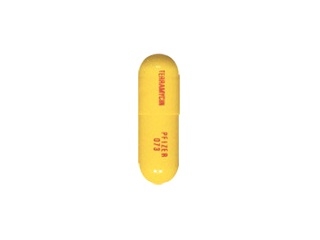


Terramycin (Oxytetracycline) – Patient Guide (UK)
Terramycin is a brand name that contains oxytetracycline, an antibiotic from the tetracycline group. It is used to treat certain bacterial infections. This guide explains how it works, how it is taken, key safety points, and practical advice for getting the best results.
Important: Medicines must be used correctly to work effectively and safely. Always read the patient information leaflet provided with your specific product and follow professional advice.
Quick overview
- Medicine: Terramycin
- Active ingredient: Oxytetracycline
- Group: Tetracycline antibiotic
- How it works: Stops bacteria from making essential proteins
- Common forms: Tablets/capsules or liquid preparations (varies by product)
- Common uses: Selected bacterial infections (see “Indications” below)
What is Terramycin?
Terramycin (oxytetracycline) is an antibiotic used to treat infections caused by susceptible bacteria. Like all antibiotics, it only works against bacteria—not viruses (so it will not help conditions like colds or most flu-like illnesses).
Different products and strengths exist, and the exact dosing may vary depending on the infection and your age/weight. Your pharmacy label will show the strength and how to take it.
How does Terramycin work? (Mechanism of action)
Oxytetracycline works by interfering with bacterial protein production. Bacteria need proteins to grow and reproduce. Oxytetracycline binds to the bacterial ribosome (the cell’s protein-building machinery), preventing the attachment of transfer RNA and stopping the formation of new proteins.
This action can be bacteriostatic (it slows bacterial growth) in many settings, allowing the immune system to clear the infection over time. The antibiotic’s effect depends on the type of bacteria and the site/severity of the infection.
Pharmacokinetics (how the body handles it)
Understanding pharmacokinetics helps explain why timing and food/mineral interactions matter.
- Absorption: Oxytetracycline is absorbed from the gut, but absorption can be reduced by binding with certain substances in food and supplements—especially calcium, magnesium, aluminium and iron.
- Distribution: It spreads through the body and can reach many tissues. Like other tetracyclines, it tends to accumulate in areas such as bone and teeth.
- Metabolism: Oxytetracycline is not extensively metabolised in the body.
- Excretion: It is mainly cleared through the kidneys (urine). Kidney function can affect exposure.
- Half-life: Elimination half-life varies between people and depends on kidney function.
Why this matters: Reduced absorption may make treatment less effective, while accumulation can increase the risk of side effects, particularly in children and people with kidney problems.
Typical use in the UK
Oxytetracycline is used for bacterial infections where the causative organism is susceptible. Uses may vary by formulation availability and local prescribing practice.
It is sometimes used when other options are unsuitable due to resistance patterns or patient factors. Antibiotic selection should always follow current clinical guidance and local bacterial resistance data.
Indications (what it is used for)
Terramycin/oxytetracycline may be used for infections caused by susceptible bacteria. Commonly considered indications include:
- Respiratory tract infections caused by susceptible organisms
- Skin and soft tissue infections
- Some sexually transmitted infections may be considered depending on susceptibility and guidance (and other treatment options)
- Eye infections in certain situations where appropriate formulations are available
- Other bacterial infections as determined by a clinician
Because antibiotic resistance changes over time, the best choice depends on the infection type, severity, likely organism, and susceptibility testing where available.
How to take Terramycin (timing and dosing)
Dosing depends on the specific infection, your age, kidney function, and the formulation. Always follow the instructions on your pharmacy label or clinician’s advice.
Typical dosing principles
- Take at evenly spaced times to maintain effective levels.
- Complete the course even if you feel better early.
- Do not skip doses and do not double up if you miss one—follow the instructions from your pharmacist or leaflet.
Common dosing frequency
Oxytetracycline regimens can vary, but it is often taken multiple times per day with consistent spacing. Your product leaflet will state the exact schedule for your strength/form.
Examples of “timing” that help absorption
- Many tetracyclines are advised to be taken with water.
- For better absorption, some people are advised to separate doses from mineral-rich meals and supplements.
- Stay upright and take with plenty of water to reduce the risk of throat/oesophageal irritation (particularly tablets).
Practical tip: If your prescriber or pharmacist recommends taking it away from food, aim for the same routine each day (e.g., morning and evening, or morning/noon/bedtime).
Dosing table (general guidance)
| Group | What to expect | Key notes |
|---|---|---|
| Adults | Typical dosing is infection-specific and may be given several times daily depending on the product strength. | Your leaflet/label will state the exact dose and timing. |
| Children | Dosing must be carefully selected by a clinician based on age and weight. | Tetracyclines may affect teeth/bone development in young children; follow professional guidance strictly. |
| Elderly | Often similar dosing to adults, but kidney function may influence suitability or dose. | Report any kidney problems to your healthcare team. |
| People with kidney impairment | May need adjustment or closer monitoring. | Tell your pharmacist/clinician if you have reduced kidney function. |
Do not use a “leftover” dose plan: Different oxytetracycline products and strengths require different schedules.
Food interactions (what to avoid and how to time meals)
Food can significantly affect absorption because oxytetracycline can bind to minerals.
Foods and drinks that may reduce absorption
- Dairy products (milk, yoghurt, cheese) due to calcium
- Iron supplements and multivitamins containing iron
- Magnesium-containing supplements (sometimes in “calcium-magnesium” products)
- Antacids or products containing aluminium or magnesium
- Some mineral-fortified drinks (e.g., certain calcium-fortified beverages)
Practical timing advice
- If possible, separate oxytetracycline from mineral-heavy meals and supplements.
- A common approach is taking it at least 2 hours before or 4–6 hours after mineral-containing products, but the exact advice may vary by leaflet and product.
- Ask your pharmacist if you are unsure how to schedule it with your specific supplements.
Always check your leaflet: instructions can differ between brands and formulations.
Alcohol and medicine interactions
Oxytetracycline does not typically have a classic “disulfiram-like” reaction with alcohol. However, alcohol can:
- Reduce your ability to recover from infection
- Worsen dehydration if you are unwell
- Increase stomach irritation in some people, potentially worsening nausea
Safer approach: Avoid or limit alcohol during treatment, especially if you have gastrointestinal side effects or feel unwell.
Interactions with other medicines (important examples)
Several medicines may interact with oxytetracycline. Tell your pharmacist or prescriber about all medicines you take, including over-the-counter products.
- Antacids containing aluminium, calcium, magnesium: may reduce absorption
- Iron, zinc, magnesium supplements: can bind oxytetracycline
- Isotretinoin or other retinoids: combination may increase risk of raised intracranial pressure (rare but serious)
- Warfarin (and other anticoagulants): antibiotics can affect bleeding risk in some people—monitoring may be needed
- Oral contraceptives: some antibiotics may rarely reduce effectiveness through altered gut flora; if you have diarrhoea/vomiting, use extra contraception and seek advice
- Penicillin-class antibiotics: in general, avoid unnecessary combinations unless advised (treatment strategy matters)
Tip: Keep an up-to-date list of your medicines and show it to your pharmacist when starting Terramycin.
Safety profile (who should be cautious)
Most people can take Terramycin safely when used correctly. However, tetracyclines have particular risks that are important to understand.
Common side effects
- Nausea
- Vomiting
- Diarrhoea
- Stomach upset or abdominal pain
- Headache
- Sensitivity to sunlight (photosensitivity)
Serious side effects – seek urgent medical advice
- Severe or persistent diarrhoea, especially with fever or blood (possible antibiotic-associated colitis)
- Allergic reactions: swelling of face/lips, difficulty breathing, widespread rash
- Signs of liver or kidney problems: yellowing skin/eyes, severe fatigue, dark urine, reduced urine output
- Severe headache with vision changes or dizziness (rare risk of raised intracranial pressure, especially with certain medicines)
- Severe skin reactions such as blistering or peeling
Special precautions
- Pregnancy and breastfeeding: tetracyclines may have risks for the developing baby/infant. Use only if advised by a clinician.
- Children: tetracyclines can affect tooth development and bone growth. Use in children should be decided carefully by healthcare professionals.
- Sun exposure: consider protecting skin with clothing and sunscreen; avoid sunbeds.
- Kidney impairment: may require caution or dose adjustment.
- History of allergic reactions to tetracyclines: do not self-start.
Practical use tips (to improve success and comfort)
- Take with plenty of water and remain upright for at least 30 minutes (helpful for tablet-related irritation).
- Use consistent timing—set reminders for each dose.
- Separate from minerals (milk, antacids, iron, magnesium, zinc) as directed.
- Watch hydration: if you develop diarrhoea or vomiting, seek advice promptly.
- Protect from sun: if you get sun-sensitive reactions, reduce exposure and use SPF.
- Don’t share antibiotics: effectiveness depends on the specific infection.
- Finish the course unless advised to stop early.
What if you miss a dose?
If you miss a dose, follow the advice in your leaflet or from your pharmacist. In general:
- Take it as soon as you remember unless it is close to the time of the next dose.
- If it is almost time for the next dose, skip the missed dose—do not double.
If you are unsure, ask a pharmacist for guidance based on your specific schedule.
Alternative options
Depending on the infection and local resistance patterns, alternatives may include other antibiotics (or different treatment strategies altogether). Possible alternatives to tetracyclines might include:
- Penicillins (e.g., amoxicillin/flucloxacillin where appropriate)
- Cephalosporins
- Macrolides (e.g., azithromycin/clarithromycin for selected infections)
- Clindamycin for specific bacterial infections
- Others based on culture/susceptibility and clinical judgement
Why alternatives matter: Antibiotics are selected based on the likely bacteria, infection site, severity, allergies, age, and potential interactions.
Terramycin in the UK: market and legal context
In the United Kingdom, antibiotic availability and classification (for example, pharmacy-only vs. other supply routes) can vary by formulation, strength, and current regulations. Supply is generally guided by:
- National and local antimicrobial stewardship policies
- Regulatory classification set by the Medicines and Healthcare products Regulatory Agency (MHRA)
- Clinical guidance from bodies such as the NHS and professional organisations
- Safety considerations, particularly for tetracyclines in children and during pregnancy
Availability may also change due to manufacturing, supply chain, or product reclassification. Your pharmacy can advise on the current availability of your chosen strength and form.
Important note: If you are taking oxytetracycline for a condition commonly treated with other antibiotics in current UK guidance, clinicians will select the most appropriate agent considering susceptibility and safety.
Recent UK guidance (antibiotic stewardship)
Across the UK, antibiotic use is increasingly guided by antimicrobial stewardship—encouraging:
- Using antibiotics only when needed (and when bacterial infection is likely)
- Choosing narrow-spectrum options when appropriate
- Using the correct dose and duration to reduce resistance risk
- Reviewing treatment if symptoms do not improve
If your symptoms worsen, do not improve within the expected timeframe, or you develop new symptoms, seek medical advice promptly.
Delivery and availability (online pharmacy)
Terramycin availability can depend on the specific strength and formulation in stock. When ordering from an online UK pharmacy:
- Check stock status for your chosen item and quantity.
- Delivery times are typically shown at checkout and may vary by area.
- Packaging is usually designed to protect tablets/capsules and keep your medicine secure.
- Cold-chain requirements are not usually needed for oxytetracycline products, but follow label instructions.
If you need help choosing the correct product form (tablets vs liquid) or strength, you can ask customer support or a pharmacist.
Storage
- Store in the original package.
- Keep out of sight and reach of children.
- Store at the temperature stated on the label (commonly below 25°C unless otherwise specified).
- Keep away from excess heat and direct sunlight.
FAQ
1) Is Terramycin the same as oxytetracycline?
Yes. Terramycin is a brand that contains oxytetracycline.
2) How long will it take to start working?
Many people begin to notice improvement within 24 to 72 hours, depending on the infection and severity. If you do not feel better after the expected timeframe—or if symptoms worsen—contact a healthcare professional.
3) Can I take it with milk?
Milk and other dairy products can reduce absorption because of calcium. For best results, follow the leaflet advice and separate the dose from dairy and mineral supplements as directed by your pharmacist.
4) Can I drink alcohol while taking Terramycin?
Moderate alcohol may not directly interact in a dangerous way for everyone, but alcohol can worsen how you feel and may increase stomach irritation. It’s usually best to limit alcohol during treatment.
5) What should I do if I get diarrhoea?
Mild diarrhoea can occur. However, seek urgent advice if diarrhoea is severe, persistent, watery with fever, or contains blood, as this could indicate a serious antibiotic-associated condition.
6) Will Terramycin treat viral infections like colds or flu?
No. Antibiotics treat bacterial infections. Colds and most flu symptoms are caused by viruses.
7) Are there people who should avoid tetracyclines?
Tetracyclines require extra caution in young children, pregnancy, and people with certain medical conditions (e.g., kidney problems). Discuss suitability with a pharmacist or clinician.
8) Can I take vitamin supplements or antacids with it?
Many supplements and antacids contain minerals (calcium, magnesium, aluminium, iron, zinc) that can interfere with absorption. You may need to separate timing—ask your pharmacist for specific instructions.
9) What if I’m taking warfarin or other blood-thinners?
Some antibiotics can affect bleeding risk. If you take warfarin or similar medicines, ask your pharmacist whether monitoring is required.
10) What should I do with leftover tablets?
Follow local guidance for safe disposal. Do not keep leftover antibiotics for future use.
Summary
Terramycin (oxytetracycline) is a tetracycline antibiotic that works by blocking bacterial protein synthesis. Successful treatment relies on taking it at the right times, separating it from minerals (like calcium and iron), and completing the full course as directed. Pay close attention to side effects—especially severe diarrhoea, allergic reactions, or unusual symptoms—and contact a healthcare professional if you are concerned.