
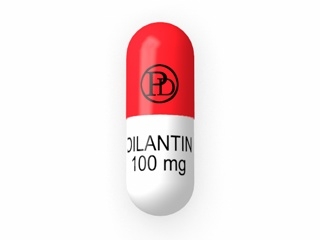

Dilantin (Phenytoin) — Patient Information Guide (UK)
Dilantin is the brand name of phenytoin, an anti-epileptic medicine used to control certain types of seizures. This guide explains what Dilantin is, how it works, how it is used, and what to consider for safe day-to-day use. It is written for people in the United Kingdom and reflects common clinical practice and pharmacy information.
| Product name | Dilantin |
|---|---|
| Active ingredient | Phenytoin |
| Medicinal group | Anti-epileptic (anticonvulsant) |
| Common forms | Capsules/tablets and other phenytoin formulations (availability may vary) |
| How it is taken | Usually by mouth, once or more daily depending on the formulation |
| Key safety points | Requires careful monitoring; interactions are common |
Basic product information
Phenytoin belongs to a class of medicines used to prevent seizures. Dilantin has been used for many years and remains an important option for certain epilepsy types, particularly where effective seizure control can be achieved with appropriate dose monitoring.
Because phenytoin levels in the body can change with dose, formulation, and interactions with other medicines, prescribers commonly monitor blood concentrations in some situations (for example, after dose changes or when starting or stopping interacting medicines).
How Dilantin works (mechanism of action)
Phenytoin helps stabilise nerve activity in the brain. It primarily works by:
- Blocking voltage-gated sodium channels in nerve cells, which reduces rapid, repetitive firing that can lead to seizures.
- Reducing the ability of neurons to develop and spread abnormal electrical activity.
The result is fewer or less severe seizures for many people, although individual response varies.
Pharmacokinetics (how the body processes phenytoin)
Understanding pharmacokinetics can help explain why monitoring and consistent dosing matter.
- Absorption: Phenytoin is absorbed from the gut after oral intake. Absorption may be influenced by formulation.
- Distribution: It is widely distributed and binds strongly to plasma proteins (especially albumin). In some conditions that reduce albumin or change protein binding, free (active) drug levels may differ from total levels.
- Metabolism: Phenytoin is mainly metabolised in the liver by enzymes (notably CYP2C9 and CYP2C19).
- Non-linear (saturable) kinetics: Small dose changes can sometimes produce disproportionate changes in blood levels. This is a major reason why careful dose adjustment is important.
- Elimination: Metabolites are eliminated mainly via the kidneys. The effective half-life can vary substantially between people and with levels.
Practical implication: If you change the dose, start interacting medicines, or switch formulations, blood levels and seizure control may change. Your healthcare team may check levels to keep treatment in a safe, effective range.
Typical uses and indications in epilepsy
In the UK, phenytoin is used to treat certain seizure disorders. It may be used when seizures are due to abnormal electrical activity and where benefits outweigh risks.
Common indications may include:
- Focal seizures (with or without impaired awareness), depending on clinical judgement.
- Generalised tonic-clonic seizures in some patients.
- Status epilepticus in acute care settings (phenytoin may be given intravenously in hospital environments).
Which type of seizure you have, your age, other medical conditions, and previous treatment history all influence whether phenytoin is considered appropriate.
How to take Dilantin: timing and routine
Always follow the instructions provided with your medicine by your healthcare team or pharmacist.
Timing tips:
- Take at the same times each day to maintain steadier levels.
- Use a consistent schedule (for example, morning/evening) unless advised otherwise.
- Do not abruptly stop phenytoin. Stopping suddenly can increase the risk of seizures.
What to do if you miss a dose:
- If you miss a dose, take it when you remember if it is reasonably close to the scheduled time.
- If it is near the time of the next dose, skip the missed dose and continue as normal.
- Do not take double the dose to make up for a missed one.
If you are unsure, ask a pharmacist for advice based on your exact dosing schedule and formulation.
Food interactions (and taking with food)
Phenytoin absorption can be affected by food and timing, though effects may vary between formulations. To make dosing more predictable:
- Try to take Dilantin consistently with regard to meals (for example, always with food or always on an empty stomach), unless your clinician or pharmacist advises otherwise.
- If you experience stomach upset, take it with food (unless told not to), but keep timing consistent.
General guidance: If you need to change how you take it (for example, due to nausea), discuss with your pharmacist to understand the potential effect on absorption.
Alcohol and medicine interactions
Alcohol can affect seizure threshold and can also increase the risk of side effects such as dizziness, drowsiness, and impaired coordination. Therefore:
- Avoid or minimise alcohol while taking phenytoin, especially when starting treatment or after dose changes.
- Do not drive or operate machinery if you feel unwell, dizzy, or drowsy.
In addition to alcohol, phenytoin interacts with many medicines. These interactions can increase or decrease phenytoin levels and may affect seizure control or toxicity risk.
Important medicine interactions (examples)
The following are examples of medicines that may interact with phenytoin. Your pharmacist can check your current medicines for interactions:
- Antiepileptic medicines (for example, levetiracetam, carbamazepine, valproate, lamotrigine) — some increase phenytoin levels; others may be affected.
- Warfarin — can require closer monitoring of clotting (INR).
- Oral contraceptives — phenytoin may reduce effectiveness of hormonal contraception for some preparations.
- Antibiotics — certain antibiotics may alter phenytoin metabolism.
- Antifungals — some affect liver enzymes and can change phenytoin levels.
- Heart and blood-pressure medicines — interactions are possible.
- Medicines for stomach acid — some can influence absorption indirectly.
- Medicines that affect liver enzymes — many drugs that induce or inhibit CYP enzymes may change phenytoin levels.
Always check before starting new medicines, including over-the-counter products and herbal remedies. St John’s wort is a well-known enzyme inducer and may reduce phenytoin levels.
Safety profile and what to watch for
Like all medicines, Dilantin/phenytoin can cause side effects. Many are more likely when phenytoin blood levels are too high. Because phenytoin has non-linear kinetics, toxicity can occur even with small changes in dose or due to interactions.
Common or possible side effects
- Dizziness, unsteadiness
- Nausea, vomiting, abdominal discomfort
- Headache
- Sleepiness or fatigue
- Tremor
- Changes in vision (blurred vision/double vision)
Signs of phenytoin toxicity (seek urgent advice if severe)
Contact a healthcare professional promptly if you develop concerning symptoms such as:
- Severe unsteadiness or difficulty walking
- Marked drowsiness or confusion
- Persistent vomiting
- New or worsening double vision
- Any sudden severe illness
Serious risks (discuss with your clinician)
Some rare but serious reactions can occur with antiepileptic drugs, including phenytoin. Seek urgent medical attention for symptoms such as:
- Signs of a serious skin reaction (rash with blistering, peeling, or sores)
- Swelling of the face or difficulty breathing
- Severe fever, sore throat, or widespread rash
It is important to seek immediate help if you suspect a serious allergic or hypersensitivity reaction.
Practical use tips for everyday life
- Keep a consistent routine for dose times and meal timing.
- Use a pill organiser if it helps, but ensure it matches your prescribed regimen and formulation.
- Do not switch brands or formulations without checking with your pharmacist. Even when active ingredient is the same, release characteristics may differ, affecting blood levels.
- Keep track of side effects and seizure frequency. Bring this information to appointments.
- Stay hydrated and maintain good nutrition, especially if you experience gastrointestinal upset.
- Alcohol caution: avoid binge drinking and limit intake where possible.
- Medication review: ask your pharmacist to review all prescription, over-the-counter, and herbal products you use.
Monitoring (blood tests and clinical follow-up)
Your healthcare team may monitor phenytoin levels and safety markers. Monitoring is especially common when:
- Starting phenytoin or adjusting dose
- Seizure control changes or side effects occur
- Another interacting medicine is started or stopped
- You have changes in liver function, kidney function, or protein levels (e.g., low albumin)
If blood tests are requested, attend the test as scheduled. Lab results help guide safe and effective dosing.
Dosing: general principles (individualised)
Dosing of phenytoin is individualised. The “right” dose depends on seizure type, age, response, and blood levels due to the drug’s non-linear pharmacokinetics.
General points commonly used in practice:
- Start low and titrate (gradually) to reduce side effects and reach the intended effect.
- Adjust carefully: small dose changes can lead to noticeable blood level changes.
- Follow your prescriber’s instructions precisely and do not alter the schedule independently.
In hospital or acute situations (for example, status epilepticus), dosing may be given intravenously under close supervision. For home use, dosing schedules are typically oral and tailored to the specific formulation.
Important: Because phenytoin dosing is complex, this information is not a substitute for personalised instructions. Your pharmacist can confirm the dose strength, schedule, and how to take your specific product.
Absence of “food-only” interactions: staying consistent
Although food interactions can occur, the key long-term strategy is often consistency—taking the medicine in a similar way each day so absorption is predictable.
If you need to change diet, meal times, or you have gastrointestinal illness, speak to a pharmacist. Illness can also change how your body absorbs and processes medicines.
Alternative options for epilepsy treatment (discuss with your clinician)
Phenytoin is one option among several anti-epileptic medicines. Alternatives depend on seizure type, age, pregnancy potential, comorbidities, and whether you have tried other drugs previously.
Examples of other anti-epileptic medicines (not an exhaustive list) include:
- Levetiracetam
- Lamotrigine
- Valproate (where appropriate and with careful considerations)
- Carbamazepine
- Oxcarbazepine
- Topiramate
- Zonisamide
- Phenobarbital (in some cases)
Your clinician will choose the most suitable option for your seizure pattern and safety profile. Do not stop phenytoin or start an alternative without medical guidance.
United Kingdom market and legal context (what to expect)
In the UK, anti-epileptic medicines are regulated and dispensed according to legal requirements and local prescribing practices. Availability can vary by formulation due to supply chain issues and manufacturing schedules.
Some patients may encounter periods where a specific brand or strength is temporarily unavailable. In such cases, pharmacists and clinicians may consider:
- Alternative strengths or packs
- Switching to a different phenytoin formulation if clinically appropriate
- Reviewing therapeutic drug monitoring needs after any change
Recent guidance and common clinical focus (UK practice): Current emphasis in epilepsy care generally includes maintaining consistent seizure control, avoiding avoidable formulation switches, using therapeutic drug monitoring when appropriate, and performing regular medication reviews to minimise interaction-related fluctuations.
Delivery and availability (online pharmacy considerations)
Availability for Dilantin/phenytoin can vary by region and stock levels. When you order online:
- You may see estimated delivery times at checkout.
- Delays can occur during periods of increased demand or supply disruption.
- Packaging and labelling will match the dispensed product in line with UK pharmacy regulations.
If your order is not immediately available, the pharmacy may contact you about suitable alternatives or expected restock dates, depending on the product and local supply arrangements.
Cold chain: Dilantin is not typically a medicine requiring cold storage for home delivery, but always follow the storage instructions on the label or patient information leaflet.
FAQ
1) Is Dilantin the same as phenytoin?
Yes. Dilantin is a brand name that contains phenytoin as the active ingredient.
2) Why do I need blood tests with phenytoin?
Phenytoin blood levels can change markedly with dose changes and some interactions. Monitoring helps ensure levels remain in a safe and effective range and helps explain side effects or reduced seizure control.
3) Can I stop Dilantin if my seizures improve?
Do not stop phenytoin suddenly. If a change is considered, it should be done under clinical supervision with a carefully planned taper to reduce the risk of seizure recurrence.
4) What should I do if I miss a dose?
If you remember soon after, take it. If it is close to the next scheduled dose, skip the missed dose and continue normally. Do not take a double dose.
5) Does Dilantin interact with other medicines?
Yes, phenytoin has many potential interactions. Always check with a pharmacist before starting, stopping, or changing any medicines, including over-the-counter products and herbal remedies.
6) Can I drink alcohol while taking Dilantin?
It is generally recommended to avoid or minimise alcohol, as it may increase side effects and may affect seizure control.
7) Should I take Dilantin with food?
Consistency is important. Some people find taking with food reduces stomach upset. Keep your approach consistent unless advised otherwise by a healthcare professional.
8) What side effects are most concerning?
New or worsening dizziness, unsteadiness, severe drowsiness, confusion, or vision changes may indicate phenytoin toxicity—contact a healthcare professional promptly. Seek urgent help for signs of serious rash, breathing difficulties, or severe illness.
9) Can phenytoin be used in pregnancy?
Epilepsy treatment during pregnancy requires careful planning. Phenytoin may be considered in some cases, but risks and benefits must be reviewed with your specialist. If you are planning pregnancy or suspect you might be pregnant, contact your clinician urgently for advice.
10) What if Dilantin is out of stock?
Availability can vary. A pharmacist may offer suitable alternatives such as different strengths or formulations. If switching is necessary, therapeutic drug monitoring and extra caution may be recommended.
Storage and safe handling
- Store according to the instructions on the packaging (typically at room temperature, away from excess heat and moisture).
- Keep out of sight and reach of children.
- Do not use after the expiry date shown on the pack.
- Return unused medicines to a pharmacy for safe disposal where available (do not flush unless instructed).
When to seek urgent medical help
Seek urgent advice if you experience:
- Prolonged seizures or seizures that do not stop
- Signs of a serious allergic reaction (swelling of face/lips, difficulty breathing)
- Severe rash, blistering, or widespread skin symptoms
- Severe confusion, marked unsteadiness, or persistent vomiting
If you have an emergency, call 999 in the UK or contact local emergency services.
Remember: Dilantin (phenytoin) can be highly effective when taken correctly, but it requires consistent dosing and attention to interactions. If you have questions about your specific product, schedule, or potential interactions, your pharmacist is best placed to help.