

Voltarol (Diclofenac) – Patient Information
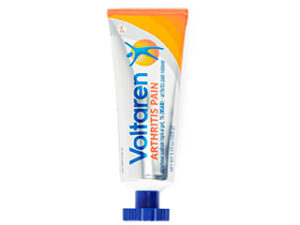
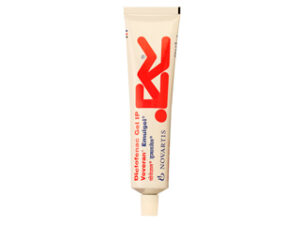
Voltarol is a brand of diclofenac, a medicine used to relieve pain and reduce inflammation. It belongs to a group of medicines called NSAIDs (non-steroidal anti-inflammatory drugs). In the UK, Voltarol products are available in different forms, including gels/creams and oral preparations, depending on strength and availability.
This guide explains how diclofenac works, how it behaves in the body, typical uses, dosing considerations, important safety information, and practical tips for getting the best results. It is written for patient-friendly understanding and is suitable for an online pharmacy context in the United Kingdom.
Basic product information
| Category | Details |
|---|---|
| Brand name | Voltarol |
| Active ingredient | Diclofenac |
| Medicine type | NSAID (anti-inflammatory pain-reliever) |
| Common forms (UK) | Topical gels/creams; oral tablets/capsules where applicable |
| What it helps with | Pain and inflammation (e.g., sprains, muscle/joint pain, arthritis symptoms) |
Note: Specific strength, dosing frequency, and product suitability depend on the exact Voltarol formulation you buy. Always check the package leaflet and product label for your specific product.
How diclofenac works (mechanism of action)
Diclofenac helps relieve pain and inflammation by blocking the production of chemical messengers called prostaglandins. Prostaglandins are involved in:
- Inflammation (swelling and redness)
- Pain signalling (sensitivity and discomfort)
- Fever response (though Voltarol is used mainly for pain and inflammation)
Diclofenac inhibits enzymes called COX-1 and COX-2 (cyclo-oxygenase). This reduces prostaglandin formation, which in turn can reduce pain, stiffness, and swelling—especially in muscles, joints, and soft tissues.
Pharmacokinetics: what happens in the body
Pharmacokinetics describes how the body absorbs, distributes, metabolises, and eliminates a medicine.
- Absorption: Absorption varies by formulation.
- Topical diclofenac (gel/cream): Less medicine enters the bloodstream compared with oral forms, helping reduce whole-body exposure.
- Oral diclofenac: Diclofenac is absorbed through the digestive system.
- Distribution: Diclofenac can distribute into body tissues; in inflammatory conditions it can concentrate around affected tissues.
- Metabolism: Diclofenac is mainly processed in the liver to form metabolites.
- Elimination: Metabolites are mainly cleared via the kidneys and also via bile/intestinal route depending on the metabolite profile.
- Half-life: The time taken for blood levels to reduce by half differs by formulation and patient factors; oral dosing schedules are designed to maintain symptom relief.
If you have kidney or liver conditions, the way diclofenac is handled by the body may differ—your clinician or pharmacist may advise caution or alternative options.
Typical uses and indications
Voltarol (diclofenac) is used to relieve pain and inflammation associated with conditions such as:
- Musculoskeletal pain including sprains, strains, and back pain (depending on formulation and suitability)
- Joint and tendon pain, including osteoarthritis flare-ups
- Rheumatic or inflammatory conditions where appropriate
- Localized pain and inflammation for topical products
Important: Indications depend on the specific product. For example, topical diclofenac is typically used for local aches and pains (e.g., joints such as hands or knees) and may be chosen to reduce systemic exposure.
When to take it (timing and duration)
Timing depends on your symptoms and the exact Voltarol formulation:
- Topical gel/cream: Usually applied a small amount to clean, dry, unbroken skin over the painful area, often up to a few times daily (follow the label). Apply at regular times to maintain relief.
- Oral preparations: Often taken at intervals during the day to maintain pain control (follow the label and product leaflet).
General guidance:
- Use the lowest effective dose for the shortest duration needed.
- If your symptoms do not improve within the advised timeframe on the package, seek advice from a pharmacist or clinician.
- Do not use diclofenac products alongside other NSAIDs unless specifically advised.
Dosing: what patients commonly need to know
Dosing must be based on the specific product (strength and form), your age, and your medical history (especially stomach, kidney, heart, and liver risk).
Because Voltarol comes in different formulations, please follow the label instructions for your exact product. Below are common patient-friendly principles rather than a one-size-fits-all schedule.
Topical diclofenac (gel/cream)
- Apply only to the affected area as directed.
- Use the specified amount (often described as “a measured amount” such as a strip length) and avoid applying more than recommended.
- Wash hands after applying unless treating the hands.
- Avoid contact with eyes, mouth, and broken skin.
- Do not cover with tight bandages or occlusive dressings unless directed.
Oral diclofenac (tablets/capsules where available)
- Take with water unless the leaflet states otherwise.
- Swallow tablets/capsules whole if they are not designed to be split or crushed.
- Follow the dosing interval and maximum daily dose stated on the package.
Special situations:
- Older adults may be more prone to side effects such as stomach irritation.
- If you have kidney disease, liver disease, or a history of stomach ulcers, ask a pharmacist for advice before using oral diclofenac.
- Children’s use depends on product type and strength—only use if appropriate for age as stated on the product.
Food interactions
Food can affect how quickly and safely diclofenac is absorbed, particularly for oral formulations.
- Oral diclofenac: Taking diclofenac with food or after food may help reduce stomach irritation.
- Topical diclofenac: Food interactions are usually less relevant because less diclofenac enters the bloodstream.
If you feel stomach discomfort, nausea, or heartburn while taking oral diclofenac, speak to a pharmacist. They may suggest whether taking with food or switching to a topical option could be safer.
Alcohol and medicine interactions
Alcohol
Regular or heavy alcohol use may increase the risk of stomach bleeding and can worsen gastrointestinal side effects from NSAIDs.
Practical advice:
- Try to keep alcohol intake modest while using diclofenac.
- Avoid binge drinking, especially when taking oral diclofenac.
Other medicine interactions (important)
Diclofenac may interact with several medicine types. Please consult a pharmacist if you take any of the following:
- Other NSAIDs (e.g., ibuprofen, naproxen, aspirin for pain relief): increase risk of stomach bleeding and kidney problems.
- Anticoagulants (e.g., warfarin) or medicines that thin the blood: increases bleeding risk.
- Antiplatelets (e.g., clopidogrel): may raise bleeding risk.
- Corticosteroids (e.g., prednisolone): increased risk of stomach irritation/ulceration.
- SSRIs/SNRIs (some antidepressants): may increase gastrointestinal bleeding risk.
- Diuretics (water tablets) and medicines affecting kidney function: may affect kidney safety when combined with NSAIDs.
- ACE inhibitors/ARBs (for blood pressure/heart conditions): combination with NSAIDs can affect kidney function.
- Lithium or methotrexate: NSAIDs may raise levels in the body.
- Digoxin: may increase digoxin levels in some cases.
Always check: If you’re taking medicines regularly, it’s wise to check interactions with a pharmacist or to read the leaflet section titled “Interactions” for your specific product.
Safety profile: what you should know
Like all medicines, diclofenac can cause side effects. Many people tolerate it well when used correctly, but certain risks are important—especially with long-term use or oral NSAIDs.
Common side effects
- Topical: skin irritation, redness, itching, rash at the application site
- Oral: indigestion, heartburn, nausea, stomach discomfort
Serious side effects (seek urgent medical help)
Get urgent advice if you experience:
- Signs of an allergic reaction: swelling of face/lips, wheezing, severe rash, difficulty breathing
- Stomach bleeding: vomiting blood or material like coffee grounds, black/tarry stools
- Severe abdominal pain or persistent vomiting
- Chest pain, sudden weakness, trouble speaking, or breathlessness (possible cardiovascular emergency)
- Reduced urination or signs of kidney problems
- Yellowing of the skin/eyes (jaundice) or severe fatigue (possible liver issue)
Who should be extra careful?
Diclofenac may not be suitable, or may require extra caution, if you have:
- A current or past stomach ulcer or history of gastrointestinal bleeding
- Known heart disease, history of stroke, or significant cardiovascular risk factors
- Kidney impairment or dehydration
- Asthma triggered by NSAIDs
- Liver disease
- A history of serious allergic reactions to NSAIDs
Pregnancy and breastfeeding: NSAIDs are generally avoided at certain stages of pregnancy. If you are pregnant, trying to conceive, or breastfeeding, seek advice from a pharmacist or clinician before use.
Practical use tips (how to get the best results)
- Use correctly: Follow the leaflet directions carefully—especially the amount and frequency for topical gels.
- Be gentle on skin: Apply to intact skin only. If the area is cut, infected, or severely irritated, avoid applying until healed.
- Do not combine multiple diclofenac products: For example, avoid using two diclofenac-containing items at once unless advised.
- Protect the treated area: Avoid direct sunlight on treated skin if instructed on the packaging (topical medicines can sometimes increase light sensitivity).
- Hand hygiene: Wash hands thoroughly after applying unless treating the hands.
- Stop and seek advice if symptoms worsen: Increasing pain, swelling, fever, or new symptoms may indicate a different problem that requires review.
- Combine with safe measures: For minor musculoskeletal injuries, gentle movement, supportive footwear, and heat/cold packs may help alongside medication.
Alternative options
If Voltarol (diclofenac) is not suitable or you want alternatives, options may include:
- Other topical NSAIDs (depending on availability and suitability)
- Topical analgesics or supportive therapies for local pain
- Paracetamol (may help pain, but does not reduce inflammation like NSAIDs)
- Physical measures: physiotherapy exercises, stretching, strengthening, or posture changes
- Non-drug approaches: rest from aggravating activity, ergonomic adjustments, and weight management where relevant
For recurring or severe pain: It’s important to assess the underlying cause rather than relying solely on pain relief.
UK market and legal context
In the United Kingdom, diclofenac products are supplied according to UK medicines legislation and classification rules. Availability can differ between formulations (topical vs oral), pack sizes, and strengths.
Local pharmacy supply may include:
- Pharmacy-only or general sale depending on product classification
- Customer guidance through professional assessment by pharmacists where required
As part of wider UK safety monitoring, NSAID medicines—including diclofenac—continue to have guidance on safe use, especially regarding gastrointestinal and cardiovascular risks.
Recent guidance and safety updates (general)
While product-specific updates can vary, UK medicines safety messaging for NSAIDs commonly emphasises:
- Lowest effective dose for the shortest possible duration
- Reviewing whether NSAID use is appropriate in people at higher risk of stomach bleeding, kidney problems, or cardiovascular events
- Avoiding duplication with other NSAIDs
- Checking interactions with blood-thinning medicines, corticosteroids, certain antidepressants, and blood pressure/diuretic medicines
For the most current information, always refer to the package leaflet for your exact Voltarol product and, when needed, consult a pharmacist.
Delivery and availability in the UK
Voltarol (diclofenac) is widely available through UK pharmacies and reputable online pharmacies, subject to product classification and current regulations.
Typical online ordering experience:
- In-stock delivery: Many retailers dispatch orders quickly when stock is available.
- Packaging and privacy: Medicines are typically dispatched with standard pharmacy packaging.
- Tracking: Delivery tracking may be provided depending on the retailer’s service level.
Availability may vary by formulation (topical vs oral), strength, and pack size. If your preferred product is temporarily unavailable, the pharmacist may suggest an appropriate alternative.
FAQ – Frequently asked questions
Is Voltarol the same as diclofenac?
Voltarol is a brand name. The active ingredient in Voltarol is diclofenac. Different Voltarol products may have different forms (e.g., gel/cream vs oral tablets), strengths, and dosing instructions.
Can I use Voltarol with other painkillers?
Be careful. Avoid combining with other NSAIDs (like ibuprofen or naproxen) unless a pharmacist advises it. Paracetamol is often used for pain relief when appropriate, but check your product leaflet and ask if you are unsure—especially if you have liver problems or drink alcohol heavily.
What’s the difference between topical and oral diclofenac?
Topical diclofenac (gel/cream) is applied to the painful area and results in lower whole-body exposure. Oral diclofenac works systemically but generally carries a greater risk of whole-body side effects such as stomach irritation and, in some people, kidney or cardiovascular risks.
How quickly will it work?
Some people notice relief within hours of using diclofenac, particularly topical products. For joint conditions, improvement may take a few days of regular use. If there is no improvement, seek advice.
Should I apply gel more often if pain is strong?
No—do not exceed the recommended frequency or amount. Using more than directed increases the risk of side effects. If pain persists or worsens, consult a pharmacist.
Can I drink alcohol while using Voltarol?
Occasional small amounts of alcohol may be compatible, but alcohol can increase the risk of stomach problems—especially with oral diclofenac. Avoid heavy or binge drinking. If you have a history of ulcers or bleeding, ask a pharmacist for tailored advice.
Can Voltarol be used on broken or infected skin?
No. Apply only to intact skin unless your specific product leaflet states otherwise. Avoid eyes and mucous membranes.
Is diclofenac safe for everyone?
Not necessarily. Diclofenac may be unsuitable for some people, including those with certain stomach ulcer risks, kidney issues, heart disease, NSAID-related asthma, or a history of serious allergic reactions. If you have risk factors or take other regular medicines, ask a pharmacist before use.
When should I stop using and get help?
Stop and seek urgent medical advice if you experience signs of allergic reaction, stomach bleeding (e.g., black stools or vomiting blood), severe abdominal pain, chest pain, sudden weakness, or symptoms suggesting kidney or liver problems.
What if I miss a dose?
If you miss a dose, apply/take it when you remember unless it’s close to the next dose. Do not use double amounts. Follow the specific advice in your product leaflet.
Summary
Voltarol (diclofenac) is an NSAID medicine used to relieve pain and inflammation from musculoskeletal conditions and joint problems. Topical products can be a useful option for localised aches with lower systemic exposure, while oral forms can provide broader symptom relief but require careful attention to stomach, kidney, and cardiovascular safety. Always follow the product label, avoid duplication with other NSAIDs, and seek professional advice if you have risk factors or are unsure about interactions.