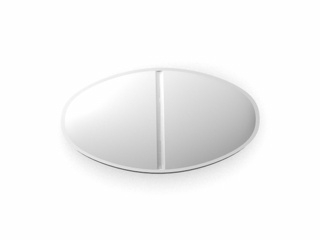
Uniphyl Cr (Theophylline) – Extended-Release Tablets
Uniphyl Cr contains theophylline, a medicine used to help open the airways and make breathing easier. It is formulated as extended-release (often described as “cr” tablets), designed to release the medicine steadily over time. This page explains how Uniphyl Cr works, how it’s usually taken, key safety information, and what to consider regarding food, alcohol, and other medicines.
Basic product information
- Active ingredient: Theophylline
- Product name: Uniphyl Cr
- Dosage form: Extended-release tablets (cr)
- Typical role in therapy: Long-term maintenance treatment for airway disease
- How it works: Relaxes airway muscles and helps improve airflow
In the UK, theophylline-containing medicines are used in selected people with chronic respiratory conditions. Uniphyl Cr is designed for regular use rather than quick relief of sudden breathlessness.
What Uniphyl Cr is for (indications)
Theophylline is used to manage symptoms in certain people with chronic lung conditions. Common reasons a clinician may choose a theophylline medicine include:
- Asthma (often as add-on therapy in people whose symptoms are not fully controlled with inhaled treatments)
- Chronic obstructive pulmonary disease (COPD) in selected patients
- Reversible airway obstruction where a long-term bronchodilator effect is needed
Individual suitability depends on your breathing pattern, current medicines, and risk of side effects. Theophylline has a narrow therapeutic range, meaning the difference between effective and potentially harmful doses can be relatively small.
How Uniphyl Cr works (mechanism of action)
Theophylline helps the airways by affecting several pathways:
- Bronchodilation: It relaxes smooth muscle in the bronchial walls, helping to widen the airways.
- Anti-inflammatory effects (modest): It can influence inflammatory signalling, which may contribute to symptom control.
- Improved airflow and symptom relief: By improving airway calibre, it can reduce wheeze, breathlessness, and chest tightness for some people.
- Phosphodiesterase (PDE) inhibition: Theophylline inhibits PDE enzymes, leading to increased intracellular signalling that relaxes airway smooth muscle.
Importantly, Uniphyl Cr is an extended-release product meant to maintain benefit over the day and night, rather than provide immediate “rescue” relief during acute attacks.
Pharmacokinetics (how the body handles the medicine)
Pharmacokinetics describes absorption, distribution, metabolism, and elimination—how the body processes theophylline. Understanding these features helps explain why theophylline interactions and dosing timing matter.
- Absorption: Uniphyl Cr releases theophylline gradually. Peak levels generally occur after the tablet has had time to release the medicine. Exact timing can vary between individuals.
- Distribution: Theophylline distributes throughout body tissues. A portion binds to blood proteins, and binding can change with illness and other medicines.
- Metabolism: Theophylline is mainly metabolised in the liver, influenced by the activity of liver enzymes (notably CYP pathways). Certain medicines and smoking status can change how quickly the body clears the drug.
- Elimination: Clearance can be slower in some situations (for example, severe liver disease, certain heart conditions, or older age). Reduced clearance can increase the risk of side effects.
- Narrow therapeutic range: Too little may be ineffective; too much can cause significant toxicity. Monitoring may be considered by your healthcare team in some circumstances.
Typical use and timing
Uniphyl Cr is usually taken as a regular daily medicine to help prevent symptoms and maintain airway control. Because it is extended-release, timing and consistency are important.
- When to take: Follow the dosing schedule given to you. Many regimens are taken once or twice daily depending on the tablet strength and your individual needs.
- Consistency: Take it at similar times each day.
- Missed dose: If you miss a dose, take it when you remember unless it is close to the next dose. Do not take a double dose.
- Tablet handling: Do not crush or break extended-release tablets unless specifically instructed, as this can change release and increase side effects.
How to take Uniphyl Cr (practical guidance)
To help Uniphyl Cr work as intended:
- Swallow whole with water.
- Do not chew or crush the tablets.
- Keep to the prescribed schedule so blood levels stay in a safer range.
- Inform healthcare professionals (GP, respiratory nurse, pharmacist) about all medicines and supplements you use, including herbal products.
- Watch for early side effects (see Safety section), particularly when starting or changing dose.
Food interactions
Food can affect how theophylline is absorbed and therefore how quickly levels rise. While some people can take the medicine with food, others may see differences in absorption depending on diet.
General tips
- Be consistent: Try to take Uniphyl Cr the same way each day (for example, always after food, or always with a light snack—depending on how you were advised).
- High-protein or carbohydrate patterns: Large changes in meal timing or portion size may affect tolerability for some people. If you notice changes in side effects, discuss them with a pharmacist.
- Avoid sudden diet changes when starting or adjusting therapy, particularly if you are also using interacting medicines.
If you have a history of reflux or stomach upset, taking extended-release tablets with food may reduce irritation for some people—however, follow your healthcare advice and remain consistent.
Alcohol and medicine interactions
Theophylline can interact with various medicines and lifestyle factors. Some interactions can increase the risk of side effects by raising theophylline blood levels. Others may reduce effectiveness or increase adverse effects.
Alcohol
It is advisable to use caution with alcohol while taking theophylline. Alcohol may worsen side effects such as dizziness, stomach irritation, and sleep disturbance. In addition, heavy alcohol intake can affect liver metabolism.
- Moderation: Keep alcohol intake low or avoid if you notice side effects.
- Avoid binge drinking: This increases variability in drug handling and symptom control.
Medicine interactions (important)
Tell your pharmacist about all other medicines before starting Uniphyl Cr. Below are categories and examples of medicines known to interact with theophylline.
| Interaction type | Examples (not exhaustive) | Why it matters |
|---|---|---|
| Increases theophylline levels |
|
Higher blood levels can increase risk of toxicity (e.g., nausea, tremor, palpitations, seizures). |
| Decreases theophylline levels |
|
Lower levels may reduce symptom control and increase need for dose changes. |
| Compounds affecting rhythm or stimulatory effects |
|
Combined effects may increase tremor, palpitations, or changes in heart rhythm in susceptible people. |
This list is a guide. Interactions are individual and depend on dose, kidney/liver function, age, and other medications. Your pharmacist can check your current medicine list for potential issues.
Safety profile and side effects
Theophylline can cause side effects, particularly when starting treatment or if blood levels become too high. Because theophylline’s therapeutic window is narrow, careful dose selection and awareness of symptoms are important.
Common side effects
- Nausea or indigestion
- Headache
- Tremor or jitteriness
- Insomnia or restlessness
- Increased heart rate or palpitations
Serious side effects (seek urgent medical help)
Contact emergency services or urgent medical care if you experience symptoms suggestive of severe toxicity, such as:
- Severe or worsening palpitations, fainting, or chest pain
- Seizures
- Persistent vomiting or extreme tremor
- Severe agitation/confusion
Risk factors for higher risk
You may be at higher risk of side effects if you:
- Are older or have reduced liver function
- Have heart rhythm disorders
- Have recent infections or fever (which can alter drug handling)
- Start or change doses
- Use interacting medicines (including certain antibiotics/antifungals)
- Have significant changes in smoking habits
Dosing (general information)
Dosing depends on your condition, age, liver function, smoking status, and other medicines. Do not self-adjust your dose. If you think it isn’t working or side effects are troublesome, speak with your healthcare team.
Typical approach
- Start low and adjust carefully: Many people begin at a lower dose to reduce the risk of side effects.
- Extended-release schedule: Uniphyl Cr is designed to release theophylline over time; dosing frequency may be once or twice daily depending on the formulation and strength.
- Monitoring may be considered: In some situations, clinicians may check theophylline blood levels, especially after starting, changing dose, during drug interactions, or if side effects occur.
If you are unsure of your exact regimen, check your packaging and follow the instructions provided by your healthcare professional.
When to take Uniphyl Cr during the day
Because theophylline can cause insomnia in some people, careful timing may help. Many schedules aim to avoid too late in the evening. The best plan for you depends on your dosing instructions.
- Avoid late dosing if you feel more restless at night.
- Keep a consistent routine to reduce day-to-night fluctuations.
- Report sleep problems early so the dosing time or regimen can be reviewed.
Practical use tips
Getting the best from extended-release tablets
- Swallow whole to preserve the extended-release design.
- Don’t change your smoking habits abruptly without advice—smoking can alter drug metabolism.
- Be cautious with new medicines: even common pharmacy products or antibiotics can affect theophylline.
- Stay alert to early warning signs: tremor, nausea, palpitations, and unusual restlessness can be clues that dose may be too high for you at that time.
- Use a medication organiser to avoid missed or double doses.
Illness and fever
If you become significantly unwell (especially with a fever or severe infection), theophylline blood levels may increase. Contact your healthcare team for advice about continuing your usual dose.
Alternative options (if Uniphyl Cr isn’t suitable)
Depending on your respiratory diagnosis and current treatment plan, alternatives may include:
- Inhaled therapies (commonly first-line for asthma and COPD), such as inhaled corticosteroids, long-acting bronchodilators, and combination inhalers.
- Other oral bronchodilators used in specific cases (choice depends on the condition and individual risk).
- Non-pharmacological options such as pulmonary rehabilitation (for COPD), vaccination, and smoking cessation support.
Your prescriber/pharmacist can help determine whether an alternative strategy would suit your symptoms and tolerance, especially if side effects limit the use of theophylline.
UK market and legal context
In the United Kingdom, medicines are regulated under the Medicines and Healthcare products Regulatory Agency (MHRA) and medicines legislation. Availability and prescribing practices may vary by product strength and indication.
- Pharmacovigilance: Adverse reactions are reported to support ongoing monitoring of safety.
- Quality standards: Medicines sold in the UK must comply with manufacturing and distribution requirements.
- Information and counselling: Pharmacists can help ensure you receive the correct strength, understand how to take extended-release tablets, and check for interactions.
Guidance for asthma and COPD management in the UK emphasises using inhaled therapies as core treatment, with add-on medicines chosen on an individual basis. Theophylline may still be used for some people where additional control is needed.
Recent guidance (clinical context)
UK respiratory care commonly follows evidence-based recommendations that:
- Prioritise inhaled controllers for long-term asthma and COPD control
- Encourage regular review of symptom control and inhaler technique
- Recommend caution with systemic bronchodilators due to the risk of side effects
- Use shared decision-making to balance benefits and harms
- Promote monitoring when medicines have potential for significant interactions or toxicity
Since theophylline’s effects depend heavily on individual factors and interactions, ongoing review is particularly relevant.
Delivery and availability (UK)
Uniphyl Cr availability may vary by tablet strength and local supply. Ordering online through a UK pharmacy helps you access medicines conveniently while ensuring product information and counselling are available.
- Dispatch: Delivery timelines depend on stock status and courier schedules.
- Packaging: Medicines are typically supplied in manufacturer or pharmacy packaging with clear instructions.
- Stock updates: If Uniphyl Cr is temporarily unavailable, the pharmacy may offer alternatives or notify you.
If you need urgent access to your respiratory medicine, contact the online pharmacy’s support team to confirm current availability.
How to store Uniphyl Cr
- Store at room temperature unless your packaging advises otherwise.
- Keep the tablets in the original pack to protect from moisture.
- Keep out of sight and reach of children.
- Do not use after the expiry date printed on the pack.
FAQ
1) Is Uniphyl Cr for quick relief of breathlessness?
No. Uniphyl Cr is an extended-release medicine for long-term maintenance. For sudden symptoms, people usually use a fast-acting reliever as part of their asthma/COPD plan.
2) Why is theophylline dose adjusted carefully?
Theophylline can cause side effects if levels get too high. Because it has a narrow therapeutic range, small changes can affect effectiveness and safety. Your healthcare team may start with a lower dose and adjust gradually.
3) Can I crush or split Uniphyl Cr tablets?
Extended-release tablets should usually be taken whole. Crushing or splitting can alter how the medicine is released and increase side effects. Check your pack instructions or ask a pharmacist.
4) Does smoking affect Uniphyl Cr?
Yes. Smoking can change the way the body clears theophylline, potentially reducing effectiveness. Stopping or starting smoking can also change the balance and may require review of dosing.
5) What should I do if I feel shaky or have palpitations after starting Uniphyl Cr?
Stop taking further doses and seek prompt advice from a pharmacist or healthcare professional—especially if symptoms are severe. These can be signs of theophylline levels being too high.
6) Can I drink alcohol while taking Uniphyl Cr?
Use caution. Alcohol can worsen side effects and may influence liver metabolism, especially with heavy intake. If alcohol makes you feel unwell, it may be best to avoid it.
7) Are there medicines I must avoid while taking theophylline?
Many medicines can interact with theophylline. Antibiotics, antifungals, and medicines affecting liver enzymes are of particular importance. Always check with a pharmacist before starting any new medicine, including short courses.
8) Will food stop Uniphyl Cr from working?
Food usually doesn’t “stop” the medicine completely, but it may change absorption speed. The best approach is to take your tablet in a consistent way (for example, always after a similar meal) as advised for you.
9) How long does it take to feel the benefit?
Some people notice improvement within days, while for others it may take longer depending on dose adjustment and other factors. If symptoms are not improving or you have bothersome side effects, discuss with your healthcare team.
10) What if I miss a dose?
Take it as soon as you remember unless it is close to your next scheduled dose. Do not take a double dose to make up for a missed tablet.
Summary
Uniphyl Cr (theophylline extended-release) is used to help improve breathing by widening airways in selected people with conditions such as asthma and COPD. It works over time, so regular dosing matters. Because theophylline interacts with other medicines and lifestyle factors—and can cause side effects if levels rise too high— it’s important to follow dosing instructions carefully and ask a pharmacist about interactions, including with antibiotics, antifungals, and changes in smoking.