
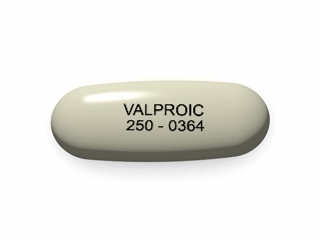

Valparin (Valproic Acid) – Patient Information (UK)
Valparin is a brand name used for medicines containing valproic acid (also called valproate). It is an anti-epileptic medicine used to help control seizures and to treat certain neurological and mood-related conditions. This page explains how Valparin works, how it’s typically used, key safety information, and practical guidance to help you get the best from your treatment in the United Kingdom.
Always take medicines exactly as advised by your clinician or pharmacist. If you have questions about your specific tablets, syrup, or modified-release product, ask your pharmacist—different formulations can release medicine at different rates.
Quick Facts
| Topic | Summary |
|---|---|
| Active ingredient | Valproic acid (valproate) |
| Uses | Epilepsy (various seizure types), and certain mood/neurological conditions depending on local guidance |
| How it works | Increases levels of GABA and reduces abnormal electrical activity in the brain |
| Typical dosing | Individualised; often started low and adjusted. Formulations differ (e.g., modified-release vs immediate-release) |
| Common side effects | Nausea, tremor, drowsiness, weight gain, hair thinning (varies by person and dose) |
| Key safety focus | Serious liver problems (rare), pancreatitis (rare), and major risk in pregnancy (including high birth-defect risk) |
| Food & alcohol | Food can reduce stomach upset; avoid or limit alcohol and discuss with your clinician |
Basic Product Information
Valparin contains valproic acid as its active ingredient. Valproate medicines come in different formulations (for example, immediate-release and modified-release). The formulation affects how the medicine is absorbed and when it reaches peak levels in the bloodstream.
In the UK, valproate is a well-established treatment for epilepsy, but it is subject to strict safety communications due to its significant risks during pregnancy. This information is intended to help patients recognise important safety issues early.
How Valparin Works (Mechanism of Action)
Valproate helps stabilise the brain’s electrical activity. While the exact process can vary between patients and seizure types, valproate is thought to act through several mechanisms, including:
- Increasing GABA activity: Valproate may increase the level or effect of gamma-aminobutyric acid (GABA), an inhibitory chemical messenger in the brain, which can help calm excessive nerve firing.
- Reducing abnormal nerve signals: It may decrease “neuronal excitability” and abnormal discharges.
- Effects on ion channels: It can influence sodium and other channels involved in electrical signalling, contributing to seizure control.
Over time, consistent dosing helps reduce seizure frequency and severity for many people. For some seizure types, valproate may also help with specific seizure patterns where other medicines are less effective.
Pharmacokinetics (How the Body Handles It)
Pharmacokinetics describes how your body absorbs, distributes, metabolises, and eliminates a medicine. Key points include:
Absorption
- Varies by formulation: immediate-release products typically reach peak levels sooner than modified-release forms.
- Food may help tolerance: taking doses with food can reduce stomach upset for some people.
Distribution
- Highly protein-bound: Valproate is substantially bound to blood proteins (often albumin). Low albumin levels or certain illnesses can increase free (active) drug levels.
Metabolism
- Primarily in the liver: Valproate is metabolised mainly by hepatic pathways.
- Multiple metabolites: The medicine breaks down into compounds that may still contribute to effects.
Elimination
- Excretion via kidneys: Metabolites are mainly eliminated in urine.
- Half-life: The time it takes for the body to reduce the drug level by half can vary by patient and formulation.
Typical Uses in the UK
Valproate is used mainly for epilepsy. Depending on local practice and patient factors, it may be used for different seizure types, including:
- Generalised seizures (for example, certain types of tonic-clonic seizures)
- Focal seizures in some cases (depending on seizure description and response)
- Mixed seizure patterns where appropriate
In addition to epilepsy, valproate has other neurological uses in specific circumstances (for example, in certain mood-related conditions) depending on clinical judgement. If your medicine is being used for a non-epilepsy indication, your clinician should explain the goal of treatment and expected response.
Indications: When Valparin Might Be Considered
Valparin may be considered when:
- Seizures are not adequately controlled on other therapies.
- A particular seizure pattern responds well to valproate.
- Your clinician judges that the benefits outweigh risks for your individual situation.
Because of safety concerns—especially around pregnancy and fetal risk—valproate use involves additional precautions in the UK for people who can become pregnant. These include careful assessment, counselling, and ongoing review.
Timing and How to Take Valparin
The timing of Valparin depends on:
- Your formulation (immediate-release vs modified-release)
- Your dose schedule (once or multiple times daily)
- How you respond and any side effects
General timing principles
- Try to take doses at the same times each day. Consistency helps maintain stable drug levels.
- Do not double up to make up for a missed dose unless advised by your healthcare team.
- Modified-release products must usually be swallowed whole. Do not crush or chew unless your pharmacist confirms it’s safe for your specific product.
Onset of effect
Many people notice benefits within days to weeks; for others, seizure control improves gradually as dose adjustments are made. Don’t stop or change the dose suddenly, as this can increase seizure risk.
Dosing: What You Need to Know
Dosing is individualised. It depends on seizure type, age, body weight, formulation, liver function, and use of other medicines. Clinicians often start with a lower dose and adjust gradually until seizures are controlled and side effects are manageable.
Important dose-related points
- Follow your prescribed schedule: take the exact number of tablets/measure the syrup volume as directed.
- Avoid switching formulations: immediate-release and modified-release are not always interchangeable.
- Regular reviews: ongoing monitoring may include blood tests for drug level and safety markers.
If you’re unsure about how many times per day to take your product, or you’re changing brands or formulation, contact your pharmacist for clarification.
Food Interactions (Can You Take It With Meals?)
Valproate can generally be taken with or without food. However, food may help reduce gastrointestinal discomfort for some people. Practical advice:
- If you get nausea: taking your dose with a meal or after food may help.
- Keep timing consistent: try to take your medicine at the same time relative to meals each day.
There are no universally required dietary restrictions, but if you notice patterns—such as symptoms after certain meals—discuss them with your pharmacist or clinician.
Alcohol and Medicine Interactions
Valproate can affect the brain and liver, and alcohol may increase the risk of side effects such as drowsiness, dizziness, and impaired coordination. Alcohol may also worsen seizure control in some individuals.
Alcohol
- Avoid or limit alcohol where possible, especially when starting treatment or when increasing the dose.
- If you choose to drink alcohol, keep it moderate and watch for increased sedation or unsteadiness.
- Seek advice if you have a history of liver disease, pancreatitis, or substance-related concerns.
Common medicine interactions
Valproate interacts with several medicines, including those used for epilepsy and mental health, as well as medicines affecting liver enzymes and blood clotting. Interactions can lead to increased toxicity, reduced effectiveness, or changes in side effects.
Examples of medicines that may interact include:
- Other anti-epileptic medicines (some combinations require monitoring of levels and side effects)
- Carbapenem antibiotics (such as imipenem or meropenem) – may cause dangerous increases in valproate levels
- Some antidepressants and antipsychotics (may affect sedation and other risks)
- Warfarin or medicines affecting coagulation (may require closer monitoring)
- Liver-metabolised medicines that influence liver enzyme activity
Always provide your pharmacist with a complete list of medicines, including over-the-counter products and herbal remedies. Even common products can interact in unexpected ways.
Safety Profile: Key Risks and When to Seek Help
Like all medicines, Valparin can cause side effects. Many are mild and improve as your body adjusts. However, some are serious and require urgent medical attention.
Common side effects
- Feeling sick (nausea) or stomach discomfort
- Drowsiness, dizziness, or tiredness
- Tremor
- Weight gain
- Hair thinning or changes in hair texture
- Mild changes in appetite
Serious risks (seek urgent medical advice if these occur)
- Liver problems: watch for yellowing of the eyes/skin (jaundice), severe fatigue, loss of appetite, dark urine, or upper abdominal pain.
- Pancreatitis: severe abdominal pain (often with nausea/vomiting), especially if pain is persistent.
- Severe allergic reactions: swelling of the face/lips, difficulty breathing, widespread rash, or severe dizziness.
- Unusual bruising or bleeding: such as frequent nosebleeds or blood in stools—particularly if combined with other medicines affecting clotting.
Pregnancy and fertility risk (UK emphasis)
Valproate has a high risk of harm to an unborn baby, including major congenital malformations and developmental disorders. In the UK, additional precautions are in place for people who could become pregnant. Important steps may include:
- Careful evaluation of alternative treatments where appropriate
- Regular review of the risk-benefit balance
- Contraception counselling for those who can become pregnant
- Urgent discussion if pregnancy is planned or occurs
If any of these apply to you, speak promptly with your clinician or pharmacist. Do not stop abruptly without advice, because seizure control is also important for safety.
Blood test and monitoring (why it matters)
Monitoring may include blood tests to check:
- Liver function
- Full blood counts (for certain blood cell changes)
- Valproate levels in the blood (in some situations)
Monitoring schedules differ by person and clinical circumstances. If you are unsure what tests you should be having, ask your pharmacist or clinician.
Practical Use Tips for Patients
- Use a daily routine: link your dose to a consistent activity (e.g., breakfast and bedtime).
- Keep a medication list: include the exact product name, strength, and dose times.
- Understand your formulation: confirm whether your tablets are immediate-release or modified-release. This affects how you take them and whether they can be crushed.
- Don’t stop suddenly: abrupt withdrawal can increase seizure risk. If you need to stop, your clinician will advise a tapering plan in most cases.
- Track side effects: write down what you notice and when it starts—your clinician may adjust dose timing or formulation.
- Hydration and nutrition: if you experience nausea, taking with food and drinking water can help.
Missed Dose Guidance (General)
If you miss a dose, follow the instructions given with your medicine or those provided by your pharmacist. In general:
- Do not take extra doses to compensate unless advised.
- If you’re close to the next scheduled dose, take the missed dose only if your healthcare team has said it’s appropriate.
- If you are unsure, contact your pharmacist for guidance—especially if you miss more than one dose.
If you suspect overdose or experience severe symptoms (such as extreme drowsiness, confusion, or breathing problems), seek urgent medical help immediately.
Alternative Options (Discussing Other Treatments)
Alternatives depend on the type of seizures, age, medical history, and personal circumstances (including pregnancy potential). Your clinician may consider other anti-epileptic medicines or non-medicine approaches.
Possible alternatives (examples)
- Other anti-epileptic medicines, selected based on seizure type
- Combination therapy where one medicine alone is not enough
- In certain cases, specialist-led options such as epilepsy surgery evaluation or other procedures
- For mood-related indications, alternative medicines may be considered
If you ask about alternatives, it’s helpful to share your seizure pattern, side effects, and any previous treatments tried. Never switch without professional guidance.
UK Market and Legal Context (Important Information)
In the United Kingdom, valproate-containing medicines are subject to additional safety measures because of the risks in pregnancy. This includes heightened warnings and structured counselling requirements in relevant groups. Health professionals are expected to follow the latest national guidance and regulatory communications.
If you are prescribed valproate, you may receive safety materials and regular reviews to ensure the benefits continue to outweigh the risks. These processes help reduce avoidable exposure during pregnancy.
Recent Guidance (How Safety Messages Affect Patients)
Recent regulatory and clinical updates have reinforced the need for:
- Strict risk-benefit assessment before starting or continuing valproate for people who can become pregnant
- Clear counselling about pregnancy prevention and the serious risks to the unborn baby
- Regular reviews to check whether alternative treatments could be suitable
- Shared understanding of the plan if pregnancy occurs
If you have questions about these precautions or what applies to you, speak with your pharmacist or clinician. They can help interpret how the guidance relates to your situation.
Delivery and Availability in the UK
Availability can vary depending on formulation and strength. Some products may be more commonly stocked, while others may require ordering. When you place an order with an online pharmacy, your medicine is typically supplied in packaging that includes patient information.
- Dispatch times: depend on stock availability and your delivery postcode.
- Packaging: medicines are supplied in appropriate containers to protect tablets or syrup.
- Delivery updates: reputable services provide tracking or status updates where available.
If you need the medicine urgently, contact customer support and confirm expected delivery times. If your treatment schedule is tight, allow extra time for dispatch.
FAQ – Valparin (Valproic Acid)
1) Is Valparin the same as valproate?
Yes. Valparin contains valproic acid, which is the same active medicine family as valproate. Different branded products may have different formulations and strengths.
2) How quickly does Valparin start working?
Some people notice improvement within days to weeks, but seizure control often improves as the dose is adjusted and stabilises. Continue taking your medicine as directed and attend follow-up reviews.
3) Can I take Valparin with food?
Generally, yes. Taking Valparin with food can help reduce nausea or stomach upset for some people. Keep your timing consistent day to day.
4) What should I do if I miss a dose?
Follow the advice provided with your medicine or from your pharmacist. In general, don’t take extra doses unless instructed. If you are unsure, ask your pharmacist for personalised guidance.
5) Can I drink alcohol while taking Valparin?
It’s usually best to avoid or limit alcohol because it may increase drowsiness and can affect seizure control and overall safety. Discuss your situation with your clinician or pharmacist.
6) Are there foods I must avoid?
There are no universal food bans, but alcohol should be limited or avoided. If you notice certain foods worsen side effects, discuss this with your pharmacist.
7) What side effects are most common?
Common side effects include nausea, drowsiness, tremor, weight gain, and hair thinning. Serious symptoms—such as jaundice, severe abdominal pain, or breathing difficulty—require urgent medical attention.
8) Is Valparin safe during pregnancy?
Valproate has a significant risk of harm to the unborn baby, including serious congenital malformations and developmental issues. In the UK, strict precautions apply. If pregnancy is possible, discuss contraceptive planning and risk-benefit review urgently with a healthcare professional.
9) Can Valparin interact with other epilepsy medicines?
Yes. Valproate can interact with other anti-epileptic drugs and may alter levels or side effects. Your clinician may adjust dose and may carry out additional monitoring.
10) Why does my pharmacist ask about all my medicines and supplements?
To check for drug interactions. Valproate can interact with prescription medicines, over-the-counter products, and some herbal remedies. Sharing your full list helps keep treatment safe and effective.
Contact Us / Getting Advice
If you’re unsure about how to take Valparin, what formulation you have, or whether a medicine you want to buy may interact, ask your pharmacist before using it. If you develop worrying symptoms such as signs of liver trouble or pancreatitis, seek urgent medical advice promptly.