Valproic Acid (Valproate) – Patient-Friendly Guide (UK)
Valproic Acid is a medicine used to treat certain neurological and psychiatric conditions. It belongs to a group of medicines known as anticonvulsants and mood-stabilising medicines. In the UK, valproic acid medicines are supplied in different formulations (for example, enteric-coated or modified-release tablets, sprinkles, or liquid preparations), and your exact product and dose may vary depending on your condition and age.
This guide explains how valproic acid works, how it is used, what to expect, and important safety information. It is designed for patients and carers.
Basic product information
- Active ingredient: Valproic acid (also known as valproate; different salt forms exist, such as sodium valproate, but all share important safety considerations)
- Common uses: Epilepsy and bipolar disorder (in line with UK guidance)
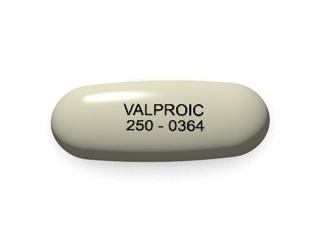
- Available forms: Tablets (various coatings), modified-release formulations, liquid preparations, and other special formulations depending on the manufacturer
- How it’s taken: Usually by mouth, once or multiple times daily depending on the formulation and condition
Important note for UK patients: Valproate-containing medicines carry significant risks, especially in pregnancy. The UK has strict measures to reduce foetal risk and to ensure safer use. Always follow the advice of your healthcare team regarding risk minimisation and contraception.
How valproic acid works (mechanism of action)
Valproic acid helps to control abnormal nerve activity in the brain. While the exact mechanism is complex, it is thought to act through several pathways, including:
- Increasing GABA activity: Valproate is believed to increase the availability of gamma-aminobutyric acid (GABA), a natural “calming” neurotransmitter in the brain.
- Modulating neuronal signalling: It may influence ion channels involved in nerve firing, helping to stabilise electrical activity.
- Effects on signalling pathways: Valproate can affect enzymes and cell-signalling processes that contribute to seizure activity and mood regulation.
Overall, valproic acid reduces the likelihood of seizures and helps stabilise mood for some people with bipolar disorder.
Pharmacokinetics: what the body does to the medicine
“Pharmacokinetics” describes how the body absorbs, distributes, metabolises, and eliminates a medicine.
| Process | What typically happens with valproic acid |
|---|---|
| Absorption | Valproate is absorbed from the gut. The speed and amount absorbed can depend on the formulation (for example, immediate vs modified-release) and whether you take it with food. |
| Distribution | It distributes throughout the body and can cross into the brain. Valproate is highly protein-bound; the degree of binding can change with age, liver function, or other medicines. |
| Metabolism | It is mainly metabolised in the liver. This is why liver health is an important safety consideration. |
| Elimination | Valproate and its metabolites are primarily removed from the body through the kidneys (via urine). |
| Half-life | Its half-life can vary between individuals. Some formulations last longer, allowing once or twice daily dosing. |
Monitoring: For some patients, blood tests may be used to check valproate levels and assess safety (for example, liver function and blood counts). This can help ensure the dose is appropriate and reduce risk of side effects.
Typical uses in the UK
Valproic acid medicines may be used for:
- Epilepsy:
- Some types of seizures, including generalised seizures and mixed seizure types depending on the specific diagnosis and formulation.
- It may be used alone or with other anti-epileptic medicines.
- Bipolar disorder:
- Used to treat manic episodes and to help prevent mood relapse in selected patients, based on specialist assessment and UK clinical guidance.
Your healthcare team will decide whether valproate is suitable for you, considering benefits, alternatives, your medical history, and (where relevant) your pregnancy potential.
When and how to take valproic acid (timing)
Timing depends on the formulation and your personal dosing plan. Follow your prescription label and the instructions given by your healthcare professional.
- Consistency matters: Try to take each dose at the same times every day.
- Modified-release products: If you are prescribed a modified-release formulation, do not crush or chew unless told it is safe. This helps the medicine release correctly.
- Missed dose: If you miss a dose, take it when you remember if it is close to the next scheduled dose. Otherwise, skip the missed dose and continue as normal. Do not take a double dose.
If you are unsure about your specific product or dosing schedule, check the packaging or speak to your pharmacist.
Food interactions and taking with meals
Valproic acid can generally be taken with or without food. Food may slightly affect how quickly it is absorbed, but for many people this is not clinically significant.
- To reduce stomach upset: Taking your dose with food (or after a meal) may help if you experience nausea or indigestion.
- Be consistent: Try not to switch randomly between taking with and without food if you have noticed changes in side effects or seizure control.
- Modified-release forms: Follow instructions carefully; some formulations rely on the release pattern for tolerability and effectiveness.
Alcohol interactions
It is generally recommended to avoid or minimise alcohol while taking valproate because alcohol can:
- Increase drowsiness or dizziness in some people
- Worsen mood instability in bipolar disorder
- Increase strain on the liver, which is important because valproate is metabolised in the liver
If you drink alcohol, discuss what is safe for you with your pharmacist or clinician. Taking valproate exactly as prescribed and avoiding binge drinking is particularly important.
Medicine interactions (other drugs and supplements)
Valproic acid can interact with other medicines. Some interactions may affect valproate levels (increasing risk of side effects or reducing effectiveness), and others may increase liver burden or affect the nervous system.
Examples of medicines that may interact include:
- Other anti-epileptic medicines (such as carbamazepine, phenytoin, phenobarbital, and lamotrigine): may change seizure control and valproate levels; careful monitoring may be required.
- Some antibiotics and medicines used for infections: may affect drug levels in certain situations.
- Warfarin (a blood thinner): valproate may affect clotting stability in some patients.
- Medicines that affect the liver or increase the risk of liver damage: caution is needed.
- Aspirin (high doses): can influence valproate binding and increase levels in some situations.
- Hormonal treatments and contraceptive changes: interactions can occur with certain medicines, and pregnancy risk minimisation is critical for valproate users.
Always tell your pharmacist and clinician about:
- All prescription and over-the-counter medicines
- Herbal products (for example, St John’s wort)
- Supplements and vitamins
Do not start or stop any medicine without advice, especially in people with epilepsy.
Dosing: how much is usually used
Dosing is individual. Your dose depends on the reason you’re taking valproate, your age, body weight, your liver function, and whether you take other medicines.
- Starting dose: Often started at a lower dose and increased gradually to improve tolerability and effectiveness.
- Maintenance dose: Then adjusted to the best balance of seizure control or mood stability versus side effects.
- Blood tests: For some patients, clinicians may check valproate levels to guide dose adjustments.
Important: Never adjust your dose on your own. If you think the dose is too high or too low (for example, increased drowsiness or breakthrough seizures), contact your pharmacist or clinician promptly.
Note: Because different formulations exist (immediate release vs modified release, and different salt forms), dosing is not interchangeable. Always follow the dosing instructions specific to your product.
Safety profile: important warnings and side effects
Like all medicines, valproic acid can cause side effects. Many people tolerate it well, but some effects require urgent medical attention.
Common side effects
- Nausea, indigestion, stomach discomfort
- Tremor
- Drowsiness, dizziness
- Weight gain
- Hair thinning or changes in hair growth
- Mild changes in mood or behaviour in some patients
Serious risks (seek urgent medical advice if these occur)
- Liver problems: Signs may include unusual tiredness, weakness, loss of appetite, vomiting, abdominal pain (especially upper abdomen), dark urine, or yellowing of the skin/eyes (jaundice).
- Severe blood disorders: Such as unusual bruising, bleeding, persistent sore throat, or infections.
- Pancreatitis: Severe stomach pain, often with vomiting.
- Severe skin reactions: Rash with fever, blistering, or peeling skin.
- Worsening confusion or excessive sleepiness: Especially if sudden, or if there are breathing difficulties.
Pregnancy and foetal risk (particularly important in the UK)
Valproate medicines can cause serious harm to an unborn baby, including an increased risk of:
- Major congenital malformations
- Developmental disorders
In the UK, there are additional regulatory controls to help prevent exposure during pregnancy. If you are able to become pregnant (or if you are a carer supporting someone who is), discuss:
- Contraception needs
- Risk minimisation requirements
- Whether a different treatment could be considered
Never stop valproate suddenly without medical advice, especially in epilepsy, because seizure worsening can also be dangerous for both parent and baby.
Other notable safety considerations
- Infection risk and blood counts: Periodic blood tests may be recommended.
- Bone health: Long-term use of some anti-epileptic medicines may contribute to bone thinning (osteoporosis risk). Healthy lifestyle measures and monitoring may be discussed.
- Monitoring for children: Children and young people may require more frequent assessment.
Practical tips for using valproic acid
- Use a dosing aid: A medication organiser or phone reminder can reduce missed doses.
- Keep a routine: Take doses at set times each day.
- Do not crush or split: Unless your specific formulation instructions allow it. Modified-release tablets should usually be swallowed whole.
- Plan for illness: If you vomit or cannot keep medicine down, contact your pharmacist for guidance—especially important for epilepsy.
- Track side effects: Note any new symptoms (tiredness, rash, stomach pain) and report them promptly.
- Attend monitoring appointments: Blood tests and liver function checks help ensure safety.
- Inform other healthcare professionals: Always mention you take valproate when seeing a new doctor, dentist, or attending hospital.
Alternative options
Whether an alternative is suitable depends on why you are taking valproate and your medical history. In epilepsy, several other anti-epileptic medicines exist. For bipolar disorder, other mood stabilisers or atypical antipsychotics may be used.
Examples of alternatives (not a complete list):
- For epilepsy: Levetiracetam, lamotrigine, carbamazepine, topiramate, and others depending on seizure type and individual factors.
- For bipolar disorder: Lithium, certain atypical antipsychotics, and other mood stabilising approaches depending on symptoms and suitability.
Discuss alternatives early with your specialist, particularly if you are considering pregnancy or could become pregnant. Switching medicines should be planned carefully to avoid seizure or mood destabilisation.
UK market and legal/regulatory context
In the UK, valproate is a regulated medicine and is subject to strict risk management measures due to its foetal risk. This includes additional prescribing and patient-safety processes designed to:
- Ensure that valproate is used only when appropriate
- Support risk discussions for patients who may become pregnant
- Encourage effective contraception and regular reviews
- Reduce the risk of accidental exposure in pregnancy
Local advice and specialist decision-making are essential. Your pharmacist can explain what applies to your situation and help you understand any safety documentation or review processes.
Recent guidance (high-level)
UK guidance has continued to emphasise:
- Using valproate only when benefits outweigh risks
- Reviewing treatment regularly and considering alternatives where possible
- Carefully managing pregnancy risk with appropriate safeguards
- Promptly discussing urgent changes if pregnancy is planned or suspected
If you suspect you may be pregnant: contact your healthcare professional urgently for advice. Do not ignore symptoms or delay discussion.
Delivery and availability (online pharmacy UK)
Valproic acid products may vary in strength and formulation. Availability can also depend on supply chain conditions and the specific brand or presentation you need. When ordering online in the UK:
- Check the product label for strength and formulation (for example, modified release vs enteric coated vs liquid).
- Allow time for processing and dispatch—typical dispatch times vary by pharmacy and stock status.
- Packaging: Medicines are normally delivered in secure, labelled packaging.
- Cold-chain: Valproate medicines generally do not require cold storage unless specified by your product instructions.
Delivery options, cut-off times, and tracking availability depend on the pharmacy. If you need your medicine quickly, check the dispatch and delivery estimates shown at checkout.
Frequently Asked Questions (FAQ)
1) What is valproic acid used for?
Valproic acid is used to treat certain types of epilepsy (seizure disorders) and, in selected patients, bipolar disorder, including manic episodes and relapse prevention.
2) How long does it take to work?
Some seizure control improvements may be noticed within days to weeks, while mood stabilisation can take longer. Your response depends on the formulation, dose, and your individual condition.
3) Can I stop valproic acid suddenly?
No. Stopping suddenly can be dangerous, particularly in epilepsy, and can cause worsening seizures or mood instability. Any change should be planned with a healthcare professional.
4) What happens if I miss a dose?
Take it when you remember if it is close to your next dose; otherwise skip the missed dose and continue as normal. Do not double up.
5) Should I take valproic acid with food?
Many people can take valproic acid with or without food. Taking it with food may reduce stomach upset. If you notice changes in tolerability, keep the method consistent.
6) Can I drink alcohol while taking valproic acid?
It’s generally advised to minimise or avoid alcohol. Alcohol can increase drowsiness and may increase liver strain. If you drink, discuss safe limits with your pharmacist.
7) Are there interactions with other medicines?
Yes. Valproate can interact with other anti-epileptics, anticoagulants, liver-acting medicines, and some other drugs. Always inform healthcare professionals about all medicines and supplements you take.
8) What side effects should I watch for urgently?
Seek urgent medical advice if you notice symptoms such as jaundice (yellow skin/eyes), severe stomach pain (possible pancreatitis), unusual bruising or bleeding, a severe rash, or sudden extreme sleepiness/confusion.
9) Is valproic acid safe in pregnancy?
Valproate medicines can seriously harm an unborn baby. UK safety measures are in place to prevent exposure and support risk minimisation. If pregnancy is possible or planned, speak to your specialist urgently about safer alternatives and contraception requirements.
10) Does valproic acid affect driving or machinery?
Valproate can cause drowsiness or dizziness in some people. If you feel affected, do not drive or operate machinery. Follow UK driving-related advice from your healthcare team.
Summary
Valproic acid is an established medicine for epilepsy and selected bipolar disorder patients. It helps stabilise brain activity and mood through complex mechanisms, with dosing tailored to your individual needs and formulation. Because it can affect the liver and blood cells, and because it carries significant pregnancy risks, safe use in the UK includes careful monitoring and risk management. If you have questions about your product, how to take it, or potential interactions, your pharmacist is a good first point of contact.