Vibramycin (Doxycycline) – Patient-Friendly Guide (UK)
Vibramycin is a brand of doxycycline, an antibiotic in the tetracycline group. It is used to treat a range of bacterial infections and is also used for certain conditions where bacteria play a role. This guide explains how Vibramycin works, how to take it safely, what to expect, and practical tips to help you use it effectively in the UK.
Always read the information provided with your medicine and follow the advice of a healthcare professional. This page is for general information and does not replace medical guidance.
1. Basic product information
- Medicine: Vibramycin
- Active ingredient: Doxycycline (tetracycline antibiotic)
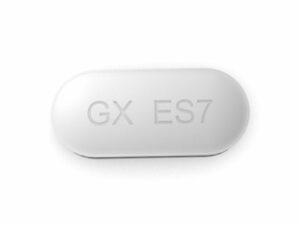
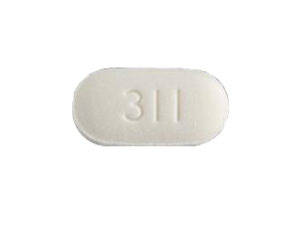
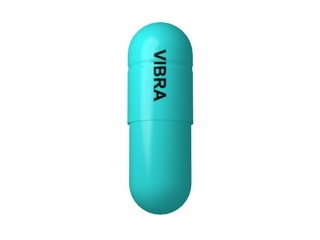
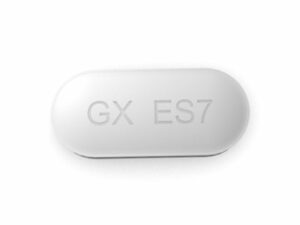
- Common dosage forms: Capsules and tablets (strength varies by product)
- Typical storage: Keep below 25°C (unless stated otherwise on the pack), protect from moisture, keep out of reach of children
- Brand vs generic: Vibramycin is a branded doxycycline product; generic doxycycline tablets/capsules may be available
2. How Vibramycin works (mechanism of action)
Doxycycline works by stopping bacteria from making the proteins they need to grow and multiply.
- Doxycycline binds to the bacterial 30S ribosomal subunit.
- This interferes with protein synthesis.
- The result is inhibition of bacterial growth and, in many cases, clearance of infection.
Because doxycycline’s effect depends on the infection’s cause and the bacteria involved, it may not work for viral illnesses such as colds or flu.
3. Pharmacokinetics (how the body handles it)
Understanding absorption and distribution can help you take Vibramycin at the right time and avoid interactions.
- Absorption: Doxycycline is absorbed through the gut. Food may reduce stomach irritation but can affect absorption depending on meal composition.
- Bioavailability: Generally good, but absorption can be reduced by certain minerals (see “Food interactions” below).
- Distribution: It distributes into many body tissues, including lung tissue and skin-related areas.
- Metabolism: It is partly metabolised (the extent varies).
- Excretion: It is eliminated mainly via the gut (bile) and urine.
- Half-life: Doxycycline has a relatively long half-life, which is why once- or twice-daily regimens are often used.
Tip: The timing of doses matters for keeping drug levels steady throughout the day, improving effectiveness.
4. Typical uses in practice (what it treats)
Vibramycin (doxycycline) is used for a variety of bacterial infections. It may also be used for specific conditions related to bacteria or atypical organisms.
Common indications (examples)
- Acne vulgaris (in appropriate cases)
- Respiratory tract infections caused by susceptible bacteria (including some atypical bacteria)
- Skin and soft tissue infections where doxycycline is appropriate
- Some sexually transmitted infections or related infections, where doxycycline is recommended based on local guidance and susceptibility
- Lyme disease (tick-borne infection) in certain circumstances, under clinical guidance
- Rickettsial infections (e.g., some tick-borne fevers) and other susceptible infections
- Prevention of malaria in specific travel situations (doxycycline is sometimes used depending on destination and resistance patterns)
Important: Which infection is treated, and the correct regimen, depends on your individual circumstances, local resistance patterns, and national guidance.
5. Timing: when to take Vibramycin
For best effect and fewer side effects, follow the dosing schedule described on your packaging or advised by a healthcare professional.
General timing advice
- Try to take it at the same times each day.
- Consistency matters for maintaining effective levels.
- If taking once daily, choose a time you can stick to.
- If taking twice daily, space doses evenly (for example, morning and evening).
How to reduce stomach/oesophageal irritation
- Take with a full glass of water.
- Do not lie down for at least 30 minutes after swallowing.
- Consider taking with food if you experience nausea (unless your clinician advises otherwise).
6. Food interactions and what to avoid
Doxycycline can bind to certain minerals in your gut, reducing absorption. This can make the medicine less effective.
Foods and supplements that may reduce absorption
- Antacids containing aluminium, calcium, or magnesium
- Iron supplements
- Zinc supplements
- Magnesium supplements
- Calcium-rich products (especially supplements). Small amounts in meals may be less problematic, but consistency matters.
Practical spacing approach
- If you take iron, zinc, calcium or antacids, try to separate doses by at least 2–3 hours (longer separation may be advised for certain products).
- Check the instructions on the supplement and your doxycycline pack guidance.
Note on dairy: Regular meals containing dairy may be tolerated by many people. If you notice reduced effectiveness or frequent side effects, ask a healthcare professional or pharmacist for personalised advice.
7. Alcohol and medicine interactions
Alcohol
Moderate alcohol use may be tolerated by some people; however, alcohol can:
- increase the likelihood of stomach upset
- worsen nausea or dizziness
- add stress to the liver (especially if you already have liver problems)
Practical advice: If you’re taking Vibramycin, consider avoiding heavy drinking. If you plan to drink alcohol, keep it moderate and stop if you feel unwell.
Common medicine interactions
Certain medicines can lower doxycycline levels or increase side effects.
- Antacids / mineral supplements (aluminium, calcium, magnesium, iron, zinc): can reduce absorption.
- Warfarin (a blood thinner): antibiotics can affect bleeding risk; monitoring may be needed.
- Oral retinoids (e.g., isotretinoin/related products): may increase risk of increased intracranial pressure.
- Other acne or skin treatments associated with raised pressure risk: discuss before combining.
- Barbiturates and rifampicin: can reduce doxycycline levels.
- Carbamazepine and some anti-epileptics: may reduce doxycycline effectiveness.
- Diuretics (certain types): may rarely affect electrolyte balance; seek advice if you’re on long-term medication.
Always disclose your current medicines (including over-the-counter products and supplements) to your pharmacist or clinician, so interactions can be checked.
8. Indications: when Vibramycin is considered appropriate
Vibramycin is indicated for infections caused by doxycycline-susceptible bacteria, as well as certain specific conditions where doxycycline is part of recommended treatment strategies.
Susceptibility and local guidance
Not all bacteria respond to doxycycline. Choice of antibiotic depends on:
- the suspected or confirmed organism
- the infection site (e.g., skin, respiratory tract, tick-borne infections)
- local resistance patterns
- patient factors (allergies, pregnancy status, age, liver function, and other medicines)
Do not use doxycycline for viral infections (such as flu) unless a clinician specifically recommends it for another reason.
9. Dosing: typical adult dosing approaches
Dosing varies by indication, severity, and patient factors. The information below is a general guide only—follow the exact dose on your product pack or professional instructions.
Common adult dosing patterns (examples)
- Often 100 mg once or twice daily depending on the condition
- Some regimens use a loading dose early on, then continue with a lower dose
- Duration can vary from several days to weeks for some conditions
Special populations
- Children: Doxycycline use in younger age groups may depend on specific guidance and the condition being treated. Discuss carefully, particularly for alternatives.
- Pregnancy: Tetracyclines are generally avoided in pregnancy due to potential effects on developing teeth and bones. Always seek medical advice.
- Breastfeeding: Individual assessment is needed; do not self-choose without guidance.
- Liver or kidney impairment: Often doxycycline is preferred over some other tetracyclines, but individual dosing advice may still apply.
Travel prophylaxis: If used for malaria prevention, dosing and timing before travel are important and depend on destination and public health recommendations.
10. Safety profile: who should be cautious and what to watch for
Common side effects
- Nausea
- Indigestion or stomach discomfort
- Diarrhoea
- Headache
- Vaginal yeast infection in some people after antibiotic use
Skin and sun sensitivity (photosensitivity)
Doxycycline can make skin more sensitive to sunlight and UV light.
- Use sun protection (SPF, clothing, shade).
- Avoid sunbeds.
- If you develop a severe rash or blistering, seek medical advice urgently.
Rare but serious reactions
Stop the medicine and seek urgent medical help if you experience:
- Allergic reaction (swelling of face/lips, breathing difficulties, widespread rash)
- Severe or persistent diarrhoea, especially if watery or with blood (could indicate a bowel infection)
- Severe skin reactions (blistering, peeling, mouth sores)
- Signs of liver problems (yellow skin/eyes, dark urine, severe fatigue)
- Severe headache with visual changes or dizziness (rarely linked to raised pressure in the head)
Pregnancy, breastfeeding, and age considerations
- Tetracyclines are generally avoided in pregnancy.
- Use in children depends on risk-benefit and guidance for the specific scenario.
- Discuss with a clinician if you are breastfeeding or planning pregnancy.
11. Practical use tips for best results
- Complete the course unless advised to stop. Stopping early can reduce effectiveness and contribute to resistance.
- Don’t skip doses. If you miss one, take it when you remember unless it’s close to the next dose—don’t double up.
- Take with water and remain upright for 30 minutes to reduce oesophageal irritation.
- Separate minerals (iron, zinc, magnesium, calcium supplements, antacids) by 2–3 hours where possible.
- Protect from the sun during treatment and for a few days after (follow pack advice).
- Stay hydrated—especially if you experience stomach upset or diarrhoea.
- Keep track of symptoms. If symptoms worsen after starting antibiotics or don’t improve, contact a clinician.
12. Alternative options (depending on the condition)
If doxycycline is not suitable—because of allergy, interactions, pregnancy concerns, side effects, or resistance—your clinician may consider other treatments. Alternatives vary by infection type and local guidance.
Possible antibiotic alternatives (examples)
- Amoxicillin or other penicillins (for certain bacterial infections)
- Azithromycin (for some respiratory and sexually transmitted infections)
- Clarithromycin (selected indications)
- Trimethoprim-sulfamethoxazole (selected cases)
- Topical acne treatments or other non-tetracycline approaches for acne
Non-antibiotic alternatives: For some conditions (especially acne), combinations of topical treatments, hormonal therapies, or other agents may be considered. For prevention scenarios like travel, alternatives depend on destination and resistance patterns.
Your pharmacist or clinician can help choose the most appropriate alternative based on your diagnosis and medical history.
13. UK market and legal context (high-level)
In the United Kingdom, antibiotic medicines are regulated and monitored to support responsible use. Access arrangements may vary depending on the specific product, strength, and local policies. Guidance on antimicrobial stewardship emphasises using antibiotics only when appropriate and avoiding unnecessary prescribing.
Why this matters:
- Antibiotic use can contribute to antibiotic resistance.
- Not all infections require antibiotics.
- Using the correct antibiotic at the correct dose and duration improves outcomes.
UK healthcare systems follow guidance from bodies such as National Institute for Health and Care Excellence (NICE) and Public Health England (and successor organisations), with antimicrobial stewardship support across primary and secondary care.
14. Recent guidance (what to keep in mind)
Recent UK emphasis has continued to focus on:
- Antimicrobial stewardship: using antibiotics when they are likely to help and stopping when no longer needed.
- Appropriate selection: choosing antibiotics based on likely pathogens and local resistance.
- Safety checks: reviewing allergy history, pregnancy/breastfeeding status, and interactions (particularly with mineral supplements and other medicines).
For travel prevention (e.g., malaria), recommendations can change by destination due to evolving risk patterns, so it’s important to follow up-to-date public health advice close to departure.
15. Delivery and availability in the UK
Availability of Vibramycin (doxycycline) may depend on the product presentation and supply. Reputable online pharmacies in the UK typically offer:
- Standard and express delivery options (availability varies by pharmacy)
- Tracking where offered
- Packaging designed to protect tablets/capsules from moisture
- Clear information on delivery times during checkout
Delivery note: Delivery timelines can be affected by holidays, weather, and carrier performance. Always check the estimated delivery date shown at purchase and review any “delivery restrictions” messaging.
16. FAQ
Is Vibramycin the same as doxycycline?
Vibramycin is a brand name. The active ingredient is doxycycline. Other brands and generics may contain the same active ingredient.
Can I take Vibramycin with food?
Yes, many people can take doxycycline with food to reduce stomach irritation. However, avoid taking it at the same time as mineral supplements (such as iron or zinc) or antacids. If your symptoms worsen after meals, speak to a pharmacist for tailored advice.
How long does it take to start working?
Some improvement may occur within 24–48 hours for many bacterial infections, but this varies. If there is no improvement or symptoms worsen after starting, seek medical advice.
What if I miss a dose?
Take it when you remember unless it’s close to the next dose. Do not double up. If you’re unsure, ask a pharmacist.
Can I drink alcohol while on Vibramycin?
Moderate alcohol may be tolerated, but alcohol can worsen side effects such as nausea and may add stress on the liver. Avoid heavy drinking and stop if you feel unwell.
Does doxycycline interact with birth control?
For most antibiotics, the interaction with hormonal contraception is not straightforward. If you are concerned, check product-specific guidance or ask a pharmacist. If vomiting or severe diarrhoea occurs, you may need additional contraceptive precautions.
Will doxycycline cause diarrhoea?
Diarrhoea can occur. Mild diarrhoea may improve as your body adjusts. However, seek urgent medical advice if diarrhoea is severe, persistent, watery, or contains blood.
Can I get sunburned more easily?
Yes. Doxycycline can cause photosensitivity. Use sun protection (SPF, protective clothing) and avoid sunbeds.
Can I take it with vitamins?
Some vitamins contain minerals such as iron, zinc, magnesium, or calcium that may reduce absorption. Check the ingredients. If they include minerals, separate dosing by a few hours.
Is Vibramycin suitable for children?
Use in children depends on age and the condition being treated. Because tetracyclines require careful consideration, children should only take doxycycline if a healthcare professional advises it.
What should I do if I develop a rash?
Mild rashes can occur, but severe rash, blistering, or signs of allergy require urgent medical attention. Stop the medicine and seek advice promptly.
17. Summary
Vibramycin (doxycycline) is a tetracycline antibiotic used for a variety of bacterial infections and certain other conditions. It works by interfering with bacterial protein synthesis and is typically taken once or twice daily depending on the regimen. To improve effectiveness and reduce side effects, take it with a full glass of water, remain upright for at least 30 minutes, and avoid taking it at the same time as iron, zinc, magnesium, calcium supplements or antacids. Protect your skin from sunlight and seek medical help for severe or persistent side effects.
If you have specific questions about interactions with your current medicines, pregnancy/breastfeeding status, or which dosing is appropriate for your condition, consult a pharmacist or clinician for personalised advice.
Quick reference table (important practical points)
| Topic | What to know |
|---|---|
| Mechanism | Stops bacteria making proteins by binding to the 30S ribosomal subunit. |
| How to take | Take with a full glass of water; stay upright for at least 30 minutes. |
| Food interaction | Separate from antacids and mineral supplements (iron, zinc, magnesium, calcium) by 2–3 hours. |
| Alcohol | Avoid heavy drinking; alcohol can worsen stomach upset and affect the liver. |
| Sun sensitivity | Use sun protection; avoid sunbeds. |
| When to seek help | Allergic reactions, severe rash, severe/persistent diarrhoea, breathing difficulty, severe headache with vision changes. |
| Common side effects | Nausea, indigestion, diarrhoea, headache. |
| Course | Complete the prescribed course unless advised otherwise. |