Xylocaine (Lidocaine) – Patient-Friendly Guide (UK)
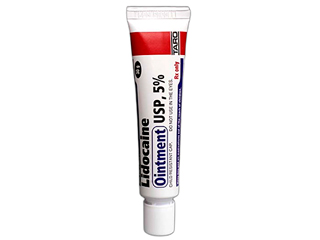
Xylocaine is the brand name for lidocaine, a local anaesthetic medicine used to relieve pain and discomfort by numbing a specific area of the body. It comes in several forms (for example, gels, sprays, creams, and injection solutions), and it is commonly used in both healthcare settings and certain home-care situations. This page explains how Xylocaine works, what it’s used for, how to use it safely, and what to consider about food, alcohol, and other medicines.
Quick overview
- Active ingredient: Lidocaine
- Type of medicine: Local anaesthetic (numbs a small area)
- Common uses: Relief of local pain, numbing before minor procedures, and symptom relief in conditions such as mouth ulcers or skin irritation (depending on the product form)
- Forms: Gel, spray, cream/ointment, plaster, and injectable solutions (availability varies)
- Key caution: Overuse or incorrect use can cause serious side effects, especially if too much is applied or injected
Basic product information (UK market context)
In the United Kingdom, Xylocaine products are regulated medicines. The exact strengths and indications depend on the specific presentation (for example, topical gel versus spray, or injection solutions used by healthcare professionals). Your local pharmacy or product label will specify the correct dose, route of administration, and warnings for that particular form.
When choosing an Xylocaine product, check:
- Which skin or body area it is meant for (mouth, throat, skin, wounds, or specific procedures)
- Strength (for example, mg/g or mg per spray dose)
- How often to apply (some are used once, others may be repeated during the day)
- Any special instructions such as “do not use on large areas” or “avoid broken skin” (varies by product)
How Xylocaine works (mechanism of action)
Lidocaine is a local anaesthetic. It works by blocking nerve signals in the area where it is applied or injected. This prevents pain messages from travelling to the brain, leading to temporary numbness and reduced discomfort.
At a cellular level, lidocaine interferes with sodium channels in nerve cells. Without normal sodium channel activity, the nerve can’t “fire” pain signals effectively.
What you may notice
- Numbness or tingling in the treated area
- Reduced pain sensation
- Sometimes a temporary change in taste or sensation if used in the mouth (product dependent)
Pharmacokinetics (how the body handles lidocaine)
Pharmacokinetics describes how the body absorbs, distributes, metabolises, and eliminates a medicine. For lidocaine, the key points are that absorption depends on the route, the area treated, skin condition (intact vs broken), and how much is used.
Absorption
- Topical use: Lidocaine is absorbed to a varying extent through skin and mucous membranes. Absorption is generally lower when applied to small, intact areas, and higher on broken skin or large surface areas.
- Mucosal use: Absorption may be more significant on membranes (for example, in the mouth or throat), which is why dose limits matter.
- Injection: Absorption can be rapid and systemic exposure is possible, which is why injectable lidocaine is typically used with medical oversight.
Distribution
Lidocaine distributes through tissues and binds to proteins in the blood to some extent. Systemic effects are more likely if too much is absorbed or accidentally injected into a vein (particularly with procedures).
Metabolism
Lidocaine is mainly metabolised in the liver. People with liver impairment may process lidocaine more slowly, increasing the risk of side effects.
Elimination
Lidocaine and its metabolites are eliminated primarily through the kidneys. Kidney disease may affect the handling of metabolites, though the clinical impact varies.
Typical uses of Xylocaine (by form and indication)
Xylocaine products are used for different purposes depending on their form and strength. Below are common categories of use seen in the UK. Always follow the instructions on your specific product.
Topical anaesthetic for pain relief
- Skin discomfort due to irritation or minor injuries (where indicated by the product)
- Temporary relief of painful areas prior to minor procedures or examinations (product dependent)
- Mouth or throat discomfort (for oral preparations designed for mucosal use)
Procedural numbing
Lidocaine may be used to numb an area before minor interventions, for example:
- Dental procedures (depending on the specific product used)
- Minor surgical or medical procedures in clinical settings
- Removal of sutures or similar interventions (as advised by clinicians)
Note: Some Xylocaine forms are intended for use in healthcare settings only. If you are unsure which version you have, check the product label or speak to a pharmacist.
Timing: when it starts working and how long it lasts
Onset and duration depend on the route and formulation. In general:
- Topical gels/sprays/creams: usually start working within minutes.
- Oral/topical mouth products: may take effect fairly quickly, but comfort can vary depending on the area (for example, ulcer location and saliva).
- Duration: often lasts for a short period and may wear off within an hour or so, depending on product and amount used.
If your pain relief does not improve within the expected time window, stop using the medicine and seek advice. Persistent or worsening pain may require a different approach.
Food interactions
Lidocaine has no typical direct food interaction for most topical uses. However, there are practical considerations:
- If using an oral product: Avoid eating or drinking immediately after application until numbness has eased. Numbness may increase the risk of accidental biting or choking.
- Hot drinks/foods: Be cautious. Numbness reduces the protective sensation that warns you when something is too hot.
Alcohol interactions and safety
For most topical uses, alcohol does not cause a well-known direct interaction. However, alcohol can increase the risk of dizziness or drowsiness when systemic levels become significant (for example, if too much lidocaine is used or absorbed).
- Use caution with alcohol if you feel light-headed, unusually sleepy, or have ringing in the ears or tingling beyond the intended area.
- Avoid alcohol if you have any symptoms that could suggest systemic side effects. Seek urgent medical help if severe symptoms occur.
Medicine interactions
Lidocaine can interact with other medicines mainly when systemic absorption occurs (more likely with excessive dose, large-area application, damaged skin, or injection use). The information below is general; always check the product leaflet and consult a pharmacist if you take other medicines.
Examples of medicine categories to be cautious about
- Other local anaesthetics: combining can raise risk of overdose effects.
- Medicines that affect liver enzymes (particularly those that change metabolism): may alter lidocaine levels.
- Anti-arrhythmic medicines: some can affect heart rhythm or interact with local anaesthetic-related cardiac effects if systemic exposure occurs.
- Beta-blockers and other cardiac medicines: may influence cardiovascular response in rare systemic toxicity situations.
If you are taking regular medicines, especially those for the heart, liver, or seizures, ask a pharmacist to check compatibility for your specific product and strength.
Indications (who Xylocaine is for and when it is used)
The “indication” means the reason a medicine is used. For lidocaine, indications depend on the formulation. Common indications include:
- Localised pain relief through temporary numbing
- Relief of discomfort in conditions affecting skin or mucous membranes (when supported by the specific product’s licence)
- Numbing prior to minor procedures as part of clinical care
Xylocaine may not be appropriate for every person. Factors such as allergy history, skin condition, age, and underlying health conditions can affect suitability.
Dosing guidance (general principles)
Dose varies significantly between Xylocaine formulations and strengths. For that reason, it’s essential to follow the dosing instructions on the pack or patient information leaflet for your exact product. Do not exceed the maximum frequency or total amount recommended.
General dosing principles for topical lidocaine
- Use the smallest amount that provides relief.
- Apply to the intended area only; avoid covering large surfaces unless the product specifically instructs you to.
- Allow time between applications as instructed on the label.
- Wash hands before and after use (unless your product instructs otherwise).
- Avoid eyes and do not apply inside the eye or close to it unless directed by the product.
If you miss a dose
If you are using a topical product on a schedule, apply the missed dose when you remember—unless it’s nearly time for the next dose. Do not apply extra amounts to “catch up.”
Overuse warning
Overuse can increase the risk of systemic lidocaine effects, including dizziness, unusual sleepiness, numbness spreading beyond the intended area, ringing in the ears, or more serious symptoms. Always adhere to maximum daily limits for your specific product.
Safety profile: side effects and when to seek help
Like all medicines, lidocaine can cause side effects. Many people have no problems when using the product correctly. However, it’s important to know what to watch for.
Common or mild side effects
- Temporary local effects such as mild burning or stinging at the application site
- Redness or irritation
- Temporary changes in sensation (numbness where you applied it)
Allergic reactions (seek urgent advice)
Stop using the product and seek urgent medical help if you develop signs of a serious allergy, such as:
- Swelling of the face, lips, tongue, or throat
- Wheezing or severe breathing difficulty
- Widespread rash or hives
Signs of too much lidocaine (systemic toxicity)
Systemic side effects are more likely when too much lidocaine is used, applied over too large an area, absorbed through broken skin, or when accidentally injected. Get urgent medical help if you experience any of the following:
- Dizziness, fainting, confusion
- Ringing in the ears, taste changes, or blurred vision
- Numbness spreading beyond the intended area
- Severe drowsiness or difficulty breathing
- Heart rhythm problems or palpitations
- Seizures (rare but emergency)
Practical use tips (to get the best results safely)
- Read the product label carefully: The correct form, strength, and route matter. Topical products are intended for skin/mucosa and should not be used in ways that differ from the instructions.
- Check the treatment area: Avoid using on large areas, deep open wounds, or extensive burns unless the product specifically allows it.
- Keep track of total amount: If you’re using multiple doses, don’t exceed the daily maximum listed in the leaflet.
- Protect numb areas: Numbness can increase injury risk. Be careful with hot objects, sharp tools, and biting/chewing if used in the mouth.
- Do not reuse for unrelated problems: Lidocaine may mask pain that signals an underlying condition needing assessment.
What to do if symptoms don’t improve
If the pain or irritation persists, returns quickly, or worsens, consider speaking to a pharmacist or healthcare professional. Ongoing pain may require a different treatment such as an anti-inflammatory, an antifungal/antibacterial medicine (if infection is present), or another targeted approach.
Alternative options
Depending on the condition being treated and the product form available, alternatives to lidocaine may include:
Other local anaesthetics
- Prilocaine (some preparations)
- Benzocaine (various oral/topical products)
- Other numbing creams/gels designed for local discomfort
Non-anaesthetic pain relief options
- Paracetamol or ibuprofen for general pain relief (where appropriate)
- Anti-inflammatory gels for certain musculoskeletal discomforts
- Barrier or soothing products (for skin irritation)
A pharmacist can help you choose the most appropriate option for your symptoms and skin/mucosal location, and can advise on safe combinations.
Recent guidance and regulatory/UK considerations
In the UK, medicines like lidocaine are regulated by the Medicines and Healthcare products Regulatory Agency (MHRA). Patient safety guidance typically emphasises:
- Following product-specific directions and not exceeding recommended dose limits
- Using the correct formulation for the intended route and body site
- Being alert to systemic symptoms from excessive use
- Extra caution for children, older adults, people with liver impairment, and those with conditions affecting absorption
If you notice that your symptoms are changing, or if you plan to use a product repeatedly over several days, it’s a good idea to get advice so the treatment remains appropriate.
Delivery and availability in the United Kingdom
Xylocaine (lidocaine) products may be available in various strengths and forms from online pharmacies in the UK, depending on licensing and availability. Delivery options and timeframes can vary by provider.
When ordering online, you may be asked to confirm details relevant to safe supply (for example, the product form and intended use). Always ensure the product in your basket matches the symptoms you are treating.
How to store
- Store at room temperature unless the pack says otherwise.
- Keep out of reach and sight of children.
- Check expiry date and do not use after expiry.
- Replace lids/caps securely to prevent product contamination.
FAQ about Xylocaine (lidocaine)
1) Is Xylocaine safe to use?
Xylocaine can be safe when used correctly and within the recommended dose limits. Risks increase with overuse, incorrect application, or use on larger areas than advised. Follow the product instructions and ask a pharmacist if you’re unsure.
2) How quickly does Xylocaine work?
Most topical lidocaine products start to work within minutes. The exact timing and duration vary by formulation (gel vs spray vs cream vs mouth products). If it doesn’t help within the expected time, stop using and seek advice.
3) Can I eat or drink after using lidocaine in my mouth?
Wait until the numbness has worn off. Numbness increases the risk of accidentally biting your tongue or cheek and can make hot food/drinks harder to judge safely.
4) What should I avoid while the area is numb?
- Avoid hot drinks and foods.
- Avoid biting/chewing if used in the mouth.
- Avoid scratching or applying pressure to numb skin.
5) Can I use Xylocaine with other medicines?
In many cases, topical lidocaine can be used alongside other medicines, but interactions are possible mainly if lidocaine levels become high. If you take medicines for heart rhythm, liver conditions, or seizures, check with a pharmacist—especially if you plan frequent or large-area use.
6) Does alcohol interact with Xylocaine?
There is no common direct interaction for correctly used topical lidocaine. However, alcohol may worsen dizziness or drowsiness if systemic absorption occurs, for example from excessive use. Use caution and seek help if you feel unwell.
7) What if I accidentally use too much?
Stop using the product immediately. If you experience symptoms such as dizziness, ringing in the ears, confusion, difficulty breathing, or seizures, seek urgent medical help. If possible, keep the product packaging available for healthcare professionals.
8) Can children use lidocaine?
Some lidocaine products may be suitable for children, but age limits and dosing are product-specific. Always follow the pack instructions. When in doubt, ask a pharmacist for guidance.
9) Can I use Xylocaine on broken skin?
Whether you can apply it to broken skin depends on the product. Many topical products advise against applying to large areas of broken skin due to higher absorption. Check your product leaflet carefully.
10) Are there alternatives if Xylocaine doesn’t help?
Yes. Depending on the cause of pain or irritation, alternatives may include different local anaesthetics, anti-inflammatory gels, or oral pain relief such as paracetamol or ibuprofen (where appropriate). A pharmacist can suggest the most suitable option for your specific symptoms.
Summary
Xylocaine (lidocaine) is a local anaesthetic used to relieve pain by temporarily numbing a specific area. It works by blocking nerve signals and can provide quick, targeted relief when used correctly. Safety depends on using the right product for the right body area, applying the correct amount, and not exceeding the recommended frequency—especially for people at higher risk such as those with liver problems or for preparations used on mucous membranes.
If your symptoms persist, worsen, or you have concerns about how to use Xylocaine safely, speak to a pharmacist for advice. Always follow the instructions on the product label and patient leaflet.