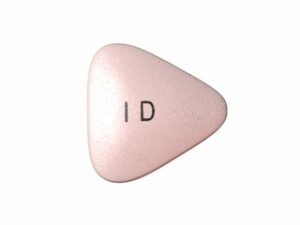

Voveran SR (Diclofenac) – Patient Information (UK)
Voveran SR is a brand of diclofenac, a medicine from the group known as non-steroidal anti-inflammatory drugs (NSAIDs). It is used to reduce pain, inflammation and swelling, particularly where symptoms need longer-lasting relief.
This page explains how Voveran SR works, how it’s typically used, important safety information, and common questions. Always follow the instructions on your pack and any advice from your healthcare professional.
Basic product information
- Medicine name: Voveran SR
- Active ingredient: Diclofenac
- Type/strength: Sustained-release (SR) tablet/capsule formulation (strength may vary by product)
- Drug class: NSAID
- What “SR” means: “Sustained release” helps deliver diclofenac gradually over time
Important: Do not use multiple NSAID products at the same time unless advised by a clinician. Examples include ibuprofen, naproxen, aspirin (at anti-inflammatory doses), and other diclofenac preparations.
How Voveran SR works (mechanism of action)
Diclofenac reduces pain and swelling by blocking the production of chemicals called prostaglandins. Prostaglandins are involved in:
- inflammation and tissue swelling
- pain signalling
- fever and related symptoms
By decreasing prostaglandin activity, diclofenac can provide symptom relief in conditions where inflammation and pain contribute to discomfort.
Pharmacokinetics (how the body handles it)
While individual responses can vary, the following gives a general picture of diclofenac SR behaviour in the body.
- Absorption: As a sustained-release formulation, Voveran SR is designed to release diclofenac gradually, often leading to a smoother effect over the day.
- Peak levels: Diclofenac levels typically rise and reach a maximum after absorption from the SR formulation (timing can vary by person and formulation).
- Distribution: Diclofenac binds to plasma proteins and distributes into tissues where it can exert pain-relieving effects.
- Metabolism: Diclofenac is mainly metabolised in the liver.
- Elimination: Metabolites are primarily excreted via the kidneys and, to a lesser extent, via the bile/intestine.
Kidney and liver considerations: People with reduced liver or kidney function may require closer monitoring. If you have liver disease, kidney impairment, or experience unusual symptoms (such as persistent fatigue, dark urine, yellowing of the skin/eyes), seek medical advice promptly.
Typical uses (indications)
Voveran SR is used for conditions in which pain and inflammation are prominent. Common indications include:
- Musculoskeletal pain: such as strains, sprains, and injury-related pain where inflammation is expected
- Osteoarthritis (degenerative joint disease): to relieve pain and improve function
- Rheumatoid arthritis: to help manage pain and inflammation
- Other inflammatory rheumatic disorders: as advised by a healthcare professional
- Back pain and painful inflammatory conditions: when considered appropriate by a clinician
The choice of NSAID, dose, and duration depends on factors such as age, other medical conditions, and risk of stomach/heart/kidney complications.
When to take it: timing and how to use SR tablets
Because Voveran SR is designed for sustained release, it is generally taken at a regular time to maintain symptom control. Follow the specific instructions on your pack or those given by a healthcare professional.
General timing guidance
- Take consistently: Try to take each dose at the same time(s) each day.
- Swallow whole: Sustained-release tablets should generally be swallowed whole—do not crush, chew, or break unless your pack specifically states otherwise.
- Water only: Swallow with water.
If you miss a dose, take it when you remember unless it is close to the next dose. Do not take a double dose to make up for a missed one.
Dosing (typical adult approach)
Dosing must be individualised. The SR formulation allows less frequent dosing in many cases compared with immediate-release diclofenac. Always use the dose stated on your product and confirm frequency with a clinician if unsure.
Key dosing principles:
- Use the lowest effective dose for the shortest duration necessary.
- Do not combine with other NSAIDs without advice.
- In older adults or those with stomach/kidney/heart risk, dosing may need extra caution.
Example dosing (for understanding only)
Many SR diclofenac regimens in practice may involve 1 dose once daily or twice daily depending on the specific strength and indication. Your pack will specify the recommended regimen for your particular Voveran SR presentation.
Food interactions (including meals)
Diclofenac can irritate the stomach lining in some people. Taking it with food may help reduce stomach discomfort. However, avoid changes to dosing instructions on the basis of taste or convenience alone—follow the label.
- With or after food: often preferred if you have a sensitive stomach.
- Avoid taking on an empty stomach if you have experienced nausea, heartburn, or stomach pain with NSAIDs.
- Maintain consistent routine: taking it similarly each day can reduce side effects.
SR formulations are formulated to release gradually; do not alter how the tablet is taken (e.g., crushing) without guidance.
Alcohol interactions
Drinking alcohol while taking diclofenac can increase the risk of stomach irritation and bleeding, and may worsen dizziness or other side effects.
- Best practice: limit or avoid alcohol while using Voveran SR, especially if you have a history of gastric ulcers, GI bleeding, or significant indigestion.
- Be cautious: if you choose to drink, do so moderately and monitor for symptoms such as abdominal pain, black/tarry stools, or vomiting blood (seek urgent medical help if these occur).
Interactions with other medicines
NSAIDs can interact with many medicines. This section highlights commonly encountered interactions. It is not a complete list. If you take any regular medicines, check with a pharmacist or clinician before starting Voveran SR.
Medicines that may interact
- Other NSAIDs: increased risk of stomach ulcers/bleeding and kidney problems. Avoid combining without guidance.
- Aspirin (anti-inflammatory doses): increased risk of GI and kidney complications.
- Anticoagulants (blood thinners): e.g., warfarin; higher bleeding risk.
- Antiplatelets: e.g., clopidogrel; increased bleeding risk.
- Corticosteroids: e.g., prednisolone; higher risk of stomach irritation/ulceration.
- SSRIs/SNRIs (antidepressants): e.g., sertraline, citalopram; may increase bleeding risk when combined with NSAIDs.
- Diuretics and blood-pressure medicines: NSAIDs can reduce their effect and may affect kidney function. Examples include ACE inhibitors (e.g., lisinopril), ARBs (e.g., losartan), and diuretics (e.g., furosemide).
- Lithium: risk of increased lithium levels (toxicity).
- Methotrexate: risk of methotrexate toxicity (dose-dependent; particularly relevant at higher methotrexate doses).
- Digoxin: NSAIDs may increase digoxin levels in some situations.
- Diabetes medicines: monitor if you experience changes in blood sugar control.
- Probenecid: can affect diclofenac levels.
- Potassium-sparing diuretics: possible effect on potassium balance.
Practical interaction tip
Before ordering or starting Voveran SR, make a list of your current medicines (including OTC painkillers, herbal products, and supplements) and check it with a pharmacist.
Safety profile: who should take extra care?
Like all NSAIDs, diclofenac may cause side effects. Most people tolerate NSAIDs well when used correctly, but there are important risks—particularly for the stomach, kidneys and heart/blood vessels.
Common side effects
- Indigestion, heartburn
- Stomach pain or nausea
- Headache or dizziness
- Fluid retention or swelling (oedema)
- Mild rash
Serious side effects (seek urgent medical help)
Stop and seek urgent medical advice if you develop symptoms suggesting serious complications:
- Signs of stomach bleeding: black/tarry stools, vomiting blood, severe stomach pain
- Allergic reaction: facial/lip swelling, wheezing, severe rash or blistering
- Severe skin reactions: blistering, peeling, or widespread rash
- Breathlessness or chest pain (possible cardiovascular event)
- Reduced urination, sudden weight gain, severe swelling (possible kidney issues)
- Yellowing of the skin/eyes or dark urine (possible liver problems)
Extra caution groups
Discuss with a healthcare professional before use if you have any of the following:
- History of stomach ulcers or GI bleeding
- Heart disease, stroke history, or significant cardiovascular risk factors
- Kidney disease or dehydration
- Liver disease
- Asthma or previous NSAID-triggered asthma/urticaria
- Uncontrolled high blood pressure
- Use of medicines that increase bleeding risk (anticoagulants, antiplatelets, steroids, SSRIs/SNRIs)
- Older age or frailty (side effects may occur more easily)
Cardiovascular and gastrointestinal risk: NSAIDs can increase the risk of heart attack/stroke and gastrointestinal bleeding, especially with higher doses and longer use. Use the lowest effective dose for the shortest time.
Practical use tips for getting the best outcomes
- Use alongside non-medicine measures: gentle movement, physiotherapy exercises, heat/ice (depending on the injury stage), and supportive footwear can improve pain outcomes.
- Track symptoms: note pain levels before and after starting to judge whether it is helping.
- Watch for warning signs: heartburn that worsens, unexplained dizziness, dark stools, or unusual bruising should not be ignored.
- Hydration matters: dehydration can make kidney side effects more likely.
- Avoid “stacking” NSAIDs: check labels of cold/flu or pain products—many contain NSAID ingredients.
- Don’t stop abruptly without plan: if you’ve used it regularly for a chronic condition, speak to a clinician about when/how to stop.
Alternative options (non-diclofenac approaches)
Depending on the cause of your pain and your medical history, alternatives may include:
Other pain medicines
- Paracetamol (acetaminophen): may help for pain, especially where inflammation is mild.
- Topical NSAIDs: gels/creams such as diclofenac-based preparations can reduce local pain with lower systemic exposure than tablets.
- Other NSAIDs: different NSAIDs exist, but choice depends on risk profile and availability.
Non-medicine options
- Physiotherapy and targeted exercises
- Weight management and strengthening programs for joint conditions
- Heat/cold therapy
- Supportive devices (braces, orthotics) where appropriate
- For certain inflammatory arthritis conditions, disease-specific treatments may be required (handled by a clinician)
Your best option depends on your diagnosis, symptom severity, and personal risk factors.
Recent UK guidance and context (high-level)
In the UK, NSAIDs are widely used for pain and inflammation, but healthcare guidance emphasises:
- Use the lowest effective dose
- Use for the shortest duration needed
- Review risks for gastrointestinal bleeding and cardiovascular events
- Consider gastro-protection when risk factors are present (for example, by discussing with a clinician)
If you need ongoing NSAID treatment, clinicians may reassess periodically and consider alternative treatments or protective measures, especially if you have a history of ulcers/bleeding, are older, or have cardiovascular disease risk.
Market and legal context for the UK
Medicines containing diclofenac are regulated in the UK. Depending on the specific product strength/formulation and the way it is supplied, availability can be restricted. Online suppliers must follow UK legal and regulatory requirements regarding:
- age verification and eligibility checks where applicable
- safe supply procedures and accurate product information
- proper labelling, storage, and delivery
- pharmacovigilance and incident reporting routes
Always check that the product you buy is the correct strength and formulation (SR) and confirm the expiry date and integrity of packaging.
Delivery and availability (online pharmacy UK)
Availability and delivery times can vary by supplier and stock levels. Many pharmacies can deliver within the UK mainland, while specific areas may have different courier schedules.
What to expect
- Packaging: delivered in a tamper-evident, properly labelled outer package
- Storage: keep tablets/capsules in a cool, dry place away from direct sunlight
- Tracking: you may receive tracking or delivery updates depending on service
- Availability: if a product is temporarily out of stock, the pharmacy may contact you or offer alternatives
If your order is urgent (for example, you are at risk of a worsening condition), contact customer support before placing the order.
FAQ – Frequently asked questions
1) Is Voveran SR the same as regular diclofenac?
Voveran SR is a sustained-release formulation designed to release diclofenac gradually. Regular diclofenac products may release medicine more quickly, which can affect dosing frequency and how you should take them.
2) Can I take it with food?
Many people find it easier on the stomach if taken with food or after a meal. Follow the instructions on your pack. If you get indigestion, discuss options with a pharmacist and consider consistent meal timing.
3) How quickly will it work?
Pain relief can begin within hours for many people, but sustained-release tablets are designed for steadier relief over time. If you notice no benefit after a reasonable trial, or symptoms worsen, seek advice.
4) What if I miss a dose?
Take it when you remember unless it’s close to the next dose. Do not take a double dose to compensate.
5) Can I drink alcohol while taking Voveran SR?
It’s best to limit or avoid alcohol. Alcohol and NSAIDs together can increase the risk of stomach irritation and bleeding.
6) What medicines should I avoid combining with it?
Avoid combining with other NSAIDs unless advised. Extra caution is needed with blood thinners, steroids, SSRIs/SNRIs, and certain blood-pressure medicines and diuretics. If you’re unsure, check with a pharmacist.
7) Who should not take diclofenac?
Some people should avoid diclofenac or only take it under medical supervision—particularly those with past NSAID-triggered allergic reactions, a history of serious stomach ulcers/bleeding, significant cardiovascular disease, kidney impairment, or certain asthma patterns. If any of these apply, seek professional guidance first.
8) What should I do if I get stomach pain or heartburn?
Mild indigestion can occur. If symptoms are persistent, severe, or you notice signs of bleeding (such as black/tarry stools), stop the medicine and seek urgent advice.
9) Can I use it for long periods?
NSAIDs are generally recommended for the shortest duration needed. If you require ongoing treatment for arthritis or chronic pain, discuss a long-term plan with a healthcare professional to review benefits and risks.
10) Are there safer options?
Alternatives may include paracetamol, topical NSAIDs, physical therapies, or other prescription/non-prescription options depending on your diagnosis and health history. A pharmacist can help you compare options.
Summary table: key points at a glance
| Topic | What to remember |
|---|---|
| Active ingredient | Diclofenac (NSAID), sustained-release (SR) |
| What it helps | Pain and inflammation in musculoskeletal and inflammatory conditions |
| How it works | Reduces prostaglandins that contribute to pain and inflammation |
| How to take | Follow pack instructions; generally swallow SR tablets whole; take consistently |
| Food | Taking with/after food may reduce stomach discomfort |
| Alcohol | Limit or avoid; increases risk of stomach irritation/bleeding |
| Major risks | GI bleeding/ulcers; kidney issues; possible cardiovascular risk (higher with dose/longer use) |
| Who needs extra care | History of ulcers/bleeding, heart disease risk, kidney/liver problems, age/frailty, interacting medicines |
| When to seek help | Black stools, vomiting blood, allergic reactions, breathing difficulty, severe abdominal pain |
Final reminder: This information is designed to help you understand Voveran SR and use it safely. If your symptoms persist, worsen, or you have concerns about side effects or interactions, speak to a pharmacist or healthcare professional.