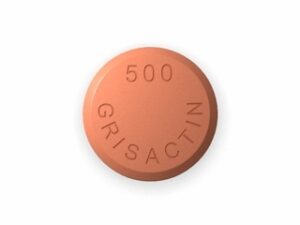
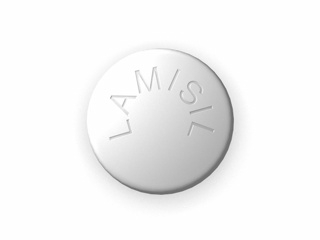
Lamisil (Terbinafine) – Patient Information (UK)
Lamisil contains terbinafine, an antifungal medicine used to treat infections caused by dermatophytes (fungi that commonly affect skin, nails and hair). This guide explains what Lamisil is, how it works, how it is used, and what to know for safe and effective treatment in the United Kingdom.
Basic product information
| Category | Details |
|---|---|
| Active ingredient | Terbinafine |
| Brand name(s) | Lamisil |
| Common formulations | Tablets (oral) and topical creams/gel/spray (depending on the product) |
| Type of medicine | Antifungal |
| Where it is used | Skin infections (e.g., athlete’s foot), and nail infections (onychomycosis) in suitable cases |
| Target fungi | Dermatophytes; some yeasts in certain conditions depending on formulation and organism |
Lamisil is used for fungal infections affecting the skin and nails. The exact duration depends on the site of infection and the severity.
How Lamisil works (mechanism of action)
Terbinafine works by blocking a key step in fungal cell membrane formation. Specifically, it inhibits the enzyme squalene epoxidase. This reduces the production of ergosterol, a vital component of fungal cell membranes, leading to fungal cell death or inhibition of growth.
- Faster fungal kill: By disrupting membrane formation, terbinafine helps stop the fungus from spreading.
- Targeted antifungal effect: It is most effective against dermatophytes, which are common causes of ringworm and athlete’s foot.
Pharmacokinetics: how the body handles terbinafine
Pharmacokinetics describes what happens after taking terbinafine—absorption, distribution, metabolism, and elimination.
Oral terbinafine (tablets)
- Absorption: Terbinafine is absorbed after oral dosing. Overall absorption is fairly consistent, though timing with meals may influence peak levels.
- Distribution: The medicine distributes into skin and nails. Because nail growth is slow, improvement may take weeks to months even after treatment stops.
- Metabolism: Terbinafine is metabolised mainly in the liver.
- Excretion: Metabolites are eliminated primarily via the kidneys (urine) and to some extent via bile/feces.
Topical terbinafine (cream/gel/spray)
- Absorption: Topical absorption is generally limited compared with tablets; most of the effect is local on the skin.
- Onset: Skin symptoms often improve within days, but it is important to finish the course to reduce recurrence.
What Lamisil is typically used for
Lamisil treats fungal infections where terbinafine is appropriate. Common indications include:
Skin (topical and sometimes oral)
- Athlete’s foot (tinea pedis): itching, scaling, peeling, or soreness between toes or on the soles.
- Ringworm (tinea corporis): ring-shaped or spreading patches on the body.
- Jock itch (tinea cruris): fungal infection in the groin area.
- Fungal infection of the skin caused by susceptible dermatophytes.
Nails (usually oral)
- Onychomycosis (fungal nail infection): thickened, discoloured nails, crumbling or separation from the nail bed.
If symptoms do not improve, or if the infection may be something else (for example, eczema, psoriasis, or a bacterial infection), treatment may need review. Correct diagnosis helps you choose the right antifungal.
Timing: when you might notice improvement
Timing varies by the type of infection and the formulation.
- Skin infections: Many people notice improvement within a few days of using topical terbinafine. Symptoms such as itching and redness often settle first, while complete clearance can take longer.
- Nail infections: Nails grow slowly. Even when fungal growth is stopped, the nail may take many weeks to look normal. Discolouration may gradually move towards the tip as healthy nail replaces the infected part.
- Finishing treatment matters: Stopping early can increase the chance of recurrence.
Dosing and practical instructions
Important note
Different Lamisil products exist (for example, tablets vs creams/sprays). Use the instructions supplied with your specific pack. The information below is general and helps you understand typical dosing approaches used in the UK.
Typical oral dosing (tablets)
Oral dosing depends on the condition being treated. In many adults, commonly used regimens include:
- Nail fungus (onychomycosis): Often treated using a longer course because nail growth is slow. Typical adult regimens may involve once-daily terbinafine over several weeks, or depending on whether nails or specific patterns are involved.
- Skin fungus: Oral terbinafine may be considered for widespread or difficult skin infections, depending on medical assessment.
Because regimens can differ by pack strength and the exact condition, always follow the dosing written for your product and the instructions that come with it.
Typical topical use (cream/gel/spray)
Topical terbinafine is applied to affected areas and usually continued for long enough to clear the fungus even when symptoms improve.
- Before applying: Wash the area with water, dry thoroughly (including between folds or toes), and remove any loose scales gently.
- Apply thinly: Cover the affected patch and a small surrounding margin to reduce spread.
- Wash hands after use: Unless the hand is the treated area, wash hands to avoid spreading the fungus.
- Continue the course: Even if symptoms look better, finish the recommended treatment duration.
Missed dose guidance
If you miss a dose of oral tablets, take it when you remember unless it is close to the next scheduled dose. Avoid double dosing. For topical products, apply as soon as you remember, then resume the usual schedule. If unsure, check the leaflet for your exact product.
Food interactions
Food may influence the absorption of oral terbinafine, but it is generally considered practical for most people. Many product instructions allow taking terbinafine with or without food.
- Practical approach: Take your tablets at the same time each day. If your stomach is sensitive, taking with food may be more comfortable.
- Consistency helps: Try not to vary timing widely day-to-day.
Always refer to the leaflet for your specific pack, as instructions can vary by formulation and strength.
Alcohol interactions
Alcohol does not have a direct “antifungal neutralising” effect with terbinafine, but combining alcohol with medicines that are processed by the liver can increase the burden on the liver. Because terbinafine is metabolised largely in the liver, it is sensible to:
- Limit alcohol during treatment, especially if you drink heavily or have liver problems.
- Be alert to symptoms: If you develop nausea, unusual fatigue, dark urine, pale stools, yellowing of skin/eyes, or persistent right upper abdominal pain, seek medical advice promptly.
If you have a history of liver disease or abnormal liver tests, discuss alcohol and medicine safety with a healthcare professional before starting.
Medicine interactions
Interactions occur when one medicine changes how another medicine works or how your body processes it. Terbinafine tablets can interact with certain other medicines.
Examples of potential interaction areas
- Medicines affected by liver enzymes: Terbinafine may affect enzymes involved in drug metabolism. This could change blood levels of some medicines, potentially requiring dose adjustment.
- Some antidepressants and antipsychotics: Certain medicines may have altered levels with terbinafine.
- Warfarin and other anticoagulants: Changes in drug levels can influence bleeding risk. If you take anticoagulants, you may need closer monitoring.
- Other antifungals: Combining without guidance may not improve results and could increase side-effect risk.
This is not a complete list. If you are taking other medicines (including over-the-counter products, herbal remedies, or supplements), check the leaflet or ask a pharmacist before starting. For topical terbinafine, systemic interactions are generally less common because absorption is lower.
Safety profile and side effects
Common side effects
Side effects vary depending on whether you use tablets or topical products.
- Topical: mild skin irritation, redness, burning, itching or dryness at the application site.
- Oral: gastrointestinal upset (e.g., feeling sick, diarrhoea, abdominal discomfort), headache, altered taste (including taste reduction), or fatigue.
Serious warnings: seek prompt advice
Serious reactions are uncommon, but it is important to know the warning signs.
- Liver problems: symptoms such as yellowing of the skin/eyes, dark urine, persistent nausea/vomiting, severe fatigue, or pale stools.
- Severe skin reactions: blistering, widespread rash, or peeling skin.
- Allergic reactions: swelling of the face/lips, difficulty breathing, or severe rash.
If you experience any of the above, stop and obtain urgent medical advice.
Who should be extra cautious?
- People with a history of liver disease or previously abnormal liver function tests.
- People taking medicines that may interact with terbinafine.
- People with a history of allergic reactions to similar medicines.
- Children and teenagers: use only as directed for the specific product and age group.
- Pregnancy and breastfeeding: safety varies; seek appropriate medical advice before use.
Driving and operating machinery
Terbinafine is not usually expected to impair driving. However, if you feel dizzy, unusually tired, or unwell, avoid activities requiring alertness until you feel better.
Practical use tips (to improve success and reduce recurrence)
- Keep the area dry: Fungi thrive in warm, moist conditions. For athlete’s foot, dry between toes carefully.
- Follow hygiene measures: Change socks daily (or more often if sweaty). Use breathable footwear.
- Don’t share towels: Sharing towels and socks can spread fungal spores.
- Address the source: If you have athlete’s foot, it can spread to nails. Treating skin infections can reduce nail reinfection risk.
- Trim and care for nails: For nail infections, gently trim thickened nails and keep them clean and dry (avoid injury).
- Consider household items: Wash bedding, towels, and socks regularly. Consider antifungal foot powder/sprays if suitable.
- Be patient: With nails, “looking better” lags behind “fungus killed” because nail regrowth takes time.
- Check for recurrence factors: Ongoing dampness, ill-fitting footwear, communal showers, or untreated infected relatives/partners can contribute.
Alternative treatment options
If Lamisil is not suitable, alternatives depend on the type of fungal infection (skin vs nail), the fungus suspected, and severity. Examples include:
Other antifungals for skin
- Azoles (e.g., clotrimazole, miconazole): often available as creams; helpful for many superficial fungal infections.
- Other allylamines: topical terbinafine is an allylamine; alternatives may exist depending on local availability.
- Antifungal sprays/powders: may help reduce moisture and prevent spread, but are usually not the main treatment for nail disease.
For nail fungus
- Other oral antifungals (where appropriate): different options may be used depending on your situation and suitability.
- Topical nail antifungal lacquers: can be suitable for mild cases, though they typically take longer and may be less effective for extensive disease.
- Non-medicine options: nail debridement or professional trimming may be used alongside antifungal treatment.
Choosing an alternative should consider diagnosis accuracy, drug interactions, liver safety, and expected treatment duration.
United Kingdom: market and legal context
In the UK, antifungal medicines including terbinafine are supplied through pharmacies and healthcare services in different ways depending on the specific product and strength. Availability may vary:
- Topical antifungals are commonly available for self-care for suitable conditions.
- Oral antifungal tablets may require assessment depending on local supply pathways and the product’s licensing status.
- Pharmacist support: Community pharmacists can advise on correct diagnosis cues, suitable self-treatment, and when referral is needed.
Always ensure the medicine you choose matches the infection type (skin vs nail) and is used exactly as directed on the pack. If you have diabetes, poor circulation, immune suppression, or frequent recurrences, seek advice before prolonged self-treatment.
Recent guidance and antifungal stewardship
In recent years, healthcare advice across the UK has emphasised responsible use of antifungals:
- Confirm the likelihood of fungal infection: many skin conditions mimic fungal disease. If the rash is atypical, worsening, or not responding to correct therapy, reassessment is recommended.
- Avoid unnecessary prolonged courses: using an antifungal longer than recommended may increase side effects without added benefit.
- Use correct formulation: topical medicines generally do not treat nail infections effectively on their own in most cases, while oral medicines may be unnecessary for mild superficial skin disease.
- Prevent reinfection: hygiene measures and treating contributing factors can improve long-term outcomes.
Delivery and availability (UK online pharmacy)
Availability and delivery options depend on the product format and regulatory requirements. When ordering online in the UK:
- Check product details: confirm whether you are buying tablets (oral) or topical terbinafine, and ensure the pack size matches the intended course length.
- Delivery times: standard and express options may be offered; dispatch times vary by supplier and stock.
- Temperature and storage: follow storage instructions on the pack (typically store at room temperature unless otherwise stated).
- Track your delivery: you may receive email updates or tracking details.
If you have questions about choosing the right product strength or duration, a pharmacist can help guide you based on symptoms and your medical history.
FAQ
1. How long does Lamisil take to work?
For skin infections, improvement is often seen within a few days with topical terbinafine, though full clearance may take longer. For nail infections, changes can take many weeks because the nail must grow out.
2. Can I use Lamisil on any fungal infection?
Lamisil is effective against many fungi, especially dermatophytes, but not all rashes are fungal. If symptoms are unusual, spreading quickly, painful, or not improving as expected, it’s important to get the diagnosis checked.
3. Should I stop treatment once I feel better?
No. Even if symptoms improve, continuing for the full recommended duration reduces the chance of recurrence. For nails in particular, stopping early may leave remaining fungus.
4. Is it safe to drink alcohol while taking Lamisil?
It’s usually best to limit alcohol during terbinafine treatment, especially if taking oral tablets or if you have liver concerns. If you develop symptoms that could indicate liver problems, seek prompt medical advice.
5. What if I miss a dose?
If you miss a tablet dose, take it when you remember unless it is close to the next scheduled dose—then continue as normal. For topical products, apply when you remember and resume your usual routine. Avoid double dosing.
6. Will Lamisil cure nail fungus?
Many people improve substantially when treated correctly, but nail fungus often requires longer courses and good ongoing nail/foot hygiene. Completion of the recommended regimen is key, and recurrence can occur without preventative measures.
7. Can Lamisil be used with other creams?
Sometimes. However, applying multiple products at the same time may affect absorption or irritate the skin. If you plan to use moisturisers, steroid creams, or other antifungals alongside terbinafine, ask a pharmacist for advice—particularly if the skin is inflamed.
8. What should I do if my skin becomes more red or itchy?
Mild irritation can happen with topical use. If you develop significant worsening, swelling, blistering, or signs of allergy (such as facial swelling or breathing difficulty), stop using the product and seek medical help.
9. Who should get medical advice before using oral terbinafine?
People with liver disease, a history of abnormal liver tests, those taking interacting medicines (such as some anticoagulants), and pregnant or breastfeeding individuals should seek advice. Also consult a professional if you have persistent symptoms or if you are unsure whether the cause is fungal.
10. Do I need to treat my household contacts?
Not always, but if others show symptoms consistent with fungal infection (itching, ring-shaped rashes, athlete’s foot), they may need assessment and treatment. Good hygiene helps reduce spread.
Summary
Lamisil (terbinafine) is an antifungal medicine used for fungal infections of the skin and nails. It works by blocking fungal cell membrane formation, and—when used correctly—helps clear infection and prevent spread. Skin infections may improve quickly, while nail infections require longer treatment and patience due to slow nail growth. Pay close attention to dosing, finish the course, avoid reinfection, and seek advice promptly if you experience warning signs such as possible liver problems or severe allergic reactions.