Grisactin (Griseofulvin) – Patient Information
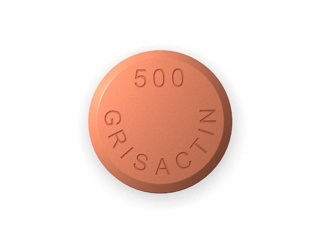
Grisactin is a medicine used to treat certain fungal (ringworm/dermatophyte) infections of the skin, hair and nails. It contains griseofulvin, an antifungal medicine taken by mouth. This page is designed to be patient-friendly and explains how Grisactin works, how to take it safely, and what to expect.
Always follow the instructions given with your medicine. If you are unsure about your condition or how to use Grisactin, speak to a healthcare professional.
1) Basic product information
| Item | Details |
|---|---|
| Medicine name | Grisactin |
| Active ingredient | Griseofulvin |
| Medicinal use | Systemic (oral) antifungal for dermatophyte infections |
| How it is taken | By mouth as tablets/suspension depending on brand presentation |
| Typical treatment length | Often weeks to months, depending on site and severity |
| Common side effects | Headache, nausea, stomach upset, rash; occasional liver effects |
2) How Grisactin works (mechanism of action)
Griseofulvin works against fungi by interfering with how they build their cell structures. It targets fungal cells particularly during the growth phase, helping prevent the fungus from multiplying.
The medicine also has an affinity for keratin (the protein in skin, hair and nails). As keratin is renewed and grows, new, drug-containing keratin helps make it harder for dermatophytes to infect the growing tissue.
This is why treatment often needs to continue for long enough to replace infected hair/nail material.
3) Pharmacokinetics (what the body does to the medicine)
Pharmacokinetics describes absorption, distribution, metabolism and elimination—how the body handles a drug. For griseofulvin:
- Absorption: Griseofulvin is absorbed from the gut, and food can increase absorption (especially fat-containing meals, depending on the formulation).
- Distribution: The drug distributes to tissues including skin, hair and nails, where it can remain long enough to affect fungal growth during tissue renewal.
- Metabolism: It is metabolised mainly in the liver. This is one reason liver monitoring and caution are important.
- Elimination: The medicine and its metabolites are removed from the body primarily via the kidneys and/or bile, depending on metabolic pathways.
Because infection clearance takes time (especially for nails), the duration of treatment is often longer than the time it takes for symptoms to improve.
4) Typical use and timing
Grisactin is typically used for dermatophyte infections, such as:
- Ringworm of the skin (tinea corporis)
- Athlete’s foot (tinea pedis)
- Jock itch (tinea cruris)
- Scalp ringworm (tinea capitis)
- Nail fungus (onychomycosis)
Treatment timing depends on where the fungus is and how quickly new skin/hair/nail grows:
- Skin infections: Often improve over a few weeks, but therapy usually continues until adequate clearance.
- Scalp infections: Usually require a longer course; hair regrowth and lesion resolution can take time.
- Nail infections: Commonly require months because nails grow slowly.
Many people notice symptom relief (less itching, less redness) before the infection is fully cleared. For best results, continue taking the medicine for the full course recommended by your healthcare professional.
5) Food interactions
Food can affect how much Grisactin absorbs from the gut. In many patients, taking it with food (often with meals) improves uptake compared with taking it on an empty stomach.
Practical advice:
- Take Grisactin with or after food, unless your clinician or the product instructions say otherwise.
- Try to take each dose at a similar time each day.
- If you experience stomach upset, taking it with food may help.
6) Alcohol and medicine interactions
Alcohol
Alcohol may increase the risk of side effects, particularly those involving the liver or the stomach. It’s sensible to limit alcohol while taking griseofulvin and avoid heavy drinking.
If you have liver disease, a history of abnormal liver tests, or symptoms such as yellowing of the skin/eyes or dark urine, seek medical advice promptly.
Other medicines
Griseofulvin can interact with other medicines, because it may affect how some drugs are metabolised in the liver. This can change drug levels and increase risk of side effects or reduce effectiveness.
Tell your healthcare professional or pharmacist about all medicines you take, including:
- Other antifungal medicines
- Warfarin (blood thinner)
- Oral contraceptives (see below)
- Some anti-epileptic medicines (for seizures)
- Immunosuppressants
- Herbal products (for example, St John’s wort)
Oral contraceptives: Griseofulvin may reduce the effectiveness of hormonal contraception. Use additional non-hormonal contraception during treatment and for a period after stopping, as advised by a clinician.
7) Indications (what Grisactin is used to treat)
Grisactin is indicated for dermatophyte fungal infections involving keratinised tissues, including:
- Skin: ringworm and related dermatophyte infections
- Scalp: tinea capitis
- Nails: onychomycosis caused by susceptible dermatophyte species
It is not generally the right treatment for all fungal infections (for example, infections caused by organisms that are not dermatophytes may need different therapies).
8) Dosing (general guidance)
The exact dose and duration depend on factors such as age, body weight, infection site (skin/scalp/nails), severity, and the particular product presentation.
Important: Use the dose stated on your medicine label or as advised by your healthcare professional. Below is general information to help you understand how dosing is commonly approached.
Typical dosing principles
- Adults: Dosing is usually based on the severity and area infected, and how well the medicine is tolerated.
- Children: Doses are often based on body weight and age, with extra care regarding side effects and monitoring.
- Nail infections: Longer courses are commonly needed. The “effective treatment time” often extends beyond when symptoms improve, until healthy nail replaces infected nail.
Taking the medicine correctly
- Take the prescribed number of doses each day (commonly once or twice daily depending on the regimen).
- Follow with food or after meals as advised by your pharmacist or the product instructions.
- Do not double up if you miss a dose—take the next dose at the correct time.
Missed dose advice
If you miss a dose, take it as soon as you remember unless it is nearly time for the next dose. In that case, skip the missed dose and continue as normal. If you are unsure, contact your pharmacist.
9) Safety profile (side effects and when to seek help)
Like all medicines, griseofulvin can cause side effects. Many people experience none or only mild effects, but it’s important to know what to watch for.
Common side effects
- Headache
- Nausea, vomiting, stomach discomfort
- Diarrhoea or indigestion
- Rash or itching
- Fatigue or dizziness (occasionally)
Serious side effects (seek prompt medical advice)
Contact a healthcare professional urgently if you develop any signs of a serious reaction, including:
- Signs of liver problems: yellowing of the skin or eyes (jaundice), dark urine, pale stools, severe tiredness, or right upper abdominal pain
- Severe skin reactions: widespread rash, blistering, or peeling skin
- Allergic reactions: swelling of the face/lips, difficulty breathing, or severe hives
- Unusual bruising or bleeding
- Persistent fever or severe sore throat with feeling unwell
Who needs extra caution
- People with liver disease or a history of abnormal liver function tests
- People who take multiple medicines (risk of interactions)
- Those with a history of skin reactions to medicines
- Patients who are pregnant or breastfeeding—discuss suitability and risk/benefit with a healthcare professional
Monitoring
Depending on your health history and expected duration, your clinician may arrange periodic blood tests (for example, liver function) during treatment. Follow the monitoring plan provided.
10) Practical use tips for best results
Follow the full course
Dermatophyte infections often relapse if treatment stops early. Even if you feel better, keep going for as long as advised, especially for scalp and nail infections.
Use supportive hygiene measures
- Keep the affected area clean and dry.
- Wash hands after applying any topical treatments.
- Don’t share towels, combs, hats or nail clippers.
- Change socks regularly; consider breathable footwear for athlete’s foot.
- For tinea pedis, manage shoes and socks as re-infection can happen from contaminated footwear.
Be aware of contagion
Ringworm can spread between people and to pets. If you live with others, consider preventing spread by avoiding sharing personal items and keeping hygiene strict.
Track progress
Note symptom changes (itching, redness, scaling) and how long treatment has been taken. If there is no improvement after a reasonable time, or symptoms worsen, contact a healthcare professional.
Don’t use steroids on their own
Creams containing corticosteroids may temporarily reduce inflammation but can worsen underlying fungal infections if used alone. Seek advice before using steroid creams on suspected ringworm.
11) Alternative options
Treatment choice depends on the infection site, severity, suspected organism, and your medical history. In the UK, clinicians may choose different antifungals, sometimes topical treatments, sometimes oral therapies.
Common alternative treatments (depending on infection type)
- Topical antifungals: for many skin and mild foot/scalp cases (examples include terbinafine, clotrimazole, miconazole). These may be sufficient for limited skin infections.
- Other oral antifungals: for extensive disease or nail/scalp infections. Alternatives sometimes include terbinafine, itraconazole or fluconazole depending on the case.
- Combination strategies: oral therapy plus topical treatment may be used in certain situations.
If you are not improving on Grisactin, or you cannot tolerate it, your clinician can advise whether another antifungal or a different regimen is more appropriate.
12) Market and legal context in the United Kingdom
In the UK, antifungal medicines are supplied under regulated medicines legislation. Grisactin (griseofulvin) has been an established treatment for susceptible dermatophyte infections. Availability, pack sizes, and prescribing/dispensing pathways can vary.
Online pharmacies operating in the UK follow standard regulatory requirements. The information in this page is for education and safe use; it does not replace professional advice.
For the latest UK-specific advice on antifungal treatments, clinicians may refer to:
- Local prescribing guidance
- National formularies and evidence-based clinical recommendations
- Medicines regulatory updates from relevant UK authorities
13) Recent guidance and clinical considerations
Guidance for fungal infections evolves as new evidence emerges and as resistance patterns change. Clinicians commonly consider:
- Whether the infection is truly fungal and caused by dermatophytes (sometimes confirmed by sampling)
- The best route of treatment (topical vs oral) based on location and severity
- Drug interaction risk, especially with long courses
- Local policies on monitoring (for example, liver function tests when using oral antifungals)
- Patient preference and tolerance
If you are unsure whether Grisactin is the right choice for your specific infection, a healthcare professional can advise based on diagnosis and expected organism.
14) Delivery and availability (United Kingdom)
Grisactin availability can vary by manufacturer, formulation, and current supply in the UK. If you order online, availability status may update depending on stock levels.
What to expect:
- Orders may be dispatched once stock is confirmed.
- Delivery times depend on your location and the courier used.
- Some products may require additional processing or may occasionally be out of stock.
If your preferred pack size is not available, your pharmacy may be able to advise on alternatives that contain the same active ingredient or clinically appropriate options.
15) Frequently Asked Questions (FAQ)
How long does it take for Grisactin to work?
Improvement can begin within weeks, but full clearance depends on the site: skin infections may improve faster, while scalp and nail infections often require longer courses. Nail infections can take many months because nails grow slowly.
Can I stop early if my symptoms improve?
It’s best not to stop early. Even if symptoms settle, fungus may still be present. Complete the course recommended by your healthcare professional to reduce relapse risk.
Should I take Grisactin with food?
Often, taking griseofulvin with or after meals improves absorption and may reduce stomach upset. Follow the instructions on your medicine label or from your pharmacist.
What should I do if I miss a dose?
Take it when you remember unless it’s close to your next dose. Do not double up. If unsure, check with your pharmacist.
Is it safe to drink alcohol while taking Grisactin?
It’s advisable to limit alcohol. Because griseofulvin is processed by the liver, heavy or frequent alcohol intake may increase the risk of liver-related side effects or stomach upset.
Will Grisactin interact with my other medicines?
It can. Griseofulvin may interact with some medicines by affecting liver metabolism. Tell your pharmacist or clinician about all medicines and supplements you take, including herbal products.
Does Grisactin affect contraception?
Griseofulvin may reduce the effectiveness of hormonal contraceptives. Use additional non-hormonal contraception during treatment and for a period after stopping, as advised by a healthcare professional.
Are there any warning signs I should watch for?
Yes. Seek prompt medical advice for signs of liver problems (jaundice, dark urine), severe rash or blistering, swelling or breathing difficulties, or severe/worsening illness.
Can I use creams or steroid creams as well?
Sometimes creams are used alongside oral therapy, but steroid creams should not be used alone for suspected fungal infections. Ask a pharmacist or clinician for advice on suitable topical treatments.
What if my infection doesn’t improve?
Lack of improvement may mean the diagnosis is different, the fungus is resistant, or the regimen needs adjustment. Contact your healthcare professional for review rather than continuing indefinitely without reassessment.
Are there alternatives if I can’t take Grisactin?
Depending on the infection type and your medical history, clinicians may consider other topical or oral antifungals. Discuss options with a healthcare professional.
Summary
Grisactin (griseofulvin) is an oral antifungal medicine used for dermatophyte infections affecting skin, hair and nails. It works by disrupting fungal growth and by binding to keratin as new tissue forms. Food can improve absorption, and alcohol should be limited due to potential liver and stomach effects. Treatment length is often weeks to months, especially for scalp and nail infections—finishing the full course is important.