Norfloxacin
Norfloxacin is an antibiotic from the fluoroquinolone group used to treat certain bacterial infections. It is designed to stop bacteria from multiplying, helping your body clear the infection. This page explains how norfloxacin works, how it is used, what to watch for, and practical tips to help you get the best from your treatment.
Important: Always follow the advice of a healthcare professional. Antibiotics only work against bacteria, not viruses (such as colds or flu). If your symptoms worsen or do not improve as expected, seek medical advice promptly.
Basic product information
- Medicine name: Norfloxacin
- Medicinal group: Fluoroquinolone antibiotic
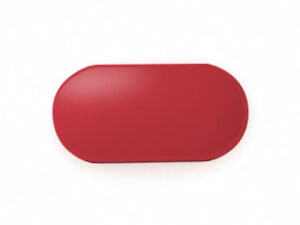
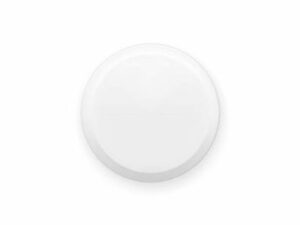
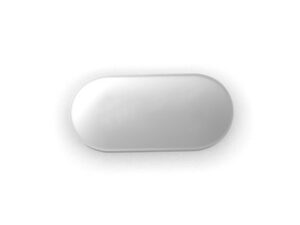
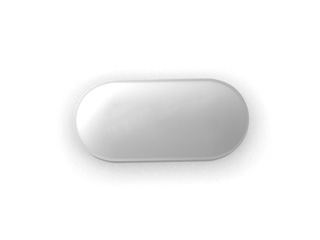
- Common formulation: Oral tablets (strengths vary by product)
- How it’s taken: By mouth, with or without food depending on tolerability and specific instructions
- Who it’s for: Used in selected bacterial infections where it is appropriate
How norfloxacin works (mechanism of action)
Norfloxacin works by interfering with essential bacterial enzymes required for DNA replication. Specifically, it inhibits:
- DNA gyrase (topoisomerase II)
- Topoisomerase IV
By blocking these enzymes, norfloxacin prevents bacteria from copying their genetic material and dividing, leading to bacterial death or inability to multiply. The antibiotic’s effectiveness depends on reaching adequate drug levels at the infection site and taking it as directed.
Pharmacokinetics (how your body handles norfloxacin)
Pharmacokinetics describes what happens to a medicine in the body—absorption, distribution, metabolism, and excretion. For norfloxacin, key points include:
- Absorption: Taken by mouth and absorbed from the gastrointestinal tract. Food and mineral-containing products can reduce absorption in some cases.
- Distribution: Norfloxacin distributes into body tissues and fluids, with notable activity in parts of the urinary tract.
- Metabolism: Limited metabolism occurs; most of the active drug remains available.
- Excretion: A significant proportion is eliminated via the kidneys, which is one reason it has been used in urinary infections.
Individual factors such as kidney function, age, and other medicines can affect drug exposure. If you have kidney problems, dosing may need adjustment by a clinician.
Typical use in the UK
Norfloxacin is used to treat specific bacterial infections, most commonly certain infections of the urinary tract. Whether it is suitable depends on the suspected organism, local resistance patterns, patient factors, and clinical guidelines.
Because antibiotic resistance is an ongoing concern, healthcare professionals often consider other options first when appropriate. Norfloxacin may be chosen when it matches the infection type and sensitivity profile.
Indications: what norfloxacin is used for
In clinical practice, norfloxacin may be used for conditions such as:
- Uncomplicated urinary tract infections (UTIs) caused by susceptible bacteria
- Recurrent UTIs in selected patients under medical review
- Certain other bacterial infections where a clinician determines that norfloxacin is appropriate
The exact indication and suitability can vary depending on product licence status, local policy, and your medical history. Use only for the condition your clinician has advised.
Dosing: how to take norfloxacin
Dose schedules vary by indication, severity, and kidney function. A common approach for norfloxacin in susceptible UTIs has involved oral dosing taken multiple times daily. Your clinician will specify the exact dose and duration for your situation.
General dosing principles (follow your instructions):
- Take at evenly spaced times to help maintain consistent antibiotic levels.
- Complete the course as advised, even if you feel better before it finishes.
- Do not change the dose without medical advice.
- Use caution with kidney impairment; dose adjustment may be required.
If you miss a dose, take it when you remember unless it’s close to the time of your next dose. Do not take a double dose to make up for a missed one. If you are unsure, ask a pharmacist or clinician for advice.
Timing: when to take each dose
To support effectiveness, try to take norfloxacin at consistent times each day. Examples of practical timing (adjust to your prescribed schedule):
- Twice daily: morning and evening, about 12 hours apart.
- Three times daily: morning, afternoon, and evening, spaced roughly evenly.
If you also take other medicines (especially antacids or mineral supplements), you may need to separate doses to avoid reduced absorption (see “Food and interactions”).
Food interactions and what to watch for
Food can influence how much norfloxacin you absorb. In many cases, it may be taken with or without food, but to ensure consistent absorption:
- Try to take it consistently with respect to meals (for example, always with food or always on an empty stomach) unless you were told otherwise.
- Be cautious with dairy and minerals (see below), since high-calcium products can reduce absorption for some fluoroquinolones.
Milk, yoghurt, and calcium-containing foods
Many people notice no major issues, but for best absorption, clinicians often advise separating norfloxacin from large amounts of dairy or calcium supplements. If you are using supplements, follow the separation advice from your pharmacist.
Antacids and mineral supplements (important)
Norfloxacin can bind to certain minerals in the gut, reducing absorption. This includes:
- Antacids containing aluminium or magnesium
- Iron supplements
- Zinc supplements
- Calcium supplements (especially at high doses)
A common practical rule is to separate these products from norfloxacin by several hours. Ask your pharmacist for the exact timing for your dose schedule and product.
Alcohol and medicine interactions
Moderate alcohol use may not directly react with norfloxacin in the way some medicines do, but alcohol can worsen side effects such as dizziness, nausea, or diarrhoea—making it harder to tolerate treatment.
- Recommendation: Consider avoiding alcohol during treatment if possible, especially if you experience side effects.
- Stay hydrated: If you have an infection that affects your urinary tract or causes fever, drinking fluids can support recovery.
Interactions with other medicines
Norfloxacin can interact with certain medicines. Tell your healthcare professional about all medicines you take, including over-the-counter products and herbal remedies. Key interaction categories include:
- Medicines containing metal ions (antacids, iron, zinc, magnesium, aluminium, calcium supplements): can reduce absorption.
- Non-steroidal anti-inflammatory drugs (NSAIDs) (e.g., ibuprofen, diclofenac): may increase the risk of central nervous system stimulation in susceptible people.
- Oral anticoagulants (e.g., warfarin): may affect bleeding tendency; monitoring may be required.
- Medicines that affect heart rhythm or lower potassium/magnesium: some antibiotics can contribute to rhythm risk in certain individuals.
- Theophylline: can increase theophylline effects; dose changes may be needed.
- Corticosteroids (e.g., prednisolone): may increase risk of tendon problems in combination.
This list is not exhaustive. If you are unsure whether a medicine or supplement might interact, check with a pharmacist.
Safety profile: side effects and when to seek urgent help
Common and expected side effects
Like all medicines, norfloxacin can cause side effects. Many are mild and improve as your body adjusts. Common or possible side effects include:
- Nausea
- Vomiting
- Diarrhoea (mild in some people)
- Headache
- Dizziness
- Stomach discomfort
- Vaginal yeast infection in some women
- Changes in taste (less common)
Serious side effects (seek urgent advice)
Although uncommon, some reactions require prompt medical attention. Contact urgent care or seek immediate medical advice if you experience:
- Severe or persistent diarrhoea, especially if watery or with blood/mucus (possible antibiotic-associated colitis)
- Allergic reaction signs: facial swelling, rash, wheezing, or difficulty breathing
- Tendon pain or swelling (particularly the Achilles tendon), or sudden weakness—fluoroquinolones have been linked to tendon injuries
- Numbness, tingling, burning pain, or weakness in hands/feet (possible nerve effects)
- Severe dizziness, fainting, palpitations, or chest pain
- Seizure (rare but urgent)
- Worsening mood, confusion, hallucinations or unusual behavioural changes
If you develop any severe or worrying symptoms, stop and seek help as advised by your clinician or local urgent care service. Do not wait for the symptoms to “pass” if they are intense or rapidly worsening.
Who should use extra caution
Extra caution is generally advised for people with:
- Kidney impairment
- History of tendon disorders or tendon injury
- Known risk factors for irregular heart rhythm (including certain ECG abnormalities)
- Neurological conditions that may be worsened by certain side effects
- Myasthenia gravis (fluoroquinolones may worsen muscle weakness in susceptible individuals)
Your clinician can weigh risks and benefits and decide whether norfloxacin is appropriate for you.
Practical use tips for better outcomes
- Stay consistent with timing: Taking doses at regular intervals supports antibiotic effectiveness.
- Separate mineral products: Keep antacids or iron/zinc supplements away from norfloxacin by the recommended number of hours.
- Drink fluids: Adequate hydration can help comfort, especially in urinary infections.
- Take note of side effects early: If you feel unusual symptoms (pins and needles, tendon pain), contact a clinician promptly.
- Don’t stop early: Completing the course helps reduce risk of recurrence and resistance.
- Monitor your infection: Symptoms should start improving within a few days (timing varies by infection and severity). If no improvement occurs, seek advice.
How long does norfloxacin take to work?
Many people begin to feel improvement within 24–72 hours after starting effective antibiotic treatment, depending on the type of infection. Complete resolution may take longer.
If symptoms worsen at any point, or you feel no improvement after the period your clinician indicated, contact a healthcare professional. You may need reassessment and possibly a different antibiotic if resistance is suspected.
Alternative options
Alternatives depend on the infection, the bacteria suspected, local resistance patterns, your medical history, and kidney function. Options may include other antibiotic classes or, in some cases, watchful waiting for mild cases if appropriate.
Common alternative antibiotic approaches for UTIs may include:
- Nitrofurantoin
- Trimethoprim (where suitable and based on resistance/local guidance)
- Fosfomycin (in some settings)
- Amoxicillin/other beta-lactams (selected cases)
For recurrent or complicated infections, clinicians may also consider urine culture results, imaging, or preventive strategies. A pharmacist or clinician can help explain which alternative is most appropriate for your situation.
Market and legal context for the UK
In the United Kingdom, antibiotics are regulated and must be used responsibly. Fluoroquinolone antibiotics—including norfloxacin—are subject to careful prescribing due to known risks and the importance of antibiotic stewardship.
Prescribing decisions are influenced by:
- National and local antimicrobial guidance
- Public Health and antimicrobial stewardship priorities
- Individual patient risk factors
- Suspected/confirmed bacterial sensitivity
Recent guidance and stewardship considerations
UK antimicrobial stewardship aims to ensure antibiotics are used only when needed and with the right choice, dose, and duration. For fluoroquinolones, guidance in many settings emphasises:
- Using fluoroquinolones when other suitable options are not appropriate or when specific indications apply
- Considering patient-specific risk factors (such as tendon disorders, neuropathy risk, heart rhythm concerns)
- Reviewing local resistance patterns and culture results where available
If you have been offered norfloxacin, it is typically because the prescribing clinician considers the balance of benefits and risks to be favourable for your infection.
Delivery and availability (UK)
Availability of norfloxacin can vary between pharmacies and over time depending on supply and product availability. Online pharmacy services in the UK typically offer:
- Home delivery: Options depend on the pharmacy’s delivery network and scheduling.
- Stock checks: Most pharmacies confirm availability before dispatch.
- Packaging: Medicines are generally shipped in secure, tamper-evident packaging.
On ordering, check the expected delivery window and any product-specific storage instructions. If you need the medicine urgently, contact customer support to confirm dispatch times.
Storage and handling
- Store at room temperature unless your label says otherwise.
- Keep away from moisture and heat.
- Keep out of sight and reach of children.
- Do not use after expiry date.
- Return unused medicine according to local pharmacy guidance.
FAQ
Is norfloxacin effective for UTIs?
Norfloxacin can be effective for certain urinary tract infections caused by susceptible bacteria. Effectiveness depends on the organism’s sensitivity and local resistance patterns. If symptoms do not improve, seek medical advice to reassess treatment.
Can I take norfloxacin with food?
Many people can take norfloxacin with or without food, but consistency is important. If you are advised to take it in a particular way, follow those instructions. Avoid large amounts of dairy or mineral-containing supplements close to your dose, unless your pharmacist has advised otherwise.
How should I separate norfloxacin from antacids or iron?
Antacids and mineral supplements (including iron, zinc, magnesium, aluminium, and some calcium products) can reduce absorption. Separate doses by several hours—your pharmacist can provide a specific schedule tailored to your dosing frequency and products.
What should I avoid while taking norfloxacin?
Consider avoiding:
- Alcohol (to minimise side effects and stomach upset)
- Taking mineral/antacid products too close to your dose
- Intense physical activity if you develop tendon pain or swelling (fluoroquinolones can increase tendon risk in some people)
What if I miss a dose?
Take it when you remember unless it is nearly time for the next dose. Do not take a double dose. If you are unsure, ask a pharmacist for advice.
When will I feel better?
Improvement often starts within a few days, though it varies by infection and severity. If you feel worse, develop new symptoms, or have no improvement within the expected timeframe, contact a healthcare professional.
Are there any serious warning signs?
Seek urgent medical advice if you develop signs of allergy, severe diarrhoea, tendon pain/swelling, nerve symptoms (numbness/tingling/burning), severe dizziness/fainting, or unusual neurological symptoms.
Can I drive or operate machinery?
Some people experience dizziness or headache. If you feel unwell or dizzy, avoid driving or operating machinery and wait until you feel steady again.
Who should not take norfloxacin?
Suitability depends on individual factors such as allergies, kidney function, and risk factors for fluoroquinolone side effects. If you have any concerns, discuss them with a clinician or pharmacist before starting.
Is norfloxacin the same as other fluoroquinolones?
Norfloxacin is a different medicine from other fluoroquinolones, though they share similar antibiotic mechanisms and some shared class warnings. Do not substitute medicines without professional advice.
Summary
Norfloxacin is an oral fluoroquinolone antibiotic used for selected bacterial infections, most commonly certain urinary tract infections caused by susceptible bacteria. It works by blocking bacterial enzymes needed for DNA replication. To maximise effectiveness and minimise interactions, take it at regular times, avoid taking it too close to antacids or mineral supplements, and monitor for side effects. If you experience severe symptoms—such as tendon pain, allergic reactions, severe diarrhoea, or nerve symptoms—seek medical help promptly.
For personal advice about your specific situation, speak to a pharmacist or healthcare professional.