
Praziquantel (Praziquantsel) – Patient-Friendly Guide
Praziquantel is a well-established medicine used to treat several parasitic worm infections. It is widely available in the UK for certain specific conditions, including infections caused by Schistosoma species (schistosomiasis) and some types of tapeworms. This guide explains how Praziquantel works, how it’s taken, what to expect, safety considerations, and practical tips for getting the best results.
Important: The exact regimen (dose and number of tablets) depends on the type of infection, your age, and other clinical factors. Always follow the dosing plan provided with your medicine or by your healthcare professional.
Basic product information
- Medicine name: Praziquantel
- Common uses: Treatment of schistosomiasis and certain tapeworm infections
- How it works: Kills parasites by affecting their muscles and outer covering
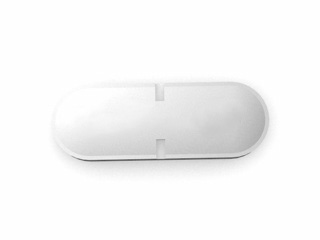
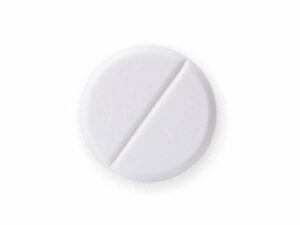
- Typical form: Tablets (strength varies by product brand)
- Availability in the UK: Availability may vary by formulation and indication
Different brands and strengths exist. If you’re unsure which strength you have, check the packaging or patient information leaflet.
Mechanism of action (how Praziquantel works)
Praziquantel works by damaging the parasites directly. Its main effects include:
- Disruption of parasite muscle function: Praziquantel causes rapid spasm and paralysis of susceptible worms.
- Changes to the parasite’s outer surface: It increases permeability and interferes with the parasite’s ability to maintain its protective functions.
- Damage leading to death: The combined effect leads to the parasite being killed and then cleared from the body.
Because the medicine targets certain biological features of specific parasites, it is not a “general dewormer” for all worms.
Pharmacokinetics (what the body does to the medicine)
Understanding pharmacokinetics can help explain timing and side effects.
- Absorption: Praziquantel is absorbed from the gut after you take a dose. Absorption can be improved when taken with food.
- Distribution: It spreads through the body and reaches the sites where susceptible parasites may be found.
- Metabolism: The liver metabolises Praziquantel extensively.
- Elimination: Metabolites are removed mainly via the kidneys and urine.
Kidney function usually plays less of a role than liver function for safe use, but your overall clinical situation matters—especially for repeated dosing schedules.
Typical use in the UK
Praziquantel is used for specific parasitic infections. Common indications include:
- Schistosomiasis (bilharzia): Infection caused by Schistosoma species after exposure to contaminated freshwater.
- Tapeworm infections: Certain species can be treated with Praziquantel, depending on location in the body.
In many cases, diagnosis is confirmed with stool or urine tests, or with clinical and travel history plus targeted testing.
Indications (when Praziquantel is used)
The exact indications depend on local guidance and the parasite type. In general, Praziquantel is indicated for:
- Schistosoma haematobium (urinary schistosomiasis)
- Schistosoma mansoni (intestinal schistosomiasis)
- Schistosoma japonicum and other Schistosoma species where Praziquantel is appropriate
- Certain tapeworm infections (species-specific)
Note: For tapeworms, the location of the parasite (intestinal vs tissue) can affect safety and the appropriate choice of medicine. For example, tissue-invasive infections may require urgent specialist assessment.
Dosing – what people commonly take
Dosing depends on the specific infection. Typical approaches include weight-based or species-based regimens.
General principles
- Weight-based dosing: Many schistosomiasis regimens use body weight (mg per kg).
- Split dosing: Often the total dose is divided over one day to improve tolerability.
- One-off vs repeat schedules: Some infections require a single day of treatment; others may need repeated doses after a period.
Common timing patterns (examples)
- Schistosomiasis: Often treated with a total daily dose given once or divided, commonly within the same day, though local protocols vary by species and clinical picture.
- Some tapeworm infections: Often treated with a single dose or a short regimen, depending on the species.
Always follow your dosing plan: Do not change the number of tablets or the timing without medical advice.
Timing: when and how to take Praziquantel
Praziquantel is commonly taken in divided doses. The best timing depends on the prescribed regimen and the food advice (see below).
- Take with food: Taking Praziquantel with food can improve absorption and may reduce stomach upset.
- Follow spacing instructions: If multiple doses are prescribed, they are usually spaced several hours apart.
- Complete the course: Finish the full prescribed regimen even if you feel better quickly.
If you miss a dose, the best action depends on how far you are from the scheduled time. Check the patient information leaflet or seek advice from a clinician or pharmacist.
Food interactions (what to eat and drink)
Food can influence how much Praziquantel your body absorbs.
- Taking with meals is generally recommended: It can improve absorption and may help reduce side effects such as nausea, dizziness, or abdominal discomfort.
- Alcohol can worsen side effects: See the alcohol section below for guidance.
Practical tip: If you find the medicine difficult to tolerate, taking it with a meal (or immediately after a meal) may help. Stay hydrated.
Alcohol and medicine interactions
Alcohol
Although there are no universal “absolute” alcohol prohibitions for every person, alcohol can increase the likelihood of side effects such as:
- dizziness or light-headedness
- nausea or stomach irritation
- drowsiness or slowed reaction time
Recommendation: It’s generally sensible to avoid alcohol during treatment and for at least 24–48 hours afterwards (or longer if you feel unwell). Ask a pharmacist if you have ongoing liver disease or heavy alcohol use.
Interactions with other medicines
Praziquantel is metabolised by the liver, so certain medicines can affect its levels. Some medicines may make Praziquantel less effective or increase side effects.
Tell a healthcare professional about all medicines and supplements you take, including:
- seizure medicines
- rifampicin or other antibiotics used for specific infections
- medicines for HIV or hepatitis
- some herbal supplements (for example, St John’s wort)
- warfarin and other anticoagulants (if applicable)
Key point: Do not start or stop any medicine during your treatment without checking first, especially if you take long-term medicines.
Safety profile and possible side effects
Like all medicines, Praziquantel can cause side effects. Many people experience mild, temporary effects—particularly soon after dosing—while others may have stronger reactions depending on the infection severity and the dose.
Common side effects
- Headache
- Dizziness or feeling light-headed
- Nausea
- Abdominal discomfort or cramps
- Fatigue or weakness
- Vomiting (less commonly)
Less common side effects
- Diarrhoea
- Fever or chills
- Muscle aches
- Skin reactions such as rash
When to seek urgent medical help
Contact a healthcare professional urgently or call emergency services if you develop:
- swelling of the face, lips, tongue, or throat
- trouble breathing or severe wheezing
- fainting or severe dizziness
- severe or persistent vomiting
- severe allergic rash or blistering skin
Infections and “post-treatment reactions”
Sometimes symptoms may temporarily worsen after treatment because parasites die and inflammatory reactions occur. This does not always mean the medicine is failing. However, worsening symptoms should be assessed—especially if they are severe, involve the nervous system, or are accompanied by fever.
Practical use tips (how to take it safely and comfortably)
- Take with food: This can improve absorption and reduce stomach upset.
- Plan for side effects: Some people feel dizzy or tired after dosing—avoid driving or operating machinery until you know how you respond.
- Hydrate: Sip water if you feel nausea.
- Don’t crush tablets unless advised: Follow the instructions in your leaflet or packaging.
- Keep a note of the schedule: Use a phone reminder for split doses.
- Monitor symptoms: If fever, abdominal pain, or urinary changes worsen, seek advice.
Pregnancy and breastfeeding: Discuss with a clinician. Some infections carry higher risks, so treatment may still be recommended in certain circumstances, but the balance of benefit and risk must be individualised.
Special populations and precautions
- Liver disease: Because Praziquantel is metabolised in the liver, extra caution may be needed.
- Eye and neurocystic/tissue concerns: For certain tapeworm infections, tissue involvement may require specialist assessment. Do not self-treat based solely on general internet information.
- Children: Dosing is weight-based and should be calculated carefully by a clinician or according to product guidance.
- Elderly: Dose adjustments may not be required, but side effects may be more significant if there are comorbidities or interacting medicines.
Alternative options (other medicines used for similar infections)
“Alternative” treatments depend entirely on the parasite species and where the infection is located. Options may include different anti-parasitic medicines or supportive treatments.
Common alternatives by infection type
- Schistosomiasis: Praziquantel is the standard treatment for many Schistosoma species; alternatives may be limited and depend on local protocols.
- Tapeworm infections: Different tapeworm types can be treated with other agents. The best choice depends on whether the infection is in the gut or involved in tissue.
Why alternatives matter: Using the wrong medicine for the wrong parasite can delay effective treatment. If you have confirmed infection, it’s best to use the regimen recommended for that specific organism.
Market and legal context for the United Kingdom
In the UK, medicines containing Praziquantel are regulated and supplied according to established pharmaceutical and healthcare systems. Access may vary based on:
- the licensed indication for that specific product
- the strength and formulation
- whether the medicine is supplied under pharmacy services or clinical direction
- diagnosis and evidence of the relevant infection
Pharmacies and healthcare providers must follow UK medicines regulations and professional standards, including checks for suitability, interactions, and safety considerations.
Recent guidance (UK context): Ongoing clinical updates emphasise that treatment should be species-appropriate and that follow-up testing may be required for schistosomiasis. Local and national recommendations may also stress screening for complications, particularly for severe disease or tissue-invasive infections. If you are treated, follow-up appointments or stool/urine testing may be advised depending on your situation.
Delivery and availability (UK online pharmacy)
Availability of Praziquantel products may vary by formulation and strength. When ordering from a UK online pharmacy, you may see options such as:
- different tablet strengths and pack sizes
- branded vs generic versions
- variations in how it is supplied depending on the clinical pathway
Delivery times: Delivery schedules depend on stock availability, courier service, and your location within the UK. Most reputable UK online pharmacies provide estimated delivery windows at checkout.
Packaging and storage: Keep tablets in the original packaging and store at room temperature as directed on the label. Keep out of sight and reach of children.
Unavailability: If a pack size or strength is not currently available, the pharmacy may offer an alternative equivalent product or advise on timing. Avoid substituting products without checking strength and dosing plan.
What to expect after treatment
How quickly you feel better can vary. Some symptoms may improve within days, while clearance of parasites can take longer. For certain infections, follow-up tests are often used to confirm cure.
- Short-term: You may experience dizziness, nausea, or headaches shortly after dosing.
- Ongoing symptoms: If urinary symptoms, blood in stool/urine, abdominal pain, or fever persist or worsen, seek medical advice.
- Follow-up: Your clinician may schedule repeat testing, especially for schistosomiasis.
FAQ about Praziquantel
1) What is Praziquantel used for?
Praziquantel is used to treat certain parasitic infections, most notably schistosomiasis caused by Schistosoma species and some tapeworm infections, depending on the specific parasite type and its location in the body.
2) How should I take it?
Typically, Praziquantel tablets are taken by mouth with food. If your regimen includes more than one dose, follow the spacing described in your instructions. Take the full course as directed.
3) Do I need to take it with food?
Often yes. Taking with meals can improve absorption and may reduce stomach upset. Follow the advice in your product leaflet.
4) Can I drink alcohol while taking Praziquantel?
It’s best to avoid alcohol during treatment and until you feel fully well. Alcohol can increase dizziness and nausea, which may be compounded by the medicine.
5) What side effects are common?
Common side effects include headache, dizziness, nausea, abdominal discomfort, and fatigue. These are usually temporary but should be reported if they are severe or persistent.
6) When should I get urgent help?
Seek urgent medical care if you have signs of a serious allergic reaction (such as swelling of the face or trouble breathing), severe dizziness/fainting, severe persistent vomiting, or rapidly worsening symptoms.
7) Will Praziquantel cure schistosomiasis in one dose?
Often treatment is given as a single-day regimen, but the exact number of doses and whether follow-up is needed depends on the schistosomiasis species and severity. Follow-up testing may be recommended.
8) Are there interactions with other medicines?
Yes. Praziquantel levels can be affected by liver-metabolised drug pathways. Tell your pharmacist or clinician about all medicines and supplements, including seizure medicines, certain antibiotics, HIV/hepatitis medicines, and herbal products such as St John’s wort.
9) Can I drive after taking Praziquantel?
Some people feel dizzy or tired after dosing. Avoid driving or operating machinery until you know how the medicine affects you.
10) Is Praziquantel safe during pregnancy or breastfeeding?
Safety depends on the individual situation. Discuss with a clinician. Treatment may be recommended when the benefits outweigh potential risks, particularly if there is confirmed parasitic infection.
Summary
Praziquantel is an important anti-parasitic medicine used for specific infections such as schistosomiasis and certain tapeworm conditions. It works by damaging the parasites, leading to paralysis and death. For many people, side effects are mild and temporary, especially when doses are taken with food.
If you’re unsure whether Praziquantel is right for your diagnosis, or if you have liver problems, take interacting medicines, or have symptoms that are severe or worsening, seek advice promptly. Following the correct dosing schedule and attending recommended follow-up testing are key steps towards successful treatment.
| Category | Key information |
|---|---|
| Medicine | Praziquantel |
| Used for | Schistosomiasis and selected tapeworm infections (species-specific) |
| How it works | Causes parasite muscle disruption and damages the parasite’s outer functions |
| How to take | Typically by mouth with food; doses may be split across the day |
| Common side effects | Headache, dizziness, nausea, abdominal discomfort, fatigue |
| Alcohol | Avoid during treatment if possible; can worsen dizziness and nausea |
| Interactions | Possible interactions via liver metabolism—tell your pharmacist about all medicines |