
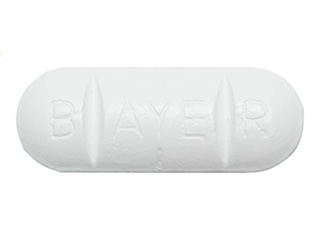


Biltricide (Praziquantel) — Patient Information
Biltricide is a medicine containing praziquantel, used to treat infections caused by certain parasitic worms. This page explains what Biltricide is used for, how it works, how to take it safely, and what to expect.
1) Basic product information
| Item | Details |
|---|---|
| Active ingredient | Praziquantel |
| Brand name | Biltricide |
| Common use | Treatment of certain trematodes (flukes) and cestodes (tapeworms) |
| How it is taken | Tablets taken by mouth |
| Typical course | May be a single dose or multiple doses depending on the parasite |
| Availability | Typically supplied through pharmacy and healthcare pathways in the UK |
2) What Biltricide is and how it works (mechanism of action)
Praziquantel targets the energy and movement systems of specific parasitic worms. It helps damage the parasite’s outer surface (tegument) and disrupts its ion balance, which affects muscle function. The result is paralysis and death of the worm, allowing your body to clear the infection.
Praziquantel is effective against a range of blood, tissue, and intestinal helminths—especially many species of schistosomes (blood flukes) and tapeworms (depending on species).
3) Pharmacokinetics (how the body handles praziquantel)
After you take a dose by mouth, praziquantel is absorbed and then processed in the liver. How quickly it reaches the bloodstream and how long it lasts depends on factors such as the condition being treated, individual metabolism, and whether you take it with food.
- Absorption: absorption occurs after swallowing; taking the dose with food may improve tolerance.
- Distribution: the medicine circulates in the bloodstream and can reach affected tissues.
- Metabolism: praziquantel is metabolised largely by the liver.
- Elimination: metabolites are removed primarily via the kidneys (urine).
If you have liver problems, praziquantel may remain in your body longer—your clinician/pharmacist may adjust the plan based on your situation.
4) Typical use in the UK (what it treats)
In the UK, Biltricide (praziquantel) is used to treat infections caused by certain parasitic worms. The exact dosing depends on which parasite you have and where it lives in the body (intestine, blood, or tissues).
Common indications include (depending on species)
- Schistosomiasis (blood fluke infections) — commonly acquired through freshwater exposure in certain regions.
-
Tapeworm infections (cestodes) — including some intestinal tapeworms such as:
- Taenia species (pork/beef tapeworms)
- Diphyllobothrium species (broad fish tapeworm)
- Other helminth infections where praziquantel is an appropriate treatment option (determined by diagnosis/species).
If you suspect a parasitic infection—especially after travel—diagnosis may involve stool/urine testing, blood tests, imaging, and symptom assessment. The choice of medicine and dose depends on the organism.
5) When and how to take Biltricide (timing and method)
General timing
Biltricide is taken by mouth, usually in single or divided doses depending on the parasite being treated. Follow the dosing schedule supplied with your medicine instructions.
How to take the tablets
- Take with water. Swallow the tablets whole unless your instructions say otherwise.
- Take according to weight-based dosing where relevant (praziquantel dosing is often based on body weight).
- Divide doses if required (for example, over the same day) to match the prescribed schedule.
- If you miss a dose, seek advice from your pharmacist or clinician rather than doubling automatically.
Practical tip: many people find it easier to take praziquantel after food to reduce nausea. See the food interaction section below for details.
6) Food interactions and what to eat
Biltricide can be better tolerated when taken with food. Taking it with a meal may improve absorption and reduce gastrointestinal side effects such as nausea or stomach discomfort for some people.
- Recommended approach: take praziquantel with food unless your instructions say otherwise.
- Avoid heavy fatty meals: there is no universal rule, but extremely heavy meals may worsen nausea for some.
- Hydration: drink water regularly, especially if you experience mild dizziness or nausea.
If you have a sensitive stomach or have experienced nausea previously with oral medicines, ask a pharmacist for personalised advice on timing and supportive measures.
7) Alcohol and medicine interactions
Alcohol
There is no single guaranteed rule that everyone must avoid alcohol, but caution is sensible.
Alcohol can worsen dizziness,
Practical advice: consider avoiding alcohol during treatment and for at least 24 hours after the last dose, or choose small amounts only if you tolerate them well.
Medicine interactions
Praziquantel is metabolised in the liver, so medicines that affect liver enzymes can influence exposure. Always tell your pharmacist about:
- All prescription medicines
- Over-the-counter medicines
- Herbal products and supplements
- Any history of liver disease
- Any other anti-parasitic treatments you are taking
Examples of common interaction categories (not exhaustive)
- Enzyme inducers/inhibitors: some medicines can alter praziquantel levels, potentially affecting effectiveness or side effects.
- Sedating medicines: if you experience dizziness, avoid combining with other medicines that cause drowsiness unless advised.
- Medicines with seizure risk: in people with certain parasitic infections involving the brain, medication choice and monitoring may be critical.
If you are taking medicines for seizures, steroids, or other complex regimens (e.g., for severe parasitic disease), confirm your schedule with a healthcare professional.
8) Dosing overview (how dose is chosen)
Praziquantel dosing depends on the parasite species, the site of infection (intestine vs tissue/blood), and your body weight. Dosing schedules may differ across conditions.
Typical dosing approach (general information)
- Weight-based: many regimens are calculated per kilogram of body weight.
- Single vs multiple doses: some infections are treated with a single dose, while others require repeated doses on the same day or across days.
- Species matters: different species can require different totals and schedules.
Because exact regimens vary, it is safest to follow the dosing instructions provided with your medicine for your diagnosed condition. If you need help understanding the schedule, your pharmacist can explain what “how many tablets” means for your weight.
Do not adjust your dose without advice
Taking too little may not clear the infection, and taking too much can increase the risk of side effects. If vomiting occurs soon after taking a tablet, this may affect absorption—seek guidance promptly.
9) Safety profile (side effects and when to seek help)
Common side effects
Many people tolerate praziquantel well, but side effects can occur—especially around the time of treatment. Common effects include:
- Headache
- Dizziness
- Nausea or stomach discomfort
- Abdominal pain
- Diarrhoea
- Fatigue
- Muscle aches or feeling unwell
- Fever (can occur with some infections)
Less common but important risks
- Allergic reaction: rash, itching, swelling of the face/lips, breathing difficulty. Seek urgent medical advice if you suspect an allergy.
- Neurological symptoms: in some parasitic diseases, severe inflammation can occur. Symptoms such as severe headache, confusion, fits/seizures, weakness, or vision changes require urgent assessment.
- Worsening symptoms: mild symptom flare may happen as parasites die, but severe or worsening symptoms should be assessed.
When to seek urgent help
Contact urgent medical services or seek immediate advice if you have:
- Difficulty breathing or swallowing
- Swelling of the face, lips, tongue, or throat
- Severe dizziness, fainting, or inability to stay awake
- Severe headache, confusion, seizures, or new weakness
- Persistent vomiting or inability to keep medicines down
- High fever or rapidly worsening illness
Special populations
- Children: dosing is weight-based; suitability depends on the diagnosis and age—follow professional guidance.
- Pregnancy and breastfeeding: decisions depend on the risk of the parasite and the gestation stage. Discuss with a healthcare professional.
- Liver disease: may require closer supervision.
- People with seizures or neurological involvement: treatment may require additional medication and monitoring.
10) Practical use tips (make treatment easier)
- Plan for comfort: consider taking the medicine when you can rest afterward, especially if you have a history of dizziness or nausea.
- Stay hydrated: drink water and take small sips if you feel nauseated.
- Eat a light meal: a modest meal before or after taking the tablets can improve tolerance.
- Driving and machines: if you feel dizzy, do not drive or operate machinery until you feel normal again.
- Keep records: note the dose timing (date/time) and any side effects. This can help if follow-up is needed.
- Follow hygiene advice: preventing reinfection is essential (handwashing, safe food and water practices, and treating contacts where advised).
- Do not self-treat without confirmation: parasite symptoms can resemble other illnesses. Correct diagnosis improves outcomes.
11) Alternative options
Alternative medicines depend on the parasite species and the location of infection. Your clinician/pharmacist may recommend different treatments or combination approaches in certain circumstances.
Examples of alternative anti-parasitic medicines (species-dependent)
- Albendazole (used for certain worm infections such as some intestinal worms)
- Mebendazole (for certain intestinal helminth infections)
- Artemisinin-based combination therapy is used for malaria, not for helminths; mention only if relevant to travel-related infections
- Other anti-schistosomal treatments may be considered in specific scenarios, depending on local guidance and diagnosis
If you are unsure which alternative applies to your diagnosis, ask a healthcare professional. Treatment selection is based on the organism confirmed by testing.
12) Market and legal context for the UK
In the United Kingdom, medicines are regulated by the Medicines and Healthcare products Regulatory Agency (MHRA). Availability, product classification, and supply routes can vary. For many anti-parasitic medicines, use is guided by clinical assessment and public health recommendations.
Pharmacy services in the UK aim to support safe supply and appropriate use, including counselling on dosing schedules, side effects, and follow-up testing where needed.
13) Recent guidance and follow-up (what to expect after treatment)
Clinical practice generally emphasises:
- Correct diagnosis (species identification where possible), because dosing differs by parasite.
- Appropriate monitoring for symptoms and complications, particularly for infections that can affect the brain, spinal cord, lungs, or eyes.
- Follow-up testing in some infections to confirm clearance, as parasite remnants or symptoms may take time to resolve.
If your condition involves potential tissue damage or neurological effects, your clinician may prescribe additional medicines and schedule review appointments. Always follow the follow-up plan provided.
14) Delivery and availability (how you may receive Biltricide in the UK)
Availability can vary by product packaging and the healthcare pathway required for supply. When ordering through a UK online pharmacy service, you can typically expect:
- Clear information at checkout about quantity, strength, and expected use instructions.
- Delivery options depending on stock and location, often with tracked shipping.
- Pharmacist support if you have questions about timing, side effects, or how to take your course.
To avoid delays, ensure your delivery address is correct and you are available to receive the parcel if signature is required. Check package integrity when it arrives.
15) Biltricide FAQ
Is Biltricide the same as praziquantel?
Yes. Biltricide is a brand name. The active ingredient is praziquantel.
How long does it take to work?
Praziquantel begins working after absorption, but symptoms may not improve immediately. Some side effects can occur as parasites are affected, and full recovery can take time. If you are not improving or symptoms worsen, contact a healthcare professional.
Will I still test positive after treatment?
In some infections, test results may remain abnormal for a period after therapy. Follow-up testing (if recommended) is important to confirm clearance.
What if I vomit after taking the tablets?
Vomiting soon after taking a dose may reduce absorption. Seek advice from your pharmacist about whether you should repeat a dose. Do not automatically repeat without guidance.
Can I take Biltricide with food?
Many people tolerate it better when taken with food. Follow your provided instructions, but eating with your dose is often recommended for comfort.
Can I drink alcohol while taking Biltricide?
Alcohol may worsen dizziness or nausea. For safer use, avoid alcohol during treatment and for around 24 hours after your last dose, or keep it minimal if you are advised it is acceptable for you.
Is Biltricide safe for children?
Children can be treated with praziquantel for appropriate diagnoses, but dosing is weight-based and suitability depends on age and infection type. Use professional guidance to ensure the correct schedule.
Does Biltricide affect driving?
It may cause dizziness or headache in some people. Do not drive or operate machinery until you feel fully alert and normal.
What should I do if I have a history of allergies?
Tell your pharmacist if you have had allergic reactions to praziquantel or any ingredients in the product. Seek urgent help if you develop signs of an allergy such as swelling or breathing difficulty.
Are there any medicines I must avoid?
Interaction risk varies. Tell your pharmacist about all medicines, supplements, and herbal products you use so they can check for likely interactions and advise accordingly.
How do I prevent reinfection?
Reinfection is possible depending on how the infection was acquired. Hygiene, safe water practices, and food safety measures are important. If close contacts or specific exposures are involved, ask a healthcare professional about additional preventative steps.
16) Summary
Biltricide (praziquantel) is an anti-parasitic medicine used to treat specific worm infections, including schistosomiasis and certain tapeworm infections. It works by damaging the parasite and disrupting its survival. Treatment schedules depend on the parasite species and your body weight, and food may improve comfort. If you experience severe symptoms, signs of allergy, or neurological problems, seek urgent medical advice.