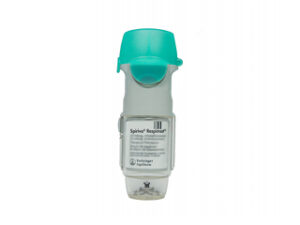
Salbutamol (Albuterol) – Patient Guide (UK)
Salbutamol (also known as albuterol) is a fast-acting medicine used to relieve breathing problems caused by asthma and other conditions where the airways become narrow. In the UK, salbutamol is commonly found in inhaler devices (including pressurised metered-dose inhalers) and in some forms as tablets or syrup, depending on the product.
This guide explains how salbutamol works, how it is typically used, what to expect, important safety information, and common questions. Always follow the specific instructions given with your product and any advice from your healthcare professional.
Basic product information
- Generic name: Salbutamol
- Common name (US): Albuterol
- Medicinal class: Short-acting beta2-adrenoceptor agonist (SABA)
- Common forms in the UK: Inhalers (most commonly), sometimes tablets/syrup
- What it’s used for: Rapid relief of wheeze, shortness of breath, and chest tightness
- Key feature: Works quickly (often within minutes)
How salbutamol works (mechanism of action)
Salbutamol stimulates beta2 receptors in the smooth muscle lining the airways. This leads to:
- Relaxation of bronchial smooth muscle (bronchodilation)
- Widening of the airways, making it easier to breathe
- Reduced symptoms such as wheezing and breathlessness
Salbutamol is designed for fast symptom relief. It does not treat the underlying inflammation that drives many cases of asthma—this is usually managed with inhaled corticosteroids (ICS) or other controller medicines.
Pharmacokinetics (how the body handles it)
The exact pattern can vary by formulation (inhaler vs tablets/syrup). In general:
- Absorption: With inhaled products, the medicine deposits in the lungs; a smaller portion may be swallowed and absorbed through the gut.
- Onset: Inhaled salbutamol typically begins working quickly.
- Distribution: It distributes throughout the body.
- Metabolism: Primarily metabolised in the liver.
- Elimination: Mostly excreted through the kidneys (urine), with a smaller amount through other pathways.
- Duration: Symptom relief often lasts several hours, but individual response varies.
Because inhaled dosing delivers medicine directly to the airways, fewer whole-body side effects are expected compared with some oral formulations—though side effects can still occur.
What salbutamol is used for (indications)
In the UK, salbutamol is commonly used for the following conditions:
- Asthma: Relief of acute bronchospasm and prevention of symptoms triggered by exercise or known allergens (as advised).
- Reversible airway obstruction: Where airway narrowing is responsive to bronchodilators.
- COPD (chronic obstructive pulmonary disease): Relief of symptoms in some patients, depending on the overall COPD management plan.
- Other bronchospastic conditions: Where a clinician advises use of a SABA.
Important: If your symptoms are frequent or worsening, you may need a review of your asthma/COPD management plan rather than relying on salbutamol alone.
Typical dosing in the UK (general guidance)
Dose recommendations depend on the formulation and the age of the person. Always use the dose stated on your product packaging and follow clinician guidance.
Common patterns for inhaled salbutamol (adults and older children):
- Often 1–2 inhalations when symptoms start, with follow-up doses if required.
- Maximum limits may apply; some product labels specify a maximum number of inhalations in 24 hours.
Common patterns for inhaled salbutamol (children):
- Doses are often lower than adult doses and depend on age and device type.
- Using a spacer (where appropriate) can improve delivery and reduce side effects.
Oral forms (tablets/syrup):
- These are prescribed for specific situations and age groups.
- Oral dosing is usually measured and scheduled by the prescriber; product-specific directions are essential.
Seek medical advice urgently if you find you need salbutamol more frequently than usual, if it provides only brief relief, or if symptoms are severe (for example, marked breathlessness at rest, inability to speak in full sentences, bluish lips, or drowsiness).
Timing: when to take salbutamol and how soon it works
For fast relief of symptoms:
- Use as soon as breathing symptoms (wheeze, chest tightness, breathlessness) begin.
- Inhaled salbutamol often provides relief within minutes.
- If symptoms persist, follow the step-by-step instructions on your device or personal action plan.
For exercise-triggered symptoms (prevention):
- Often taken before exercise (timing depends on individual response and advice—commonly 10–15 minutes prior, but follow your clinician’s plan).
If you are needing reliever doses repeatedly over a short time, it may indicate unstable disease and should be reviewed promptly.
Food interactions
Inhaled salbutamol: Food is generally not relevant because the medicine is delivered to the lungs. Some inhaled medicine may be swallowed, but clinically meaningful food interactions are uncommon.
Oral salbutamol (if you are prescribed it): Food may slightly affect absorption for some medicines, but major interactions are not typically expected. If you notice side effects or reduced effect when taking oral salbutamol with meals, discuss with a pharmacist or healthcare professional.
In general, you can take salbutamol as directed regardless of meals unless your specific product instructions say otherwise.
Alcohol and medicine interactions
Alcohol
There is no widely established direct interaction between salbutamol and alcohol that automatically makes them unsafe for everyone. However, alcohol can worsen breathing in some people and may increase risks associated with rapid heart rate, tremor, or dizziness. If you drink alcohol, consider using salbutamol as your action plan advises and seek medical advice if you have frequent symptoms.
Other medicines (important interactions)
Salbutamol may interact with other medicines, mainly those affecting the heart or the way the body responds to adrenaline-like signals. Tell your healthcare professional or pharmacist about all medicines you take, including over-the-counter products and herbal supplements.
- Beta-blockers (e.g., some medicines used for heart conditions or glaucoma): non-selective beta-blockers may reduce the effect of salbutamol or worsen bronchospasm.
- Other sympathomimetic bronchodilators: combined use may increase side effects such as tremor and palpitations.
- Diuretics (“water tablets”) and medicines affecting potassium levels: may increase risk of low potassium, particularly with high-dose or frequent use.
- Corticosteroids (used for asthma/COPD): these may affect potassium and contribute to changes when combined with high SABA use. This is usually managed through overall treatment plans.
- Digoxin: low potassium (hypokalaemia) can increase risk of digoxin-related side effects.
- Thyroid hormone: may increase sensitivity to beta-agonist side effects in some people.
- Monoamine oxidase inhibitors (MAOIs) and tricyclic antidepressants: may enhance stimulant effects in theory; discuss with a healthcare professional.
If you are unsure whether your other medicines could affect salbutamol, ask a pharmacist for advice.
Safety profile: side effects and warnings
Like all medicines, salbutamol can cause side effects. Many are mild and related to its beta-agonist effects, particularly at higher doses.
Common side effects
- Tremor (shaking)
- Headache
- Feeling restless or “jittery”
- Fast heartbeat (palpitations)
- Muscle cramps
- Occasional dizziness
Less common but important side effects
- Low potassium (hypokalaemia), more likely with frequent or high-dose use
- Irregular heartbeat (rare)
- Chest pain or severe palpitations
- Paradoxical bronchospasm (rare: symptoms worsen immediately after inhalation)
When to seek urgent help
Seek urgent medical help if you have:
- Severe breathing difficulty that is not improving
- Chest pain, fainting, or severe/rapid heartbeat
- Symptoms of anaphylaxis (e.g., swelling of face/lips, rash, wheezing after exposure)
- Blue lips or inability to speak normally
Special populations
- Children: Ensure correct device technique and dosing; consider a spacer if recommended.
- Pregnancy and breastfeeding: Many clinicians consider inhaled salbutamol when needed. Discuss risks and benefits with a healthcare professional.
- Heart conditions: Salbutamol may affect heart rate; careful monitoring may be required.
- Diabetes: Beta-agonists may affect blood sugar levels, particularly with higher doses.
- Overuse: Frequent use of reliever medicines may indicate poor control of asthma/COPD—review management promptly.
Practical use tips (to get the best effect)
Correct inhaler technique makes a major difference. The same prescribed dose can work better or worse depending on how it is taken.
- Check the device: Use the correct inhaler for your medicine. Don’t mix up devices.
- Shake (if required): Many pressurised inhalers require shaking.
- Breathe out fully first: This helps the medicine reach the airways.
- Press and inhale together: Start inhaling as you press the canister (for metered-dose inhalers).
- Hold your breath briefly: About 5–10 seconds if you can, to allow the medicine to settle.
- Wait between puffs: If you take more than one dose, follow product timing instructions (often around 30–60 seconds).
- Use a spacer if recommended: Spacers improve delivery and reduce mouth/throat side effects.
- Rinse your mouth (if advised): This is especially relevant for steroid inhalers; for salbutamol alone it’s not always necessary, but good oral hygiene is helpful.
- Keep track of usage: Frequent reliever use can signal a need to review treatment.
If you’re using a new inhaler or haven’t used one in a while, ask a pharmacist to check your technique.
Alternative options (depending on your condition)
The best alternative depends on whether you need rapid relief or long-term control. Common alternatives include:
Other reliever bronchodilators
- Other short-acting bronchodilators: Some people may use different classes depending on their diagnosis.
- Long-acting bronchodilators: These are typically for maintenance in COPD and selected asthma plans, rather than immediate relief.
Controller medicines for long-term asthma control
- Inhaled corticosteroids (ICS) (often the cornerstone of asthma control)
- ICS/LABA combinations for step-up therapy in some patients
- Other add-on therapies (specialist-led) for difficult asthma
If your symptoms are recurring, discuss with a clinician whether your current plan needs adjustment rather than simply increasing reliever use.
UK market and legal context (overview)
In the United Kingdom, asthma and COPD medicines are regulated under the Medicines and Healthcare products Regulatory Agency (MHRA). Access to salbutamol products can vary by formulation and strength, and availability may include both prescription-only and non-prescription arrangements depending on the specific product and intended use. Online pharmacy services must comply with UK legislation on medicines supply, identification requirements, and age/eligibility checks.
For patients, the key takeaway is: ensure the product you purchase matches the device type you know how to use, and confirm dose instructions on the packaging. If you are unsure, ask a pharmacist to guide you to the correct formulation.
If you use salbutamol frequently, consider reviewing your asthma action plan and whether your long-term treatment is adequately controlling airway inflammation.
Recent guidance (what tends to be emphasised in practice)
UK respiratory guidance (e.g., from professional bodies and national initiatives) consistently emphasises the following principles:
- Reliever-only treatment can be unsafe in uncontrolled asthma. Many patients need an anti-inflammatory controller (often inhaled corticosteroid-based therapy).
- Frequent SABA use may indicate poor control and should trigger a review.
- Correct inhaler technique matters and should be checked regularly.
- Written asthma action plans can help patients recognise deterioration and respond appropriately.
- Personalised approach: Asthma/COPD treatments should be tailored to symptoms, risk factors, and response.
If you have ongoing symptoms at night, limitations in daily activities, or increasing reliever use, seek advice promptly.
Delivery and availability from a UK online pharmacy
Availability depends on stock levels and the specific salbutamol product (e.g., inhaler size or device type). Many UK online pharmacies offer:
- Standard and express delivery options (depending on location)
- Tracking updates once dispatched
- Packaging designed to protect inhalers and tablets
- Customer support for product selection, dosing instructions, and inhaler technique questions
Before ordering, ensure the product form matches what you intend to use (inhaler vs oral). If you have a spacer or specific device type recommended, double-check compatibility.
Product details at a glance
| Category | Information |
|---|---|
| Medicine name | Salbutamol (Albuterol) |
| Type | Short-acting beta2-agonist (SABA) |
| Primary purpose | Rapid relief of wheeze, breathlessness, and chest tightness |
| Onset (typical) | Minutes for inhaled forms |
| Duration (typical) | Often several hours (individual response varies) |
| Common side effects | Tremor, headache, palpitations, restlessness |
| Key advice | Correct inhaler technique and seek review if reliever use increases |
FAQs about salbutamol (albuterol)
1) How quickly does salbutamol work?
Inhaled salbutamol often starts to relieve symptoms within minutes. If you do not feel any improvement after using it correctly, seek advice and follow your action plan for worsening symptoms.
2) Can I use salbutamol every day?
Some people require frequent use during flare-ups, but daily frequent reliance on a reliever may indicate that underlying asthma/COPD is not well controlled. If you’re using it more often than usual, you should have your treatment plan reviewed.
3) Will salbutamol cure asthma or COPD?
No. Salbutamol is a reliever that improves breathing quickly by opening the airways. It does not treat the inflammation or disease process long-term, which typically requires controller therapy for many patients.
4) What should I do if I need my inhaler more often than before?
Contact a healthcare professional promptly for review. Increasing reliever use can mean worsening control and may require changes to your maintenance treatment.
5) Can I combine salbutamol with my steroid inhaler?
In many asthma plans, yes. Steroid inhalers and salbutamol are often used together—steriods reduce airway inflammation over time while salbutamol provides rapid relief. Use them as directed and maintain correct technique for each device.
6) Are there any foods I should avoid?
Food interactions are generally not a major concern for inhaled salbutamol. If you are taking an oral form, discuss specific product instructions with a pharmacist.
7) Can I drink alcohol while using salbutamol?
There isn’t a single universal rule for all people, but alcohol may worsen breathing or increase side effects like palpitations or dizziness. Use salbutamol as directed and seek advice if symptoms worsen.
8) What side effects are normal?
Mild tremor, headache, or feeling “jittery” can occur—especially after higher doses. However, severe chest pain, fainting, or serious heartbeat problems require urgent medical attention.
9) Is salbutamol safe for children?
Salbutamol can be used in children when appropriately prescribed and dosed. Correct inhaler technique and appropriate device choice (often with a spacer) are essential.
10) What if my inhaler seems to stop working?
Check technique first (common cause). If the inhaler is not delivering properly, it may be empty, broken, or not primed correctly (for some devices). Ask a pharmacist if you’re unsure.
Summary
Salbutamol (albuterol) is a widely used fast-acting bronchodilator that helps open narrowed airways and provides quick symptom relief in asthma and related conditions. While it can be very effective for rapid relief, it does not replace long-term anti-inflammatory treatment for many patients. If you find yourself using salbutamol more frequently, or if symptoms are not settling, seek timely medical advice and review your overall management plan. Correct inhaler technique, awareness of side effects, and medication safety considerations (including interactions) will help you use salbutamol effectively and safely.