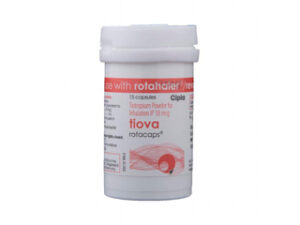
Tiova Inhaler (Tiotropium Bromide) – Patient Information (UK)
Tiova Inhaler contains tiotropium bromide, a medicine used to help people with certain long-term breathing conditions breathe more comfortably. It works by relaxing the airways, reducing breathlessness, and helping to prevent worsening symptoms.
This page provides clear, patient-friendly information about what Tiova is, how it works, how to use it, and what to expect. Always follow the instructions given with your inhaler and any clinician guidance.
Key product information
| Item | Details |
|---|---|
| Medicine | Tiotropium bromide |
| Brand example | Tiova Inhaler (Tiotropium Bromide) |
| Medicinal type | Long-acting antimuscarinic (LAMA) bronchodilator |
| Typical dosing frequency | Usually once daily (varies by strength/device) |
| How it’s taken | Inhalation using the inhaler device provided |
| Common conditions | COPD (chronic obstructive pulmonary disease); may be used in airflow limitation as advised |
How Tiova Inhaler works (mechanism of action)
Tiotropium bromide belongs to a group of medicines called antimuscarinics (also known as anticholinergics).
In the lungs, natural nerve signals release a chemical called acetylcholine. This can narrow the airways and make breathing harder.
Tiotropium helps by:
- Blocking muscarinic receptors in the airways (particularly M3 receptors)
- Relaxing the muscles around the airways
- Opening the airways to improve airflow
- Providing long-lasting bronchodilation to support everyday breathing over time
Because it is long-acting, it is intended for maintenance therapy—to help you stay stable, rather than for immediate relief during a sudden breathlessness attack.
Pharmacokinetics (how the body handles tiotropium)
Pharmacokinetics describes how the medicine is absorbed, distributed, metabolised, and eliminated. For tiotropium inhaled via inhalation devices:
- Absorption: A portion of the inhaled dose reaches the lungs; some may be swallowed and then absorbed through the gastrointestinal tract. Lung delivery is the key route for effect.
- Onset of action: Improvement can be felt after dosing; for long-term control, regular daily use is important.
- Distribution: Tiotropium mainly acts locally in the airways, with limited systemic distribution.
- Metabolism: Tiotropium is not extensively metabolised.
- Elimination: It is cleared from the body largely through the kidneys. The duration of effect supports once-daily maintenance dosing.
Kidney function matters: If you have reduced kidney function, your clinician may adjust your plan or monitor you more closely, as tiotropium is cleared mainly by the kidneys.
What Tiova is used for (indications)
Tiova Inhaler is used to help manage symptoms of:
- Chronic Obstructive Pulmonary Disease (COPD) in adults, to improve airflow and reduce symptoms over time.
Your exact use may depend on your inhaler regimen (for example, whether you use other inhalers such as inhaled corticosteroids or long-acting beta2 agonists).
Typical timing and how to use Tiova Inhaler
Tiova is generally taken once daily, but the correct strength and device instructions will determine your exact schedule. Use it at the same time each day to help you remember.
When should you take it?
- Once daily at a time that suits you.
- If you miss a dose, take it when you remember unless it’s near the time of your next dose. Do not take a double dose.
Is it for “rescue”?
No. Tiova is a maintenance inhaler. For sudden breathlessness, people with COPD typically use a reliever inhaler (often a short-acting bronchodilator) as advised by their clinician.
Dosing information (general guidance)
Dose recommendations depend on the specific Tiova product and inhaler device. In the UK, patients commonly use tiotropium inhalers on a once-daily schedule.
- Adults: Usual maintenance dosing is typically once daily, as directed on the product instructions and by your clinician.
- Children: Use in children is dependent on the product’s licence and clinical assessment; follow professional advice.
- Do not exceed the prescribed or labelled dose.
Important: Correct technique is essential. If little or none of the dose reaches your lungs, it may not work as expected.
Practical use tips (how to get the best results)
To maximise the benefit of Tiova, consider these helpful steps. Always follow the specific instructions provided with your inhaler.
- Check the device type: Tiova inhalers vary in design. Use the technique recommended for your exact device.
- Breathe out fully first (away from the mouthpiece), then place the mouthpiece in your mouth and seal your lips.
- Inhale steadily and deeply to draw the medicine into your airways.
- Hold your breath for as long as comfortable (often 5–10 seconds), then breathe out gently.
- Keep your inhaler clean and dry according to the instructions.
- Rinse your mouth is generally not required for tiotropium alone, but good oral hygiene is always helpful. If your treatment includes other medicines (e.g., inhaled steroids), mouth rinsing may be recommended for those.
- Track your technique: If you notice worsening symptoms, ask a pharmacist or nurse to observe your inhaler technique.
Make it part of your routine: Pair your inhaler with a daily habit (e.g., after breakfast) to support consistent dosing.
Food interactions
Tiotropium is taken by inhalation. Food is not expected to significantly affect the inhaled dose because the primary action occurs in the lungs after inhalation.
However, a small portion of the inhaled medicine may be swallowed. For most people, this does not cause clinically important interactions with food.
Practical advice:
- You can usually take Tiova with or without food.
- If you have sensitive stomach symptoms, take your inhaler at a consistent time that feels comfortable for you.
Alcohol interactions
There is no commonly recognised direct interaction between tiotropium and alcohol. Still, it’s important to consider alcohol’s effects on your overall breathing and medication routine.
- Moderation is advised, especially in COPD where alcohol can contribute to breathlessness, drowsiness, or reduced respiratory drive.
- Be cautious if alcohol makes you dizzy or sleepy, as it can increase the risk of falls and may affect how well you use inhalers.
Medicine interactions (including caution with other inhalers)
Tell your pharmacist or clinician about all medicines you use, including over-the-counter medicines, supplements, and other inhalers.
Key interaction considerations with tiotropium include:
- Other antimuscarinic/anticholinergic medicines: Using multiple drugs from the same family can increase the risk of anticholinergic side effects (such as dry mouth or constipation). This includes some medicines used for overactive bladder or certain nasal/sinus conditions.
- Inhaled bronchodilators: Tiotropium is often used alongside other COPD inhalers (e.g., beta2 agonists and/or inhaled corticosteroids) depending on your COPD severity and symptom pattern.
- Eye and urinary symptoms: If you have glaucoma (particularly narrow-angle glaucoma) or difficulty passing urine, you may need extra caution and monitoring. Your clinician will guide you.
Always check your inhaler plan: If you start a new medicine, ask whether it changes your inhaler regimen.
Safety profile and side effects
Like all medicines, Tiova Inhaler can cause side effects. Many people experience no side effects or only mild ones.
Common or mild side effects
- Dry mouth
- Constipation or stomach discomfort
- Cough or throat irritation after inhalation
- Headache in some people
Seek medical advice urgently if you experience
- Signs of an allergic reaction: swelling of the face/lips, rash, wheezing, or trouble breathing beyond your usual COPD symptoms
- Eye symptoms: sudden eye pain, blurred vision, halos around lights, or red eye (possible glaucoma attack—rare)
- Urinary retention: severe difficulty passing urine, painful or inability to urinate (rare)
- Worsening breathing that is unusual for you or not responding to your usual reliever plan
Who should take extra care?
Discuss Tiova with your clinician if you have:
- Narrow-angle glaucoma or a history of angle-closure glaucoma
- Prostate enlargement or difficulty passing urine
- Significant kidney disease (because tiotropium is eliminated mainly by the kidneys)
- Previous severe allergic reactions to inhaled medicines
Driving and machinery: Tiotropium is not usually associated with dizziness, but individual reactions vary. If you feel unwell, avoid driving or operating machinery.
Recent UK guidance and clinical context (high level)
In the UK, COPD management is commonly guided by national and international recommendations focusing on:
- Correct diagnosis and assessment (symptoms, airflow limitation, and exacerbation history)
- Smoking cessation support as a key intervention
- Inhaler technique review at regular intervals
- Stepwise escalation of maintenance therapy based on persistent symptoms and exacerbations
Tiotropium (a LAMA) is often selected for people who require maintenance bronchodilation. Treatment choices may be adjusted depending on symptom severity, exacerbation frequency, and how well you respond to therapy.
Note: Guidance may change over time. Your clinician or pharmacist can provide the most up-to-date advice relevant to your situation.
Delivery and availability in the UK
Tiova Inhaler is typically available through UK pharmacies depending on stock and supply. Availability can vary by inhaler strength and device format.
- Home delivery: Many online pharmacies in the UK deliver medicines to eligible UK addresses.
- Packaging: Medicines are usually supplied in original packaging with patient information included.
- Stock status: If an item is temporarily out of stock, suppliers may offer an alternative product (where appropriate) or a notification option.
Check your order details carefully, including strength and device type, to ensure you receive the correct inhaler.
Alternatives to Tiova Inhaler
Depending on your COPD symptoms and current inhaler regimen, your clinician may recommend other long-acting bronchodilators or combinations.
Alternative options within similar treatment groups
- Other LAMAs (long-acting muscarinic antagonists), which may include different tiotropium formulations or other LAMA medicines
- LABAs (long-acting beta2 agonists) such as inhalers containing medicines in that class
- LAMA/LABA combinations for some people who need additional bronchodilation
- Triple therapy options may be considered in certain cases, often involving a LAMA plus a LABA plus an inhaled corticosteroid
Why alternatives might be considered:
- Different device preference or ability to use the inhaler correctly
- Side effect profile
- Symptom control not meeting expectations
- Convenience, dosing schedule, or availability
Do not switch inhalers without advice, especially if you have severe COPD or a history of exacerbations.
Market and legal context in the UK
In the UK, inhaled medicines such as tiotropium are regulated and supplied under pharmaceutical and medicines legislation. Online pharmacies operate within UK rules for safe supply, patient safety, and product authenticity.
Product authenticity: When purchasing online, choose reputable sellers and verify that you receive genuine products in original packaging. Avoid unverified sources.
Patient support: A pharmacist can help you understand how to use your inhaler device properly and review potential interactions with your other medicines.
Safety and “when to seek help”
Because COPD symptoms can change, it’s important to know when your breathing needs urgent attention.
- If you experience severe breathlessness at rest, blue lips or face, confusion, or inability to speak in full sentences, seek urgent medical help.
- If your symptoms are significantly worse than usual despite using your reliever inhaler as advised, contact a clinician.
Tiova is designed for daily control. It is still essential to have a clear plan for managing flare-ups (often called exacerbations).
FAQ – Tiova Inhaler (Tiotropium Bromide)
1. What is Tiova Inhaler used for?
Tiova Inhaler is used for maintenance treatment of COPD in adults to help open the airways and reduce symptoms over time.
2. How often should I use it?
Tiova is generally taken once daily. Follow the dosing schedule provided with your specific Tiova inhaler and any clinician/pharmacist instructions.
3. Will Tiova stop a sudden breathlessness attack?
Usually not. Tiova is a long-acting maintenance medicine. For sudden symptoms, you typically use a reliever inhaler as advised in your COPD action plan.
4. How long does it take to work?
Some people notice benefit after dosing, but the main goal is steady symptom control with regular daily use. If you don’t feel your COPD is improving, check inhaler technique and talk to a healthcare professional.
5. What if I forget a dose?
If you remember later, take it when you can. If it’s close to your next scheduled dose, skip the forgotten dose. Do not take a double dose.
6. Can I take Tiova with food?
Yes. Food is not expected to significantly affect the inhaled medicine. You can usually take it with or without food.
7. Are there any alcohol interactions?
No specific direct interaction is commonly recognised, but alcohol can worsen breathlessness or reduce alertness. Use alcohol in moderation and follow advice suited to your COPD.
8. Can I use Tiova with other inhalers?
Often yes. Many COPD plans include multiple inhalers. However, avoid accidental duplication of similar medicines (especially other antimuscarinics) unless your clinician has planned it.
9. What side effects should I watch for?
Common side effects include dry mouth and constipation. Seek urgent advice if you have eye pain or vision changes, severe difficulty urinating, or symptoms of an allergic reaction.
10. How do I know if my inhaler technique is correct?
If your symptoms worsen, you may be getting less medicine into your lungs. A pharmacist or nurse can observe your technique. Proper coordination and inhalation are important.
11. Is Tiova suitable for everyone?
It may not be suitable if you have certain conditions such as narrow-angle glaucoma, or if you have significant urinary retention issues. Discuss your medical history with a healthcare professional.
12. What are the alternative options?
Depending on your needs, your clinician may consider other LAMAs, LABAs, LAMA/LABA combinations, or inhaler regimens that include inhaled corticosteroids for selected people.
Summary
Tiova Inhaler (tiotropium bromide) is a long-acting inhaled medicine that helps manage COPD by relaxing airway muscles through antimuscarinic action. It is typically used once daily for ongoing control of breathlessness and symptoms. Good inhaler technique, consistency with daily dosing, and awareness of when to seek help for worsening breathing are key to getting the best outcomes.
If you have questions about how to use your Tiova inhaler or whether it fits your broader treatment plan, speak to a pharmacist or clinician.