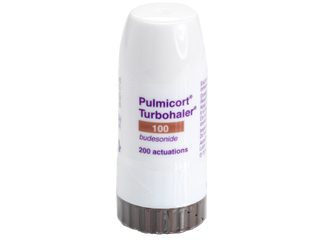
Pulmicort (Budesonide) – Patient Information (UK)
Pulmicort contains budesonide, a corticosteroid medicine used to reduce inflammation in the airways. It is commonly prescribed in the United Kingdom for conditions such as asthma and other inflammatory lung conditions. This guide is designed to help you understand how Pulmicort works, how it is used, what to expect, and important safety points.
Not all Pulmicort products are identical. Different formulations may be used (for example, inhalers and nebuliser preparations). Always check your packaging and leaflet for the exact strength and device instructions for your product.
At a glance
- Active ingredient: Budesonide
- Medicine type: Inhaled corticosteroid (ICS)
- How it helps: Reduces airway inflammation and helps prevent symptoms
- What it’s used for: Asthma (including maintenance and preventing flare-ups), and certain other respiratory inflammatory conditions
- Key benefit: Helps control symptoms over time rather than acting immediately like a reliever inhaler
- Important tip: Rinse/gargle after use (especially with nebulisers or mouth-contact devices) to reduce mouth thrush risk
Basic product information
| Category | Information |
|---|---|
| Brand name | Pulmicort |
| Active ingredient | Budesonide |
| Therapeutic group | Inhaled corticosteroid (anti-inflammatory) |
| Common forms in the UK | Inhalation or nebulised budesonide products (strengths vary by product) |
| Typical role | Long-term controller to reduce airway inflammation |
| Onset | May start improving symptoms within days; full effect can take longer |
How Pulmicort works (mechanism of action)
Budesonide is a corticosteroid. When inhaled, it acts mainly on the lining of the airways where inflammation occurs in asthma and related conditions. It helps to:
- Reduce airway inflammation by affecting inflammatory cells and chemical messengers.
- Decrease swelling and mucus production in the airways.
- Improve airway responsiveness, helping you breathe more easily over time.
- Lower the frequency of flare-ups by preventing inflammation from building up.
Important: Pulmicort is an anti-inflammatory controller. It is not intended as an immediate “reliever” during sudden breathing difficulty. Your normal reliever medicine (often a short-acting bronchodilator) should be used for acute symptoms as advised in your asthma action plan.
Pharmacokinetics (how your body handles budesonide)
Pharmacokinetics describes how a medicine is absorbed, distributed, metabolised, and eliminated. For inhaled budesonide, only a portion reaches the bloodstream, and the drug is also partly swallowed (especially with some inhalation techniques).
Absorption
- After inhalation, budesonide deposits in the lungs.
- A small fraction may be swallowed and then absorbed from the gut.
- Overall systemic exposure is typically lower than with oral corticosteroids because inhalation targets the lungs.
Metabolism
Budesonide is processed mainly in the liver by enzymes (notably CYP3A4), resulting in metabolites that are less active than the parent drug.
Elimination
- Most of the medicine and its metabolites are eliminated through the kidneys (via urine).
- Elimination half-life is relatively moderate; the anti-inflammatory benefit is determined largely by local action in the airways.
Why this matters: Medicines that strongly affect liver enzymes (for example, certain antifungals or some antibiotics) may increase budesonide levels. This is one reason it’s important to review medicine interactions.
What it’s used for (indications)
Pulmicort is used as an inhaled corticosteroid to treat conditions where inflammation in the airways contributes to symptoms. Use may include:
- Asthma – to control persistent symptoms and prevent flare-ups.
- Other inflammatory airway conditions – depending on the specific formulation and local clinical guidance. Your clinician will decide which product and dose best match your condition.
- Croup (in some settings) – budesonide nebuliser is sometimes used in specific acute care contexts. This depends on local protocols and the exact product available.
If you are unsure which condition Pulmicort is being used to treat for you, check your medication label or the patient leaflet that came with your product.
Typical use and timing
Pulmicort is taken regularly to keep inflammation under control. The exact schedule depends on your diagnosis, your product, and your dose.
When to take it
- Regular controller use: Often once or twice daily depending on severity and plan.
- If prescribed twice daily: Try to take doses about 12 hours apart (e.g., morning and evening).
- Consistency matters: Missing doses can reduce control and increase the risk of flare-ups.
Reliever vs controller
Pulmicort treats inflammation, while reliever inhalers widen airways quickly. If you feel sudden breathlessness:
- Use your prescribed reliever according to your asthma action plan.
- Seek urgent medical advice if symptoms are severe, rapidly worsening, or not responding to your reliever.
Dosing (how doses are usually determined)
Doses vary by:
- Your condition and severity
- Age group (adults vs children)
- Your specific Pulmicort formulation and strength
- How well you respond and whether you are using other asthma medicines
General principle: Clinicians aim for the lowest effective dose that maintains good control. Doses may be adjusted over time.
Example scheduling (illustrative only)
Many regimens are once or twice daily. Your exact dose should follow your own plan and the instructions on your specific product.
- Maintenance asthma control: Often twice daily initially, then reduced if control is stable (clinician-led).
- Children: Dosing may be adjusted based on growth, response, and device suitability.
Do not change your dose without medical advice. If you’re consistently needing your reliever, your asthma may not be fully controlled and you may need a review.
Food interactions
Because Pulmicort is inhaled, food interactions are usually minimal. However, some budesonide may be swallowed after inhalation.
- Taking it with food is generally fine if you find it easier to fit into your routine.
- No specific dietary restrictions are typically required for budesonide inhaled products.
For patients using nebulised forms, keeping hydrated and rinsing your mouth after treatment can improve comfort and reduce side effects such as oral thrush.
Alcohol and medicine interactions
Alcohol
Inhaled budesonide has a much more targeted effect than oral steroids. Moderate alcohol intake is not usually a direct interaction issue for budesonide. However:
- Avoid alcohol in situations where it could worsen breathlessness, sleep, or adherence to your asthma plan.
- If you also take other medicines (such as oral corticosteroids) or have liver problems, discuss alcohol with a healthcare professional.
Medicine interactions (important)
Budesonide is metabolised by liver enzymes (CYP3A4). Some medicines can increase budesonide levels, raising the risk of systemic corticosteroid effects.
Tell a healthcare professional if you take:
- Antifungals such as ketoconazole or itraconazole (can increase steroid levels)
- Macrolide antibiotics such as clarithromycin (may increase steroid levels)
- HIV protease inhibitors (may affect CYP3A4)
- Other strong CYP3A4 inhibitors
Tip: Carry an up-to-date list of your medicines (including inhalers, nebulisers, tablets, and herbal products) and share it with your pharmacist.
Some medicines may also affect asthma control indirectly—for example, beta-blockers (used for heart conditions) can sometimes worsen asthma symptoms. If you take a beta-blocker, seek individual advice.
Safety profile and side effects
Most people tolerate Pulmicort well. Side effects usually relate to local effects in the mouth and throat or, less commonly, to systemic corticosteroid exposure when higher doses are used or when interactions occur.
Common local side effects
- Hoarseness or voice changes
- Sore throat
- Oral thrush (candidiasis) – a fungal infection in the mouth
Systemic effects (less common)
Inhaled steroids generally cause fewer systemic effects than oral steroids, but risks may increase with: higher doses, long-term use, improper inhaler technique, or drug interactions.
- Suppression of the adrenal glands (rare, more likely with higher doses or long-term use)
- Possible effects on bone density over long periods (risk is generally lower than with oral steroids, but still relevant)
- Reduced growth velocity in children (monitoring is important)
- Cataracts or glaucoma (reported with corticosteroid use; regular eye checks may be recommended)
When to seek urgent advice
Get urgent medical help if you experience:
- Severe breathing difficulty, chest tightness that doesn’t improve with your reliever
- Swelling of the face, lips, or throat, or sudden rash/hives (possible allergic reaction)
- High fever or signs of serious infection
Managing side effects (practical prevention)
- Rinse your mouth or gargle after each dose (especially after nebuliser use).
- Use the correct inhaler technique to reduce deposition in the mouth.
- If thrush occurs, speak to a pharmacist or clinician—treatment may be required.
Practical use tips (make it work properly)
1) Check your device technique
Correct technique improves lung delivery and reduces side effects. If you’re unsure how to use your specific Pulmicort device, ask your pharmacist—technique checks are often available.
2) Coordinate breathing (for inhaler devices)
- Breathe in slowly and deeply if your device instructions require it.
- Hold your breath briefly if appropriate for your device.
- Follow the steps exactly as described for your product.
3) Use nebulisers correctly (if your product is a nebuliser)
- Use the nebuliser with the correct tubing/mouthpiece as recommended.
- Ensure the solution is mixed/assembled correctly and used within the recommended time frame.
- Clean and dry the nebuliser components as directed to reduce infection risk.
4) Don’t stop suddenly
Pulmicort is a controller medicine. If it’s working well, stopping can lead to loss of control. If you need to discontinue, do it under clinician guidance, especially with long-term use.
5) Keep track of control
- Monitor symptoms and reliever use.
- If you’re needing reliever more often, seek a medication review.
Alternative options
Different people respond to different treatments. Alternatives may include other inhaled corticosteroids, combination inhalers, or other controller options depending on your asthma severity and individual factors.
Common alternatives (classes)
- Other inhaled corticosteroids (ICS) such as beclometasone, fluticasone, or mometasone (availability and suitability vary).
- ICS/LABA combination inhalers (inhaled steroid plus long-acting beta2-agonist) for people needing extra control.
- Leukotriene receptor antagonists (tablet options for some patients).
- Biologic therapies for severe asthma where appropriate and indicated.
Your pharmacist or clinician can help compare options based on your symptoms, device preference, age, and past response. When switching, technique training and follow-up can improve outcomes.
UK market & legal context (what to expect when buying)
In the United Kingdom, medicines containing budesonide are regulated and distributed under national medicines legislation and NHS/pharmacy standards. Availability can vary by:
- Formulation type (inhaler vs nebuliser)
- Strength and pack size
- Local pharmacy stock and supply chain
- Product updates and pharmacy system listings
When ordering online, reputable UK pharmacies will typically provide product and delivery information clearly, along with instructions on correct use. Always ensure the website is compliant with UK pharmacy regulations and provides clear contact details for patient support.
Recent guidance (high-level)
UK asthma management is commonly aligned with guideline-based care and regular review of symptoms and inhaler technique. Key themes in recent years include:
- Regular review of asthma control
- Emphasis on correct inhaler technique
- Stepping treatment up or down to the lowest effective dose when control is stable (clinician-led).
- In some patients, using specific inhaler strategies may reduce exacerbations; individual plans vary.
If you have an asthma action plan, follow it and ask for a review if you’re experiencing flare-ups or increasing reliever use.
Delivery and availability in the UK
Delivery options and timeframes depend on the pharmacy and the specific product format and strength. Many online UK pharmacies offer:
- Standard delivery (typically a few working days)
- Express/next-day options (where available)
- Packaging suitable for medicines with temperature considerations when required
Availability can fluctuate due to supply chain demand. If your preferred strength or device is temporarily unavailable, a pharmacy may offer an alternative budesonide formulation or a clinically comparable option (subject to suitability).
Check product pages for:
- Strength and device type
- Pack size
- Estimated delivery time
- Delivery restrictions (if any)
FAQ
1) Is Pulmicort a reliever inhaler?
No. Pulmicort is a controller (anti-inflammatory) medicine. It helps prevent symptoms by reducing inflammation. Your reliever medicine is for sudden breathlessness or wheeze.
2) How quickly will I feel better?
Some people notice improvement within a few days, but full benefit can take longer. Consistent regular use is important even if you feel well at first.
3) Should I rinse my mouth after using it?
Yes—rinsing/gargling after use helps reduce the risk of mouth thrush and voice changes, particularly for nebuliser treatments or devices that deposit medication in the mouth.
4) Can I take Pulmicort with food?
There are generally no major food interactions. However, if you take a nebulised or inhaled product, follow your device instructions and maintain your normal eating routine.
5) What if I forget a dose?
Take your dose when you remember if it’s not close to your next scheduled dose. If it is near the next dose, skip the missed one and continue your normal routine. Do not take extra doses to make up for a missed dose. If you’re unsure, ask your pharmacist.
6) Are there interactions with antibiotics or antifungals?
Some medicines can affect how budesonide is broken down in the body. Strong CYP3A4 inhibitors (for example, certain antifungals like ketoconazole/itraconazole or antibiotics like clarithromycin) may increase budesonide levels. Always tell your pharmacist about all medicines you’re taking.
7) Can I drink alcohol while using Pulmicort?
Moderate alcohol is usually not a direct interaction with inhaled budesonide. However, alcohol may worsen symptoms for some people or affect sleep and adherence. If you have liver disease or take other corticosteroids, seek individual advice.
8) What should I do if I get mouth thrush?
Contact a pharmacist or clinician. You may need antifungal treatment and a review of your inhalation technique and mouth-rinsing routine.
9) Is it safe for children?
Budesonide inhaled therapy is used in children for asthma in appropriate doses. Monitoring of growth and side effects is important. Use only the paediatric formulation and dosing plan provided.
10) How should I store Pulmicort?
Storage instructions depend on the product. Follow the label and patient information leaflet. Keep out of sight and reach of children and store at the recommended temperature.
Summary
Pulmicort (budesonide) is an inhaled corticosteroid designed to reduce airway inflammation and improve asthma control over time. Use it regularly as directed, maintain good inhalation/nebuliser technique, and rinse your mouth after each dose to lower the chance of thrush. Always review medicine interactions—especially with drugs that may increase budesonide levels—and seek medical help urgently for severe or worsening breathing symptoms.
If you have any questions about your specific Pulmicort product (strength, device, timing, or technique), speak to a UK pharmacist for personalised support.