Isoptin SR (Verapamil) – Patient Information (UK)
Isoptin SR contains verapamil, a medicine used to treat certain heart and circulation conditions and some types of abnormal heart rhythms. “SR” stands for slow release, meaning the medicine is released gradually over the day to help maintain steadier levels in the body.
This page explains how Isoptin SR works, when it’s used, how to take it safely, possible side effects, and practical tips for daily use in the United Kingdom.
Quick Facts
- Medicine: Verapamil (extended/slow-release formulation)
- Brand: Isoptin SR
- How it works: A calcium channel blocker that helps relax and widen blood vessels and can slow certain abnormal heart rhythms
- Common uses: Angina (chest pain due to heart disease), hypertension (high blood pressure), and some supraventricular arrhythmias (irregular heartbeats)
- Typical dosing: Depends on the condition, age, kidney/liver function, and other medicines
- Formulation benefit: Slow release helps reduce peaks and troughs versus immediate-release forms
Basic Product Information
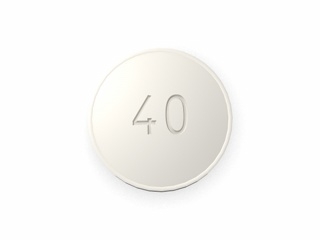
Isoptin SR is an extended-release verapamil product. It is designed to release verapamil slowly, providing a steadier effect across the day. The exact strength and tablet appearance can vary by market packaging.
What you may see on the pack:
- Brand name: Isoptin SR
- Active ingredient: verapamil
- “SR” indicating slow/extended release
- Directions for use specific to your strength and condition
How Isoptin SR Works (Mechanism of Action)
Verapamil is a calcium channel blocker. It reduces the movement of calcium into certain heart and blood vessel cells. Calcium is important for muscle contraction and for electrical conduction in the heart.
In practical terms, verapamil:
- Relaxes blood vessels, which can lower blood pressure and reduce the workload on the heart.
- Slows conduction through the AV node (an area of the heart’s electrical system), which can help control some supraventricular tachycardias.
- Reduces oxygen demand by decreasing heart workload, helping relieve angina symptoms in some people.
Pharmacokinetics (How the Body Handles the Medicine)
“Pharmacokinetics” describes what happens to a medicine in the body: absorption, distribution, metabolism, and elimination. With SR formulations, the goal is a prolonged effect.
Absorption
Verapamil is absorbed after oral administration. Because Isoptin SR is slow release, absorption happens over an extended period. Food and certain beverages may influence how much and how quickly the medicine reaches the bloodstream.
Distribution
Verapamil distributes throughout the body, including the cardiovascular system. It is extensively handled by the liver, and it may interact with other medicines metabolised through similar pathways.
Metabolism
Verapamil is metabolised mainly in the liver by enzyme systems that are also involved in breaking down many other drugs. This is why interactions can be important.
Elimination
The metabolites are cleared primarily through the kidneys and also via bile/fecal routes depending on the specific metabolite profile. In people with significant liver impairment, verapamil levels can rise, increasing risk of side effects.
Time to effect (typical)
Because it’s a slow-release product, effects may become apparent over several hours and remain more stable throughout the day compared with immediate-release formulations. If you’re adjusting to a new dose, it’s common to notice symptom changes over days rather than instantly.
Typical Uses in the UK
Isoptin SR is used for conditions where reducing blood vessel tone and/or slowing certain heart rhythms can help. The precise indication depends on your diagnosis and overall health.
Common indications
- Angina (chest pain): helping reduce the frequency and severity of attacks in selected patients
- Hypertension (high blood pressure): helping lower blood pressure
- Supraventricular arrhythmias: such as certain types of fast heart rhythm originating above the ventricles
Your clinician will choose the most appropriate formulation and dose, particularly if you have other heart conditions, lung disease, or are taking interacting medicines.
Timing: When to Take Isoptin SR
Isoptin SR is designed for once or twice daily use depending on the strength and your individual plan. Follow your dosing instructions exactly.
General practical guidance
- Try to take it at the same times each day to keep levels steady.
- Swallow tablets whole with water. Do not crush or chew unless your pharmacist or prescriber advises it for your specific product.
- If you miss a dose, take it when you remember unless it’s close to the next dose. Avoid taking double doses.
After starting (what to expect)
For blood pressure and angina, benefit may build over days to weeks. For arrhythmias, effect can be more immediate but still varies by individual and by heart rhythm pattern.
Food Interactions and Dietary Considerations
Food can affect the absorption rate of verapamil. In many people, taking Isoptin SR with or without food may be acceptable, but consistency matters.
- Best approach: take it the same way each day (either always with food or always without) unless advised otherwise.
- Grapefruit and grapefruit juice: may increase verapamil levels in some people, raising side effect risk.
- Alcohol-containing mixers: can increase blood pressure lowering effects when combined with verapamil.
If you’re unsure, ask your pharmacist whether your specific product should be taken with meals.
Alcohol and Medicine Interactions
Alcohol
Alcohol can increase the chance of side effects such as dizziness, light-headedness, and low blood pressure. If you drink alcohol, do so cautiously and monitor how you feel—especially when you first start or after dose changes.
Common medicine interactions
Verapamil can interact with other medicines via liver enzyme pathways and via its effects on heart rate and blood pressure. Always tell your pharmacist about all medicines you take, including over-the-counter products and herbal supplements.
| Medicine/Group | Why it matters | What to do |
|---|---|---|
| Other heart-rate/blood pressure medicines (e.g., beta-blockers, other calcium channel blockers) | May excessively slow heart rate or lower blood pressure | Do not adjust doses yourself; clinicians may need monitoring |
| Digoxin | Verapamil can increase digoxin levels | May require blood level monitoring and dose adjustments |
| Antiarrhythmics (various) | Additive effects on conduction/heart rhythm | Special caution; monitoring may be required |
| Statins (some types) | Interaction risk leading to higher statin levels (varies by statin) | Ask your pharmacist which statins are safest with verapamil |
| Antibiotics/antifungals that affect liver enzymes | Can raise or lower verapamil levels | Let healthcare professionals know you take Isoptin SR |
| HIV antivirals and some antivirals | May strongly affect verapamil metabolism | Often requires careful review and monitoring |
| Carbamazepine or rifampicin | May reduce verapamil levels | Your dose may need adjustment if these are started/stopped |
| St John’s wort (herbal supplement) | May reduce verapamil effectiveness | Avoid unless discussed with a clinician |
This is not a complete list. Interaction severity varies by individual and specific product. For the safest advice, share your medication list with a pharmacist.
Dosing: How Much Isoptin SR Is Typically Taken
Dosing is individual. The right dose depends on the condition being treated, age, heart function, other medicines, and liver function. Your dose instructions on your pack or from your healthcare team are the ones to follow.
General dosing principles
- Start low and adjust carefully if necessary, especially in older adults.
- Monitor heart rate and blood pressure when starting or increasing the dose.
- Liver impairment may require dose reductions or extra monitoring.
- Do not stop suddenly unless advised—some conditions may worsen.
Typical pattern (illustrative)
Many SR regimens are taken once or twice daily. Some people may use lower strengths initially and increase gradually if symptoms are not controlled. Because SR products are slow release, dose changes should be guided by a clinician.
Important: The exact dose for angina, hypertension, and different rhythm disorders can differ. Only follow the dose meant for you.
Safety Profile: Side Effects and Risks
Common side effects
Not everyone experiences side effects. Many are mild and improve as your body adjusts.
- Headache
- Dizziness or light-headedness
- Constipation (a notable effect with verapamil)
- Swelling of ankles/feet (peripheral oedema)
- Feeling tired or weakness
- Nausea
Less common but important effects
- Slow heart rate (bradycardia)
- Low blood pressure (especially when standing)
- Worsening heart failure symptoms in susceptible people
- Changes in heart conduction (e.g., AV block)
Seek urgent medical help if
Contact urgent medical services or seek immediate help if you develop:
- Fainting or severe dizziness
- Very slow heartbeat or irregular rhythm with symptoms
- Chest pain
- Breathlessness with swelling or sudden worsening of heart failure symptoms
- Severe allergic reaction such as facial swelling, difficulty breathing, or widespread rash
Who needs extra caution
Extra care is needed in people with certain heart conduction problems, reduced heart pumping function (heart failure), or significant liver impairment. Your clinician will review your history and ECG findings when deciding whether Isoptin SR is appropriate.
Practical Use Tips (Patient-Friendly)
How to take Isoptin SR
- Swallow whole with water. Do not crush or chew SR tablets.
- Keep a routine: morning/evening times that suit your lifestyle.
- Hydrate and maintain good bowel habits to reduce constipation risk.
- If you get dizziness, stand up slowly and avoid driving until you know how you respond.
Monitoring that can help
- Blood pressure: especially during dose changes.
- Heart rate: learn your typical pulse and report unusually low rates or symptoms.
- ECG: your clinician may check heart rhythm and conduction if needed.
Constipation management (common with verapamil)
Constipation is one of the more frequent verapamil side effects. Support it proactively:
- Increase fluid intake if appropriate.
- Consider fibre (e.g., fruit, vegetables, oats) unless restricted by your doctor.
- Gentle activity can help bowel movement.
- Discuss suitable stool-softening or laxative options with a pharmacist if it becomes troublesome.
Alternative Options (If Isoptin SR Is Not Suitable)
Alternatives depend on the condition being treated. For blood pressure, arrhythmia control, and angina, clinicians may consider other medicine classes or different verapamil formulations.
Possible alternative classes
- Other calcium channel blockers (e.g., dihydropyridines)
- Beta-blockers (often used for rate control and angina)
- Nitrates for angina symptom relief
- Other antiarrhythmics depending on rhythm type
- Other antihypertensives such as ACE inhibitors, ARBs, or thiazide-like diuretics for blood pressure
Your best option will be based on your ECG, comorbidities (such as asthma, diabetes, heart failure), and your medication list. A pharmacist or clinician can help compare options safely.
Market and Legal Context for the UK
Medicines in the UK are regulated by the Medicines and Healthcare products Regulatory Agency (MHRA). Isoptin SR is a widely recognised medicine containing verapamil, with packaging and instructions that comply with UK requirements.
When buying from UK online pharmacies, products are expected to be supplied from legitimate channels and to provide clear patient information. Use only reputable providers and ensure you follow the dosing directions supplied with your specific pack.
Healthcare guidance (recent themes)
In recent years, UK cardiovascular guidance and prescribing practice have consistently emphasised:
- Individualised dosing based on age, comorbidities, and ECG findings
- Medication review to reduce interaction risk
- Appropriate monitoring for blood pressure, heart rate, and side effects
- Patient education on recognising warning symptoms
If you have ongoing symptoms, new side effects, or changes to your health, speak to a clinician promptly. In emergency situations, use local urgent care pathways.
Delivery and Availability (UK Online Pharmacy)
Availability can vary by strength and stock levels. When ordered from an online pharmacy in the UK, delivery times depend on the supplier’s dispatch process and the selected delivery method.
What to expect
- Dispatch: typically occurs once the order is processed and the product is confirmed as available.
- Delivery window: depends on the service chosen (standard vs express where available).
- Packaging: medicines are generally supplied in original, tamper-evident packaging.
- Storage: store at room temperature as indicated on the pack; keep out of reach of children.
If you need urgent medication, check the retailer’s delivery estimates before ordering.
Frequently Asked Questions (FAQ)
1) What is Isoptin SR used for?
Isoptin SR (verapamil) is used for conditions such as angina, hypertension, and some types of supraventricular arrhythmias. The exact reason you take it depends on your diagnosis.
2) How quickly does it work?
Some effects may be felt within hours, but for blood pressure and angina, noticeable improvement often develops over days to weeks. If you’re using it for rhythm control, effect may be quicker but varies by individual heart rhythm pattern.
3) Can I drink grapefruit juice with Isoptin SR?
It’s generally recommended to avoid grapefruit and grapefruit juice because it may increase verapamil levels and the risk of side effects. If you choose to drink it, discuss with a pharmacist.
4) Should I take it with food?
Often it can be taken with or without food, but keep the routine consistent. If your pack instructions specify a particular approach, follow that advice.
5) What should I do if I miss a dose?
Take the missed dose when you remember unless it’s close to the next dose. Do not take a double dose to make up for the missed one. If you’re unsure, ask a pharmacist for advice.
6) What side effects are most common?
Common side effects include headache, dizziness, constipation, ankle/foot swelling (oedema), and tiredness. Constipation is particularly associated with verapamil.
7) Is Isoptin SR safe to drive?
If it causes dizziness or light-headedness, avoid driving and use caution until you know how you respond. Always follow any advice provided with your medicine.
8) Can Isoptin SR be taken with other medicines?
Verapamil can interact with several medicines, including some heart drugs, antibiotics/antifungals, statins, and others. It’s important to provide a full list of your medicines to a pharmacist before starting or changing treatment.
9) Are there risks for people with liver problems?
Yes. Verapamil is metabolised in the liver, so liver impairment can increase drug levels. Your clinician may adjust your dose and monitor you more closely.
10) What happens if I stop taking it?
Do not stop suddenly unless advised by your healthcare team. Stopping may lead to worsening blood pressure, angina symptoms, or loss of rhythm control in some people.
Summary
Isoptin SR (verapamil) is a slow-release calcium channel blocker used to treat conditions such as angina, hypertension, and certain supraventricular arrhythmias. It works by relaxing blood vessels and slowing conduction in the heart. As with many heart medicines, careful use is important—particularly regarding drug interactions, alcohol, grapefruit, and monitoring for symptoms like dizziness, slow heart rate, or worsening breathlessness.
If you have questions about whether Isoptin SR is appropriate for you, side effects, or interactions with your current medicines, speak to a qualified healthcare professional or pharmacist.